
The Inca Trail 4-Day Trip Tour is a once-in-a-lifetime trekking experience, offering hikers the opportunity to explore the ancient Inca pathways leading to the stunning Machu Picchu. The Inca Trail 4-Day Trip Tour takes adventurers through diverse landscapes (cloud forests, high-altitude passes, and impressive archaeological sites) with the final destination being the world-famous Machu Picchu.
Hikers face challenging ascents, descents, and elevation changes, requiring physical preparation and acclimatization. The short Inca Trail to Machu Picchu offers a more compact, one-day alternative, allowing trekkers to experience key sections of the trail without the extended duration. The two options are popular with travelers, and Inca Trail Tours and Machu Picchu hikes provide an unforgettable journey into the heart of ancient Inca culture and breathtaking natural beauty.
Book your 4-day Inca Trail Tour and travel on an unforgettable adventure to Machu Picchu. The guided trek takes travelers through breathtaking landscapes, ancient Inca ruins, and challenging terrain, culminating at the iconic Machu Picchu. Experience the rich history and culture of the Inca civilization. Travelers secure a spot by completing their Inca Trail booking in advance.
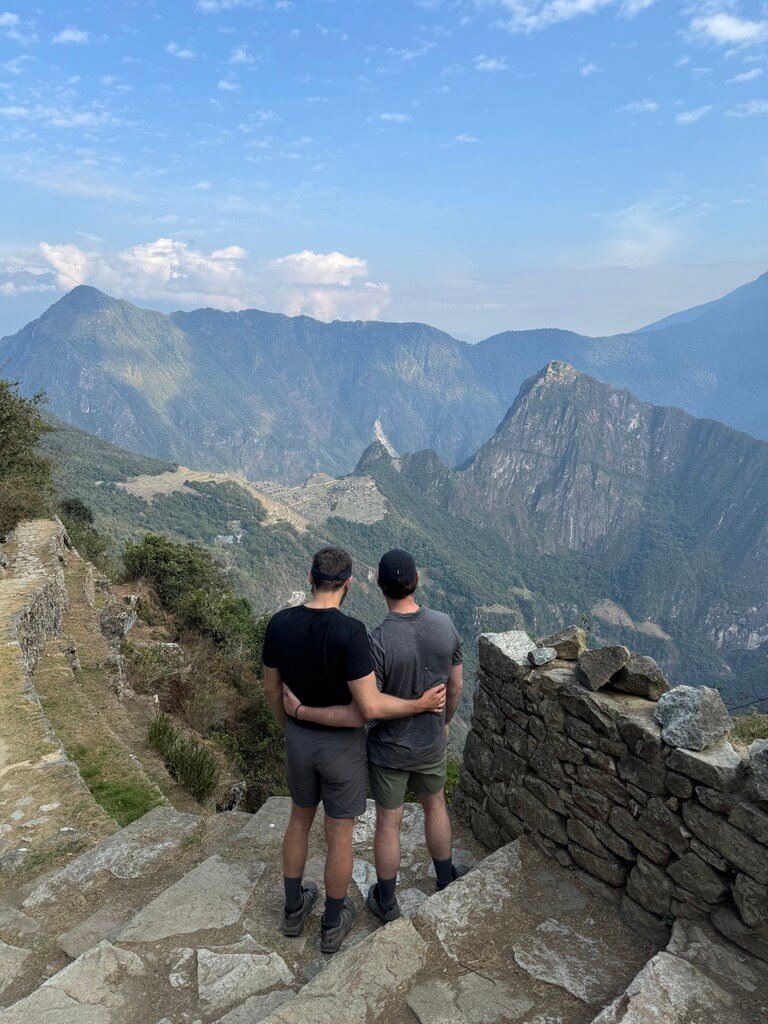
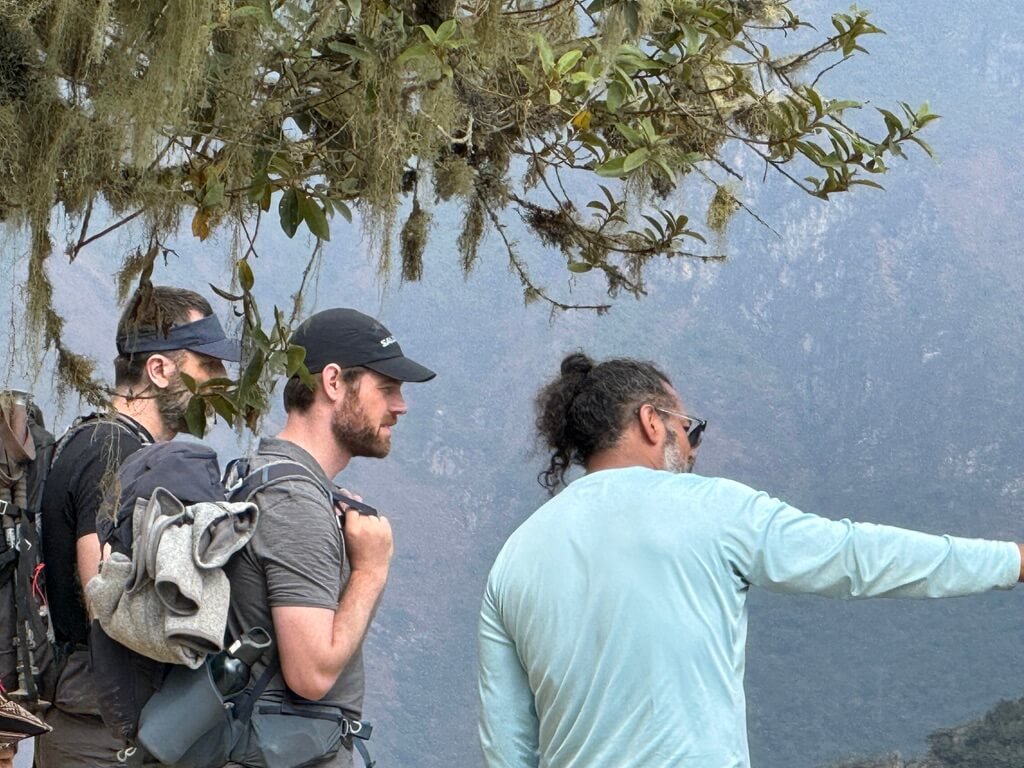
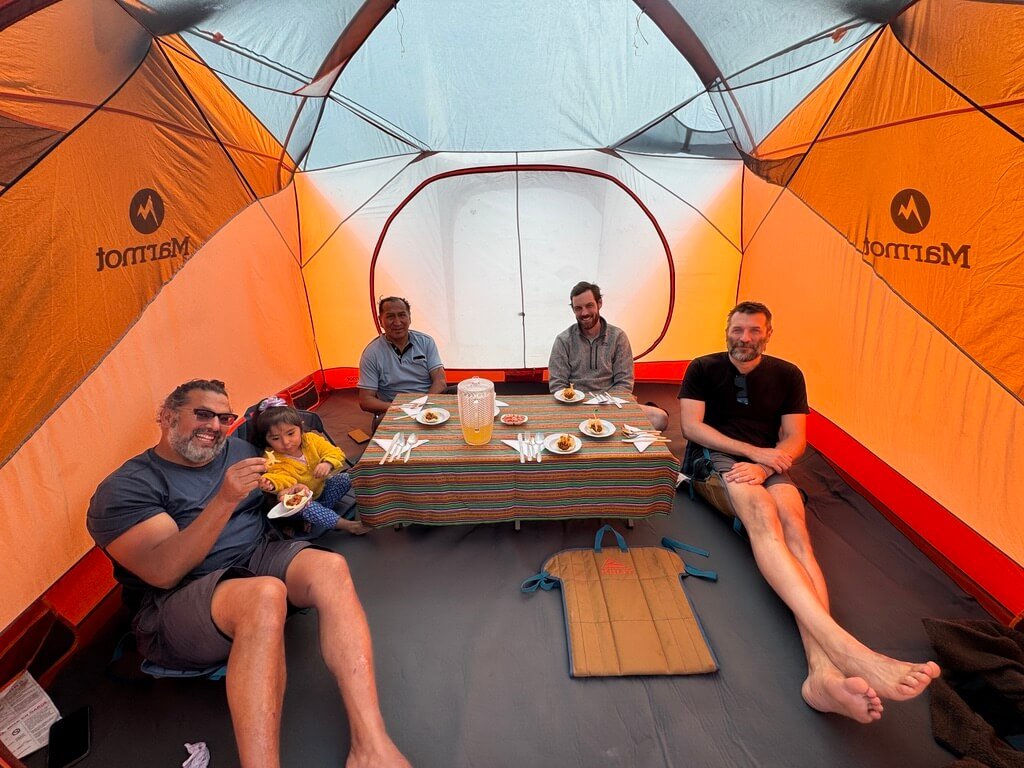
From $1250 USD per person
Our Group Tours Have a Maximum of 8 Participants. Students get a $25 USD Discount
Guided Trek
4 Days / 3 Nights
Cusco, Peru
Trekking, Camping,
Archaeological Exploration, Sightseeing
Up to 8 Guests Max
Moderate to Challenging
Adventure, Culture,
Archaeological Discovery
Demanding
Camping (3 nights)
42km or 26 miles
3 Breakfasts, 3 Lunches, 3 Snacks,
3 Dinners
English & Spanish
for the challenge.Key facts about the 4-Days Inca Trail include:
- Hiking Distance: 43 kilometers
- Elevation Gain: 4,215 meters at Dead Woman’s Pass
- Duration: 4 days of trekking
- Difficulty Level: Moderate to strenuous
- Trail Type: Point-to-point trek through diverse terrains, including cloud forests and high-altitude passes
- Starting Point: Km 82, located near Ollantaytambo
- Ending Point: Machu Picchu, one of the Seven New Wonders of the World
- Nearest City: Cusco, Peru
- Drive Time from Cusco: 2 hours
Inca Trail 4-Days Tour Options and Pricing
Inca Trail 4-Days Tour options and pricing vary based on the season, tour operator, and inclusions such as guide services, transportation, and meals. The pricing covers permits for the trek, which are highly regulated and limited to preserve the trail’s integrity. Trekkers get meals, camping equipment, professional guides, and porters who carry the heavy gear, making the trek more manageable as part of the Inca Trail cost.
Budget Group Inca Trail 4-Days Tour
Overview:
The Budget Group Inca Trail 4-Days Tour is the authentic Inca Trail adventure at an
accessible price point. Trek with a small group of fellow adventurers (8 to 10 trekkers maximum) while staying in quality camping facilities. Professional bilingual guides lead you through ancient ruins, cloud forests, and dramatic mountain passes. The journey covers 26 miles of legendary pathway, crossing three high-altitude passes with the highest reaching 13,828 feet. Visit archaeological sites (Llactapata,
Runkurakay, Sayacmarca, Phuyupatamarca, Wiñay Wayna) with expert commentary. Excellent meals prepared with organic ingredients fuel your daily adventures. Wake up to sunrise views over snow-capped peaks. Arrive at the Sun Gate for your first breathtaking view of Machu Picchu on day four. Experience camaraderie with fellow trekkers from around the world.
Group size: 8 – 10 trekkers
- Small group size (8 to 10 maximum)
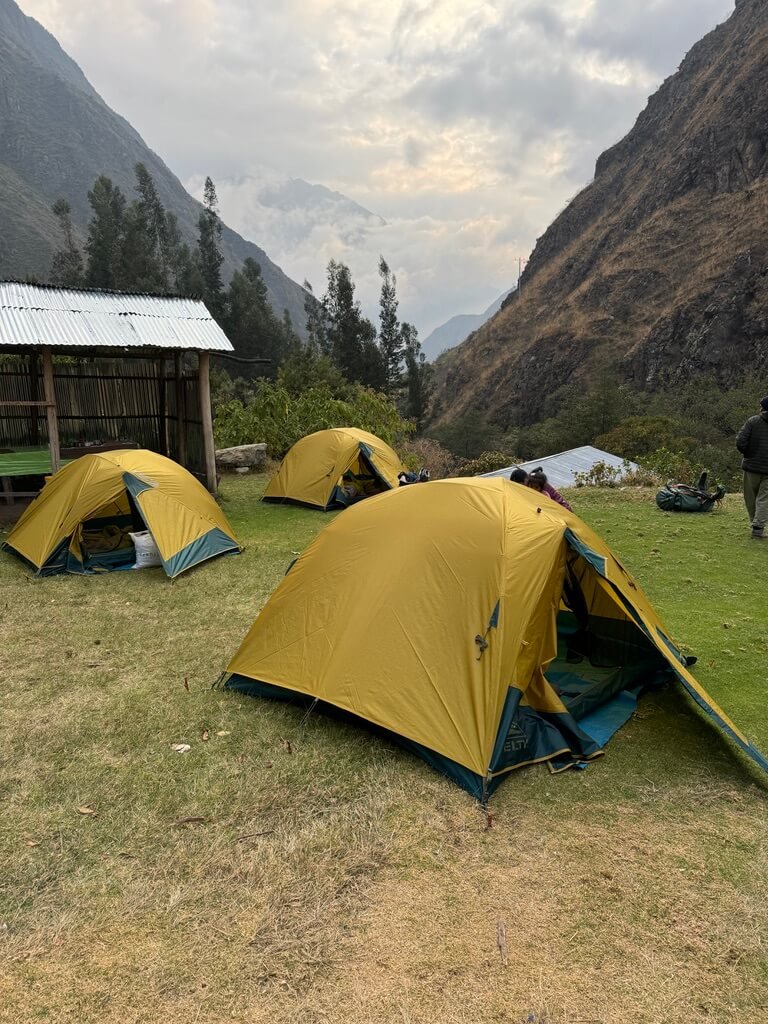
- Quality Kelty camping tents
- Organic locally-grown meals
- Professional bilingual guides
- Inca Trail permits included
- Train ticket return to Cusco
- Ethical porter treatment
Standard Premium Private Inca Trail 4-Days Tour
Overview:
The Standard Premium Inca Trail 4-Days Tour is a refined Inca Trail experience with superior comfort while maintaining group camaraderie. Smaller groups (6-8 trekkers) receive more personalized attention from expert guides specializing in archaeology, botany, and Andean culture. Premium camping equipment cover spacious four-season tents with thicker sleeping pads.
Gourmet meals feature local flavors with three-course dinners, local wines, and creative fusion cuisine. Priority porter support ensures ethical treatment with lighter loads per porter. Extended time at archaeological sites allows deeper exploration of Inca engineering, astronomy, and religious practices. Premium rain gear, trekking poles, and portable toilets provided at each campsite. Photography guidance helps capture the best angles and lighting throughout your trek.
Group size: 6 – 8 trekkers
- Smaller group (6 to 8 maximum)
- Premium camping equipment
- Gourmet organic dining
- Expert guides with archaeology focus
- Priority checkpoint access
- Personal porter available
- State-of-art safety equipment
- Photography guidance included
Private Tour Inca Trail 4-Days Tour
Overview:
The Private Tour Inca Trail 4-Days Tour is the ultimate personalized Inca Trail journey. Trek at the right pace with a dedicated private guide, chef, and porter team. Customize daily schedules to match personal fitness level and interests. Receive in-depth historical commentary tailored to specific interests (astronomy, architecture, botany, cultural practices). Perfect for families with children needing flexible pacing, couples seeking privacy, or groups wanting complete control over their experience. A private chef prepares meals according to dietary preferences and restrictions. Spend extra time at sites while skipping crowded midday hours. First-class train service option upgrades your return journey with panoramic windows and gourmet service. Priority Machu Picchu entry allows exploration before crowds arrive.
Private groups: 2 – 6 trekkers
- Exclusive private experience
- Dedicated guide team
- Flexible daily schedule
- Customized meal planning
- Premium camping facilities
- Personal attention throughout
- First-class train option
- Professional photo documentation
- Priority Machu Picchu entry
- Inca Trail permits: Tour operators secure official trekking permits required by the Peruvian government before the hike begins, giving legal access to the historic trail. The permits are limited in number, so booking far in advance is essential.
- Professional licensed guide: A licensed guide leads the trek, offering route navigation, historical context on Inca sites, safety oversight, and altitude management throughout the hike.
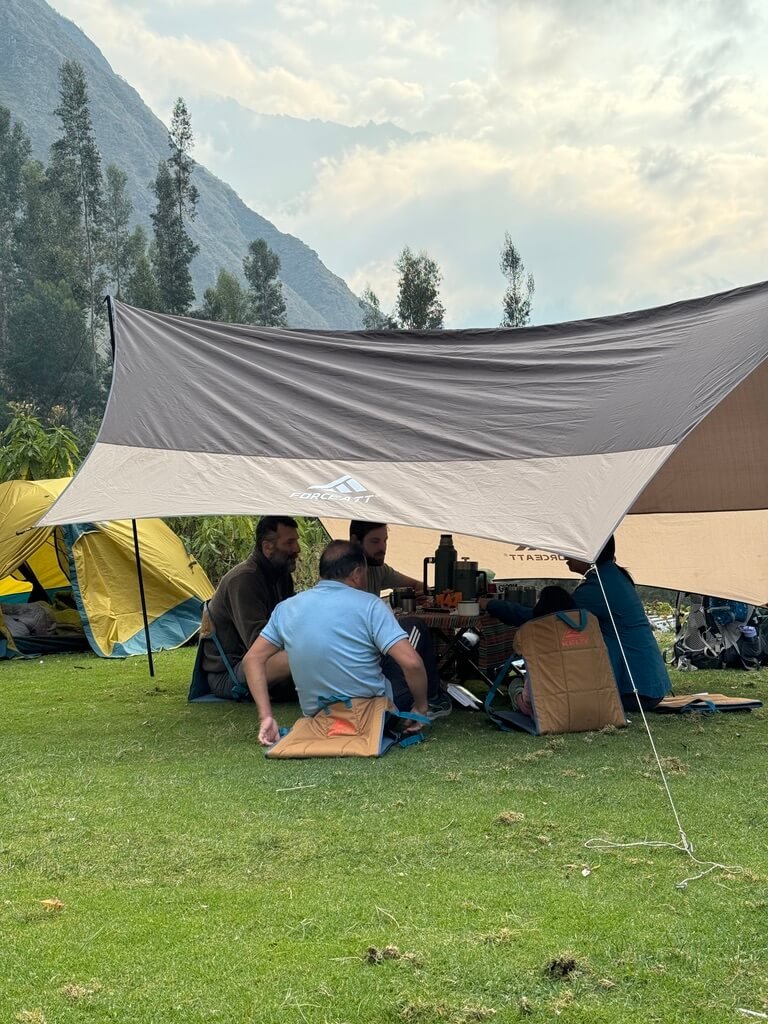
- Camping equipment (tents, sleeping mats): Standard camping gear (trekking tents, sleeping mats) is provided for nights on the trail, ensuring basic shelter and rest after each day of hiking.
- Porters and cooks: A support crew of porters and cooks carries camping gear and prepares meals, allowing trekkers to focus on hiking rather than logistics.
- All meals during the trek: Meals are provided during the hiking days,covering breakfast, lunch, and dinner at campsites or on the trail.
- Entrance to Machu Picchu: Tour packages cover entry fees to the Machu Picchu archaeological park at the end of the trek, permitting access for exploration.
- Train ticket from Aguas Calientes: Return train tickets from Aguas Calientes back toward Cusco are included, facilitating transport after completing the trek.
- Bus ticket to Machu Picchu: Bus transport from Aguas Calientes up to the Machu Picchu entrance area is available, providing easier access to the site after arriving by train.
- Sleeping bag: Tour pricing excludes the personal sleeping bag that hikers carry for warmth at night, so trekkers need to bring or rent their own.
- Trekking poles: Trekking poles are not provided as part of the standard tour package and must be acquired separately by trekkers if desired for support on steep terrain.
- Tips for porters and guides: Gratuities for the licensed guide, cooks,and support porters are not factored into the tour price and are expected to be given privately at the end of the trek.
- Huayna Picchu or Machu Picchu Mountain tickets: Additional entrance tickets for climbing Huayna Picchu or Machu Picchu Mountain are sold separately and are not included in the basic Inca Trail tour.
- Personal expenses: Costs for meals before the trek begins, meals after the trek ends, and private purchases (souvenirs, snacks, laundry, hotel stays in Cusco either before departure or after the trek) are not covered by the tour package.
- Breakfast on the first day and lunch on the final day: Meals at the start of the tour in Cusco and at Aguas Calientes after reaching Machu Picchu are excluded from the tour inclusions.
4-Days Inca Trail to Machu Picchu Itinerary
The 4-Days Inca Trail to Machu Picchu Itinerary is to provide trekkers with an exciting yet manageable journey, allowing for acclimatization and exploration of ancient Inca ruins. Hikers begin the trek on Day 1 at Km 82, gradually ascending through the Sacred Valley, passing through archaeological sites like Patallacta before reaching the first campsite. Day 2 is the most challenging, with a steep ascent to Dead Woman’s Pass at 4,215 meters (13,828 feet), followed by a descent into the cloud forest and the second campsite. Day 3 offers a more moderate pace as trekkers pass through impressive sites like Runkurakay and Wiñay Wayna, with opportunities for acclimatization before the final push. Trekkers make the early morning climb on Day 4 to the Sun Gate, where they get their first view of Machu Picchu, then descend into the citadel for a guided tour. The gradual increase in elevation throughout the trek helps with acclimatization, making the challenging conditions of the Inca Trail to Machu Picchu more manageable.
Inca Trail Day 1
Cusco to Wayllabamba Camp
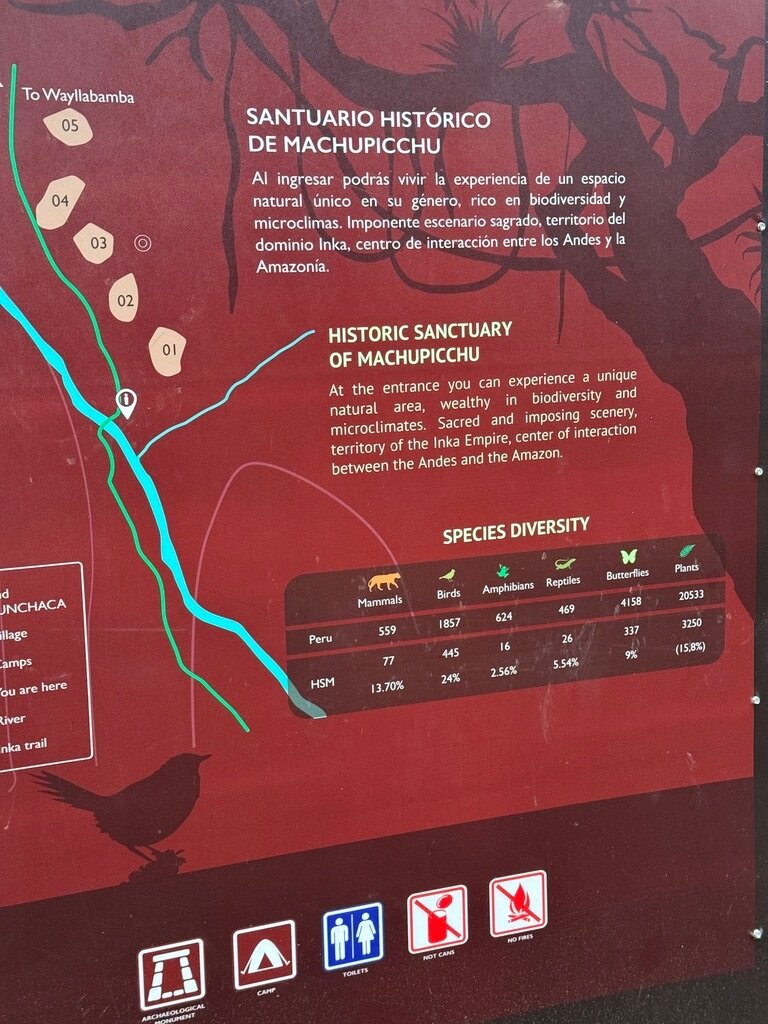
Overview: The first day eases trekkers into the legendary Inca Trail with a moderate hike through the Sacred Valley. Groups travel by bus to kilometer 82 where the adventure begins. The trail winds alongside the rushing Urubamba River, passing ancient Inca ruins and offering stunning views of snow-capped peaks. Trekkers acclimatize while gaining elevation gradually, ending the day at a campsite in the small village of Wayllabamba.
Day 1 Highlights
- Depart early from Cusco and travel by bus through the Sacred Valley to kilometer 82. Cross the Urubamba River, one of the Amazon’s main tributaries.
- View the Inca Fortress of Huillca Raccay and explore the ancient Inca city of Llactapata.
- Trek through diverse landscapes with breathtaking views of the Urubamba mountain range. Witness the snow-capped peak of Wakay Willca (Veronica) standing at 5,860m (19,226ft).
- The gentle ascent prepares trekkers for the challenging days ahead while allowing proper acclimatization.
Maximum Altitude: 3,000m (9,840ft) Night Temperature: 10°C / 50°F
Inca Trail Day 2
Wayllabamba to Pacaymayu Camp
Overview: Day 2 presents the most physically demanding challenge of the entire trek. Trekkers face a steep, relentless ascent to Dead Woman’s Pass, the trail’s highest point at 4,200m. The thin air at altitude tests endurance and determination as groups climb through changing ecosystems from cloud forest to alpine tundra. A steep descent leads to camp in the Pacaymayu valley after reaching the pass and savoring the achievement.
Why Day 2 is the Hardest Day:
Day 2 presents the steepest and most demanding ascent of the entire trek. Trekkers climb from 3,000m (10,700ft) to the highest point on the trail at Dead Woman’s Pass (4,200m / 13,779ft). The thin air at altitude makes breathing more difficult, requiring frequent rest stops. The sustained uphill climb tests physical endurance and mental determination.
Day 2 Highlights
- Embark on the most challenging yet rewarding day of the trek. Begin a steep ascent through diverse ecosystems from cloud forest to alpine tundra.
- Begin a steep ascent through diverse ecosystems from cloud forest to alpine tundra.
- Observe varied flora (Q’ueuña tree) growing at 3,650m (11,972ft).
- Watch for hummingbirds and other Andean bird species throughout the climb.
- Reach the triumphant moment at Dead Woman’s Pass, the trail’s highest point. Experience a profound sense of achievement standing at 4,200m (13,779ft).
- Descend through stunning mountain scenery to the valley campsite at Pacaymayu.
Maximum Altitude: 4,200m (13,779ft) at Dead Woman’s Pass
Inca Trail Day 3
Pacaymayu to Wiñay Wayna Camp
Overview: The third day showcases the archaeological richness of the Inca Trail with visits to multiple stunning ruins. Trekkers cross the second-highest pass before descending through mystical cloud forest draped in orchids and moss. The trail weaves through four major archaeological sites, each revealing different aspects of Inca civilization. The day culminates at Wiñay Wayna, one of the trail’s most impressive ruins, where trekkers camp nearby for the final night.
Day 3 Highlights
- Experience the most spectacular archaeological day of the trek. Climb from the valley to 4,000m (13,123ft) at the second-highest pass.
- Explore the circular ruins of Runkurakay with panoramic mountain views. Visit the cliff-hanging fortress of Sayacmarca, accessible only via a narrow stone stairway.
- Trek through enchanting cloud forest draped in moss and orchids.
- Discover Phuyupatamarca (“Town in the Clouds”) with its ceremonial baths and stunning vistas. Descend stone staircases through terraced agricultural sites.
- Walk through the impressive terraces of Intipata, still used for cultivation.
- Arrive at the magnificent Wiñay Wayna ruins near your final campsite.
- Explore the extensive terracing and ceremonial structures of Wiñay Wayna (“Forever Young”).
Maximum Altitude: 4,000m (13,123ft)
Inca Trail Day 4
Wiñay Wayna to Machu Picchu to Cusco
Overview: The final day brings the ultimate reward as trekkers rise before dawn to reach the Sun Gate for sunrise over Machu Picchu. After three days of anticipation, the first glimpse of the ancient citadel emerging from morning mist creates an unforgettable moment. A comprehensive guided tour reveals the secrets of Inca engineering, astronomy, and spirituality. The journey concludes with a scenic train ride through the Sacred Valley back to Cusco, arriving in the evening with memories of a lifetime.
Day 4 Highlights
- Rise before dawn for the final push to the Sun Gate (Inti Punku). Trek through darkness to reach the checkpoint at 5:30 AM when gates open.
- Walk the stone pathway as sunrise illuminates the Andes mountains. Arrive at Inti Punku (2,730m / 8,792ft) for the first breathtaking view of Machu Picchu at sunrise.
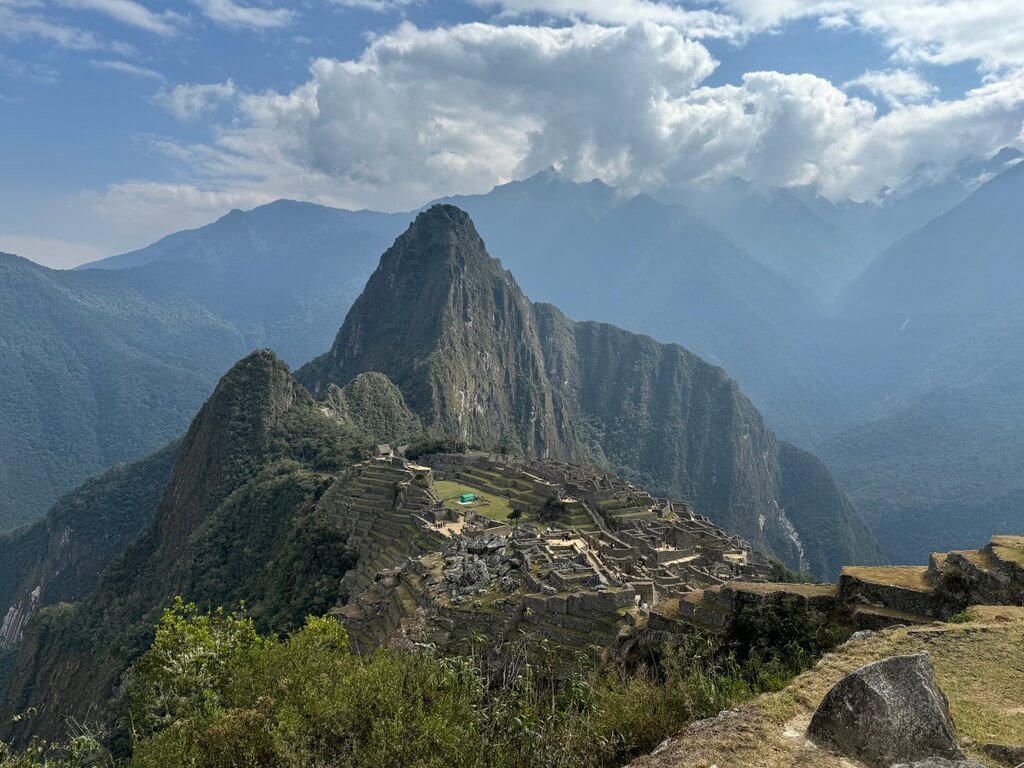
- Watch the ancient citadel emerge from morning mist as sunlight fills the valley. Capture the iconic postcard photograph from the classic viewpoint.
- Descend to Machu Picchu (2,400m / 7,873ft) for a comprehensive guided tour. Explore temples, plazas, residences, agricultural terraces, and ceremonial areas.
- Learn about Inca astronomy, engineering, architecture, and spiritual practices. Enjoy free time to wander the citadel independently after the tour.
- Descend by bus or foot to Aguas Calientes town.
- Board the scenic train through the Sacred Valley back to Ollantaytambo. Transfer by bus to Cusco, arriving early evening.
Maximum Altitude: 2,730m (8,792ft) at Sun Gate
Drop-off Time in Cusco: 6:00–7:00 PM
- Km 82 (Starting Point): The official starting point of the Inca Trail, located beneath the Andes. Trekkers embark on their four-day journey towards Machu Picchu from Km 82.
- Patallacta: An ancient Inca agricultural site featuring terraces, stone structures, and platforms. Patallacta offers a glimpse into the agricultural advancements of the Inca civilization.
- Runkurakay: Runkurakay is a small, circular Inca ruin situated at a high altitude. The ruin served as a resting place and watchtower, offering panoramic views of the surrounding valleys and mountains.
- Sayacmarca: Sayacmarca is a well-preserved Inca settlement perched on a steep cliff. The site features intricate stonework, and its strategic location allowed the Incas to monitor the surrounding area.
- Phuyupatamarca: Phuyupatamarca is known as the “City Above the Clouds,” and is a remarkable Inca site at 3,600 meters. The ruin is famous for its advanced water systems, including terraces and aqueducts, and stunning views of the Urubamba River.
- Wiñay Wayna: Wiñay Wayna is an expansive Inca complex featuring extensive terraces and a series of fountains. The site is known for its beauty and is one of the last major archaeological sites before reaching Machu Picchu.
- Machu Picchu: Machu Picchu is the final destination of the trail, an iconic Inca citadel set high in the Andes. The site is one of the most important and well-preserved archaeological sites in the world, offering breathtaking views and historical significance.
The things to pack for the 4-Day Inca Trail to Machu Picchu are listed below.
- Daypack: A lightweight backpack will carry personal items during the trek. It must be small enough to avoid discomfort but large enough to hold essentials. The Inca Trail packing list suggests selecting a pack with good ventilation and a comfortable fit.
- Water system: A water bladder or reusable water bottle is necessary for hydration. The water system must be easy to access and capable of holding sufficient water for long stretches between refills.
- Sun protection: Bring a wide-brimmed hat, sunscreen with high SPF, and sunglasses. The items will protect against the strong sun exposure at high altitudes and prevent sunburn.
- Personal medication: Pack any medications needed during the trek (altitude sickness pills, pain relievers, personal prescriptions) to ensure health is maintained while hiking.
- Snacks: High-energy snacks (granola bars, nuts) are crucial for quick refueling. Carrying snacks provides the necessary energy to continue the hike without relying on long breaks.
- Clothing layers: Pack moisture-wicking base layers, an insulating jacket, and a waterproof outer layer. Layering allows for quick adjustment to the fluctuating temperatures during the trek.
- Camera: A small, lightweight camera or smartphone is ideal for capturing the stunning views along the trail without adding excessive weight to your pack.
- Headlamp or flashlight: A headlamp or flashlight is essential for early mornings or navigating in low-light conditions. Ensure it is lightweight and equipped with extra batteries.
- Trekking poles: Trekking poles provide stability and reduce the impact on the knees during steep sections. Collapsible poles are easy to store and carry in the Inca Trail packing list.
- Cash: Carrying cash is useful for tipping or making small purchases along the way. Cash is essential for smaller, remote areas.
The documents required for the 4-Day Inca Trail are listed below:
- Original passport: The original passport serves as the official identification for travelers and must be presented upon entering the Inca Trail and Machu Picchu. The passport must match the details provided in the Inca Trail permit for entry validation.
- Inca Trail permits: Inca Trail permits are essential for accessing the trail and must be secured well in advance due to limited availability. The permits provide the trekker’s details and are non-transferable, requiring exact personal information.
- Machu Picchu tickets: Machu Picchu tickets grant access to the site and are mandatory for entry upon completion of the Inca Trail. The tickets must be purchased simultaneously with the Inca Trail permits and are tied to specific time slots for entry.
- Emergency contact information: Proper details must be provided in case of unexpected events or emergencies during the trek. The information is necessary for quick communication with family or authorities if the situation arises.
- Travel insurance documents: Travel insurance is highly recommended for the Inca Trail trek, covering potential medical emergencies or trip disruptions. Insurance documents must show proof of medical evacuation coverage.
- Health certificate: A health certificate is required for travelers over 60 years old or with pre-existing medical conditions. The certificate must confirm that the trekker is fit for physical activity at high altitudes, ensuring safety during the strenuous trek.
- Visa: A visa is necessary for travelers from certain countries, depending on their nationality and the length of stay in Peru. Travelers must check visa requirements in advance and ensure they are obtained before traveling to Peru.
- Hotel reservation confirmation: Hotel reservation confirmation is required for stay in Cusco or Aguas Calientes prior to the trek. The confirmation helps with logistical planning and is needed for entry to the Inca Trail or Machu Picchu.
The clothes that you should pack for the 4-Day Inca Trail Hike are listed below.
- Base Layers: Base layers must be made from moisture-wicking materials (merino wool or synthetic fabrics) to keep sweat off the skin and dry. The layer helps regulate body temperature and prevents chafing during long hours of hiking.
- Insulating Layer: An insulating layer provides warmth when temperatures drop at night. The layer must retain heat while allowing breathability to avoid overheating during physical activity.
- Outer Layer: The outer layer must consist of a waterproof and windproof jacket to protect against rain and strong winds. A jacket must be breathable to prevent moisture buildup while still offering protection from the elements.
- Trekking Pants: Trekking pants must be lightweight and flexible to allow ease of movement and comfort during the hike. The pants need to be durable enough to withstand rough terrain while being breathable to stay comfortable during warmer days.
- Trekking Shorts: Trekking shorts are ideal for lower altitudes where temperatures are warmer. The shorts must be made from breathable materials, offering freedom of movement and preventing overheating.
- Footwear: Sturdy, waterproof hiking boots with good ankle support are essential for navigating rough and uneven terrain. The boots must offer ample cushioning for long hikes and have a strong grip to prevent slipping on slippery surfaces.
- Socks: Socks must be made from moisture-wicking materials (synthetic fabrics, merino wool) to keep feet dry and prevent blisters. Multiple pairs must be packed to maintain foot comfort throughout the hike.
- Gloves: Lightweight, warm gloves protect hands from cold temperatures in higher altitudes where temperatures drop sharply. Gloves with a good grip are crucial to maintain dexterity while using trekking poles or handling other gear.
- Hat: A wide-brimmed hat provides sun protection, keeping the face, neck, and ears shaded. The hat must be made from a lightweight, breathable material to help stay cool under the sun.
- Sun Protection Clothing: A long-sleeve shirt with UV protection shields the skin from the sun in exposed areas of the trail. The shirt must be made from light, breathable fabric to avoid overheating while offering sun protection.
- Rain Gear: A poncho or rain jacket is necessary to stay dry in unpredictable weather conditions. The rain gear must be lightweight and compact, making it easy to pack when not in use but quickly accessible during rain showers.
- Sleepwear: Sleepwear must be lightweight and moisture-wicking to ensure comfort and a good night’s rest at the campsites. The clothes must be warm enough for chilly nights while breathable enough to prevent overheating during sleep.
- Pack the Right Gear. Bring clothing suitable for varying weather conditions, durable trekking shoes, and a backpack to carry essential items like water, snacks, and a first-aid kit.
- Obtain Required Permits. Secure the necessary permits for the Inca Trail well in advance. The permits are limited and sell out months ahead, so early booking is essential.
- Train Physically. Engage in a fitness regimen focusing on cardio, strength, and endurance. Trekking at high altitudes requires physical preparation to build stamina and strength for steep climbs.
- Acclimate to Altitude. Spend a few days at a higher altitude, such as Cusco, to allow your body to adjust before beginning the trek. The strategy reduces the risk of altitude sickness.
- Stay Hydrated. Drink ample water in the days leading up to the trek. Hydration is key to avoiding dehydration and managing the effects of high altitudes.
- Plan for Meals. Understand the meal arrangements provided on the trek. Ensure dietary preferences or restrictions are addressed when booking, as food will be provided along the route.
- Prepare for the Trek’s Challenges. Mentally prepare for the trek’s physical demands. Expect steep inclines, high altitudes, and unpredictable weather, and be ready for the challenges during the 4-day journey.
- Build Cardiovascular Endurance. Engage in activities like hiking, running, or cycling. Aim for at least 30 minutes of aerobic exercise, 3-4 times a week, to improve stamina.
- Increase Leg Strength. Incorporate strength training exercises focusing on the legs. Squats, lunges, and step-ups help improve muscle endurance for steep inclines.
- Train on Elevation. Find hills or staircases to simulate the elevation changes of the Inca Trail. Gradually increase the incline and duration to mimic the trek’s terrain.
- Practice with a Loaded Backpack. Carry a backpack with a weight similar to what is carried during the hike. The exercise helps prepare for the load on your back and ensures comfort during the trek.
- Improve Flexibility and Balance. Incorporate stretching and yoga in the preparation routine. Flexibility aids in preventing injuries, and balance helps when navigating rocky or uneven terrain.
- Practice Hiking at High Altitudes. Hike in high-altitude areas to help acclimatize the body to lower oxygen levels. Higher elevation training for Inca Trail better prepares the body for the conditions along the trek.
- Research Tour Operators. Look for licensed tour operators certified by the Peruvian government. Ensure they meet all necessary regulations and offer reliable services.
- Compare Packages and Itineraries. Review different tour packages and itineraries. Compare inclusions such as guides, transportation, meals, and permits to find the best fit for your preferences.
- Check Reviews and Recommendations. Read customer reviews and seek recommendations. Look for feedback on the quality of service, guides, and overall experience.
- Confirm Permits Availability. Ensure the tour operator has secured permits for the Inca Trail, as permits are limited. Book well in advance to avoid missing out.
- Make a Reservation and Payment. Contact the tour operator to confirm your reservation. Pay the required deposit or full amount to secure your booking and receive confirmation details.
- Permit Fees: The Inca Trail requires a permit, which is a major cost. The permits are limited and must be booked well in advance, with prices varying depending on the season.
- Tour Operator: The price varies greatly depending on the tour company selected. Operators offer budget options with basic services, while others provide premium experiences with higher-end accommodations and personalized services.
- Accommodation: Accommodation choices influence the overall price of the trek. Companies offer basic camping options, while others provide more luxurious tents or even hotel stays before or after the trek.
- Guides and Porters: A licensed guide is required for every group, and additional porters are hired to carry gear. The cost for the services depends on the number of guides and porters employed for the trek.
- Transportation: Getting to the trailhead and back to Cusco involves various transportation methods (buses, trains). The transportation costs are included in the package but vary based on the class of service and location.
- Season: The Inca Trail’s price fluctuates depending on the time of year. Peak season (May to September) sees higher demand for permits and services, which drives up the price.
- Additional Services: Optional services (equipment rentals, personal chefs, extra meals) increase the total cost. The extras provide a more comfortable or personalized experience but add to the trek’s overall price.
- Kilometer 82: The official starting point of the trek, situated near Patallacta, a significant Inca settlement. Patallacta served as an agricultural and administrative center, with well-preserved terraces and stone structures.
- Llactapata: A remote Inca site offering stunning views of the surrounding valleys and mountains. It is believed to have been a ceremonial center, featuring terraces and remnants of ancient buildings.
- Sayacmarca: An Inca site perched dramatically on a cliffside, offering panoramic views of the area. The site includes agricultural terraces, religious structures, and a sophisticated water management system.
- Phuyupatamarca: Known as the “City in the Clouds,” located high above the Urubamba River. Phuyupatamarca features well-preserved terraces, ceremonial baths, and advanced water systems that highlight Inca engineering.
- Wiñay Wayna: The most iconic sites along the trail, featuring a large Inca complex with stunning terraces and agricultural zones. The site includes ceremonial baths and structures believed to hold spiritual significance.
- Machu Picchu: The famous Inca citadel, known for its breathtaking location atop a mountain ridge. Machu Picchu is an architectural marvel with temples, plazas, and terraces, offering insight into Inca culture and engineering.
- Acclimate to High Altitude. Spend a few days in Cusco or another high-altitude location to help body adjust. The strategy reduces the risk of altitude sickness during the trek.
- Increase Fitness Level. Engage in regular cardiovascular and strength exercises to build endurance. Hiking, walking, or running to get physically ready for the trek’s challenges.
- Pack Proper Gear. Bring sturdy footwear, weather-appropriate clothing, and a lightweight backpack. Include essentials such as a first-aid kit, sunscreen, and a reusable water bottle.
- Prepare for Variable Weather. Expect fluctuating temperatures, especially cold nights. Pack layers to ensure the body is prepared for warm days and chilly evenings.
- Check Permits and Documentation. Ensure to obtain permits for the Inca Trail well in advance. Carry valid identification for entry to Machu Picchu.
- Stay Hydrated and Eat Well. Drink plenty of water before and during the trek to stay hydrated. Consume balanced meals that provide the energy needed for the strenuous hike.
- Familiarize with the Trail’s Culture and History. Study the Inca Trail’s history and cultural significance. Understanding its heritage will enrich your experience during the trek.