
Best Inca Trail Tours and Machu Picchu Hikes
The best Inca Trail Tours and Machu Picchu hikes define a must-visit travel destination through direct access to ancient Inca pathways, preserved archaeological complexes, and a ceremonial arrival at Machu Picchu through the Sun Gate. Each tour combines high-altitude mountain passes, cloud forest transitions, and culturally significant ruins All the sights in the route reflect advanced engineering, spiritual design, and historical continuity within the Andes. Travelers choose Inca Trail Tours or Machu Picchu hikes for regulated preservation, professional guiding standards, limited daily permits, and a structured multi-day journey that delivers cultural depth, physical achievement, and visual impact unmatched by alternative access routes.





Inca Trail Tours and Machu Picchu Review

Average RatingOut of 5 stars
Happy TravelersSince 2015
Tours CompletedThis year alone
Recommend RateWould book again
Limited daily permits preserve trail integrity and position the hike as an exclusive experience valued for cultural depth and environmental protection. Guided trekking programs emphasize archaeological interpretation, high safety standards, and regulated campsite systems, reinforcing reliability and consistency across multi-day itineraries. Distinct features (Sun Gate arrival, Wiñay Wayna ruins, gradual elevation transitions) solidify the reputation of Inca trail and Machu Picchu hikes as a premier choice for travelers seeking history, scenery, and structured adventure within a single expedition.
United Nations Educational, Scientific, and Cultural Organization (UNESCO) World Heritage recognition confirms the global significance of Machu Picchu and the surrounding network of trails as protected cultural and historical assets. The journey passes through cloud forests, high-altitude mountain passes, and subtropical valleys, presenting dramatic elevation changes and varied ecosystems that frame the archaeological remains with striking scenery. Guided interpretation along the trail connects physical landscapes with Inca belief systems, ritual practices, and regional history. The tour creates a unified experience that combines heritage preservation, cultural education, and immersive nature exploration.
Why Choose Our Inca Trail Tours and Machu Picchu Hikes?
Choose our Inca Trail Tours and Machu Picchu Hikes for the reasons listed below.
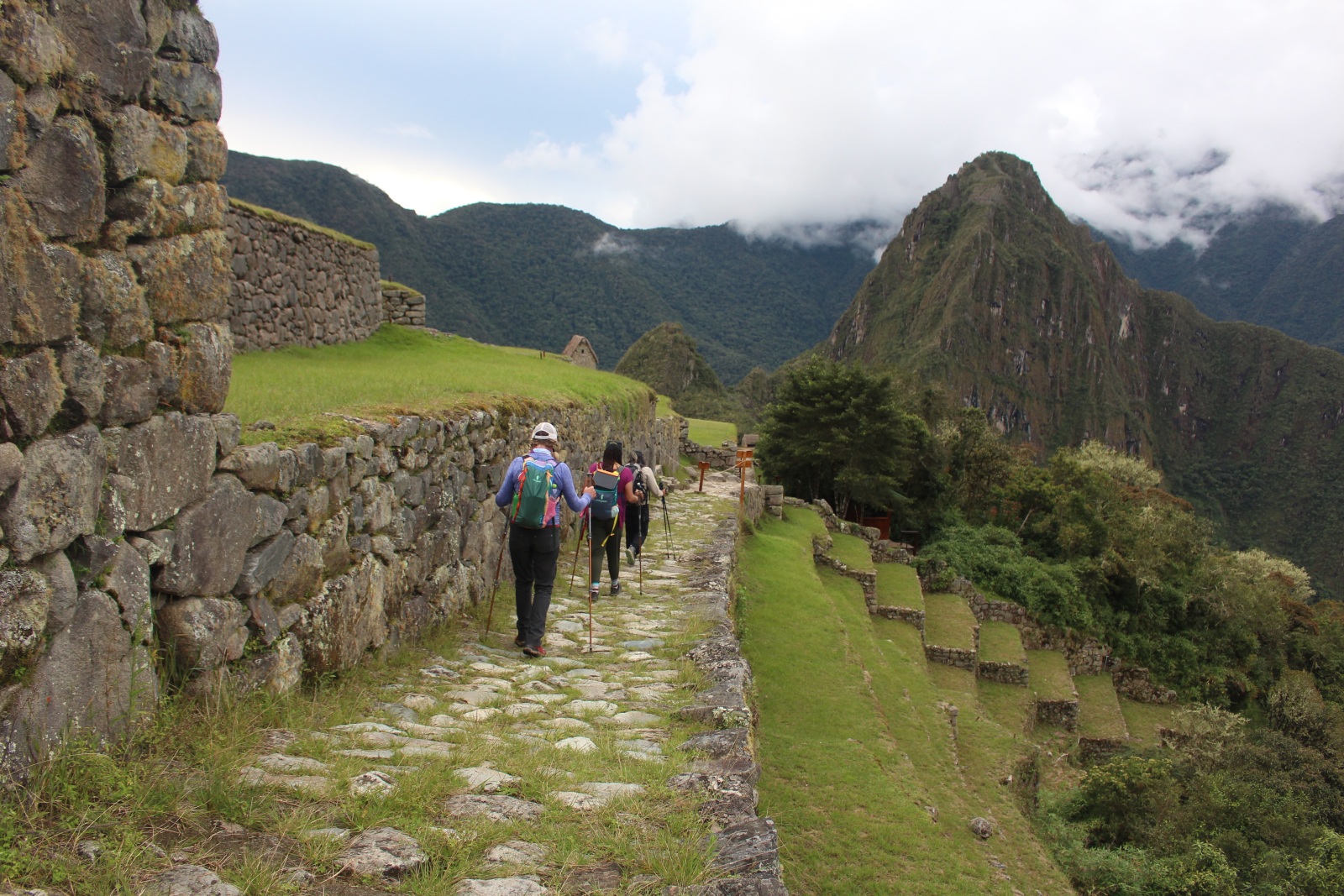
- Expert Local Guides and Cultural Immersion: Knowledgeable local guides deliver accurate historical context, route interpretation, and insight into Andean traditions. The guides’ expertise creates sustained cultural depth throughout the trek.
- Small Group Sizes for Authentic Experience: Small group sizes support focused guidance, balanced pacing, and meaningful interaction with the landscape. The size preserves an authentic trekking atmosphere from start to finish.
- Superior Camping and Dining Experience: High-quality camping equipment, organized camp setups, and professionally prepared meals provide consistent comfort and reliable nutrition during multi-day hikes (hot meals, dietary accommodations).
- Responsible and Sustainable Tourism: Responsible tourism practices prioritize trail conservation, fair porter treatment, and reduced environmental impact. The orientation supports long-term protection of the Inca Trail and surrounding communities.
Our Best Inca Trail Tours Packages
Our best Inca Trail Tours Packages present guided trekking experiences that follow original Inca pathways leading directly to Machu Picchu through the Sun Gate. Each package centers on regulated permits, professional guides, and carefully paced itineraries. Travelers enjoy the exploration of archaeological landmarks and mountain scenery across the Andes.
Classic Inca Trail Packages
The Classic Inca Trail tour presents a complete multi-day trekking experience that follows the original stone pathways built by the Inca civilization, leading directly to Machu Picchu through protected archaeological corridors. The trek covers 42 kilometers across four trekking days. Direct access to original Inca infrastructure, regulated daily permits, and a ceremonial arrival at Machu Picchu through the Sun Gate are the highlights of a classic Inca trail tour.


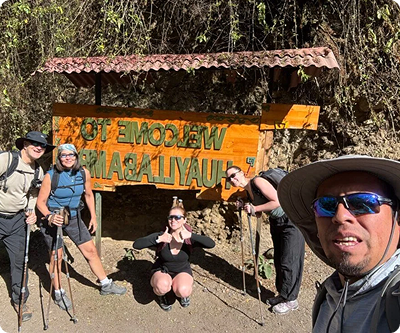
Classic Inca Trail
Why Choose This Trek?
The Classic Inca Trail is considered one of the best hiking tours because it follows the authentic ceremonial route that Incan nobles used to reach Machu Picchu. Trekkers walk on original 15th-century stone pathways, arriving at the ancient citadel through Inti Punku at sunrise. The route passes through exceptional archaeological sites (Runcuracay, Sayacmarca, Phuyupatamarca, Wiñay Wayna) while transitioning through diverse ecosystems from subtropical valleys to cloud forests. Dead Woman’s Pass at 13,828 feet delivers panoramic mountain views. Strict permit limitations (500 persons per day) preserve the trail’s integrity and create an exclusive experience.
42 KM
Distance
4 days / 3 nights
Duration
Moderate to challenging
Difficulty
4,125 m
Elevation
$ 990 USD Per Person
Price range
8–16 participants
Group size
Salkantay Trek Packages
The Salkantay Trek trail tour presents a high-altitude trekking experience that follows a scenic mountain route beneath Nevado Salkantay, combining glacial landscapes, alpine lakes, and remote Andean terrain before reaching Machu Picchu by rail connection. The route spans 60 kilometers across multiple climate zones, emphasizing natural scenery rather than dense archaeological corridors. Trek highlights cover dramatic mountain passes, turquoise lakes, and open valleys that contrast sharply with the structured stone pathways of the Inca Trail. The highlights position Salkantay Trek trail tour as a preferred option for travelers seeking physical challenge and expansive landscapes over concentrated ruins.
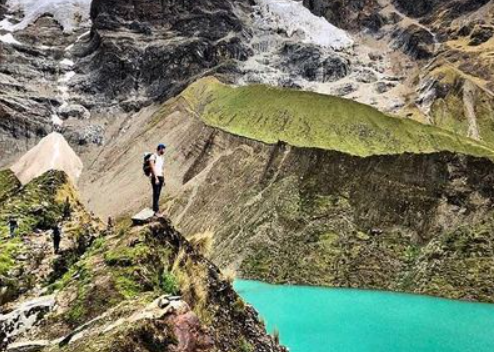
Salkantay Glacier & Lake
Why Choose This Trek?
The Salkantay Trek is considered one of the best hiking tours because it showcases the Andes’ most dramatic mountain scenery without requiring Inca Trail permits. Trekkers pass beneath Salkantay Mountain (20,574 feet) while crossing remote passes that reveal glacial lakes and snow-capped summits. The route descends from high-altitude wilderness into lush cloud forest, creating extreme ecosystem diversity. Traditional Andean villages offer authentic cultural encounters, while natural hot springs at Cocalmayo provide relaxation. The trek concludes at Machu Picchu with wilderness solitude and last-minute booking flexibility.
60 KM
Distance
5 days / 4 nights
Duration
Challenging
Difficulty
4,650 m
Elevation
$ 1100 USD Per Person
Price range
8–18 participants
Group size
Lares Trek Packages
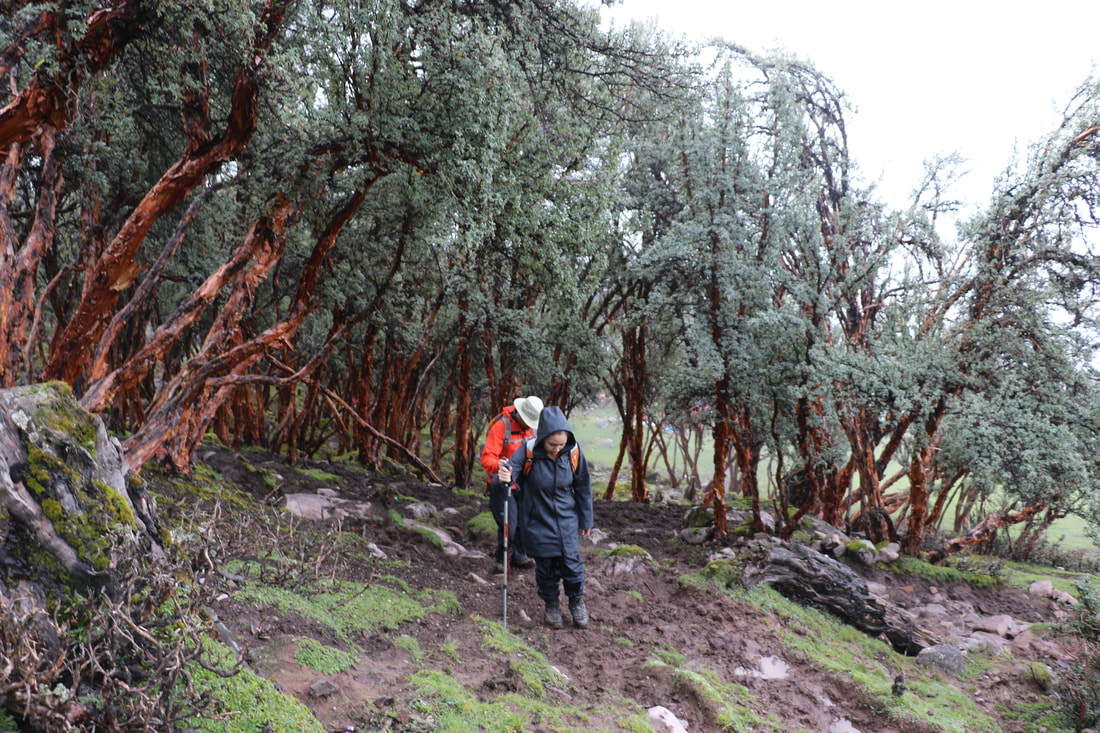
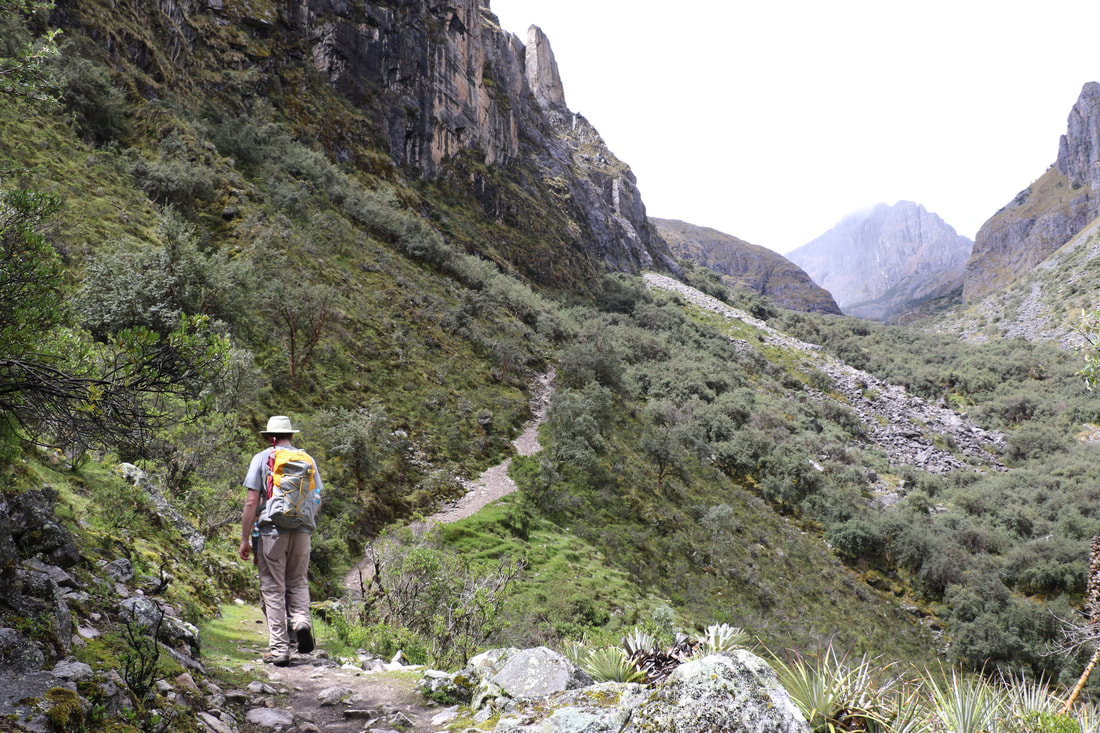
Lares Trek Packages present a culturally focused trekking experience that routes through remote Andean villages, high mountain passes, and natural hot springs before connecting to Machu Picchu by rail. The route emphasizes living Andean traditions, pastoral landscapes, and community interaction rather than concentrated archaeological sites. Trek highlights center on traditional villages, terraced valleys, and geothermal hot springs. The immersive experience positions Lares Trek trail tours as a preferred option for travelers prioritizing cultural exposure, moderate physical challenge, and relaxation alongside mountain scenery.
Lares Hot Springs
Why Choose This Trek?
The Lares Trek is considered one of the best hiking tours because it prioritizes cultural immersion and authentic Andean village experiences. Trekkers visit remote communities where Quechua-speaking families maintain traditional weaving techniques and agricultural methods. The route crosses high mountain passes with views of snow-capped peaks while visiting natural hot springs. Encounters with llama and alpaca herders offer insights into pastoral lifestyles. The trail avoids tourist crowds, creating peaceful wilderness experiences before concluding with a train ride to Aguas Calientes and a guided Machu Picchu tour.
33 KM
Distance
3 days / 2 nights or 4 days / 3 nights
Duration
Moderate
Difficulty
4,400 m
Max Elevation
$1100 to $2200
Price range
8–16 participants
Group size
Short Inca Trail Packages
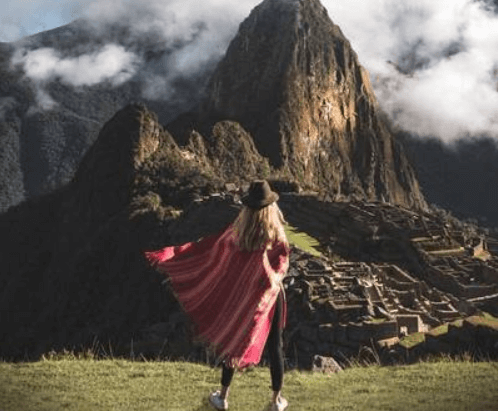
Short Inca Trail Packages present a condensed trekking experience that follows a preserved section of the original Inca Trail, combining archaeological landmarks and mountain scenery with a direct approach to Machu Picchu through the Sun Gate. The route focuses on high-impact cultural sites and original stone pathways within a shorter timeframe, emphasizing historical depth rather than extended physical endurance. Trek highlights feature Wiñay Wayna ruins, cloud forest terrain, and a ceremonial arrival at Machu Picchu. Travelers seeking authentic Inca heritage with limited trekking days find a short Inca Trail tour a practical option.
Why Choose This Trek?
The Short Inca Trail is considered one of the best hiking tours because it delivers the authentic Sun Gate entrance to Machu Picchu within a condensed timeframe. Trekkers experience the ceremonial arrival at Inti Punku after hiking through cloud forest and visiting Wiñay Wayna. The two-day format suits travelers with limited vacation time or moderate fitness levels. The route follows original stone pathways without requiring multiple days of camping. Permits remain available closer to departure dates, and Aguas Calientes accommodations replace camping while maintaining the authentic Sun Gate entrance.
12 KM
Distance
2 days / 1 night
Duration
Moderate
Difficulty
2,720 m
Elevation
$590 to $1400
Price range
8–16 participants
Group size
Combined Sacred Valley Packages
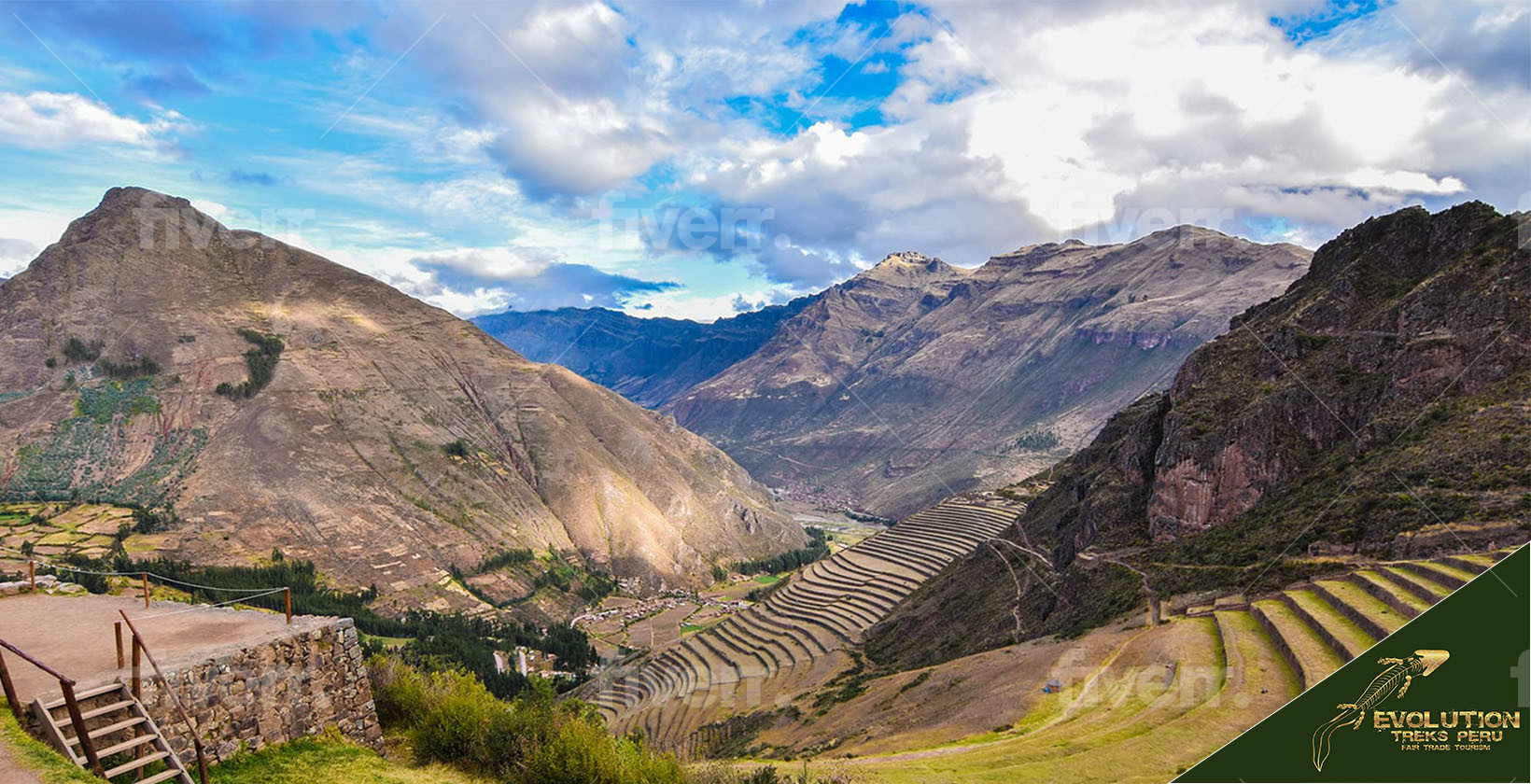
Combined Sacred Valley Packages present a comprehensive travel experience that integrates guided Sacred Valley exploration with a structured route to Machu Picchu by train or short hike. The itinerary emphasizes cultural landmarks, agricultural terraces, and historic towns while maintaining a balanced pace that suits travelers seeking depth without multi-day high-altitude trekking. The package highlights the Pisac terraces, Ollantaytambo fortress, Moray agricultural circles, and seamless logistics to Machu Picchu. Trekkers looking for a value-focused option for cultural immersion and comfort-oriented travel find the combined Sacred Valley trail tour suitable for their tastes.
Why Choose This Trek?
Combined Sacred Valley packages are considered among the best hiking tours because they merge multiple archaeological sites and trekking experiences into comprehensive Andean journeys. Travelers explore major ruins (Pisac, Ollantaytambo, Moray, Maras salt mines) before beginning multi-day treks, creating historical context. Acclimatization days in the Sacred Valley prepare trekkers for high-altitude sections, reducing altitude sickness risks. The itineraries mix moderate day hikes with extended trekking, accommodating varying fitness levels. The culmination at Machu Picchu transforms the ancient citadel into a meaningful finale rather than an isolated destination.
Variable by itinerary
Distance
3 days / 2 nights to 5 days / 4 nights
Duration
Easy to moderate
Difficulty
Up to 3,762 m
Elevation
$120 per person
Price range
8–20 participants
Group size
Our Best Machu Picchu Hikes Packages
Our best Machu Picchu Hikes Packages bring together guided trekking routes that combine Inca history, Andean landscapes, and structured access to Machu Picchu. Each package focuses on certified guides, regulated trails, and balanced itineraries. Hikers explore archaeological sites and high-altitude scenery in the Machu Picchu complex.
Classic Inca Trail Packages
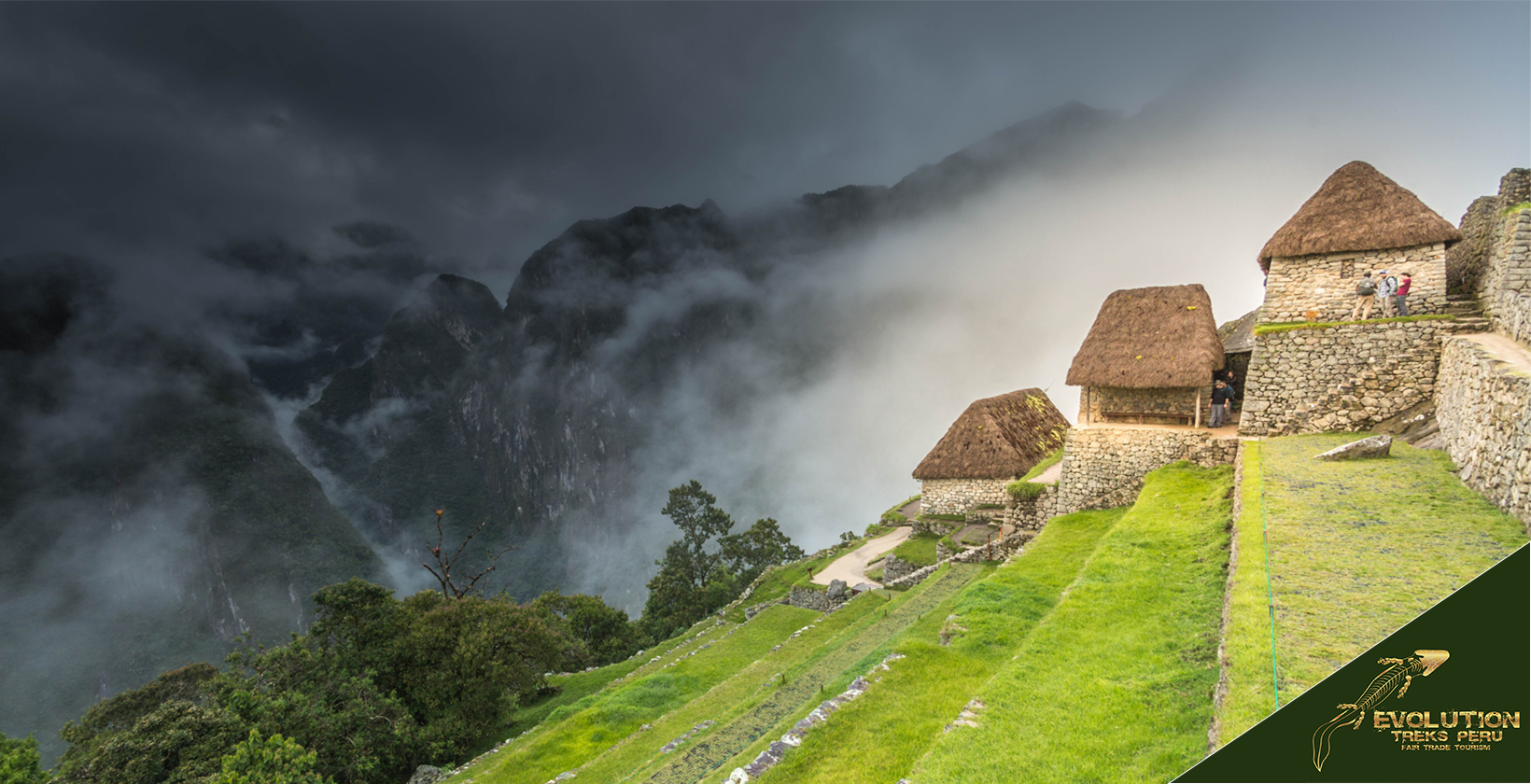
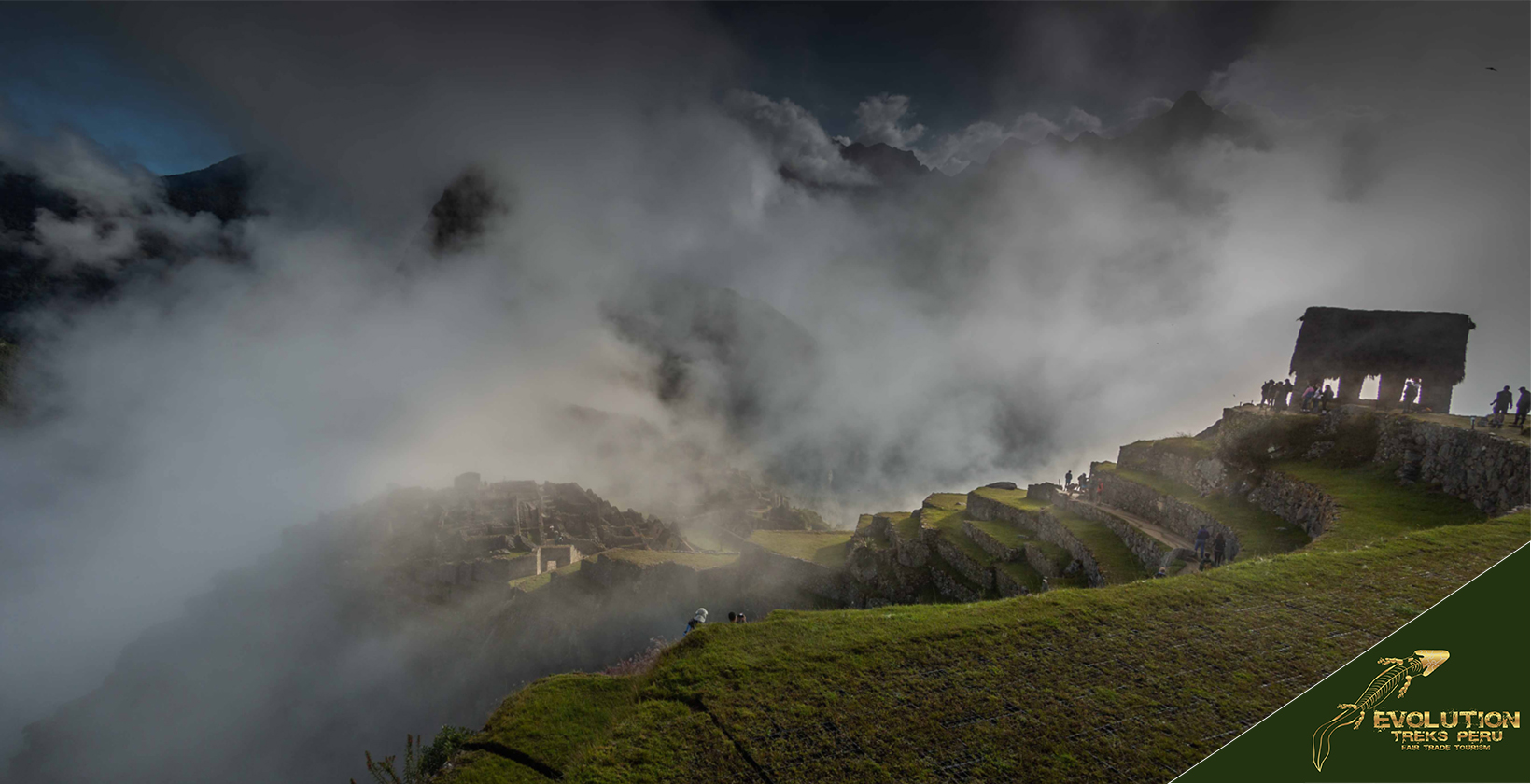
The classic Inca Trail hiking tour represents one of the most celebrated trekking routes in the Andes due to direct access to original Inca stone pathways, dense archaeological sites, and a ceremonial arrival at Machu Picchu through the Sun Gate. The route combines cultural depth, regulated preservation, and dramatic landscape transitions from high mountain passes to cloud forest, establishing a benchmark for historically significant trekking experiences. Structured daily stages, limited permits, and professional guide requirements reinforce quality and exclusivity. The highlights position the route among the finest long-distance hikes in South America, with strong demand for classic Inca Trail hiking tour experiences.
Inca Trail
Why Choose This Hike?
The Classic Inca Trail is considered one of the best hiking tours because it follows the authentic ceremonial route that Incan nobles used to reach Machu Picchu through the Sun Gate. Trekkers walk on original 15th-century stone pathways while passing through exceptional archaeological sites (Llactapata, Runcuracay, Sayacmarca, Wiñay Wayna) that reveal the empire’s architectural mastery. The diverse landscapes transition from subtropical valleys to alpine tundra to cloud forests, creating dramatic scenery throughout the journey. Limited daily permits (only 500 persons per day) ensure an exclusive experience and preserve the trail’s UNESCO World Heritage status.
42 KM
Distance
4 days / 3 nights
Duration
Moderate to challenging
Difficulty
4,215 m
Elevation
$ 990 USD Per Person
Price range
Salkantay Trek Packages
The Salkantay Trek hiking tour delivers a high-altitude Andean trekking experience recognized for dramatic mountain scenery, glacial landscapes, and physical challenge rather than archaeological density. The route crosses remote alpine terrain beneath Salkantay Mountain, passes turquoise glacial lakes, and transitions into lower valleys near Machu Picchu, creating a strong visual contrast and wilderness immersion. Fewer permit restrictions, wider trail access, and varied terrain profiles position the trek as a leading alternative to the Classic Inca Trail. Trekkers seeking scale, elevation, and raw mountain environments near the end of the journey look forward to the Salkantay Trek hiking tour experiences.
Salkantay Glacier & Lake
Why Choose This Hike?
The Salkantay Trek is considered one of the best hiking tours because it showcases the Andes’ most dramatic mountain scenery without requiring advance Inca Trail permits. Trekkers pass beneath Salkantay Mountain (20,574 feet), one of the highest peaks in the Cusco region, while crossing remote passes that reveal pristine glacial lakes and snow-capped summits. The route descends from high-altitude wilderness into lush cloud forest, creating extreme ecosystem diversity. Traditional Andean villages offer authentic cultural encounters, while natural hot springs provide relaxation after demanding mountain sections. The trek delivers wilderness solitude and last-minute booking flexibility.
60 KM
Distance
5 Days / 4 nights
Duration
Challenging
Difficulty
4,650 m
Elevation
$ 1400 USD Per Person
Price range
Lares Trek Packages
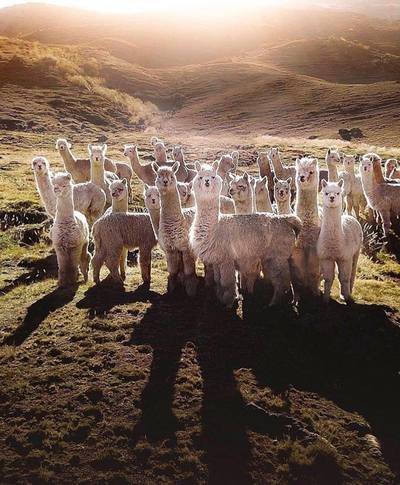
The Lares Trek hiking tour delivers a culturally focused Andean trekking experience recognized for remote mountain landscapes, traditional highland villages, and natural hot springs rather than extensive archaeological complexes. The route crosses quiet alpine valleys, ascends high passes with sweeping mountain views, and descends into pastoral communities where Quechua traditions remain active. Thermal hot springs along the trail provide natural recovery points that distinguish the experience from more physically intense routes. Flexible routing options, lighter permit requirements, and strong cultural immersion position the Lares Trek as a favored alternative to busier routes leading toward Machu Picchu. Travelers seeking cultural connection, scenic solitude, and balanced physical demands value the Lares Trek hiking tour experience highly.
Lares Hot Springs
Why Choose This Hike?
The Lares Trek is considered one of the best hiking tours because it prioritizes cultural immersion through authentic Andean village experiences. Trekkers visit remote communities where Quechua-speaking families maintain traditional weaving techniques and agricultural methods passed down through generations. The route crosses high mountain passes with views of snow-capped peaks (Sawasiray, Pitusiray) while visiting therapeutic natural hot springs. Encounters with llama and alpaca herders offer insights into pastoral lifestyles that have sustained mountain communities for centuries. The trail avoids tourist crowds, creating peaceful wilderness experiences before concluding at Machu Picchu.
33 KM
Distance
3 to 4 Days
Duration
Moderate
Difficulty
4,400 m
Elevation
$705 to $1600
Price range
Short Inca Trail Packages
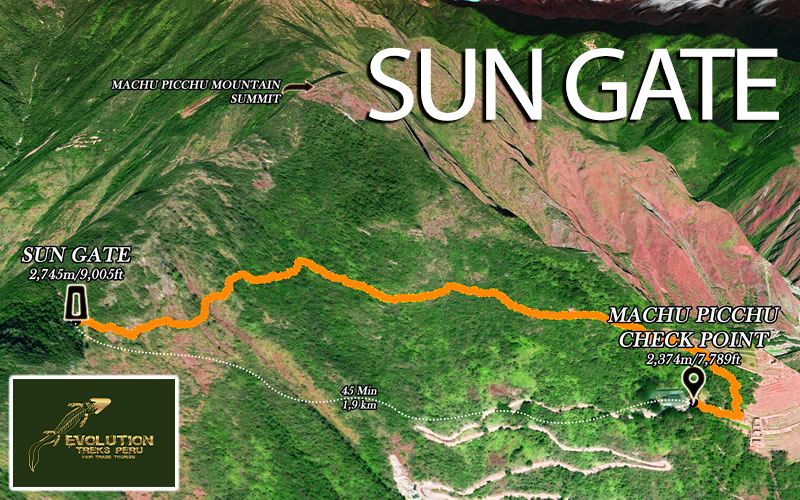
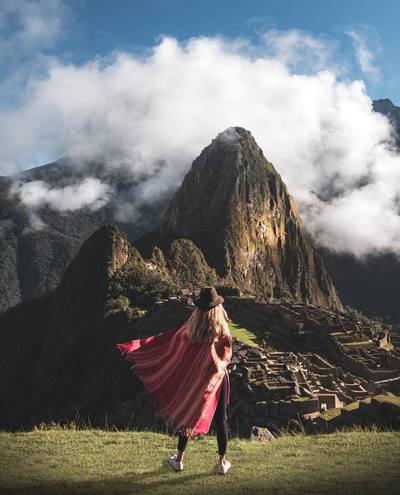
The short Inca Trail hiking tour delivers a condensed trekking experience that preserves the cultural and historical depth of the original Inca route while fitting a limited travel schedule. The trail follows authentic stone pathways through cloud forest terrain, linking significant archaeological sites that culminate in a ceremonial entrance to Machu Picchu through the Sun Gate. Highlighted locations are the Wiñay Wayna terraces and preserved Inca infrastructure that reflect imperial engineering and ritual travel patterns. Short duration, regulated permits, and direct access to Machu Picchu distinguish the route from alternative approaches that rely on rail-only access. Travelers seeking historical immersion, manageable physical demands, and an official Inca Trail experience consistently value the short Inca Trail hiking tour.
Sun Gate Arrival
Why Choose This Hike?
The Short Inca Trail is considered one of the best hiking tours because it delivers the authentic Sun Gate entrance to Machu Picchu within a condensed two-day timeframe. Trekkers walk on original stone pathways through cloud forest while visiting Wiñay Wayna, one of the trail’s most impressive archaeological sites. The format suits travelers with limited vacation time or moderate fitness levels who still want the ceremonial Inti Punku arrival experience. Permits remain available closer to departure dates compared to the classic four-day route. Aguas Calientes accommodations replace camping while maintaining the authentic trekking experience and prestigious Sun Gate entrance.
12 KM
Distance
2 Days
Duration
Moderate
Difficulty
2,700 m
Elevation
$ 590 USD Per Person
Price range
Huayna Picchu Hike Packages
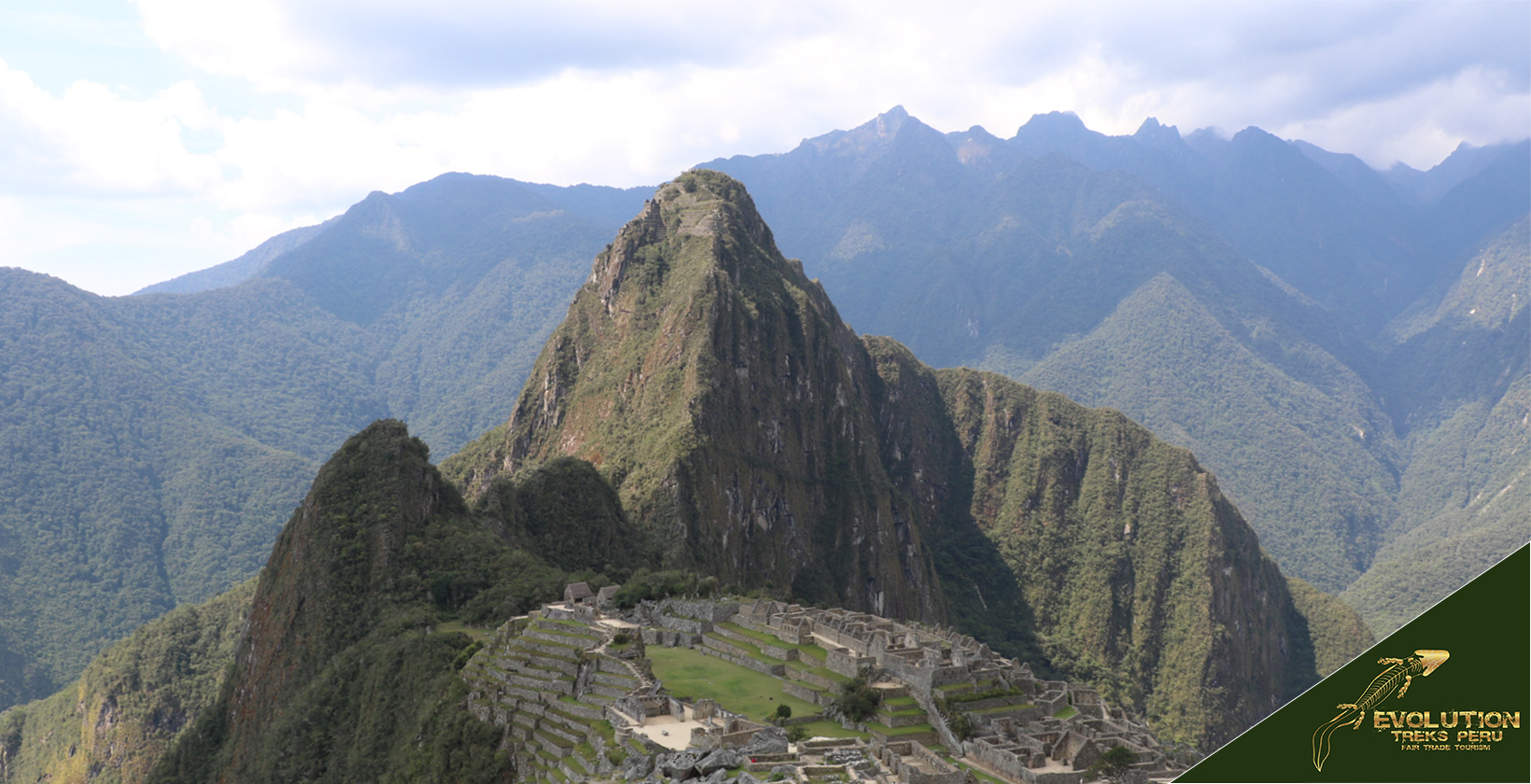
Huayna Picchu Hiking Tours present a steep, short-duration ascent that rises directly above Machu Picchu, delivering elevated panoramic views of the citadel, surrounding valleys, and the Urubamba River. The route emphasizes vertical climbing, narrow stone staircases, and exposed ridge paths rather than long-distance trekking or extended camping. The physical intensity concentrates into a brief but demanding climb. Travelers seeking adrenaline-focused elevation gain and iconic aerial perspectives over multi-day endurance routes or expansive landscapes prefer Huayna Picchu hiking tours as an option.
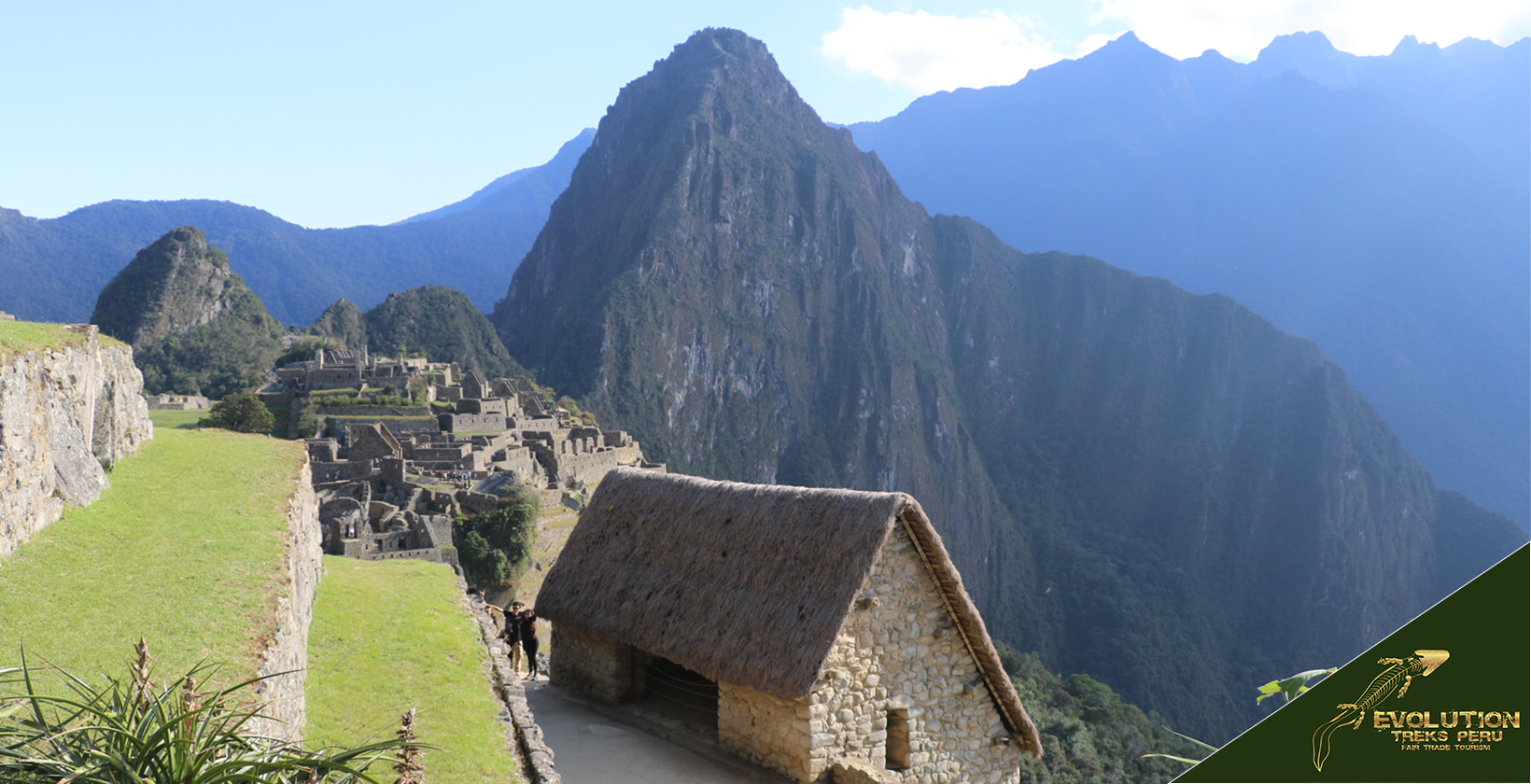
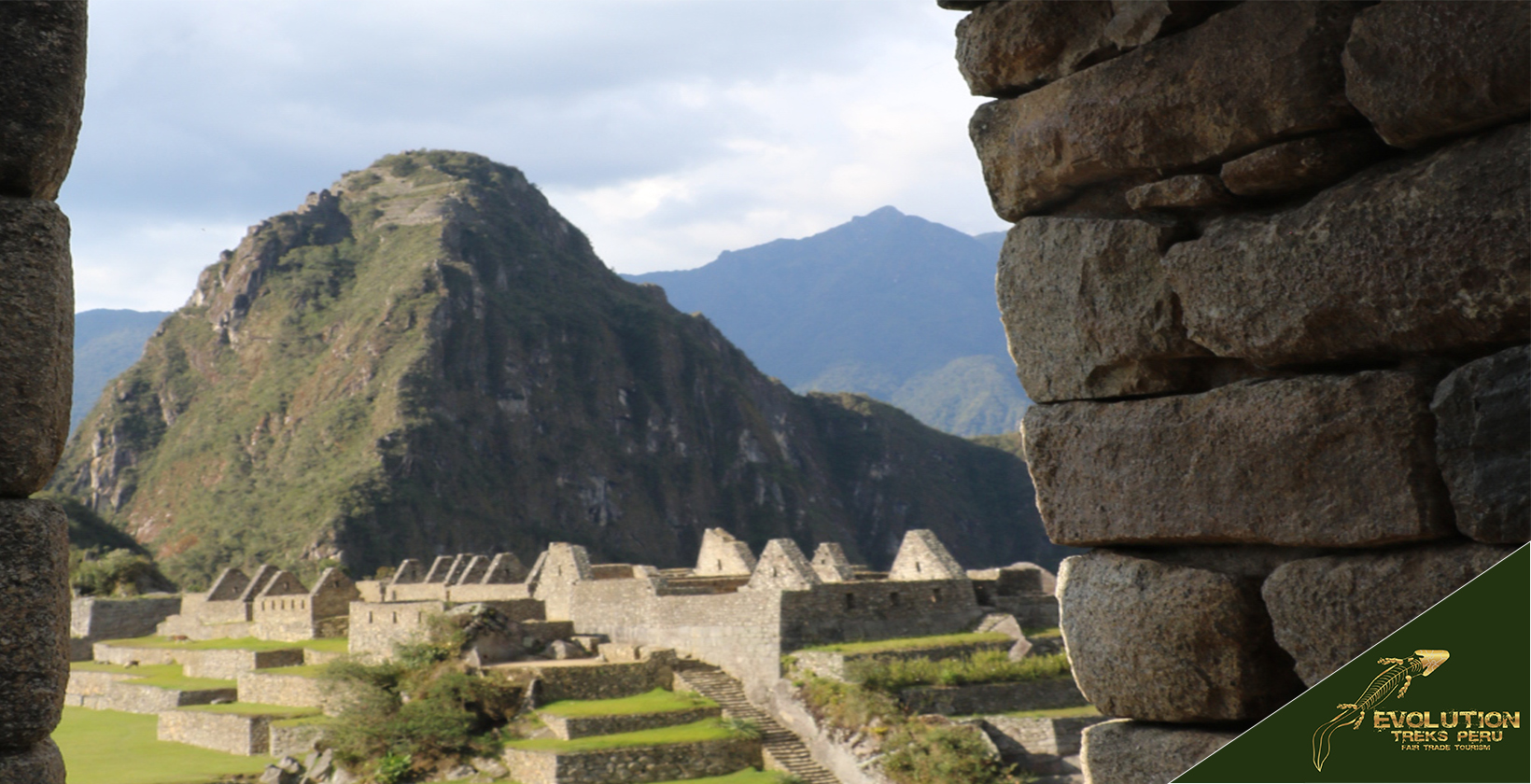
Huayna Picchu
Why Choose This Hike?
The Huayna Picchu Hike is considered one of the best hiking tours because it offers the most iconic aerial perspective of Machu Picchu from the peak that appears in classic photographs. Trekkers ascend steep stone staircases built by the Incas along dramatic cliff faces, reaching the summit at 8,835 feet for breathtaking 360-degree views. The route passes through the Temple of the Moon, a sacred cave complex with intricate stonework hidden on the mountain’s back side. The challenging 2-3 hour climb rewards hikers with unmatched photo opportunities and a bird’s-eye view of the ancient citadel below. Limited daily permits (only 200 persons per day) create an exclusive experience within Machu Picchu itself.
2 Km
Distance
2 to 3 hours
Duration
Strenuous
Difficulty
2,720 meters
Maximum elevation
$70 to $150
Price range
Machu Picchu Mountain Hike Packages
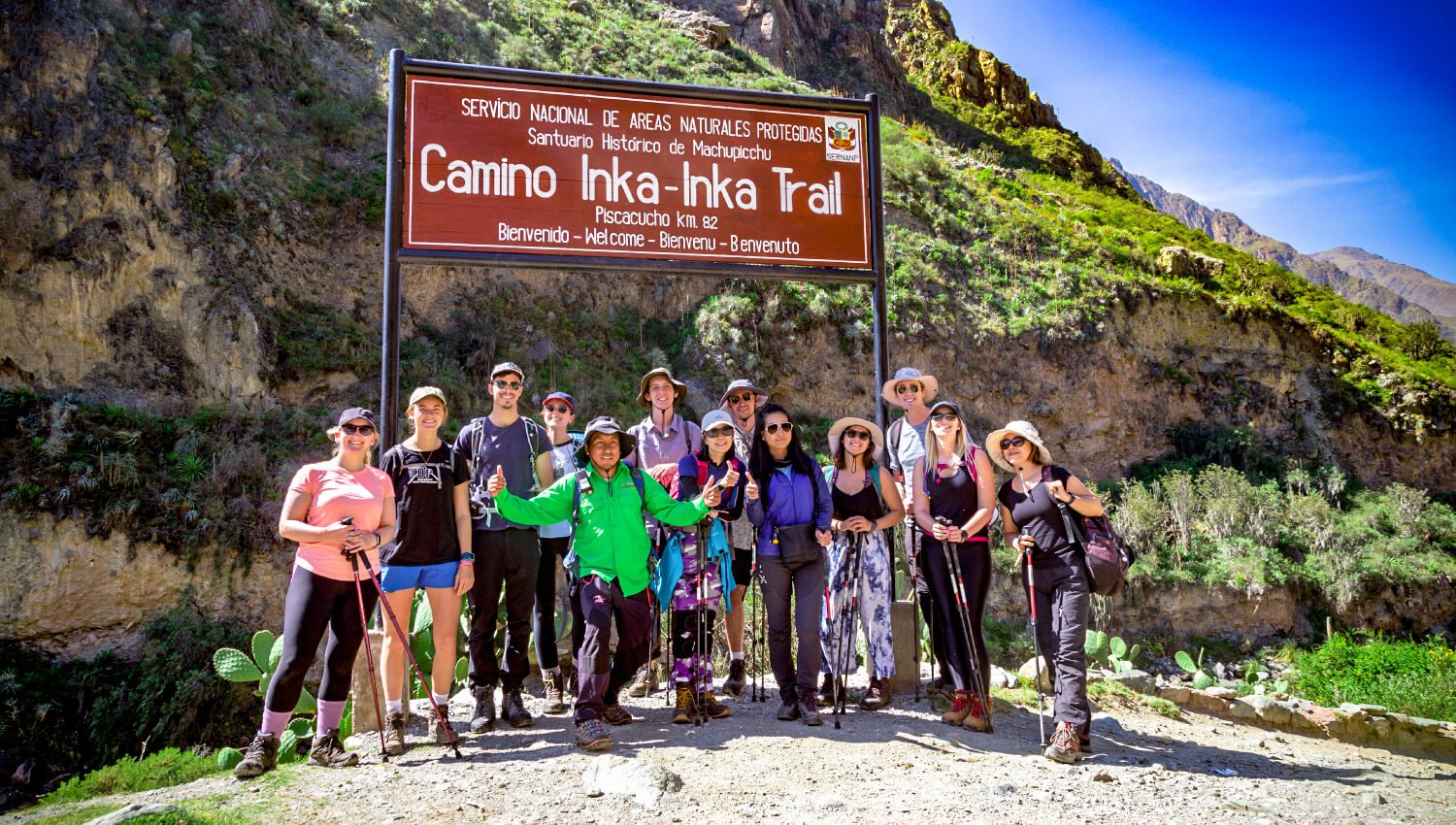
The Machu Picchu Mountain Hike Tour delivers a high-altitude summit experience defined by panoramic views, controlled access, and direct exploration above the Machu Picchu citadel rather than multi-day trail travel. The route follows a steep, stone-step ascent from the archaeological complex to one of the highest viewpoints in the area, rewarding hikers with expansive visibility across the Urubamba Valley and surrounding Andean peaks.
The physical intensity concentrates into a single climb that emphasizes elevation gain, leg strength, and cardiovascular endurance rather than extended distance. Regulated entry limits crowd density and preserves trail conditions, creating a focused hiking experience that prioritizes scenery, altitude challenge, and a clear visual perspective of Machu Picchu. Travelers seeking a demanding day hike with unmatched viewpoints and minimal logistical complexity find the Machu Picchu Mountain hiking tour suited for their preferences.
Why Choose This Hike?
The Machu Picchu Mountain Hike is considered one of the best hiking tours because it provides a higher vantage point (10,111 feet) than Huayna Picchu with less crowded trails and gentler slopes. Trekkers gain panoramic views of the entire Machu Picchu complex, surrounding valleys, and the Urubamba River winding through the mountains below. The wider pathways and gradual ascent make the route accessible for hikers who want spectacular views without navigating narrow cliff-edge staircases. The 3-4 hour round trip offers extended time at elevation for photography and contemplation. Daily permits (800 persons) provide better availability than Huayna Picchu while maintaining an intimate mountain experience.
4 km
Distance
1 day
Duration
Challenging
Difficulty
3,082 m
Elevation
$70 to $150
Price range
Best Inca Trail Tours Operators and Guide Reviews
The best Inca Trail Tours Operators and Guide
reviews present verified insights into licensed operators, certified guides, safety records, and
trail expertise across the Inca Trail corridor. Each review focus on permit handling, pacing
standards, archaeological interpretation quality, and logistical reliability to support informed
tour selection..
Alpaca Expeditions
Alpaca Expeditions operates as a top-ranked trekking and tour provider based in Cusco with widespread recognition for service quality and guided experiences on the Inca Trail and related routes. A strong reputation through guest feedback across major travel portals and numerous awards have made Alpaca Expeditions one of the most popular Inca trail providers.
Key Advantages
Locally owned
The company operates with deep regional expertise rooted in Andean culture.
Structured logistics
Alpaca Expeditions offers quality camping gear, meals, portable toilets, and satellite phones on the trail.
Recognized sustainability focus
The company ensures porter welfare initiatives and continued community engagement.
TreXperience
TreXperience operates as a Cusco-based Inca Trail tour operator known for structured logistics, experienced guide teams, and consistent service standards across regulated trekking routes. The safety-focused approach to traveling the Inca Trail makes TreXperience one of the notable operators in the industry.
Key Advantages
Local Cusco-based operation
TreXperience offers direct trail and permit expertise for travelers.
Multiple Inca Trail itinerary options
The company offers options ranging from short routes to extended treks.
Professional guides
The company’s guides have deep archaeological and cultural knowledge of the trail.
Small-group departures
Travelers enjoy better pacing control and personalized guidance.
Organized logistics
TreXPerience delivers extensive porter services, campsite coordination, and high-altitude meal planning for trekkers.
Llama Path
Llama Path is a well-established tour operator specializing in guided treks to Machu Picchu via the Inca Trail with a strong reputation for responsible tourism and personalized service. Llama Path has operated for over 15 years and has built a foundation focused on porter welfare, sustainable practices, and small group sizes. The emphasis on reducing environmental impact and improving trail experience has made Llama Path notable for nature-loving travelers.
Key Advantages
Long-standing operational experience
The company has multi-day treks on the Inca Trail for 15 years.
Strong commitment to sustainable tourism
Llama Path puts a strong focus on creating ethical porter support programs.
Small group sizes
The small tour groups improve personalized guidance and reduce impact on trail environments.
High-quality meal preparation and logistical support
Llama Path ensures full traveler support even in remote campsite conditions.
A Variety of trek options
The company delivers extensive options from the classic trail to alternative routes
Wayki Trek
Wayki Trek is a long-established tour operator based in Cusco with nearly three decades of experience organizing Inca Trail and related trekking experiences. The company emphasizes small group sizes, local cultural engagement, sustainable practices, and comprehensive logistics (guides, porters, meals, camping equipment). Immersive journeys into Andean landscapes and heritage are the trademarks of Wayki Trek.
Key Advantages
Deep operational history
The company has delivered extensive Inca Trail tours since 1998 with locally rooted management and guides.
Small group sizes
Wayk Trek’s focus on small group travel promotes personalized guidance and trail pacing.
Commitment to sustainable and community-inclusive practices
The company has a strong commitment to ensuring that its tours are within sustainable tourism guidelines.
Culinary offerings that reflect regional cuisine and dietary needs
WaykiTrek sources ingredients locally to provide travelers with authentic regional cuisine.
Multiple trek format options
The company’s repertoire covers different Inca Trail types (classic, Salkantay, Lares) and extended Peru tours.
Inkayni Peru Tours
Inkayni Peru Tours is a Cusco-based tour operator with more than a decade of experience organizing Inca Trail and Machu Picchu trekking experiences. The company emphasizes small group travel, locally trained guides, cultural interpretation, and fully coordinated logistics that cover permits, porters, meals, camping equipment, and transportation. Immersive trekking routes combined with structured planning and cultural context define the Inkayni Peru Tours approach to Andean travel.
Key Advantages
Local guiding expertise
The company operates with licensed Peruvian guides who deliver historical context, route knowledge, and on-trail leadership across every stage of the Inca Trail.
Small group structure
Inkayni Peru Tours limits group sizes to maintain controlled pacing, guide accessibility, and consistent campsite organization.
Strong logistical coordination
The operator manages permits, porter assignments, meals, equipment, and transfers through a single itinerary structure that reduces operational friction.
Cultural and environmental responsibility
Inkayni Peru Tours applies regulated porter welfare standards and follows conservation guidelines set by Peruvian trail authorities.
Flexible trek formats
The company offers classic four-day routes, short Inca Trail options, and extended itineraries paired with Sacred Valley and Cusco visits.
Tierras Vivas
Tierras Vivas is an established tour operator based in Cusco with more than fifteen years of experience organizing the Inca Trail and alternative trekking routes across southern Peru. The company emphasizes small group travel, professional local guides, ethical porter treatment, and end-to-end logistics that cover permits, meals, camping equipment, porters, and transportation. Carefully structured itineraries combined with cultural interpretation and operational reliability define the Tierras Vivas trekking experience.
Key Advantages
Established operational experience
The company has delivered Inca Trail and alternative treks since 2007 with locally managed teams and licensed guides.
Small group organization
Tierras Vivas maintains controlled group sizes to support consistent pacing, guide accessibility, and organize campsites.
Strong focus on responsible trekking
The company follows porter welfare regulations and environmental standards set by Peruvian authorities.
Structured meal planning
Tierras Vivas provides balanced meals prepared on the trail, with attention to dietary requirements and energy needs.
Wide range of trekking options
The company offers classic Inca Trail routes, Salkantay Trek, Lares Trek, Jungle Trek, and extended Peru travel programs.
Enigma Adventure
Enigma Adventures is a Cusco-based tour operator recognized for delivering structured, experience-driven Inca Trail and Andean trekking programs. The company focuses on small group expeditions, experienced local guides, and tightly managed logistics that cover permits, porters, meals, and camping equipment. Cultural interpretation, trail safety, and consistent service standards define Enigma Adventures’ approach to trekking across historic Andean routes.
Key Advantages
Permit management and departure reliability
The company maintains consistent access to official Inca Trail permits and adheres to fixed departure schedules that reduce last-minute itinerary changes.
Guide to Porter Coordination Standards
Trail teams operate under clear role assignments that support efficient load handling, campsite organization, and smooth daily transitions.
Structured altitude progression planning
Daily trekking segments follow elevation profiles designed to support physical adaptation and sustained performance across high-altitude sections.
Equipment quality control
Camping gear, dining setups, and safety equipment follow standardized inspection routines before each departure to maintain reliability on the trail.
Clear pre-trek briefing and preparation process
Participants receive detailed orientation covering trail conditions, daily routines, and cultural expectations before departure, supporting preparedness and group cohesion.
Inca Trail Tours and Machu Picchu Hikes FAQs
The main highlights of the Inca Trail Tour are listed below.
- Ancient Inca Stone Pathways: Original stone roads built by the Inca civilization form the trekking route and demonstrate advanced construction across steep Andean terrain.
- High Mountain Passes: Dead Woman’s Pass stands as the highest point of the trek and delivers wide Andean views while demanding sustained physical effort.
- Archaeological Ruins Along the Route: Prominent Inca sites (Wiñay Wayna, Runkurakay, Sayacmarca) appear throughout the trail and provide historical context before reaching Machu Picchu.
- Cloud Forest and Andean Ecosystems: Shifting ecological zones along the trail feature orchids, native fauna, and marked climate transitions tied to elevation changes.
- Sun Gate Arrival at Machu Picchu: Inti Punku functions as the ceremonial entrance where hikers observe the first full view of Machu Picchu.
- Guided Cultural Interpretation: Licensed guides deliver detailed explanations of Inca history, engineering methods, and spiritual significance at each site.
- Permit-Controlled Access: Daily permit limits regulate trail use, protect archaeological features, and preserve a controlled trekking environment.
- Culmination at Machu Picchu Citadel: The route ends at Machu Picchu, a UNESCO World Heritage Site recognized for architectural precision and historical value.
The most iconic viewpoints on the Inca Trail are listed below.
- Inti Punku (Sun Gate): Inti Punku functions as the ceremonial gateway to Machu Picchu and delivers the first elevated panoramic view of the citadel during early morning arrival.
- Dead Woman’s Pass (Warmiwañusca): Dead Woman’s Pass marks the highest elevation on the Inca Trail. The pass presents expansive views of Andean peaks, glacial valleys, and high-altitude terrain.
- Wiñay Wayna Terraces: Wiñay Wayna Terraces overlook steep mountain slopes covered with agricultural platforms and cascading water channels. The terraces reflect advanced Inca land management.
- Phuyupatamarca (Town Above the Clouds): Phuyupatamarca rises above cloud layers and offers wide views across mountain ridges and river systems. The ruins demonstrate strategic Inca site placement.
- Runkurakay Pass: Runkurakay Pass frames circular stone ruins against surrounding mountains and reveals the defensive and logistical importance of elevation control along the route.
- Sayacmarca Overlook: Sayacmarca Overlook provides a commanding perspective over narrow ridgelines and steep drops that highlight the engineered precision of Inca trail construction leading toward Machu Picchu.
The cultural highlights travelers experience on the Inca Trail are listed below.
- Inca Engineering and Stonework: Advanced road construction, drainage control, and precisely fitted stone masonry demonstrate technical mastery that supported long-distance movement across steep Andean terrain.
- Sacred Archaeological Sites: Preserved ruins positioned along the route display ceremonial, residential, and administrative functions through layouts connected to spiritual and civic use (Wiñay Wayna, Intipata, Runkurakay).
- Spiritual Pathways and Ritual Use: Alignment of the trail with mountains, water sources, and solar markers reflects Inca cosmology and ritual practice embedded into the travel route.
- Agricultural Terraces and Food Systems: Terraced landscapes carved into mountain slopes demonstrate altitude-based farming systems that sustained large populations through controlled cultivation.
- Quechua Cultural Legacy: Living traditions expressed through language, guiding knowledge, and oral history reflect the continuity of Andean heritage maintained by local communities.
- Sun Gate Arrival Tradition: A ceremonial approach into Machu Picchu occurs at the Sun Gate, reinforcing a symbolic transition from the Andes into a sacred urban center.
- Imperial Communication Network: Trail nodes positioned along the route illustrate the state-run system that supported messengers and administrative coordination across the Inca Empire.
The cultural experiences you can expect on Inca Peru travel are listed below.
- Inca Archaeology: Preserved stone structures, ceremonial centers, and engineered road systems demonstrate the architectural knowledge and spiritual priorities of the Inca civilization.
- Andean Traditions: Daily life within Quechua communities reflects long-standing customs tied to family structure, clothing production, and communal responsibility.
- Spiritual Beliefs: Ritual practices express respect for Pachamama and mountain deities through offerings, storytelling, and ceremonial acts guided by ancestral belief systems.
- Traditional Cuisine: Regional meals rely on native crops and heritage preparation methods (quinoa-based dishes, earth-oven cooking) to create an authentic dining experience.
- Indigenous Language: Quechua words and place names communicate historical meaning, social values, and cultural continuity across generations.
- Agricultural Practices: Terraced fields, irrigation channels, and crop diversification display adaptation to high-altitude environments through inherited farming knowledge.
- Festivals and Music: Seasonal celebrations feature symbolic dances, traditional instruments, and performances connected to agricultural cycles and religious observance.
- Local Craftsmanship: Handwoven textiles and symbolic patterns represent identity, social status, and historical narratives preserved through artisan techniques.
The top sights on Machu Picchu tours in Peru are listed below.
- Intihuatana Stone: An intentionally carved granite pillar reflects Inca solar observation practices, ceremonial timekeeping, and cosmological symbolism.
- Temple of the Sun: Precision stone masonry forms a curved sanctuary dedicated to solar worship, ritual ceremonies, and seasonal alignment.
- Temple of the Three Windows: Three trapezoidal openings define a ceremonial structure associated with Inca origin myths and directional symbolism.
- Sacred Plaza: A broad ceremonial space links principal religious buildings and anchors the spiritual layout of the citadel.
- Sun Gate (Inti Punku): The original ceremonial access point frames a commanding vantage overlooking Machu Picchu and surrounding peaks.
- Agricultural Terraces: Stepped hillside fields demonstrate advanced Inca systems for crop cultivation, erosion control, and water regulation.
- Royal Tomb: A subterranean carved chamber beneath the Temple of the Sun reflects elite ritual significance and funerary purpose.
- Huayna Picchu: A steep mountain backdrop features narrow ascent routes, summit ruins, and panoramic views of the archaeological complex.
The natural highlights along the Inca Trail Route are listed below.
- High Andean Mountain Passes: Steep elevation changes create expansive views across rugged peaks and deep valleys. Thin air and exposed terrain define the physical intensity of each ascent.
- Cloud Forest Ecosystems: Dense vegetation forms under constant moisture and drifting mist. Orchids, mosses, and ferns dominate the landscape created by humid air rising from lower elevations.
- Subtropical Valleys: Warmer temperatures support thick plant growth and fertile soils. Visual contrast emerges as the alpine terrain transitions into greener valley environments.
- Stone Staircases and Terraces: Carved steps follow the natural mountain contours. The structural design reflects adaptation to steep slopes and long-term erosion patterns.
- Rivers and Waterfalls: Flowing water channels cut through narrow valleys and rocky corridors. Natural water sources shape resting areas and reinforce the trail’s connection to the surrounding terrain.
- Sun Gate Overlook: A high-elevation viewpoint presents the first panoramic sight of Machu Picchu. Surrounding peaks frame the citadel during the final approach.
- Biodiversity Zones: Shifting altitude levels support varied plant and wildlife populations. The ecological range spans multiple habitats (spectacled bear territories, hummingbird corridors).
- Granite Mountain Landscapes: Exposed rock formations dominate the skyline along extended sections of the route. Geological features reflect tectonic movement and prolonged natural weathering.
The wildlife highlights visitors may encounter on the Inca Trail are listed below.
- Andean Condor: The Andean condor is one of the largest flying birds in the world, observed gliding above high mountain ridges and deep Andean valleys.
- Spectacled Bear: The only bear species native to South America. The spectacled bear inhabits cloud forest zones along remote sections of the trail.
- Vicuña: A wild camelid found in high-altitude grasslands, historically valued by the Inca civilization for fine wool.
- Andean Fox: A medium-sized carnivore adapted to open terrain and forest edges, often active during early morning and late afternoon.
- Cock-of-the-Rock: The Cock-of-the-Rock is a brightly colored bird recognized for elaborate courtship displays within dense cloud forest habitats.
- Hummingbird: Different hummingbird species sword-billed hummingbird, giant hummingbird are found on the Inca trail. The birds display iridescent plumage and rapid wing movement near flowering plants across varied elevations.
- Butterfly Species: Diverse insects are present across multiple ecological zones, reflecting high biodiversity within the Andean corridor.
- Llama and Alpaca: Domesticated camelids are seen near rural settlements and grazing areas, representing long-standing Andean agricultural traditions connected to the trail.
The Key Landmarks on the Inca Trail Map are in the locations listed below.
- Km 82 Trailhead: Km 82 marks the official starting point near the Urubamba River, serving as the controlled access area for registered Inca Trail treks
- Llactapata: Llactapata sits on an elevated terrace above the Urubamba Valley, presenting the first major archaeological complex with agricultural terraces and stone structures.
- Dead Woman’s Pass (Warmiwañusca): Dead Woman’s Pass represents the highest elevation on the route, forming the most physically demanding section of the trail
- Runkurakay: Runkurakay appears as a circular stone structure positioned on a mountain slope, functioning historically as a resting and control point
- Sayacmarca: Sayacmarca occupies a dramatic ridge location, featuring narrow stairways, ceremonial spaces, and panoramic views of surrounding valleys
- Phuyupatamarca: Phuyupatamarca rests above cloud forest terrain, containing well-preserved fountains, terraces, and residential ruins
- Wiñay Wayna: Wiñay Wayna stands near the final campsite, recognized for extensive agricultural terraces and ceremonial architecture
- Inti Punku (Sun Gate): Inti Punku serves as the original ceremonial entrance to Machu Picchu, revealing the first elevated view of the citadel at sunrise
- Machu Picchu: Machu Picchu concludes the Inca Trail route, presenting the iconic archaeological sanctuary with temples, plazas, and residential sectors. The location provides a scenic end for the Inca Trail Map.
The key stops in the Inca Trail itinerary are listed below.
- Km 82 Trailhead: The official starting point near Ollantaytambo marks entry onto the protected Inca Trail route.
- Llactapata: An early archaeological site introduces Inca agricultural terraces and ceremonial structures within a river valley setting.
- Dead Woman’s Pass: The highest elevation point of the trek is at Dead Woman’s Pass. The pass challenges endurance and provides expansive Andean mountain views.
- Runkurakay: A circular stone ruin positioned on a mountain pass reflects Inca rest station design and route control.
- Sayacmarca: Sayacmarca is a strategically placed complex that showcases advanced stonework and urban planning along a steep ridge.
- Phuyupatamarca: Travelers ascend to a high-altitude site above the cloud layer that presents fountains, terraces, and panoramic viewpoints.
- Wiñay Wayna: Hikers visit a major terraced settlement near the end of the trail, which displays refined architecture and water channels.
- Inti Punku (Sun Gate): The ceremonial gateway delivers the first full view of Machu Picchu from the original Inca approach.
- Machu Picchu Citadel: The final destination stands as a preserved imperial site recognized for its historical, cultural, and architectural significance.
The daily activities included in the Inca Trail Itinerary are listed below.
- Trail Hiking: Guided daily walks follow original Inca stone paths across mountain passes, cloud forests, and valleys with sustained elevation gain
- Archaeological Site Exploration: Guided visits examine preserved Inca ruins along the route (Llactapata, Runkurakay, Phuyupatamarca) with historical explanation and cultural context
- High-Altitude Pass Ascents: Structured climbs reach major mountain passes, highlighted by Dead Woman’s Pass as the highest elevation point on the route
- Campsite Setup and Rest Periods: Scheduled stops at designated camps allow trekking teams to prepare shelters, serve meals, and support physical recovery after long hiking segments
- Cultural Interpretation Sessions: Licensed guides deliver explanations of Inca engineering, agriculture, astronomy, and trail design during rest periods and site visits
- Scenic Viewpoint Stops: Planned pauses at panoramic locations overlook valleys, rivers, and mountain ridges to support acclimatization and visual documentation
- Sun Gate Approach: The final ascent reaches Inti Punku and reveals the first elevated view of Machu Picchu before descent into the citadel area
- Citadel Guided Tour: The itinerary concludes with a structured exploration of Machu Picchu that explains architectural zones, ceremonial spaces, and historical significance
The main Landmarks visited on each day of the Inca Trail are listed below.
- Llactapata (Day 1): Terraced ruins and ceremonial foundations present early Inca settlement planning within an agricultural valley setting. Llactapata’s structural layout reflects land management practices tied to food production and regional control.
- Dead Woman’s Pass / Warmiwañusqa (Day 2): The highest elevation point on the route demonstrates Inca route engineering across extreme Andean terrain. Warmiwañusqa’s geographic position illustrates the physical demands placed on imperial messengers and travelers.
- Runkurakay, Sayacmarca, Phuyupatamarca (Day 3): Circular structures, cliffside settlements, and cloud-level complexes display military oversight, urban planning, and ceremonial architecture. Site sequence reflects administrative control paired with spiritual significance.
- Wiñay Wayna and Inti Punku (Day 4): Wiñay Wayna’s extensive agricultural terraces demonstrate advanced farming systems adapted to steep slopes. The Sun Gate marks the ceremonial entrance aligned with ritual arrival into Machu Picchu.
- Machu Picchu (Day 5): The citadel presents royal residences, temples, and civic plazas arranged with astronomical and spiritual intent. Architectural precision reflects the political authority and religious importance of the Inca Empire.
The morning and afternoon activities along the Inca Trail are listed below.
- Early Morning Wake-Up: Camp routines begin before sunrise to organize equipment, meals, and personal readiness. Guides outline route expectations and elevation changes during structured briefings
- Morning Hiking Segments: Trail progress concentrates on long ascents, stone staircases, and exposed mountain passes during cooler conditions. Physical effort during morning hours supports steady pacing and altitude management
- Archaeological Site Exploration: Scheduled stops introduce historical context, construction methods, and ceremonial purpose at Inca ruins along the route. Guided explanations connect site placement to geography and cosmology
- Midday Rest and Meals: Designated rest periods provide prepared meals and hydration at scenic or sheltered locations. The recovery time supports energy balance and physical stability for afternoon travel
- Afternoon Hiking Segments: Trail sections shift toward gradual descents, forest corridors, and changing ecological zones. The walking pace slows down to facilitate observation and terrain adaptation
- Cultural Interpretation Sessions: Guides deliver structured explanations of Inca history, spiritual beliefs, and land-use systems during lower-intensity trail periods. The storytelling reinforces cultural continuity and regional significance
- Campsite Arrival and Setup: Traveler arrival at campsites allows scheduled rest, equipment organization, and personal downtime. The support staff prepare sleeping areas and communal spaces for evening use
- Evening Briefings and Reflection: Daily summaries review distance covered, terrain completed, and notable landmarks. Guides present plans and expectations for the following stage of the trek
The expected hiking distances each day of the Inca Trail Itinerary are listed below.
- Day 1 (Cusco to Wayllabamba): The route covers 12 kilometers and introduces gradual elevation gain, river valleys, and early Inca archaeological sites
- Day 2 (Wayllabamba to Pacaymayo): Hikers travel 11 kilometers and ascend to Dead Woman’s Pass, marking the most physically demanding section of the itinerary
- Day 3 (Pacaymayo to Wiñay Wayna): The distance reaches 16 kilometers and passes stone staircases, cloud forest landscapes, and several preserved Inca ruins
- Day 4 (Wiñay Wayna to Machu Picchu): Hikers travel 5 kilometers for the final segment and go through the Sun Gate before entering Machu Picchu.
The services included in the Inca Trail Tour are listed below.
- Permits and Entrance Fees: Official Inca Trail permits and Machu Picchu entrance tickets are secured in advance to provide authorized access to restricted trail sections and archaeological sites
- Professional Tour Guide: Certified guides are assigned to lead the route, explain Inca history, manage safety protocols, and interpret cultural landmarks throughout the trek
- Transportation Services: Organized transfers cover travel between Cusco, designated trailheads, and return routes after completion of the hike
- Camping Equipment: Tents, sleeping mats, dining tents, and kitchen infrastructure are supplied for overnight stays at regulated campsites
- Meals During the Trek: The tour covers daily breakfast, lunch, and dinner prepared to support sustained energy levels during high-altitude hiking days.
- Porter Support: Licensed porter teams are responsible for transporting group equipment, camping gear, and cooking supplies within regulated weight limits
- Cook and Kitchen Staff: Dedicated cooking staff are assigned to meal preparation, food safety management, and campsite organization
- First Aid and Safety Equipment: Medical kits, oxygen supply, and emergency response resources are provided for altitude-related and trekking-related health needs.
- Train Ticket From Aguas Calientes: A return train service is arranged following the Machu Picchu visit to complete the travel route
- Hotel Stay in Aguas Calientes: A one-night accommodation is arranged to support rest before or after the Machu Picchu site visit.
The meals included during the Inca Trail hike are listed below.
- Breakfast: Morning meals provide sustained energy through items (eggs, oatmeal, fresh fruit, hot beverages) prepared by trekking cooks and served before daily hiking segments
- Lunch: Midday meals consist of freshly prepared dishes (soups, rice dishes, vegetables). served at designated rest points along the trail to support endurance during continued elevation
- Dinner: Evening meals feature multi-course preparations (soups, pasta, protein-based entrees) served at campsites. The meal focuses on recovery after long trekking days through warm and filling dishes.
- Snacks: Trail snacks (energy bars, fruit, nuts) supply quick energy during hiking hours through portable food options distributed between meals
- Special Dietary Meals: Pre-arranged dietary meals (vegetarian meals, vegan meals, gluten-free meals) address specific nutritional requirements through advanced coordination with trekking operators
The meals provided on the Peru luxury tours are listed below.
- Gourmet Breakfasts: Morning meals feature chef-prepared selections (fresh pastries, eggs, tropical fruits, specialty coffee) served at hotels, lodges, or onboard dining venues, focusing on balanced nutrition and regional ingredients
- Multi-Course Lunches: Midday dining consists of plated meals (Andean grains, locally sourced vegetables, seafood dishes) at scenic locations or partner restaurants, emphasizing Peruvian culinary traditions and refined presentation
- Fine-Dining Dinners: Evening meals consist of curated multi-course menus (tasting menus, signature Peruvian cuisine) prepared by professional chefs, often paired with regional wines and attentive table service.
- Trail or Excursion Meals: Guided excursions provide freshly prepared meals (hot lunches, plated camp meals) delivered with full service support, maintaining high standards of quality and hygiene outside urban settings
- Snacks and Refreshments: Daily itineraries cover scheduled snack service and beverages to maintain energy and comfort during tours (artisan snacks, fresh juices, bottled water
- Special Dietary Menus: Customized meal plans (vegetarian menus, vegan menus, gluten-free menus) address dietary requirements through advance planning with tour operators, ensuring consistency with luxury service standards.
The camping or accommodation inclusions on the Inca Trail are listed below.
- High-Quality Tents: Durable tents provide weather protection, stable ground insulation, and adequate interior space for rest after daily trekking stages
- Sleeping Systems: Sleeping bags and insulated sleeping pads support temperature regulation and recovery at high-altitude campsites.
- Designated Campsites: Authorized campsites along the route offer controlled access, fixed locations, and proximity to key trail segments and archaeological areas.
- Dining Tents and Camp Furniture: Separate dining tents with tables and seating create a structured space for meals and group interaction
- Sanitary Facilities: Portable toilets or maintained campsite restrooms support hygiene standards throughout the trek
- Porter Support Services: Porter teams manage the transportation of camping equipment, food supplies, and shared gear, reducing physical strain during the hike
- Hotel Accommodation After the Trek: Post-trek lodging near Machu Picchu provides private rooms, proper bedding, and bathroom facilities for recovery
The safety and support features included in the Inca Trail tour are listed below.
- Licensed Professional Guides: Certified guides lead the trekking route and maintain structured pacing across varied terrain. Guides provide historical interpretation and make immediate decisions during changing trail conditions.
- Trained Support Staff: Porters and cooks manage equipment transport, campsite organization, and food preparation throughout the trek. Support staff reduce physical load demands and maintain daily operational flow for the trek.
- First Aid Equipment: Comprehensive medical kits travel with each group to address altitude-related symptoms and minor injuries. Guides monitor health conditions using standardized safety protocols
- Emergency Oxygen Supply: Portable oxygen systems accompany the group at high-altitude sections of the trail. Oxygen availability supports stable breathing during elevation transitions.
- Satellite Communication Devices: Communication devices maintain constant contact with rescue services and local authorities. The equipment used supports rapid response during emergencies in remote sections.
- Designated Campsites: Authorized campsites provide regulated overnight locations along the trail. Campsite management supports environmental protection and controlled group spacing
- Permit and Checkpoint Monitoring: Official checkpoints verify permits and record daily group movement. Monitoring strengthens the route security and trail preservation
- Pre-Trek Safety Briefings: Orientation sessions explain route conditions, altitude awareness, and daily trekking structure. Briefings prepare participants for physical demands and safety expectations.
The entrance fees covered in the Inca Trail Package are listed below.
- Inca Trail Permit: An official government permit grants regulated access to the protected Inca Trail route and limits daily entries to preserve archaeological and environmental integrity
- Inca Trail Conservation Fee: Mandatory conservation charges support trail maintenance, waste management systems, and preservation of archaeological structures along the route.
- Archaeological Site Entrance Fees: Entrance access fees cover Inca ruins located along the trail corridor (Llactapata, Runkurakay, Phuyupatamarca, Wiñay Wayna) with controlled entry under national heritage regulations
- Machu Picchu Entrance Ticket: Official Machu Picchu admission tickets provide access to the citadel, designated circuits, and protected architectural zones under Peruvian cultural authority guidelines
- Sun Gate Access Fee: Authorized access covers the entry through Inti Punku, which serves as the ceremonial arrival point for Inca Trail hikers entering Machu Picchu.
The Inca Trail holiday packages that offer the best value are listed below.
- Classic 4-Day Guided Inca Trail Trek: A four-day guided trek delivers permits, professional guiding, meals, camping equipment, porter support, and regulated campsite access within a single price structure. The cost efficiency comes from inclusive logistics that remove separate booking expenses while preserving the full historical route experience.
- Short 2-Day Inca Trail Express Package: A two-day package focuses on priority landmarks and direct access to Machu Picchu through a condensed itinerary. The reduced trekking days lower the accommodation and staffing costs while maintaining entry through the official trail system
- Inca Trail and Sacred Valley Combination Package: A combined itinerary pairs the full trail hike with guided Sacred Valley exploration, Cusco transfers, and arranged accommodations. The value increases through bundled transportation and guided access that extends cultural exposure beyond the trail. The reasons position the package competitively for Inca Trail holidays
- Small-Group Premium Value Package: A small-group structure limits group size while retaining shared logistics, balancing personalized guiding with controlled pricing. The service quality remains high through experienced guides and porter ratios without shifting costs into private-tour pricing tiers.
The factors that determine the price of the Inca Trail Tour are listed below.
- Government Permit Fees: Official permits issued by Peruvian authorities represent a fixed cost required for trail access. Limited daily availability increases demand and directly influences tour pricing.
- Tour Duration: The route length determines the number of hiking days and nights on the trail. Longer itineraries require additional staffing, food supplies, and logistical planning.
- Group Size: Smaller groups receive higher guide-to-traveler ratios and personalized support. Reduced group capacity increases per-traveler operational costs
- Guide Experience and Certification: Licensed guides with extensive trail knowledge and historical training command higher professional rates. Advanced expertise improves safety standards and cultural interpretation quality
- Inclusions and Services: Tour packages differ based on items that are part of the itinerary (meals, camping equipment, porters). Expanded service coverage raises the tour value and price
- Porter Support: Porter allocation determines weight handling, camp setup, and food transport. Labor wages and regulated load limits affect the total tour expenses
- Accommodation Type: Camping quality varies by tent space, sleeping gear, and campsite amenities. Higher comfort standards increase equipment and transport costs
- Seasonal Demand: Peak trekking months (June, July, August) align with favorable weather and higher permit competition. Increased demand during peak seasons drives higher tour pricing.
- Company Standards and Ethics: Operators following fair labor practices and sustainable tourism policies incur higher operating costs. Ethical compliance supports workforce welfare and environmental protection.
The costs included in the Inca Trail price are listed below.
- Inca Trail Permit: The official government-issued permit grants regulated access to the protected trail and authorizes entry to Machu Picchu on the final day. Availability remains strictly limited by daily quotas enforced by Peruvian authorities
- Licensed Tour Guide: A certified guide leads the group along the trail and delivers a historical interpretation of the Inca sites encountered during the hike. Professional oversight maintains route coordination, safety standards, and schedule control
- Transportation: Ground transfers cover travel between Cusco, the designated trailhead, and post-trek return locations. Logistics planning removes the need for independent transport arrangements
- Camping Equipment: Shared camping equipment provides tents, dining shelters, tables, and seating required for overnight stays. Equipment management follows park regulations and supports consistent campsite organization.
- Meals During the Trek: Prepared meals supply structured nutrition from the first hiking day through the final breakfast near Machu Picchu. The menu planning accounts for multi-day physical exertion and altitude demands
- Porter Services: Designated support staff transport communal equipment and food supplies throughout the route. Load limits comply with labor regulations established for protected trekking routes.
- Cooking Staff: Dedicated cooks prepare meals at each campsite using portable kitchen setups. Food handling procedures follow hygiene standards required for high-altitude trekking operations
- Entrance to Machu Picchu: Standard admission to the Machu Picchu archaeological site forms part of the trekking package. Entry occurs immediately after completion of the Inca Trail route.
- First Aid and Safety Equipment: Emergency resources provide medical support through stocked first aid kits and oxygen supplies. Guides carry communication tools for rapid coordination during medical situations.
- Taxes and Administrative Fees: Government charges and operational fees cover regulatory compliance and conservation obligations. Collected fees support trail maintenance and protected site management, completing the Inca Trail cost.
The optional add-ons that affect Inca Trail pricing are listed below.
- Extra Porter Services: Additional porters reduce the amount of personal gear carried by hikers. Porter allocation directly increases staffing costs regulated by permit and labor requirements
- Private Guided Tours: Exclusive guide arrangements limit group size to a single booking. The pricing reflects personalized pacing, dedicated interpretation, and customized daily schedules
- Upgraded Camping Equipment: Higher-grade tents, sleeping bags, and sleeping pads raise equipment rental expenses. Comfort-focused gear improves rest quality during multi-day trekking
- Single Supplement Tents: Private tent use assigns one shelter to one traveler. Tent exclusivity increases the equipment quantity and porter load distribution
- Huayna Picchu or Machu Picchu Mountain Tickets: Supplemental summit permits grant access to restricted viewpoints within the archaeological zone. Limited daily quotas elevate permit acquisition costs.
- Additional Acclimatization Days: Pre-trek stays in Cusco or the Sacred Valley extend lodging and guided service expenses. Extended schedules support altitude adjustment and route readiness
- Hotel Upgrades in Aguas Calientes: Higher-tier accommodations replace standard lodging before or after the trek. Room category selection directly influences nightly rates
- Return Train Class Upgrades: Premium rail seating offers increased space and onboard services. Fare differences reflect service tier and availability (panoramic rail cars
- Extra Meals and Snacks: Expanded meal plans add food preparation and transport requirements. Dietary customization raises provisioning and logistics costs
- Equipment Rentals: Trekking poles, sleeping bags, and rain gear add item-based rental fees. Rental demand varies by season and weather conditions.
Private tours apply exclusive pricing because guide time, transportation, accommodations, and scheduling remain dedicated to a single booking rather than spread across multiple bookings. Pricing structures reflect service scope, group size limitations, itinerary flexibility, and personalization level (custom departure times, private transport, tailored pacing). The difference positions private tours at a higher price point than group tours.
Private Peru tours reflect higher pricing due to exclusive use of guides, drivers, vehicles, accommodations, and flexible scheduling tailored to a single party. The exclusivity increases operational costs. Private itineraries involve customized routing, adjustable pacing, private entrances where available, and premium lodging options, which directly raise total tour pricing compared to group-based formats.
The payment requirements for booking the Inca Trail are listed below.
- Advance Deposit Requirement: A deposit secures government permits issued under the traveler’s passport information. Permit allocation follows a first-confirmed system tied to limited availability during Inca Trail booking periods
- Full Payment Deadline: Remaining balances require settlement before official permit submission dates set by tour operators. Missed deadlines lead to automatic permit release under government rules
- Non-Refundable Permit Fees: Government permit fees remain non-refundable after registration submission. Cancellation circumstances do not alter the permit cost status.
- Valid Passport Matching: Payment confirmation requires passport details that exactly match permit registration records. Passport changes invalidate issued permits and related payments
- Accepted Payment Methods: Tour operators process payments through approved options (credit cards, bank transfers). Payment acceptance depends on operator-defined policies
- Currency and Processing Fees: Payments are processed in a predefined currency established by the tour operator. Processing charges reflect banking and transaction policies during Inca Trail booking
- Seasonal Price Adjustments: Tour prices vary by travel season due to permit demand and operational costs. Peak-season access reflects higher rates tied to limited daily permits.
The travel requirements for the Inca Trail are listed below.
- Valid Passport: A current passport matching the permit registration details is required for identity verification at checkpoints along the trail
- Inca Trail Permit: An official government-issued permit is mandatory and must be secured in advance through a licensed tour operator due to strict daily limits
- Tour Operator Booking: Participation requires booking through an authorized trekking operator approved by Peruvian authorities to manage permits and logistics.
- Physical Fitness Readiness: Adequate physical conditioning is required to complete multi-day trekking across steep terrain and high-altitude passes
- Altitude Acclimatization: Prior acclimatization in Cusco or the surrounding regions is required to reduce altitude-related health risks during the hike
- Appropriate Trekking Gear: Proper hiking equipment is required (sturdy footwear, weather-resistant clothing, cold-weather layers) to manage variable mountain conditions
- Travel Insurance Coverage: Active travel insurance is required to cover medical emergencies, evacuation services, and trip disruptions
- Compliance with Trail Regulations: Adherence to park rules is mandatory, covering waste management practices, protected site access, and guided group movement.
The altitude considerations for the Inca Trail Hike are listed below.
- Maximum Elevation Exposure: The trail reaches 4,215 meters at Dead Woman’s Pass, placing hikers in a high-altitude environment that affects oxygen availability and physical performance
- Gradual Altitude Gain: Elevation increases across successive days rather than a single ascent. The gradual increase allows the body to adjust progressively through sustained exposure rather than abrupt change
- Acclimatization Requirement: Time spent in Cusco or the Sacred Valley before the hike supports physiological adjustment to reduced oxygen levels and lowers the risk of altitude-related illness.
- Physical Strain at High Passes: Steep ascents combined with thin air increase cardiovascular demand, making pacing and rest intervals a critical part of daily trail movement.
- Altitude-Related Symptoms: Several health effects (headaches, fatigue, shortness of breath, appetite suppression) occur frequently at higher elevations and reflect normal responses to reduced oxygen pressure
- Weather and Temperature Effects: High-altitude sections experience colder temperatures and rapid weather shifts, influencing hydration needs and energy expenditure during the hike.
- Booking and Planning Timing: The awareness of altitude demands influences preparation timelines and route expectations during Inca Trail booking. Travelers without prior high-altitude trekking must be aware of the condition.
The best times of the year to hike the Inca Trail are listed below.
- April to May: Trail conditions remain stable after the rainy season, and vegetation appears lush across the Andes. The visitor flow stays moderate, which supports a balanced trekking pace and clearer views of archaeological sites.
- June to August: Weather patterns deliver dry days and cool nights that suit long hiking stages and high-altitude passes. Peak demand during the months reflects recognition of the best time to do Inca Trail due to consistent visibility and reduced rainfall
- September: Climatic conditions stay dry while crowd levels decline after the high season (June, July, August). Trekking during September provides steady weather without the congestion seen during mid-year months
- October: Temperatures remain mild, and early seasonal rains remain limited. The trail scenery benefits from renewed greenery while maintaining manageable hiking conditions.
The permit requirements for the Inca Trail are listed below.
- Government-Issued Permit: A permit issued by Peruvian authorities authorizes access to the protected Inca Trail route and Machu Picchu entry on the final day. Daily availability remains capped under a national conservation quota, requiring reservation of the Inca Trail permit.
- Mandatory Guided Entry: Entry requires booking through a licensed tour operator registered with the Peruvian Ministry of Culture. Independent access without an authorized guide remains prohibited.
- Valid Passport Information: Registering the permit requires accurate passport details that match the traveler’s identity at checkpoints. Passport changes after booking require official permit modification through the operator.
- Fixed Entry Dates: Permit validity applies only to the assigned start date and itinerary sequence. Date changes require reapplication, subject to quota availability.
- Non-Transferable Permit Policy: A single named traveler owns the permit and is prohibited from reselling or reassigning it. Identification checks occur at multiple control points along the trail.
- Advance Booking Requirement: Permit demand exceeds daily supply during peak travel seasons. Reservations require confirmation several months before departure to confirm the Inca Trail permit.
- Trail Closure Compliance: Annual maintenance closures apply during February under government regulation. Permit issuance pauses during the closure period without exception
- Age and Health Declarations: Operators require age verification and health acknowledgment before permit submission. Medical clearance responsibility remains with the traveler group coordinator.
The transportation details before and after the hike are listed below.
- Hotel Pickup in Cusco: Early-morning transport departs directly from city accommodations. Group transfers follow fixed schedules aligned with trail entry times.
- Transfer to Trailhead: Private vehicles or shared vans travel to the official Inca Trail starting point at Kilometer 82 or alternative access points. The travel time reflects traffic conditions and road access regulations.
- Pre-Hike Checkpoint Transport: Authorized transport delivers trekkers to permit control stations. Passport and permit verification occur before the trail entry.
- Return Transfer from Trail Exit: Organized transport departs from the trail endpoint after completion of the hike. Vehicles return groups to nearby towns or rail stations.
- Train Transport from Aguas Calientes: Scheduled trains operate between Aguas Calientes and Ollantaytambo or Poroy. Train class selection determines the seating type and onboard service level.
- Final Transfer to Cusco: Ground transport connects train arrival points to Cusco accommodations. Transfer timing aligns with train schedules to avoid extended waiting periods.
To prepare physically for the Inca Trail, follow the five steps below.
- Build cardiovascular endurance. Maintain a consistent routine of long-distance walking, stair climbing, and uphill hiking to develop stamina for sustained daily trekking at elevation.
- Increase leg and core strength. Focus on squats, lunges, step-ups, and core stabilization exercises to support joint control and balance on uneven stone trails.
- Train with a loaded backpack. Practice hiking with a weighted pack to condition shoulders, hips, and posture for multi-day carrying demands during Inca Trail preparation.
- Acclimatize to Altitude. Spend several days at moderate elevation before the trek to allow physiological adjustment to reduced oxygen levels.
- Improve Flexibility and Recovery. Incorporate stretching and mobility routines after training sessions to maintain muscle function and reduce fatigue across consecutive hiking days.
The physical challenge increases due to altitude exposure, uneven terrain, and limited recovery time between hiking segments, which places sustained stress on the body. A successful completion depends on structured Inca Trail preparation that addresses altitude adaptation, stamina, and leg strength. The trail conditions and elevation profile define the recognized Inca Trail difficulty for hikers with limited conditioning.
The essential Items to pack for the Inca Trail are listed below.
- Passport and Permits: A valid passport and official Inca Trail permit are required for checkpoint verification and trail entry control.
- Appropriate Footwear: Broken-in hiking boots provide traction, ankle stability, and protection across stone steps and uneven terrain.
- Weather-Ready Clothing: Layered clothing supports temperature variation across altitude zones and weather shifts (thermal layers, rain jacket).
- Daypack: A lightweight daypack carries daily necessities during hiking hours, while porter teams handle larger gear.
- Hydration Supplies: Refillable water bottles or hydration systems support sustained fluid intake throughout long trekking segments.
- Personal Medications and First Aid: Prescribed medication and basic medical supplies address altitude discomfort and minor injuries.
- Sun Protection Gear: Sunscreen, sunglasses, and a wide-brim hat reduce exposure during high-altitude daylight hiking.
- Trekking Poles: Trekking poles reduce joint strain during ascents and descents on steep stone paths. Collapsible poles make the Inca Trail packing list easier to carry.
- Headlamp or Flashlight: Hands-free lighting supports early morning starts and nighttime campsite movement.
- Cash in Small Denominations: Local currency supports tipping and small purchases along the route.
- Reusable Toiletries: Biodegradable personal care items align with trail conservation standards.
The recommended clothing layers for the Inca Trail are listed below.
- Base Layer: Moisture-wicking shirts regulate body temperature and manage sweat during long hiking days. Fabric selection focuses on breathability and fast drying.
- Insulating Mid Layer: Fleece or lightweight insulated jackets retain body heat during cold mornings and high-altitude sections. The layer thickness supports temperature control without restricting movement.
- Outer Shell Layer: Waterproof and wind-resistant jackets protect against rain, wind, and sudden weather shifts. The shell construction prioritizes durability and ventilation.
- Hiking Pants: Lightweight, quick-drying pants support mobility across uneven terrain. Convertible designs assist with temperature changes during the day.
- Thermal Underwear: Thermal tops and bottoms provide added warmth during nighttime and early-morning conditions. The insulation supports comfort at higher elevations.
- Warm Headwear: Beanies or insulated hats retain heat during cold passes and evenings. Head coverage supports overall body temperature regulation.
- Sun Protection Layer: Long-sleeve shirts and wide-brim hats reduce sun exposure at high elevations. Ultraviolet protection ensures skin safety during extended daylight hiking.
- Socks: Wool or synthetic hiking socks manage moisture and reduce friction inside boots. Proper sock choice helps in blister prevention and foot comfort.
The optional items that improve comfort on the trail are listed below.
- Sleeping Bag Liner: An additional inner layer increases warmth, improves hygiene, and reduces direct contact with shared sleeping equipment.
- Inflatable Sleeping Pad: Extra cushioning supports spinal alignment and reduces pressure points during overnight rest at designated camps.
- Trekking Poles: Adjustable poles distribute load across the upper and lower body and reduce joint strain during steep ascents and long descents.
- Portable Pillow: A compact neck or head support improves sleep quality after extended hiking days at altitude.
- Thermal Base Layers: Insulating garments retain body heat during cold evenings and early morning departures in high-elevation camps.
- Rain Gear Upgrade: Waterproof jackets and pants block sustained moisture exposure during cloud forest sections and seasonal rainfall.
- Personal Snacks: High-energy food items (nuts, energy bars, dried fruit) maintain calorie intake between meals.
- Battery Pack or Power Bank: Portable charging devices maintain power for cameras, headlamps, and navigation electronics during multi-day trekking.
- Lightweight Camp Sandals: Footwear for camp use helps the feet recover after long hiking hours and reduces moisture buildup in boots.
- Sun Protection Accessories: Wide-brim hats, UV-rated sunglasses, and sunscreen reduce prolonged exposure effects during open trail sections.
The weight limits for luggage on the Inca Trail are listed below.
- Main Duffel Bag Limit: Tour operators assign a maximum weight of 5 kilograms per traveler for duffel bags carried by porters.
- Porter Load Regulation: Peruvian trail regulations cap porter loads at 20 kilograms, which cover porter personal items and shared group equipment, enforcing strict distribution of guest luggage.
- Daypack Allowance: Daypacks carried by hikers remain under 6 to 8 kilograms and hold daily essentials (water, snacks, rain gear, documents).
- Sleeping Bag Weight Inclusion: Sleeping bag weight counts toward the 5-kilogram duffel allowance when provided by the traveler rather than the tour operator.
- Extra Porter Option: Additional porter service increases the allowable carried weight for a single traveler through paid allocation approved by licensed operators.
- Checkpoint Enforcement: Park rangers verify luggage weights at trail checkpoints, and excess weight results in mandatory removal before trail entry.
- Return Transport Limitation: Train and bus transfers after the hike follow separate luggage restrictions that differ from trail porter limits and require advance coordination.
The prohibited items on the Inca Trail are listed below.
- Alcoholic Beverages:
Alcohol possession and consumption are forbidden to protect safety, environmental integrity, and visitor conduct along the route. - Illegal Drugs:
Controlled substances violate Peruvian law and result in immediate removal from the trail and legal consequences. - Firearms and Weapons:
Weapons of any type threaten safety and violate national park regulations governing protected areas. - Drones:
Unmanned aerial devices disrupt wildlife, infringe on cultural preservation rules, and breach park authority restrictions. - Large Backpacks:
Oversized packs exceeding regulated dimensions are not permitted due to porter load limits and trail safety standards. - Single-Use Plastics:
Disposable plastic bottles, bags, and packaging conflict with conservation policies focused on waste reduction. - Aerosol Products:
Pressurized sprays present environmental and safety risks within campsites and high-altitude conditions. - Pets or Animals:
Domestic animals are not allowed due to ecological protection rules and trail logistics. - Unauthorized Musical Equipment:
Speakers and amplified devices disturb the natural environment and other hiking groups. - Tripods and Professional Filming Gear:
Commercial-grade equipment requires special permits from cultural and park authorities.
To choose the best Peru Tour company, follow the six steps below.
- Verify the tour company’s licensing and registration:
Confirm official registration with the Peruvian Ministry of Culture and national tourism authorities. Valid licensing confirms legal operation and compliance with protected route regulations. - Evaluate the guides’ credentials:
Review the guide certification, field experience, and historical knowledge of Peruvian sites. Qualified guides deliver accurate interpretation, route control, and safety supervision. - Assess the safety standards:
Examine emergency protocols, first aid preparedness, and altitude response procedures. Strong safety standards reflect structured risk management across multi-day tours. - Review the group size policies:
Compare the maximum group sizes offered per departure. Smaller groups support smoother logistics, clearer communication, and controlled pacing on regulated trails. - Analyze the inclusions and pricing transparency:
Compare the itemized inclusions covering permits, accommodation, meals, transport, and support staff. Transparent pricing prevents hidden charges during booking or travel stages. - Check the Peru tour company’s sustainability and porter practices:
Investigate labor standards, porter load limits, and environmental policies. Ethical practices support long-term trail preservation and workforce protection.
The most popular Peru trips are listed below.
- Machu Picchu and Sacred Valley Tour:
Guided itineraries connect Cusco, Sacred Valley sites, and Machu Picchu across several days. Archaeological landmarks, agricultural terraces, and historic towns shape the experience. - Classic Inca Trail Trek:
A structured four-day hike follows preserved Inca stone paths toward Machu Picchu. Mountain passes, ruins, and controlled access define the route’s appeal. - Cusco City and Cultural Experience:
Colonial streets, museums, and nearby Inca ruins form the foundation of city-focused travel. Gradual exposure to altitude supports acclimatization and cultural exploration. - Lake Titicaca Tour:
The high-altitude travel centers on floating islands and lakeside communities near Puno. Traditional practices and historic settlements anchor cultural engagement. - Amazon Rainforest Expedition:
River transport and guided excursions lead through dense jungle environments. Wildlife observation and ecosystem education guide the daily activities. - Arequipa and Colca Canyon Tour:
Volcanic scenery and deep canyon viewpoints characterize southern Peru routes. Condor sightings and rural villages shape the itinerary. - Rainbow Mountain Excursion:
High-elevation hiking routes reach Vinicunca’s mineral-colored slopes. The geological formations and dramatic elevation changes define the journey. - Nazca Lines and Southern Coast Tour:
Coastal travel combines desert landscapes with aerial observation of ancient geoglyphs. Archaeological interpretation anchors each stop.
To travel safely and comfortably in Peru, follow the six steps below.
- Plan Transportation Carefully:
Use licensed tour operators, registered taxis, and reputable transport providers to reduce exposure to safety risks during transfers. - Manage Altitude Gradually:
Schedule arrival days at moderate elevation before visiting high-altitude regions to support physical adjustment and reduce altitude-related strain. - Secure Health Precautions:
Carry travel insurance, required medications, and basic first-aid supplies to address common travel-related health needs. - Protect Personal Belongings:
Store valuables in hotel safes, use anti-theft bags, and limit visible electronics in crowded urban areas. - Respect Local Conditions and Customs:
Follow local regulations, respect cultural norms, and observe guidance from certified guides during tours and excursions. - Choose Reliable Accommodations:
Book established hotels or lodges with verified safety standards, consistent reviews, and dependable on-site services.
The local customs that travelers should know in Cusco and Puno are listed below.
- Greeting Etiquette:
Residents value polite greetings using a handshake or a light kiss on the cheek in social settings, while formal interactions rely on respectful verbal salutations. - Respect for Indigenous Culture:
Quechua and Aymara heritage shapes daily life, requiring respectful behavior toward traditional clothing, language use, and community practices. - Photography Awareness:
Residents request permission before photographs, especially in rural areas and traditional markets, where cultural identity holds personal significance. - Punctuality Norms:
Social gatherings operate on flexible timing, while tours and transportation services follow structured schedules managed by operators. - Market Interaction:
Open-air markets encourage courteous bargaining conducted with a calm tone and mutual respect rather than aggressive negotiation. - Religious Observance:
Catholic traditions blended with indigenous beliefs influence festivals, ceremonies, and daily routines centered on churches and sacred sites. - Dining Practices:
Meals reflect regional customs that emphasize shared dishes, locally sourced ingredients, and appreciation for traditional preparation methods. - Festival Participation:
Public celebrations form a central part of community life, requiring respectful observation and appropriate attire during major events (Inti Raymi, Virgen de la Candelaria).
The highlights of Peru luxury tours are listed below.
- Exclusive Access and Private Experiences:
Curated itineraries provide priority entry, private guided visits, and controlled group settings at major cultural and natural sites. - Premium Accommodations:
High-end lodgings deliver refined comfort, attentive service, and scenic locations that support rest and immersion throughout the journey. - Personalized Guided Services:
Expert-led tours focus on history, archaeology, and regional context with tailored pacing and detailed interpretation. - Fine Dining and Culinary Experiences:
Professionally prepared meals emphasize regional cuisine, ingredient quality, and presentation standards (chef-prepared tasting menus, curated wine pairings). - Seamless Transportation and Logistics:
Coordinated transfers, luxury vehicles, and precise scheduling maintain continuity across destinations and activities. - Scenic and Cultural Diversity:
Carefully planned routes connect coastal cities, Andean highlands, and rainforest regions, presenting varied landscapes and traditions within a single itinerary. - Responsible and Ethical Travel Practices:
Sustainability standards support heritage preservation, environmental care, and fair treatment of local staff across all tour operations.
The operators that offer the best tours to Machu Picchu are listed below.
- Evolution Treks Peru:
A licensed trekking company based in Cusco that specializes in guided hiking routes across the Andes, Sacred Valley, and Machu Picchu region. The company operates small group and private expeditions led by certified guides. - Alpaca Expeditions:
A locally owned Peruvian operator with a strong reputation for guided treks along the Inca Trail to Machu Picchu, structured camping, porters, and cultural insights into archaeological sites along the route. - Inkayni Peru Tours:
A highly rated trekking company based in Cusco that organizes detailed itineraries, experienced guides, and historical explanations for trail segments and visits to Machu Picchu. - SAM Travel Peru:
The operator offers customized tours of Machu Picchu and the Sacred Valley with knowledgeable guides and comprehensive logistics support. - TreXperience Peru:
A Peru-based trekking expert that prioritizes responsible tourism and supports local communities. The company delivers curated experiences from the Inca Trail to Machu Picchu with attention to cultural and environmental preservation. - Salkantay Trekking:
A leading adventure tour operator focused on high-quality trekking routes, guided services, and supportive logistics for multi-day hikes and Machu Picchu access. - Peru Andes Top:
A local tour business with strong customer praise for detailed itineraries, guide quality, and complementary visits that combine Machu Picchu with regional attractions.