
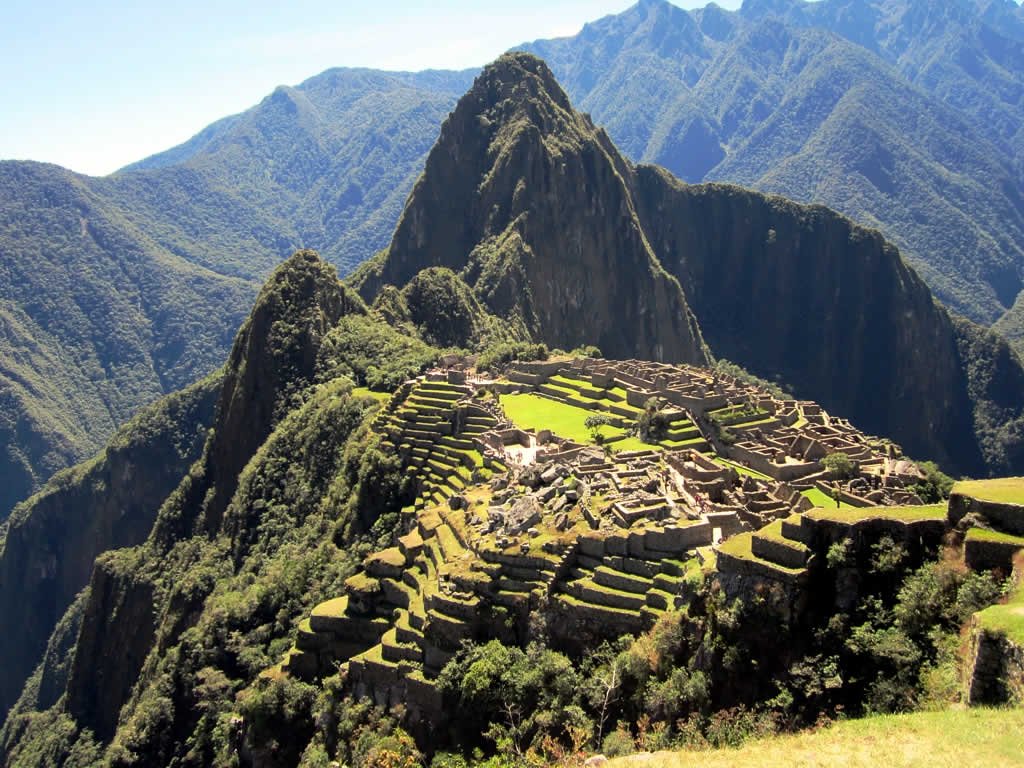

The Huayna Picchu hike stands as one of the most scenic alternative routes to reach Machu Picchu. The Huayna Picchu trail passes through dramatic Andean landscapes where steep mountain slopes meet cloud forests filled with rare orchids and colorful bird species. Ancient Inca pathways carved into vertical rock faces guide trekkers past archaeological sites that remain largely untouched by modern tourism.
The Huayna Picchu climb requires solid physical fitness and comfort with heights. Narrow stone steps ascend at sharp angles, with handrails and cables provided for safety on the steep sections. The route covers approximately 200 meters of vertical gain, taking most trekkers between 45 minutes and an hour to complete. Experienced hikers find the challenge rewarding, while beginners often encounter a demanding test of endurance.
Growing numbers of adventure travelers undertake the Huayna Picchu hike each year. Daily permits are limited to 400 visitors, divided into two entry times to protect the trail and archaeological structures. Booking several months in advance has become necessary during peak season from May through September. The combination of physical challenge, historical significance, and sweeping summit views draws trekkers seeking an authentic mountain experience at Machu Picchu.
2,720 meters
2 kilometers (round trip)
2 to 3 Hours
Why choose Huayna Picchu?
The Huayna Picchu climb offers an intense vertical adventure that rewards trekkers with unparalleled views of Machu Picchu from above. Ancient Inca stairways carved into near-vertical rock faces provide a thrilling combination of physical challenge and historical exploration.
Spectacular Summit Views
360-degree panoramas of Machu Picchu and surrounding Andean peaks.
Authentic Inca Engineering
Original stone staircases and terraces built into sheer cliffs.
Exclusive Access
Limited to 400 permits daily, providing a private and intimate experience.
Archaeological Treasures
Temple of the Moon and hidden ceremonial caves.
Trek Overview
The Journey
- The Huayna Picchu hike ascends the iconic pyramid-shaped peak directly behind the Machu Picchu citadel. The mountain served as a sacred lookout for Inca priests and guards who monitored the entrance to the city below. Narrow stone steps zigzag up the mountain, often requiring trekkers to grip steel cables bolted into the rock.
- The Huayna Picchu climb starts at the checkpoint inside the Machu Picchu sanctuary. The trail quickly gains elevation through dense cloud forest before reaching exposed granite ridges. Stone staircases steepen as the ascent continues, with some steps barely wide enough for one foot. The “stairs of death” present the most dramatic challenge, a near-vertical ladder of ancient stones hundreds of meters above the Urubamba River.
- The summit plateau reveals the Temple of the Moon complex on the northern face, accessible via an additional 30-minute descent. Terraced agricultural sites cling to impossible slopes, demonstrating advanced Inca engineering.
Challenge Level
- Difficulty: Challenging. The Huayna Picchu hike requires strong legs, steady nerves, and confidence with heights. Vertical sections demand both hands for climbing, and narrow passages allow little room for error.
- Best Time to Visit: May to September (dry season). Heavy rain closes the trail due to extreme slippage danger. Book permits 3 to 4 months ahead for peak season (June to August). Morning slots from 7:00 AM to 8:00 AM offer cooler temperatures and clearer views.
Best Price Packages
Choose your perfect Huayna Picchu adventure.
POPULAR
Huayna Picchu Day Hike Ticket Only
Per Person
Difficulty: Challenging
Package Inclusions:-
- Machu Picchu entrance ticket (Circuit 3B)
- Huayna Picchu permit (Group 1 or 2)
- Round-trip bus tickets Aguas Calientes-Machu Picchu
- Safety briefing and equipment check





Huayna Picchu Trek and Hike Reviews
These Inca Trail reviews share firsthand experiences from travelers who completed the legendary hike to Machu Picchu, highlighting trail conditions, cultural insights, scenery, organization, and the unforgettable arrival at the Lost City of the Incas.

Huayna Picchu Trek Itinerary Options
The Huayna Picchu Trek Itinerary Options are listed below.
Half-Day Summit Challenge
Price Per Person
Challenging
Trek Highlights
- Early morning Machu Picchu guided tour via Circuit 3
- Summit panoramic views
- Huayna Picchu ascent
Package Includes
- Professional mountain guide
- Huayna Picchu climbing permit
- Machu Picchu entrance ticket
- Safety equipment briefing
- Emergency support
Hour-by-Hour
- 6:00 AM: Machu Picchu entrance and checkpoint registration
- 6:30 AM: Machu Picchu Guided Tour via Circuit 3B
- 8:00 AM: Begin Huayna Picchu ascent through cloud forest
- 9:00 AM: Reach the summit and enjoy the panoramic views of the sanctuary
Full-Day Explorer Trek
Price Per Person
Challenging
Trek Highlights
- Early morning Machu Picchu guided tour via circuit 3B
- Huayna Picchu ascent
- Priority morning climbing slot
- Extended summit photography time
- Great Cavern or Temple of the Moon archaeological site exploration
Package Includes
- Expert bilingual guide
- Huayna Picchu permit
- Machu Picchu entrance (Circuit 3B)
- Great Cavern permit
- Gourmet box lunch
- Round-trip bus service
- Professional photography service
- Digital photo collection
- First Aid Kit
Hour-by-Hour
- 5:30 AM: Hotel pickup and transfer to the bus station
- 6:00 AM: Arrive at Machu Picchu entrance gates
- 7:00 AM: Machu Picchu Guided Tour via Circuit 3B
- 8:30 AM: Start Huayna Picchu climb via the ancient Incan stairways
- 9:30 AM: Summit exploration and Great Cavern or Temple of the Moon descent
- 12:00 PM: Gourmet lunch break at the designated picnic area
- 1:30 PM: Return to the Machu Picchu citadel base
- 2:00 PM: Depart via bus to Aguas Calientes
Two-Day Huayna Picchu and Machu Picchu Mountain Immersion Experience
Price Per Person
Moderate to Challenging
Trek Highlights
- Sunrise at Machu Picchu sanctuary
- Huayna Picchu morning ascent
- Temple of the Moon ceremonial caves
- Afternoon ruins exploration
- Overnight stay in Aguas Calientes
- Second day return visit option
Package Includes
- Professional guide for both days
- Huayna Picchu climbing permit
- Two-day Machu Picchu entrance passes
- One night’s hotel accommodation
- Breakfast and box lunch (Day 2)
- Round-trip train tickets from Cusco
- All bus transfers
- Welcome dinner in Aguas Calientes
Day-by-Day
- Day 1: Cusco train departure to Aguas Calientes, hotel check-in, welcome dinner, trek briefing
- Day 2: Pre-dawn bus to Machu Picchu, Huayna Picchu summit climb, and optional Temple of the Moon exploration, guided citadel tour via circuit 3B, return to Aguas Calientes
- Day 3: Optional second Machu Picchu visit, afternoon train back to Cusco
Huayna Picchu Trek Difficulty
The Huayna Picchu climb presents intense physical challenges despite its short 2-kilometer round-trip distance. Steep stone staircases ascend nearly 300 vertical meters through cliff-side sections that require handrail or cable support for safety. Narrow pathways demand continuous focus and upper body strength while gripping steel cables bolted into the rock. Reduced oxygen levels at the 2,720-meter summit increase cardiovascular strain, and the descent requires careful balance and leg endurance on centuries-old polished stones. The trek tests technical climbing ability and overall stamina, making it one of the most demanding experiences at Machu Picchu.
Difficulty by Fitness Level of Huayna Picchu Trek
| Fitness Level | Difficulty Rating | Recommendation | Preparation Time | Details |
|---|---|---|---|---|
| Beginner | Very Challenging | Not Recommended | 4 to 6 months minimum | Vertical climbing requires advanced strength and balance. Exposure to heights and sustained steep ascents challenge new trekkers. Hand-over-hand cable sections demand upper body endurance rarely developed through casual exercise. |
| Intermediate | Challenging | Recommended with Training | 2 to 3 months | Regular hikers with moderate fitness complete the climb after targeted preparation. Focus on leg strength for stair climbing and grip endurance for cable sections. Acclimatization is critical at altitude. |
| Advanced | Moderate to Challenging | Highly Recommended | 3 to 4 weeks | Experienced mountain hikers find the distance manageable. Comfort with exposure and narrow passages makes the experience enjoyable. Strong cardiovascular base handles altitude effects. |
| Expert | Moderate | Ideal | 1 to 2 weeks | Elite athletes and seasoned mountaineers complete the climb efficiently. Technical skills and altitude experience minimize difficulty. Provides a short but intense challenge before longer Andean expeditions. |
Overall Difficulty Assessment
The Huayna Picchu Trek is classified as challenging to very challenging due to extreme vertical gain over minimal horizontal distance, sustained steep gradients exceeding 60 degrees, narrow passages requiring cable assistance, and significant exposure to heights with limited guard rails. Huayna Picchu has moderate altitude effects at the summit. The technical stone staircases demand constant concentration and physical engagement beyond standard trail hiking.
Day-by-Day Difficulty Breakdown of Huayna Picchu Trek
| Day / Phase | Distance | Duration | Max Altitude | Elevation Gain | Difficulty | Terrain Type |
|---|---|---|---|---|---|---|
| Ascent Phase 1 | 0.5 km | 30 to 40 min | 2,500 m | +100 m | Challenging | Steep stone stairs through cloud forest, uneven ancient steps, tree root obstacles |
| Ascent Phase 2 | 0.5 km | 30 to 45 min | 2,720 m | +200 m | Very Challenging | Near-vertical stone ladders, cable-assisted sections, narrow cliff-side passages, “Stairs of Death” segment |
| Summit Exploration | 0.2 km | 20 to 30 min | 2,720 m | Minimal | Moderate | Rocky plateau, Temple of the Moon descent path, exposed ridgeline walking |
| Descent | 1 km | 40 to 60 min | 2,420 m | -300 m | Very Challenging | Same steep stairways in reverse, increased knee strain, slippery stone surfaces, requires backward climbing technique |
Physical Challenges and Mitigation of the Huayna Picchu Trek
| Challenge Category | Maximum Exposure | Severity | Potential Symptoms | Mitigation Strategies |
|---|---|---|---|---|
| Altitude | 2,720 m summit | Moderate | Shortness of breath, rapid heartbeat, mild headache, dizziness, reduced stamina | Spend 2 to 3 days in Cusco (3,400 m) before the climb, ascend slowly with frequent breaks, maintain steady breathing, drink 3 to 4 liters of water daily, and avoid alcohol 48 hours before the climb. |
| Distance | 2 km round trip | High | Leg muscle burning, cramps, fatigue, knee pain on descent | Train on stairs or StairMaster for 8 to 12 weeks, use trekking poles on descent, rest every 50 steps, stretch calves and thighs. |
| Terrain | Near-vertical stairs, narrow passages | Very High | Hand blisters, ankle twists, slips on polished stones | Wear aggressive tread boots, use lightweight gloves, focus on foot placement, and descend backward on the steepest sections. |
| Weather | Sudden rain, morning fog, afternoon heat | Moderate | Slippery surfaces, reduced visibility, heat exhaustion, sunburn | Start climbing early, pack a lightweight rain jacket, wear SPF 50+ sunscreen, moisture-wicking layers, and carry electrolytes. |
| Exposure | Sheer drops of 300 m+ | High | Vertigo, panic, frozen limbs, racing heart | Practice exposure on tall buildings, maintain three-point contact on cables, focus on the path (not the drop), and inform the guide of fear levels. |
Altitude Sickness Warning
Symptoms such as headache, nausea, extreme fatigue, or confusion require immediate descent. Severe symptoms must be addressed within 30 minutes by returning to a lower elevation. Guides carry emergency oxygen and first aid for altitude-related issues.
Success Tips
Complete the climb during morning hours, eat a protein-rich breakfast 90 minutes before ascent, pack essentials under 3 kg, wear removable layers, maintain a pace that allows conversation, place feet deliberately on stone steps, grip cables fully, and look ahead to the next rest platform. Breathe deeply using the diaphragm to maximize oxygen intake.
Fitness Requirements and Training Guide for the Huayna Picchu Trek
| Fitness Aspect | Requirement Level | Recommended Training |
|---|---|---|
| Cardiovascular Endurance | High | Perform 45 to 60-minute aerobic sessions 4 to 5 times weekly. Simulate continuous climbing using stair machines, hill running, or an incline treadmill at 12% to 15% incline. |
| Leg Strength | Very High | Do weighted step-ups (4 sets of 20 reps). Perform Bulgarian split squats (3 sets of 15 reps). Hold wall sits for 60 to 90 seconds. Add calf raises and lunges over 50 meters. |
| Core Stability | Moderate to High | Hold planks for 60 to 90 seconds (3 sets). Perform Russian twists (3 sets of 30 reps). Do single-leg deadlifts (3 sets of 12 per leg). Complete mountain climbers (3 sets of 30 seconds). |
| Mental Resilience | High | Practice progressive exposure to heights. Visualize summit success. Use breathing techniques to manage anxiety. Gradually increase trail difficulty in training hikes. |
| Altitude Tolerance | Moderate | Arrive in Cusco 3 to 4 days early. Take gentle acclimatization hikes at 3,800 to 4,000 meters. Stay hydrated and avoid overexertion during the first 48 hours. |
| Grip Strength | Moderate | Perform farmer’s walks (4 sets of 60 seconds). Do dead hangs (3 sets of 30 to 45 seconds). Complete 100 tennis ball squeezes per hand daily. Practice rope climbing for upper-body endurance. |
| Balance | High | Perform single-leg stands (3 sets of 60 seconds per leg). Do BOSU squats (3 sets of 15 reps). Practice slackline or balance beam walking. Hold yoga poses for 30 to 60 seconds. |
3-Month Training Plan
Months 1 to 2: Build a cardiovascular base with four weekly 45-minute cardio sessions combining incline treadmill, stair machines, and outdoor hills. Strength train 3 times weekly focusing on squats, lunges, weighted step-ups, and calf raises. Weekend hikes 8 to 12 km with 400 to 600 m elevation gain carrying a 5 to 8 kg backpack.
Month 2: Extend cardio sessions to 60 minutes at higher incline. Add interval training and climb stairs for 30 to 45 minutes continuously. Incorporate grip strength exercises. Weekend hikes increase to 12 to 15 km with 600 to 800 m elevation gain.
Month 3: Simulate the climb on steep stairs or trails. Complete 300 to 400 m vertical ascents in under 90 minutes. Practice controlled descents. Reduce training volume in the final week and focus on flexibility and stretching.
Throughout: Maintain hydration (3 to 4 liters daily).
Stretch major muscle groups 10 to 15 minutes after workouts. Test
hiking gear. Practice trekking poles on descents. Monitor resting
heart rate weekly.
Essential Preparation
- Complete a minimum of 12 weeks of structured training
- Arrive in Cusco 3 days before the trek
- Test hiking boots on multiple hikes
- Break in new boots 2 to 3 hours daily for two weeks
- Practice steep stair climbing with a loaded backpack
- Build grip strength for cable sections
- Develop mental strategies for heights
- Medical checkup for cardiovascular or respiratory concerns
- Confirm travel insurance covers high-altitude trekking
- Pack lightweight gloves for cable gripping
- Bring trekking poles with rubber tips
- Carry 2 to 3 liters of accessible water during the climb
- Purchase high-quality hiking boots with ankle support
- Pack quick-energy snacks
- Apply SPF 50+ sunscreen and reapply every 90 minutes
Multi-day options provide more relaxed schedules. Half-day packages span 4 to 5 hours, combining the Huayna Picchu climb and a brief Machu Picchu guided tour. Full-day experiences last 8 to 10 hours, including the climb, Temple of the Moon visit, lunch, and a detailed citadel tour. Two-day immersion trips allow arrival in Aguas Calientes on day one, an early morning climb on day two with summit exploration, and an optional morning revisit on day three before returning to Cusco. Morning entry slots between 7:00 and 8:00 AM offer cooler temperatures and safer conditions. Daily permits limit climbers to 400, maintaining safety and manageable trail traffic.
Beginners must first gain experience on less technical Andean trails and complete moderate multi-day treks over several months to build fitness, altitude tolerance, and technical skills. Proper preparation includes 12 to 16 weeks of progressive stair climbing, leg strengthening, and cardiovascular conditioning, plus a week of acclimatization in Cusco before attempting the climb. Mental readiness for heights and exposure is critical. Hiring an experienced guide significantly reduces risk and increases the chance of success. Beginners must honestly assess physical limits and fear of heights, even with preparation, before attempting the Huayna Picchu climb.
When is the Best Time to Do the Huayna Picchu Trek?
The best time to do the Huayna Picchu Trek falls between May and September during Peru’s dry season, when clear skies reveal dramatic views from the summit and dry stone steps reduce slip hazards on the steep ancient stairways. Morning visibility proves critical for safe navigation of narrow cliff-side passages and cable-assisted sections where fog or rain creates dangerous conditions. Afternoon thunderstorms occur less frequently during these months, allowing most climbers to complete their ascent and descent before the weather deteriorates. The dry season aligns with the best time for the Machu Picchu Trek, offering stable weather that makes the Huayna Picchu climb and exploration of the Sacred Valley and nearby archaeological sites ideal. June through August deliver the most predictable conditions, though increased visitor numbers require booking permits 3 to 4 months in advance to secure preferred climbing slots.
Huayna Picchu Dry Season
May to September. The dry season offers the safest and most reliable conditions for climbing Huayna Picchu.
Huayna Picchu Dry Season Pros
- Clear, sunny skies with excellent summit visibility
- Minimal rainfall keeps the stone steps and cables safe
- Optimal photography conditions with sharp mountain details
- Easier climbing without slippery surfaces
- Predictable weather reduces the risk of cancellations
- Sunrise views remain mostly unobstructed
- Lower humidity makes the climb more comfortable
Huayna Picchu Dry Season Cons
- Trails are more crowded, with 400 daily permits often fully booked
- Higher prices for tours, permits, and train tickets
- Nighttime temperatures in Cusco drop to 0 to 5°C
- Competition for climbing permits increases
- Dusty trails affect air quality later in the season
- Accommodation rates peak in Aguas Calientes
- Popular 7:00 AM climbing slots sell out quickly
Huayna Picchu Shoulder Season
April and October. Transitional months balance weather reliability with fewer crowds.
Huayna Picchu Shoulder Season Pros
- Fewer trekkers on trails
- Lower tour prices with discounts of 15 to 25%
- Permit availability is easier with 2 to 3 months advance booking
- Pleasant daytime temperatures
- Vibrant landscapes from recent rains
- Better flexibility for preferred entry times
- Less crowded summit for photography
- Improved hotel availability
Huayna Picchu Shoulder Season Cons
- Higher chance of afternoon rain showers
- Unpredictable weather with occasional morning fog
- Trails remain damp from lingering wet-season moisture
- Clouds sometimes obscure summit views
- Temperature shifts between cold mornings and warm afternoons
- Some tour operators reduce service frequency
Huayna Picchu Wet Season
November to March. The rainy season brings challenging conditions, but the lowest costs and minimal crowds.
Huayna Picchu Wet Season Pros
- Significant discounts of up to 40% off peak rates
- Almost private summit experiences
- Lush green landscapes
- Last-minute bookings possible
- Warmer daytime temperatures
- Flexible rescheduling if weather deteriorates
- Reduced competition for summit photography
Huayna Picchu Wet Season Cons
- Heavy rain makes the stone steps slippery
- Morning fog limits summit visibility
- High risk of trail closures and landslides
- Wet cables create unsafe climbing conditions
- Lightning danger on exposed ridges
- Afternoon storms arrive earlier and last longer
- February has near-daily downpours
- Poor photography conditions under overcast skies
- Increased altitude sickness risk in humid conditions
- Muddy base trails make the approach difficult
- Higher cancellation rates due to unsafe conditions
Quick Planning Tips
- Book climbing permits 4 to 6 months ahead for dry season treks
- Secure permits 2 to 3 months ahead during the shoulder season
- Acclimatize in Cusco for a minimum of 3 days before climbing
- Pack layers, including a warm fleece and a waterproof jacket
- Request a 7:00 AM entry slot for clear morning conditions
- Check weather forecasts 7 days before departure
- Bring backup dates if traveling during the wet season
- Train for wet trail conditions in shoulder and rainy seasons
- Pack quick-dry clothing and waterproof bags for electronics
- Reserve accommodations simultaneously with permit booking
The Huayna Picchu Trek is a steep mountain climb that ascends the iconic pyramid-shaped peak rising 360 meters above the Machu Picchu citadel. The Huayna Picchu trail follows ancient Inca stone stairways carved into near-vertical rock faces, requiring 2 to 3 hours round trip to reach the 2,720-meter summit and return safely. Narrow passages squeeze between cliff walls, while cable-assisted sections demand upper body strength to navigate stone ladders climbing at angles exceeding 60 degrees. Trekkers gain access to hidden archaeological treasures, including the Temple of the Moon ceremonial complex built into caves on the mountain’s northern face. Daily permits limit access to 400 climbers across morning and late morning entry times, preserving the trail and preventing dangerous overcrowding on exposed sections.
The Huayna Picchu Trek is popular because it provides the most spectacular aerial perspective of Machu Picchu without requiring technical climbing equipment. The summit offers 360-degree panoramas showing the entire citadel layout and the Urubamba River winding through the valley 600 meters below. Photographers capture iconic shots impossible from ground level. The combination of physical challenge and limited daily permits creates an exclusive achievement that attracts adventure travelers seeking more than standard tourist experiences.
The Huayna Picchu trek delivers meaningful engagement with Inca heritage. The ancient stone staircases, terraced agricultural platforms, and hidden temple complexes demonstrate the engineering skill of the Inca civilization. Completing the climb fosters a sense of accomplishment among fellow climbers. Social media sharing of summit photos and dramatic trail footage further fuels the trek’s popularity, inspiring travelers to include it in their Peru itineraries.
No, the Huayna Picchu Trek is not considered the best route to Machu Picchu. The Huayna Picchu Trek functions as a summit climb within the Machu Picchu sanctuary rather than a route to reach the archaeological site. Travelers must first reach Machu Picchu through established access methods (train to Aguas Calientes), followed by bus or multi-day treks (Inca Trail, Salkantay, or Lares routes), before entering the Huayna Picchu checkpoint. The climb serves as an added activity for visitors seeking elevated viewpoints and extra physical challenge after arriving at the citadel.
A Huayna Picchu climb that is included in Machu Picchu tours combines arrival, citadel exploration, and summit climbing in an itinerary spanning one to five days. The Huayna Picchu climb forms a component of broader tours, rather than acting as the primary route to the site. Travelers combine a multi-day approach trek with the summit climb to enjoy experiences without excessive fatigue.
No, the Huayna Picchu Hike is not worth it for first-time visitors. First-time visitors benefit more from focusing on the Machu Picchu citadel rather than attempting the strenuous Huayna Picchu climb. Exploring the ancient city’s hundreds of structures and ceremonial spaces requires 3 to 4 hours, and adding the 2 to 3 hour summit climb on the same day creates fatigue that reduces enjoyment and understanding of the site. Lack of altitude acclimatization and mountain hiking experience makes the technical climb more difficult and potentially hazardous for first-time visitors.
The Huayna Picchu trail’s steepness, narrow passages, and exposure to heights challenge many first-time mountain visitors. Safer alternatives include Machu Picchu Mountain, offering panoramic views with gentler gradients and wider trails, or dedicating the whole day to citadel exploration with a knowledgeable guide. Visitors planning future trips attempt the Huayna Picchu climb later after building fitness, altitude tolerance, and confidence in mountain environments.
The Huayna Picchu Trek is shorter and far more vertically intense compared to the Inca Trail, which spans 43 kilometers over four days, versus Huayna Picchu’s 2 kilometers completed in 2 to 3 hours. The Inca Trail passes through cloud forests, alpine passes, and multiple archaeological sites, requiring multi-day camping and porter support. Huayna Picchu compresses 300 meters of ascent into a compact distance with near-vertical stone staircases and cable-assisted sections. The Inca Trail gradually rises to Dead Woman’s Pass at 4,215 meters over two days, while Huayna Picchu climbs directly to its 2,720-meter summit with relentless upward motion from the start.
The trek experiences differ in purpose. The Inca Trail provides an unforgettable journey through Andean landscapes and ruins, culminating in arrival at Machu Picchu through the Sun Gate. Huayna Picchu is a summit climb undertaken after reaching Machu Picchu, offering aerial perspectives rather than serving as the approach route. The cost and physical demands reflect these differences, with the Inca Trail testing endurance over multiple days and Huayna Picchu challenging leg power, grip strength, and comfort with extreme exposure during a short but intense climb.
The vertical intensity and technical climbing requirements make the Huayna Picchu Trek different from the Inca Trail’s gradual approach. Huayna Picchu compresses 300 meters of elevation gain into 1 kilometer of horizontal distance, creating slopes exceeding 60 degrees that require cable assistance. Narrow stone passages barely allow single-file traffic and feature sheer drops over 300 meters. In contrast, the Inca Trail spans 1,200 meters of total elevation gain across 43 kilometers with wider paths and gentler slopes.
Logistics and timeframe of Huayna Picchu and the Inca Trail differ. Huayna Picchu is a single morning activity requiring only a small daypack with water and snacks. The Inca Trail requires four days of organized trekking with camping, porter services, and cooked meals. Archaeological focus varies, with the Inca Trail passing multiple ruins over four days, whereas Huayna Picchu concentrates on the summit and the Temple of the Moon complex. Permit systems differ, with Inca Trail permits selling out months in advance, while Huayna Picchu permits allow more flexible booking and do not require guides.
No, the Huayna Picchu trek is not a good alternative to the Inca Trail. The Huayna Picchu Trek does not replace the Inca Trail because the two serve different purposes. The Inca Trail offers a multi-day journey to Machu Picchu, cultural immersion, and arrival through the Sun Gate, while Huayna Picchu is a short summit climb undertaken after arriving at Machu Picchu by train or other routes. Travelers seeking the full trekking experience, camping, and visits to multiple ruins find that the 2 to 3-hour Huayna Picchu climb does not provide the same scope.
Long wilderness treks and hikes along the Inca Trail Treks and Hikes offer gradual acclimatization and multiday exploration. Huayna Picchu delivers concentrated vertical climbing and summit views. Many travelers combine an alternative multi-day trek with the Huayna Picchu climb for a complete Machu Picchu adventure, enjoying the extended journey and the intense summit challenge on separate days.
The Cost of the Huayna Picchu Trek to Machu Picchu is 200 Peruvian soles ($56) for adults. The official ticket includes access to Huayna Picchu mountain and Circuit 3 of Machu Picchu, which covers the lower part of the citadel with major landmarks (Temple of the Sun, Sacred Rock, Temple of the Condor). The permit ranks as a key factor when calculating the overall Machu Picchu trip cost because the ticket combines mountain access and archaeological exploration in one entry.
Daily entry remains limited to 400 hikers, divided into two groups of 200, which makes availability very competitive throughout the year. Booking three to four months before travel secures access, especially during the busiest months from May to October. The fixed pricing and restricted permits position the Huayna Picchu Trek as a high-value experience for travelers seeking panoramic views and direct access to one of the most iconic mountains at Machu Picchu.
A Huayna Picchu Trek tour costs about $300 to $400 per traveler for a full-day package from Cusco. Most tours start at $330 for foreign visitors and about $305 for Andean Community visitors. The price covers round-trip train tickets from Ollantaytambo, ground transportation between Cusco and the train station, bus service to Machu Picchu, entrance tickets for Huayna Picchu and Machu Picchu, and a professional English-speaking guide.
The full-day tour begins very early, around 4:00 in the morning, with hotel pickup in Cusco and finishes around 10:00 at night after returning from Aguas Calientes. The bundled price simplifies planning because transportation, permits, and guiding services come together in one booking. The total cost reflects a complete and organized option for travelers who want a structured experience without managing separate reservations.
No, there are no discounts for booking the Huayna Picchu Hike in advance. Early reservations are essential because daily permits are limited and sell out quickly. Discounts apply only to undergraduate students under 25 years old and citizens of Andean Community countries (Peru, Colombia, Ecuador, and Bolivia). Booking secures a spot rather than saving money, with two months recommended for low season and three to four months for high season.
Yes, Evolution Treks Peru offers Huayna Picchu Trek and Inca Trail Tour discounts. Evolution Treks Peru provides a twenty-five-dollar discount for students and minors with valid documentation. Tour packages include the Inca Trail Tour with optional Huayna Picchu climbs. Huayna Picchu access costs an additional $90 for the 2-Day Short Inca Trail. The company offers various packages (group tours, private tours, and luxury experiences) within the Inca Trail Tour, maintaining competitive pricing while promoting ethical tourism.
Huayna Picchu itself is not a multi-day trek with camping lodges. It is a short one to two-hour climb done as a day trip from Machu Picchu. However, many people reach Machu Picchu (and then climb Huayna Picchu) by hiking multi-day treks that do include camping accommodations. The available camping lodges during the Huayna Picchu Trek to Machu Picchu are listed below.
- Municipal Campsite Aguas Calientes: Municipal Campsite Aguas Calientes offers budget accommodations at 15 soles per tent per night and sits about 1.3 kilometers from town along the Hiram Bingham highway leading to Machu Picchu. The site has green spaces, showers, toilets, and an indoor eating area with ample space for tents. Visitors have a view of Machu Picchu from the campsite. The campsite manager watches over tents while trekkers climb Huayna Picchu during the day.
- Inca Trail Designated Campsites: The classic four-day Inca Trail uses three main government-regulated campsites at Wayllabamba, Pacaymayo, and Wiñay Wayna. These campsites have marked tent spots and basic bathroom facilities. Tour operators provide sleeping tents and dining tents where meals are served, and porters set up camps each day. Most locations lack electricity and showers but offer safe overnight stops before reaching Machu Picchu and Huayna Picchu.
- Luxury Glamping Options: Luxury glamping sites along alternative trekking routes use eco domes instead of tents. The domes provide proper beds for two to four people and often include private bathrooms with hot water showers. Additional amenities include massage services and higher-quality bedding. These sites allow trekkers to rest comfortably while camping outdoors on the way to Machu Picchu and Huayna Picchu.
- Mountain Lodge to Lodge Routes: Mountain lodges provide permanent accommodation along alternative trekking routes to Machu Picchu. Lodges feature real beds, private or shared bathrooms with hot showers, and indoor dining facilities. Guests enjoy prepared meals from local chefs and relax in common areas between hiking days. These lodges combine trekking adventure with the comfort of proper accommodations.
- Aguas Calientes Hotels and Lodges: Aguas Calientes town offers hotels and lodges for the final night before climbing Huayna Picchu. Accommodation ranges from budget hostels to luxury lodges (Inkaterra Machu Picchu Pueblo Hotel), featuring thatched-roof casitas in a cloud forest setting. Hotels provide proper beds, hot water showers, restaurants, and modern amenities. Staying in town allows early morning access to the Machu Picchu and Huayna Picchu entrance gates.
No, meals are not provided by tour operators during the Huayna Picchu Trek to Machu Picchu. The Huayna Picchu hike takes one to two hours, and standalone day trips do not include meals. Visitors typically eat in Aguas Calientes before or after the climb. All meals (breakfast, lunch, dinner, and snacks) are provided when the Huayna Picchu climb is part of a longer Inca Trail Tour throughout the multi-day trek until reaching Machu Picchu.
Permits you need for the Huayna Picchu Trek to Machu Picchu include the Machu Picchu with Huayna Picchu ticket, which grants access to the Inca citadel through Circuit 3 and the climb up Huayna Picchu. Only 400 tickets are available each day, divided into three groups, making early booking essential. The combined ticket allows visitors to explore the lower part of Machu Picchu (Temple of the Sun, the House of the Inca, and the Sacred Rock) before beginning the ascent of Huayna Picchu. Hikers must be 12 years or older, and an adult must accompany children under 18. Visitors must carry their passports for identification and entry.
The Huayna Picchu permit must be purchased several months in advance, especially during high season from June to October. Only 200 permits are issued daily for the mountain climb. Tickets are non-transferable and non-refundable, so personal information must match the passport exactly when purchasing. Permits are obtainable online through the official Peruvian Ministry of Culture website or through authorized tour agencies such as Evolution Treks Peru. Each permit includes a designated entry time and allows a two to three-hour visit, which covers the round-trip hike to the summit.
Yes, there are park and entrance fees for the Huayna Picchu Trek to Machu Picchu. The entrance fee for foreign adults is 200 Peruvian soles, while adults from Peru, Colombia, Ecuador, or Bolivia pay 112 Peruvian soles. The ticket includes access to Huayna Picchu and the Inca city of Machu Picchu through Circuit 3, which covers the lower part of the archaeological site with important temples and structures. Tickets must be purchased online in advance because only 400 daily permits are available. The fee is non-refundable and non-transferable, so passport information must match exactly when booking.
Yes, you can do the Huayna Picchu Trek without a guide. A guide is not required to climb Huayna Picchu, although visitors are allowed to choose to hire one. Evolution Treks Peru Guided tours are needed to explore the main Machu Picchu citadel, but hikers are allowed to climb Huayna Picchu independently during their assigned time slot. Travelers use professional Machu Picchu guides to gain historical context and cultural insights about the Inca ruins before climbing the mountain on their own. Having a guide for the ascent is optional and helps manage timing and provide explanations along the trail.
The safety guidelines for the Huayna Picchu Trek to Machu Picchu are listed below.
- Physical Preparation: Physical conditioning must begin at least two months before the trek. Cardio activities (walking, stair climbing, and jogging) help build strength for steep stone steps and long ascents at high altitude.
- Altitude Acclimatization: Arrival in Cusco two to three days before the hike allows the body to adjust to elevation. Proper rest, steady hydration, and limited alcohol intake reduce the risk of altitude discomfort.
- Proper Footwear: Sturdy hiking shoes with a firm grip and ankle support protect feet on steep and uneven stone steps. Broken-in footwear prevents blisters and improves balance on slippery surfaces.
- Weather Preparation: Layered clothing manages changing temperatures throughout the day. A rain jacket and sunscreen protect against sudden rain and intense mountain sun exposure.
- Hydration and Snacks: Carrying at least one liter of water supports endurance during the climb. Energy snacks maintain strength and focus on demanding sections of the trail.
- Stick to the Marked Trail: Marked paths guide hikers safely through the mountain. Designated routes avoid dangerous cliffs and protected archaeological areas.
- Use Handrails and Safety Ropes: Installed cables and ropes support balance on narrow staircases and steep climbs. Slow and steady movement reduces the risk of slipping.
- Advance Permit Booking: Early permit reservations secure access since daily entry numbers are limited. Confirmed time slots help manage crowd flow and improve overall safety.
- Guide Support Option: Experienced guides assist with pacing, navigation, and site interpretation. Professional support adds structure and awareness during challenging sections.
- Know Personal Limits: Body signals (dizziness or severe headache) require rest or descent. Turning back protects health and prevents serious altitude issues.
- Group Awareness: Group members must remain close and communicate needs clearly. Shared awareness helps manage fatigue and unexpected difficulties.
- Time Management: Entry time compliance ensures enough daylight for ascent and descent. Rangers monitor schedules to maintain order and safety.
- Emergency Readiness: Emergency contact information must remain accessible at all times. Park rangers positioned along the route provide immediate assistance if needed.
- Photography Safety: Photo stops require careful footing away from cliff edges. Secured cameras prevent loss and distraction on exposed sections.
Yes, hiking Huayna Picchu is safe when following established safety regulations. Daily visitor numbers are limited, and designated time slots control access. Safety ropes and cables assist hikers on steep sections (narrow trails and the Stairs of Death). Visitors must respect barriers, move carefully on exposed sections, and avoid risky behavior. Climbers in good physical condition who follow safety guidelines find the hike safe, although it is not recommended for young children, unfit older adults, or anyone uncomfortable with heights.
The Huayna Picchu Trek is located in the Cusco Region of Peru within the Historic Sanctuary of Machu Picchu in the Urubamba Province. The mountain rises directly behind the Inca city of Machu Picchu, approximately 260 meters above the ruins. Visitors start the trek from Aguas Calientes (Machu Picchu Pueblo), at the base of the mountain. Travelers take a bus from the town to the main Machu Picchu entrance and follow Circuit 3 through the lower part of the archaeological site to reach the Huayna Picchu checkpoint. The area is characterized by lush cloud forest vegetation along the Urubamba River in the Sacred Valley.
Yes, the Huayna Picchu Trek is directly next to Machu Picchu. The Huayna Picchu mountain rises immediately behind the Machu Picchu ruins and appears in most well-known views of the site.
The trailhead begins inside the Machu Picchu archaeological complex, which requires entry to the citadel before accessing the hike. The summit overlooks the entire Machu Picchu site, showing the terraces, temples, and stone structures from above.
The Huayna Picchu Trail starts at the official checkpoint inside the Machu Picchu archaeological site and ends at the same checkpoint after completing the circuit. The trailhead sits in the northern section of Machu Picchu, beyond the main ruins, where hikers register before beginning the climb.
The route ascends to the summit of Huayna Picchu and then follows the same path back down to the original control point. The return to the checkpoint completes a full round trip and allows continued exploration of the Machu Picchu ruins afterward.
The highest point of the Huayna Picchu Trek is the summit of Huayna Picchu mountain at 2,693 meters or 8,835 feet above sea level. The summit rises about 360 meters or 1,180 feet above the Machu Picchu citadel and provides a clear view of the ruins, the Sacred Valley, and the Urubamba River.
The ascent to the summit follows steep stone steps and narrow passages built during the Inca period. Most hikers reach the top in about one to one and a half hours from the trailhead, depending on physical condition and rest stops.
The altitude of the Huayna Picchu Pass reaches 2,693 meters or 8,835 feet above sea level, which matches the summit elevation of the mountain. The checkpoint starting area sits at about 2,430 meters or 7,970 feet, creating an elevation gain of roughly 260 to 300 meters during the climb.
The altitude creates thinner air that often causes fatigue or shortness of breath for visitors without prior acclimatization. A steady pace and regular rest breaks support adjustment to the elevation during the ascent.
The Huayna Picchu trek elevation affects your performance by lowering the amount of oxygen available in the air, which increases physical strain during the climb. Elevation levels between 2,430 and 2,693 meters (7,970 to 8,835 feet) force the body to work harder to supply oxygen to muscles and the brain, which leads to faster fatigue and heavier breathing.
Hikers often experience slower movement, a quicker heartbeat, and frequent pauses while climbing the steep stone steps. Proper acclimatization through several days spent in Cusco before the trek supports better endurance, steadier breathing, and improved overall performance during the ascent.
The type of terrain the Huayna Picchu Trek Covers consists of steep stone staircases, narrow rocky paths, and uneven surfaces carved into the mountainside during the Inca era. Many stair sections rise sharply and require careful foot placement due to irregular step height and worn stone surfaces.
Several trail sections narrow to single-person width and run alongside steep drop-offs supported by fixed safety cables and ropes. Flat resting areas appear only in limited sections, while exposed rock faces near the summit require hand support for balance during the climb and the descent.
Things to pack for the Huayna Picchu Trek are listed below.
- Hiking Boots or Shoes: Bring sturdy footwear with good ankle support and a firm grip. Well broken-in shoes prevent blisters on the steep and uneven stone steps along the trail.
- Daypack or Small Backpack: Carry a lightweight backpack that fits comfortably and does not bounce while climbing. A small pack allows easy navigation through narrow passages and steep sections.
- Water Bottle: Pack at least 1 to 2 liters of water to stay hydrated throughout the trek. Reusable bottles are better than disposable plastic.
- Snacks and Energy Food: Bring trail mix, energy bars, fruit, chocolate, or crackers to maintain energy during the climb. Light snacks help sustain stamina without causing sluggishness.
- Rain Jacket or Poncho: Pack waterproof outerwear for sudden weather changes. A lightweight rain jacket provides an extra layer in cooler temperatures.
- Sun Protection: Bring high SPF sunscreen, a hat or cap, and sunglasses with UV protection. Sun exposure is stronger at high altitude.
- Layered Clothing: Wear moisture-wicking base layers and bring a light fleece or jacket for cooler moments at the summit. Layers allow adjustment as temperatures change.
- Insect Repellent: Carry bug spray to protect against mosquitoes and other insects. Reapply as needed during the hike.
- Camera or Smartphone: Bring a camera or phone to capture summit views. Ensure it is fully charged and consider a secure strap near cliff edges.
- Identification and Permits: Carry a passport or ID along with a Huayna Picchu permit and a Machu Picchu entrance ticket. Keep documents together for easy access.
- Small First Aid Kit: Pack bandages, pain relievers, personal medications, and blister pads. Include altitude sickness pills if recommended by a doctor.
- Trekking Poles (Optional): Consider collapsible trekking poles for stability on steep sections. They help reduce strain on the knees during the descent.
- Cash: Bring small bills in local currency for emergency purchases or tips. ATMs are unavailable once inside Machu Picchu.
- Toilet Paper and Hand Sanitizer: Pack a small supply for restroom breaks along the trail. These items are essential for hygiene and comfort.
- Lightweight Towel: Bring a compact, quick-dry towel to wipe sweat or use during rain. It fits easily into a small backpack.
Essential gear you need for the Huayna Picchu hike is listed below.
- Hiking Boots with Ankle Support: Choose sturdy hiking boots that provide a firm grip on wet and uneven surfaces. Proper traction keeps the hiker safe on slippery stone steps. Make sure boots are comfortable and broken in before the hike.
- Daypack (20 to 30 Liters): Use a lightweight backpack that fits snugly against the hiker’s body and does not bounce while climbing. Padded straps reduce shoulder strain and allow easy carrying of essentials.
- Water Bottles or Hydration System: Carry 1.5 to 2 liters of water to stay hydrated. Use regular bottles or a hydration bladder with a tube to prevent altitude sickness and maintain energy.
- Sun Hat or Cap: Wear a brimmed hat to protect the face and neck from strong sun exposure. A chin strap keeps the hat secure in windy conditions.
- Sunglasses with UV Protection: Bring sunglasses that block harmful UV rays. Wraparound styles offer the best coverage and reduce glare from rocks and clouds.
- Sunscreen (SPF 50 or Higher): Apply broad-spectrum sunscreen generously before starting and reapply every few hours. Water-resistant formulas stay effective when hikers sweat.
- Rain Jacket or Waterproof Layer: Pack a lightweight, breathable rain jacket to stay dry during sudden showers. A compact jacket fits easily in a backpack.
- Moisture Wicking Base Layers: Wear synthetic or merino wool layers that pull sweat away from the skin. Quick-drying fabrics keep hikers comfortable and prevent cold when they stop moving.
- Insulating Mid Layer: Bring a fleece or lightweight insulated layer for cooler temperatures at the summit. Remove it during climbs and put it on when resting.
- Trekking Pants or Shorts: Choose comfortable, stretchy pants or convertible pants that allow full movement. Avoid jeans as they restrict motion and dry slowly when wet.
- Gloves (Optional but Recommended): Pack lightweight gloves to protect hands when gripping safety cables and ropes. Fingerless gloves allow easy use of a phone or camera.
- Headlamp or Flashlight: Bring a small light with fresh batteries in case the hiker finishes later than expected. Shaded areas of the trail are dark.
- Trekking Poles (Optional): Consider collapsible trekking poles for stability on steep sections. Poles reduce strain on knees and improve balance.
- Camera with Secure Strap: Carry a camera or smartphone with a wrist or neck strap. Secure attachment prevents accidental drops near cliff edges.
- Personal Identification Documents: Bring a passport or government-issued ID in a waterproof bag. Keep Huayna Picchu permits and Machu Picchu tickets together with identification.
- Small First Aid Kit: Pack bandages, blister treatments, pain relievers, prescription medications, and altitude sickness medication if recommended.
- Insect Repellent: Apply repellent to exposed skin to prevent bites from mosquitoes and insects. Reapply throughout the day.
- Hand Sanitizer and Wet Wipes: Carry hand sanitizer for hygiene and wet wipes to freshen up or clean hands before snacks. Keep them in a resealable bag.
- Small Towel or Bandana: Bring a compact, quick-dry towel to wipe sweat during the climb. It protects the neck from sun exposure.
- Energy Snacks and Food: Pack lightweight, high-energy foods (nuts, dried fruit, energy bars, or chocolate). These maintain stamina during the hike.
Footwear that works best for the Huayna Picchu mountain hike is listed below.
- Sturdy Hiking Boots with Ankle Support: Sturdy hiking boots protect ankles on steep, uneven terrain. The high cut prevents twists and rolls on ancient stone steps. Deep tread patterns provide grip on slippery surfaces. Waterproof versions keep feet dry during sudden rain. Breaking in boots before the trek prevents blisters during the 2 to 3-hour climb.
- Trail Running Shoes with Good Grip: Trail running shoes are lightweight and allow agile movement on technical trails. Aggressive rubber outsoles provide traction on wet stone steps. They dry faster than boots if wet from rain or streams. The option suits experienced hikers who prioritize speed and flexibility over heavy ankle support.
- Lightweight Trekking Shoes: Lightweight trekking shoes balance support and lightness. Mid-cut shoes offer moderate ankle protection without bulk. Reinforced toe caps and cushioned midsoles provide comfort on rocky steps. Sticky rubber soles grip smooth stone surfaces effectively, working best in dry to moderately wet conditions.
- Waterproof Hiking Shoes: Waterproof hiking shoes protect feet from rain and morning dew. Materials like Gore-Tex block water while allowing sweat to escape. Dry feet reduce blisters and maintain comfort during the climb. These shoes provide better grip than wet regular shoes, especially during the rainy season from November to March.
- Approach Shoes with Sticky Soles: Approach shoes provide superior grip on smooth stone surfaces like Inca steps. The snug fit ensures precise foot placement on narrow or exposed sections. They were designed for rock climbing approaches, making them ideal for experienced hikers who prefer maximum grip and precision over full ankle support.
0 Comments