
The Inca Jungle Trail Trip Tour offers an exciting alternative trekking route to Machu Picchu, blending diverse landscapes with adventure-based activities. The Inca Jungle Trail Trip Tour begins with a thrilling bike ride down the Abra Malaga Pass, followed by hiking through lush jungles, crossing rivers, and exploring Inca ruins along the way. Trekkers visit Santa Teresa’s natural hot springs and cultural villages and get a mix of relaxation and cultural immersion.
Adventure activities (ziplining, trekking) are seamlessly integrated, making the adventure physically engaging and adrenaline-pumping. The Inca Jungle Trail is an excellent choice for travelers seeking a dynamic and flexible journey. The tour offers a unique alternative to traditional Inca Trail tours with its combination of adventure and cultural exploration.
Book your Inca Jungle Trail Tour through authorized local tour operators to secure a spot on the exciting multi-activity adventure. Tours are booked in advance, ensuring availability during peak seasons, and include various options based on preferences for accommodation, transport, and activities. Reservations cover permits, guides, and all necessary logistics, making it a hassle-free way to experience the trek. Travelers must avail of early Inca Trail Booking to guarantee a smooth and well-planned journey to Machu Picchu.
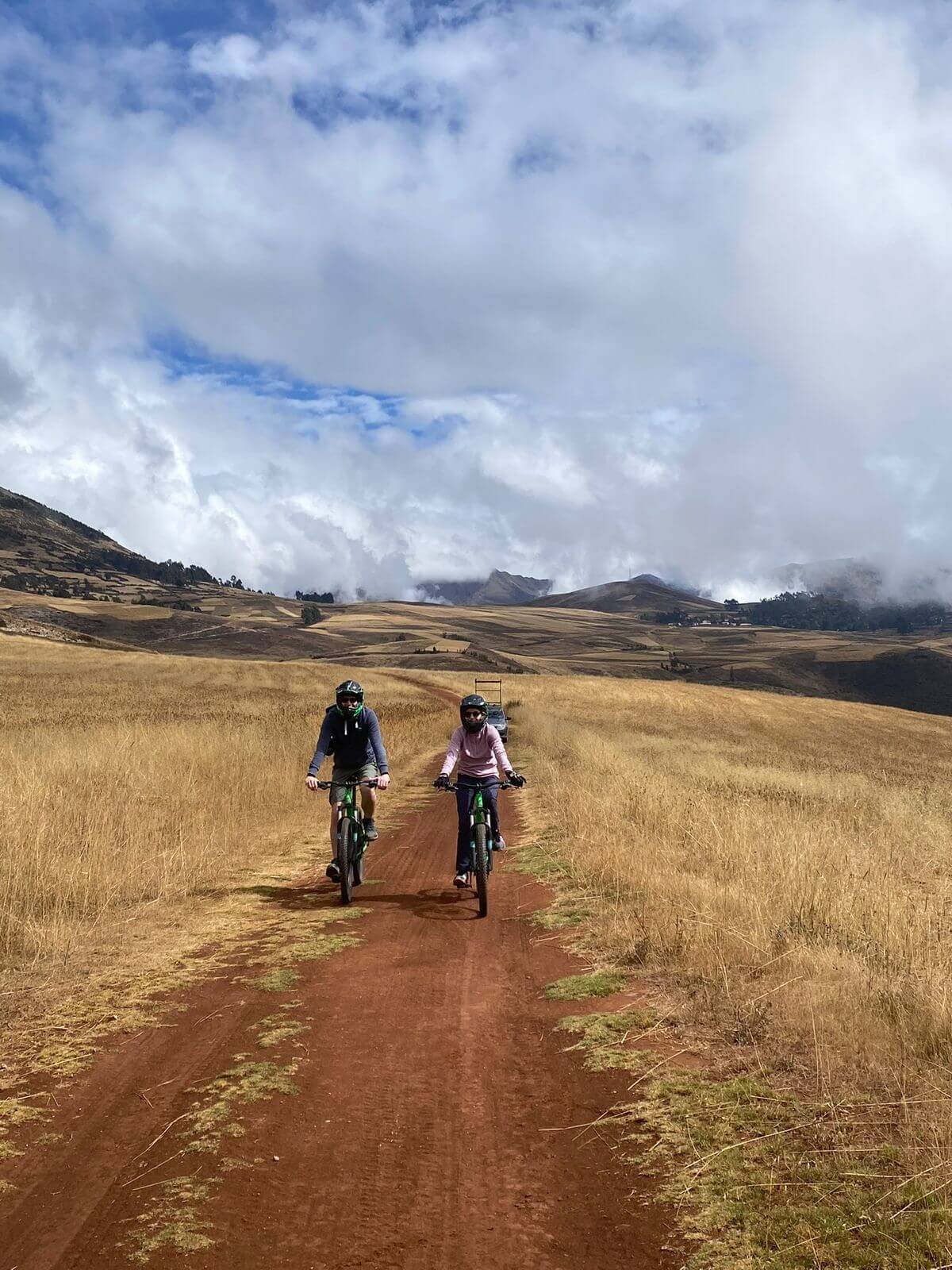
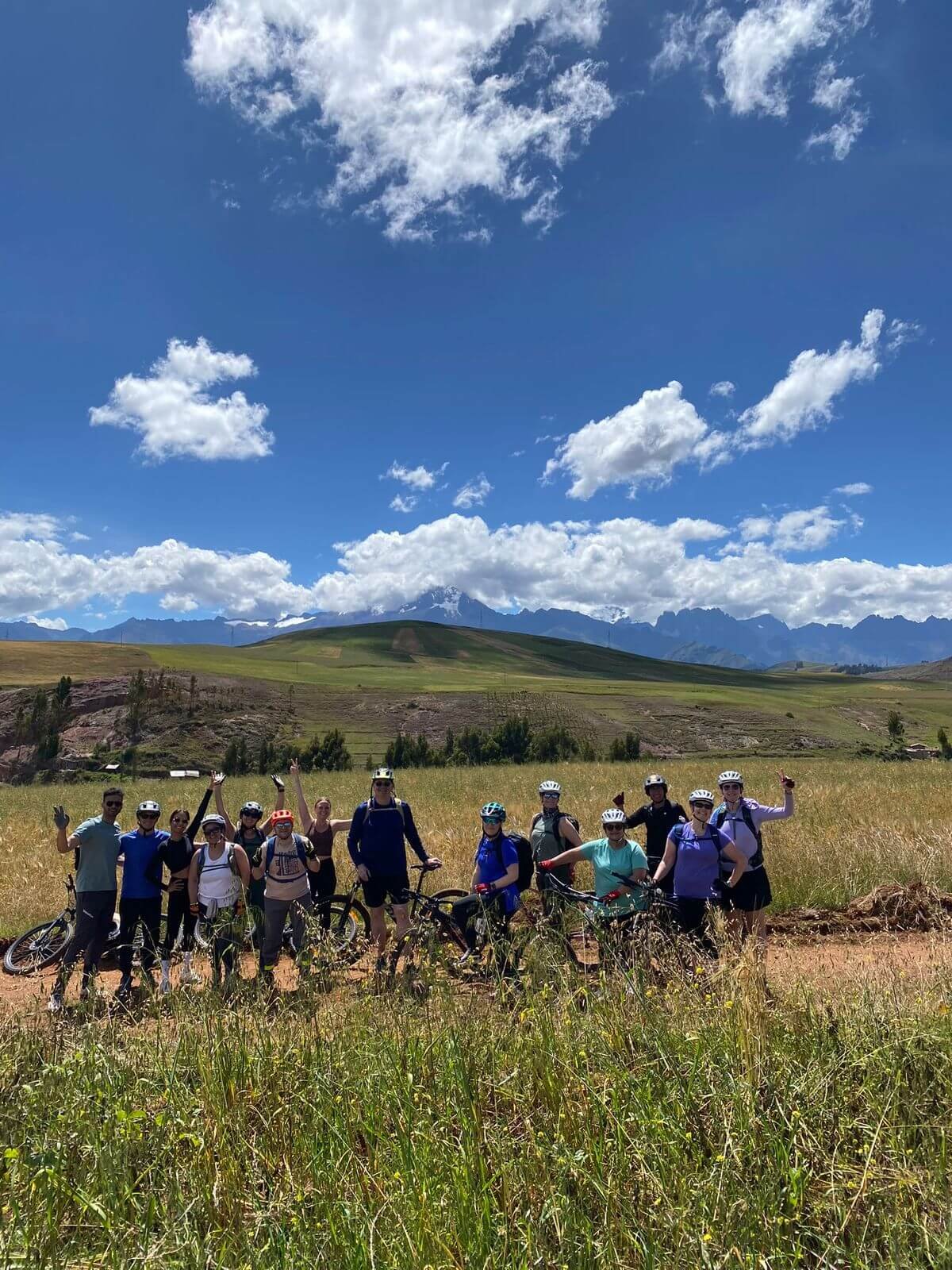
Multi-Activity Adventure Trek
4 Days / 3 Nights
Cusco, Peru
Mountain Biking, Trekking, Hot Springs, Rafting, Archaeological Exploration
Up to 16 Travelers (10 average)
Moderate
Adventure, Culture, Multi-Sport Journey
Active to Demanding
Guesthouses with Shared Rooms (3 nights)
37 miles / 60 km (Day 1)
22 miles / 35 km (Days 2-3)
3 Breakfasts, 3 Lunches, 3 Dinners
English; Spanish (Bilingual Guides)
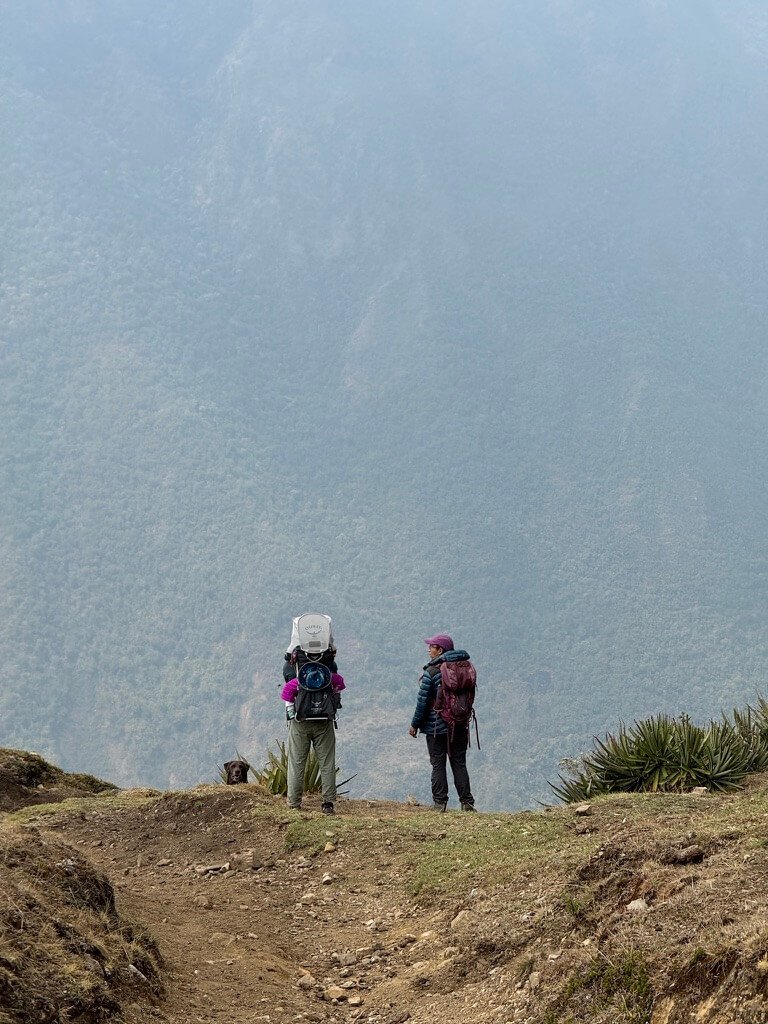
The Inca Jungle Trek is a multi-activity adventure that combines hiking, biking, ziplining, and cultural exploration, leading to Machu Picchu. The Inca Jungle Trek starts with a scenic bike ride down the Abra Malaga Pass, followed by hiking through lush jungle terrain. It has stops at natural hot springs in Santa Teresa, where trekkers relax and rejuvenate.
The route passes through small cultural villages, providing a glimpse into local traditions and life. Ziplining across the jungle canopy adds an exciting challenge for travelers seeking an adrenaline rush. The trek culminates with a visit to Machu Picchu, making it a unique and varied way to reach the iconic site.
- Typical distance: 50 kilometers
- Duration: 4 days.
- Difficulty: Moderate to challenging.
- Trail type: Multi-activity trek, involving biking, hiking, ziplining, and visits to natural hot springs and cultural villages.
How does it differ from the Classic Inca Trail? It differs from the Classic Inca Trail in terms of activities. The Classic Inca Trail focuses on hiking along ancient Inca pathways, while the Inca Jungle Trek incorporates several adventure activities (hiking, billing, zip lining), making it more diverse in experience. The Inca Jungle Trek is shorter in distance but covers different landscapes, offering trekkers a varied and dynamic journey to Machu Picchu.
The Inca Jungle Trail to Machu Picchu is a thrilling trek that spans 40 to 60 kilometers, depending on the chosen route. The Inca Jungle Trail to Machu Picchu involves varied terrain (jungle paths, mountain roads, river valleys). Trekkers engage in a combination of hiking and adventure activities (zip-lining, mountain biking, white-water rafting).
The trail reaches an average elevation ranging from 1,200 meters to 4,200 meters, with the highest point at Abra Málaga. The trek lasts for 4 days, offering a moderate to challenging experience requiring a good level of fitness. Trekkers begin in Cusco, followed by a 3 to 4 hour drive to the Abra Málaga region, where the trek starts. The adventure culminates at Machu Picchu, with trekkers reaching the site after a scenic train ride or hike from Aguas Calientes. Cusco serves as the nearest city, making it the main gateway for travelers.
The Inca Jungle Trail matters because it provides an adventure-focused experience rather than one centered on archaeology. The trail offers a unique combination of thrilling activities (biking, hiking, zip-lining), allowing travelers to explore diverse landscapes and ecosystems. Trekkers explore cultural exposure by connecting with local communities, showcasing traditional lifestyles and rich indigenous customs.
The trail passes through villages where locals share their way of life, offering deeper insight into Peruvian culture. Diverse ecosystems along the route (highland mountains, tropical rainforests) present an ever-changing environment, making the journey exciting and educational. The Inca Jungle Trail appeals to budget travelers and adventure seekers due to its affordability and the chance to experience multiple activities. Travelers seeking a unique adventure without the higher cost associated with other trekking routes like the Inca Trail find the Jungle Trek an appealing option.
Choose the Inca Jungle Trail instead of the Classic Inca Trail because it offers a more flexible and diverse trekking experience. The Inca Jungle Trail does not have permit restrictions, unlike the Classic Inca Trail, which requires permits and has fixed availability. Travelers get freedom to choose dates.
The trail covers various activities (biking, zip-lining, hiking), offering a dynamic adventure beyond the standard trekking experience. The Inca Jungle Trail is more affordable, making it a great option for travelers on a budget. Trekkers enjoy a more peaceful and immersive journey through the natural landscapes because of the fewer crowds.
The difference between the Inca Jungle Trail and the Classic Inca Trail is in the type of experience they offer, the route taken, and the activities involved. The Inca Jungle Trail is a multi-activity (biking, zip-lining, hiking) providing a more adventurous and varied experience.
The Classic Inca Trail is a more traditional trek that focuses on hiking, with the primary goal of reaching Machu Picchu by walking along ancient Incan paths. Travelers consider the Classic Inca Trail more challenging due to its steep ascents and high altitude. The Inca Jungle Trail offers different scenery and activities that break up the hiking, making it a bit more varied and accessible for trekkers seeking adventure beyond traditional trekking.
The difference between the Inca Jungle Trail and the Classic Inca Trail is summarized in the table below.
| Feature | Inca Jungle Trail | Classic Inca Trail |
|---|---|---|
| Primary Focus | Adventure trek with multiple activities | Hiking on historical Inca paths |
| Activities | Biking, hiking, zip-lining, and rafting | Hiking only |
| Duration | 4 days | 4 days |
| Difficulty | Moderate to high | High |
| Max Elevation | 4,350 meters (Dead Woman’s Pass) | 4,215 meters (Dead Woman’s Pass) |
| Accommodation | A mixture of campsites and hostels | Camping or hotels depending on the route |
| Trail Landmarks | Machu Picchu, jungle, waterfalls | Machu Picchu, ancient ruins |
| Permit Required? | Yes, requires a permit | Yes, requires a permit |
| Total Distance | 50 kilometers | 43 kilometers |
| Crowds | Fewer crowds, more remote experience | Popular and more crowded |
Inca Jungle Trail Tour options and pricing vary depending on the level of service, duration, and included activities. Tours offer different packages, ranging from budget-friendly group tours to more luxurious private experiences. Pricing is influenced by different factors (the type of accommodations, transportation, activities available). The tour options provide a range of experiences for trekkers, from basic to fully guided multi-activity adventures, with flexibility in terms of duration and comfort levels.
Overview:The Budget Group Inca Jungle Trek 4 Days offers an affordable adventure route to Machu Picchu through diverse Andean landscapes. Groups of 12 to 16 trekkers share the journey with bilingual guides who lead daily activities across mountain passes, cloud forests, and traditional villages. Basic mountain lodges provide simple dormitory-style rooms with shared bathrooms and communal dining areas.Meals include hearty Peruvian staples (quinoa soup, rice dishes, fresh fruit) prepared at local guesthouses. Mountain biking descends from high-altitude passes through scenic valleys. Hiking trails wind through coffee plantations and subtropical vegetation zones.Essential equipment (bikes, helmets, first-aid kits) comes included in the package. The route visits archaeological sites before reaching Aguas Calientes, the gateway town to Machu Picchu.
Price: $420 per tourist
Good for: backpackers seeking affordable group adventures
Features:
- Group size 12 to 16 trekkers
- Mountain biking descent
- Multi-day hiking routes
- Basic lodge accommodation
- Shared dormitory rooms
- Three daily meals included
- Bilingual guide service
- Standard safety equipment
Overview:The Standard Inca Jungle Tour 4 Days combines active adventure with comfortable amenities along the alternative route to Machu Picchu. Groups of 8-12 trekkers experience multiple adrenaline activities while staying in private rooms with en-suite bathrooms. Professional adventure guides coordinate mountain biking, trekking, hot springs visits, and optional ziplining across dramatic canyon landscapes. Upgraded meals feature regional specialties (alpaca steak, fresh trout, traditional pachamanca) served at quality local restaurants.Comfortable guesthouses offer private rooms with hot water showers, WiFi access, and comfortable beds. Mountain bikes include suspension systems for smoother rides down winding mountain roads. Evening relaxation at Santa Teresa hot springs soothes tired muscles after active days. Optional ziplining provides thrilling canyon crossings with professional safety supervision. The route explores lesser-known archaeological sites before arriving at Machu Picchu via train or hiking the final approach.
Price: $680 per tourist
Good for: adventure travelers wanting balanced comfort and excitement
Features:
- Group size 8 to 12 trekkers
- Mountain biking with suspension bikes
- Multi-day trekking routes
- Hot springs relaxation
- Optional zipline adventure
- Private room accommodation
- En-suite bathroom facilities
- Upgraded regional cuisine
- Professional adventure guides
- Photography documentation service
Overview:The Private Inca Jungle Trail Tour delivers an exclusive, customized journey to Machu Picchu tailored to preferences and physical abilities. Dedicated private guides provide personalized attention to couples, families, or small friend groups (2-6 participants) throughout the four-day adventure. Flexible pacing accommodates different fitness levels, photography interests, and rest requirements without rushing through highlights. Superior accommodations are upgraded hotels with comfortable amenities, private balconies, and scenic mountain views.Gourmet dining experiences showcase Peruvian culinary excellence with menu customization for dietary preferences (vegetarian, vegan, gluten-free options available). Premium mountain bikes feature advanced gear systems and ergonomic designs. Extended time at archaeological sites enables in-depth exploration with detailed historical explanations. The guide adjusts daily schedules based on weather conditions, energy levels, and personal interests. Optional activities (coffee farm tours, cooking classes, medicinal plant workshops) add cultural depth to the Private Inca Trail Tours adventure.
Price: $1,450 per tourist (minimum 2 participants)
Good for: couples seeking romantic adventures, families wanting personalized pacing
Features:
- Private guide exclusively for the group
- Flexible daily schedule
- Customized activity pacing
- Upgraded hotel accommodation
- Private room with mountain views
- Gourmet dining with menu customization
- Premium mountain bikes
- Private transportation throughout
- Extended archaeological site visits
- Optional cultural activities
- Professional photography service
- Family-friendly adaptations
- Romantic setting arrangements
- Dietary preference accommodation
The items in the Inca Jungle Trail tour are listed below.
- Professional Guide: A knowledgeable guide accompanies trekkers throughout the journey, providing historical insights, navigation, and safety support.
- Mountain Biking Equipment: The tour has all the necessary mountain biking gear, allowing trekkers to enjoy the biking portion of the trail with proper safety equipment.
- Adventure Activities: Adventure activities (zip-lining, white-water rafting) are available, adding excitement to the journey.
- Accommodation in Lodges/Hostels: Overnight stays are arranged in comfortable lodges or hostels, offering trekkers a place to rest and recharge after a day of adventure.
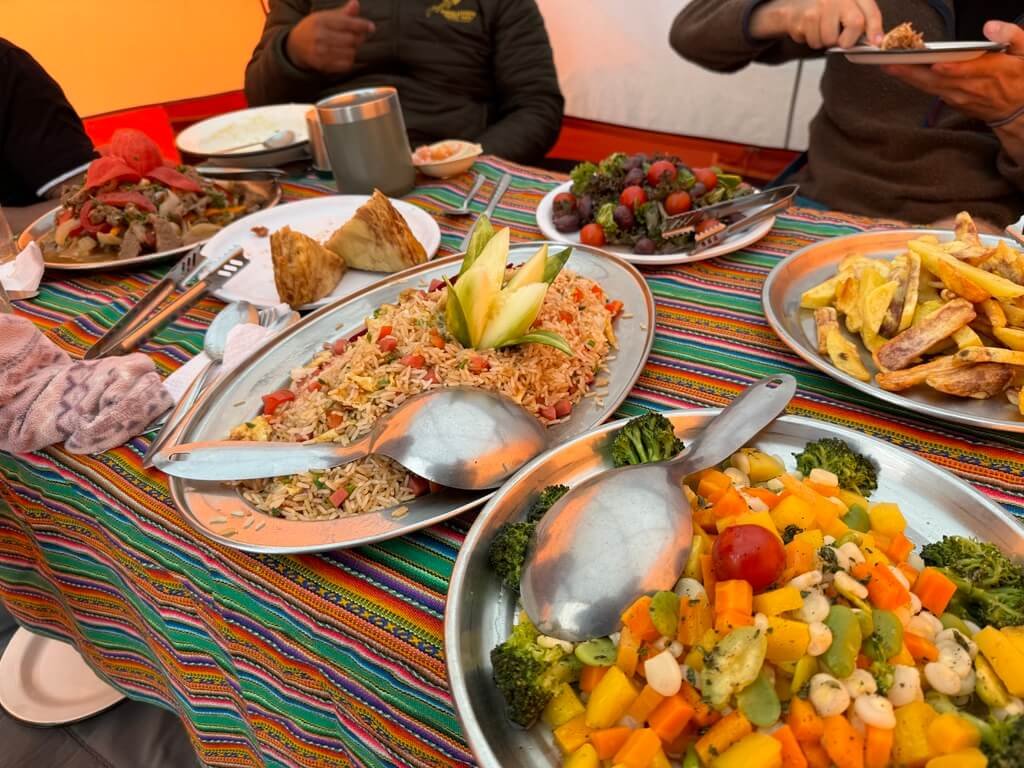
- Meals During the Trek: Tours cover meals during the trek, ensuring trekkers are well-fed with nutritious, energy-boosting food throughout the journey.
- Machu Picchu Entrance Ticket: The tour comes with a ticket to Machu Picchu, allowing trekkers to visit the iconic Incan site at the end of the trek.
- Train Ticket from Aguas Calientes: A train ticket is provided to travel from Aguas Calientes to Ollantaytambo, completing the journey to Machu Picchu.
- Bus Ticket to Machu Picchu: The bus ticket covers the transport from Aguas Calientes to the entrance of Machu Picchu, making the final leg of the journey more convenient.
The items not included in the Inca Jungle Trek are listed below.
- Sleeping bag (if needed): Travelers must bring their sleeping bags, as they are not provided during the trek. The sleeping bag must be suitable for the trek’s conditions for cold nights.
- Tips for guides: Tips for the trek guides and porters are not included in the price of the trek. Travelers offer gratuity for excellent service as a custom, though the amount is at the trekkers’ discretion.
- Optional activities: Activities (zip-lining, mountain biking, hot spring visits) are available as optional add-ons. The activities are not part of the standard itinerary and require separate payment.
- Huayna Picchu or Machu Picchu Mountain tickets: Tickets for climbing Huayna Picchu or Machu Picchu Mountain, which offer stunning views of the site, are not included. The tickets must be purchased separately if desired.
- Personal expenses: Personal expenses (souvenirs, snacks, or beverages) are not covered by the trek. Travelers are responsible for their own personal spending during the journey.
The Inca Jungle Trek 4 Days to Machu Picchu itinerary offers an adventure-based progression with a mix of activities each day. Trekkers begin the first day with a thrilling bike ride down the Abra Malaga Pass, descending from the high Andes to the tropical jungle. The second day involves hiking through lush landscapes, passing by ancient Inca sites and local villages, with a stop at the hot springs in Santa Teresa for relaxation.
Travelers open the third day with a ziplining adventure adds an adrenaline rush before continuing the hike toward Aguas Calientes, the gateway to Machu Picchu. The final day is dedicated to the awe-inspiring exploration of Machu Picchu, where trekkers get to witness the ancient wonder at sunrise. The itinerary combines cultural immersion, physical challenge, and thrilling activities, making it an unforgettable journey to one of the world’s most iconic landmarks.
Inca Jungle Day 1
Cusco to Santa Maria via Mountain Biking
Overview :
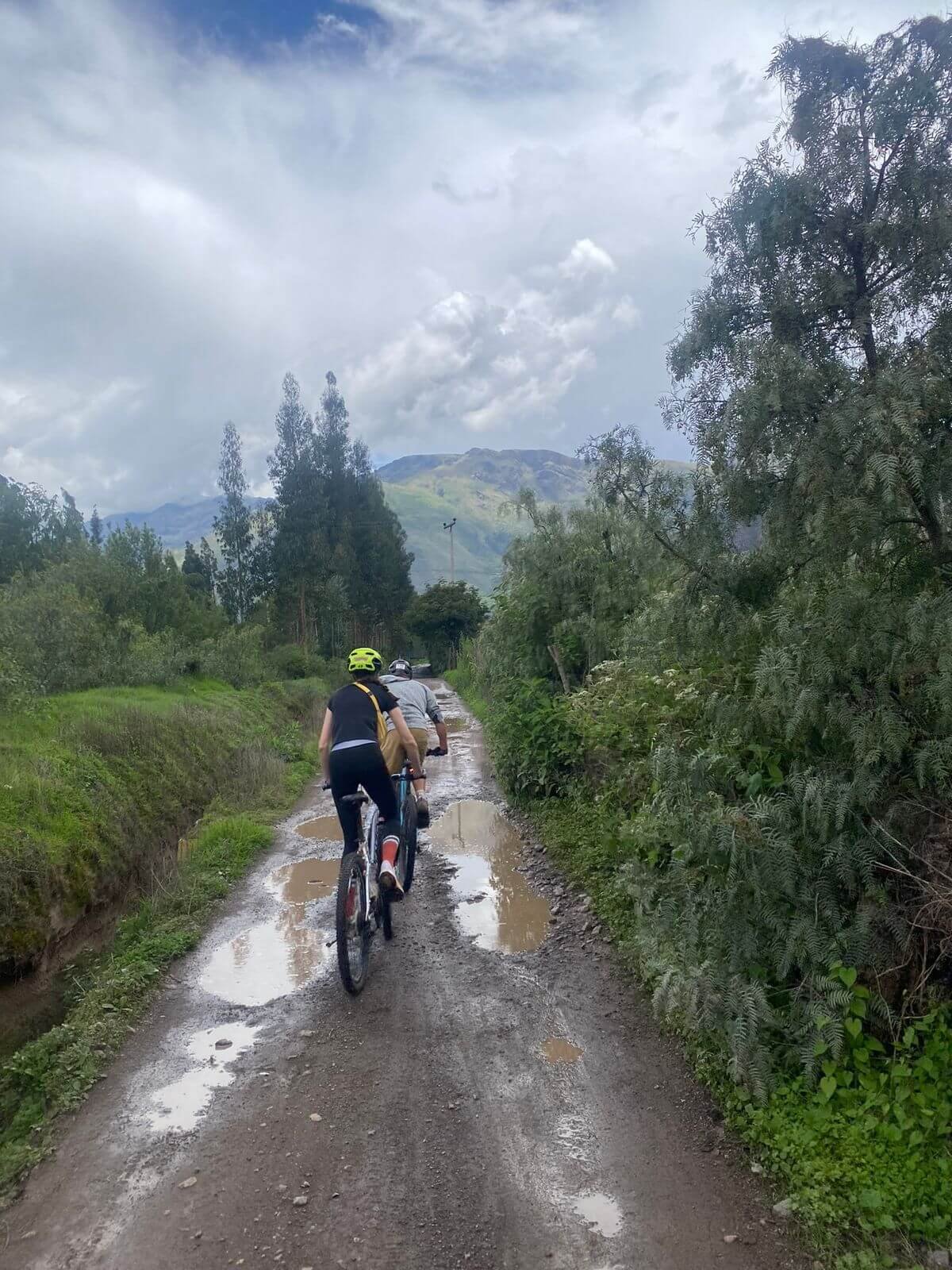
The first day begins with an exhilarating mountain biking descent from the high Andes into cloud forest terrain. Groups depart Cusco early and travel by van to Abra Málaga pass, the highest point of the journey. Cyclists descend from the pass through dramatic mountain scenery, winding past waterfalls, cliff edges, and lush vegetation. The route drops 3,000 meters in elevation, transitioning from alpine tundra to subtropical jungle. The day concludes in the small town of Santa Maria, where trekkers rest at a local hostel.
- Start Time: Between 6:00 AM and 6:30 AM
- Travel Time from Cusco: 3 to 4 hours by van to Abra Málaga pass
- Mountain Biking Distance: 60 km
- Average Biking Time: 3 to 4 hours
- Difficulty Level: Moderate
- Elevation Change: 4,350m (14,271ft) descending to 1,550m (5,085ft)
- Meals Included: Lunch, Dinner
- Accommodation: Hostel in Santa Maria
- Route: Via Abra Málaga pass through Ollantaytambo region
Day 1 Highlights
- Depart early from Cusco and ascend by van to Abra Málaga, the highest mountain pass on the route. Experience stunning panoramic views of snow-capped Andean peaks before beginning the descent.
- Bike downhill through changing ecosystems, from barren high-altitude terrain into lush cloud forest. Pass cascading waterfalls and navigate switchback mountain roads with dramatic cliff-side views.
- Witness the dramatic elevation change as vegetation transforms from sparse alpine plants to dense tropical growth. The long descent requires minimal pedaling but demands focus and control.
- Arrive in Santa Maria, a small jungle town surrounded by coffee and coca plantations. Rest and prepare for the hiking portion of the trek beginning the next morning.
- Maximum Altitude: 4,350m (14,271ft)
- Night Temperature: 18°C / 64°F
Inca Jungle Day 2
Santa Maria to Santa Teresa
Overview
The second day transitions from biking to trekking as groups hike through authentic jungle terrain. The trail follows ancient paths used by local farmers, winding through coffee plantations, banana groves, and dense tropical vegetation. Trekkers cross hanging bridges over rushing rivers and climb steep jungle paths with limited shade. Optional white-water rafting on the Urubamba River provides an adrenaline-filled alternative or addition to the morning hike. The day ends in Santa Teresa, a larger town with thermal hot springs.
- Hiking Distance: 11 miles / 18 km
- Average Hiking Time: 6-7 hours
- Difficulty Level: Moderate
- Terrain: Jungle paths, river valleys, hanging bridges, coffee plantations
- Elevation Change: 1,550m (5,085ft) to 1,900m (6,233ft)
- Optional Activities: White-water rafting (Class III-IV rapids) on Urubamba River
- Meals Included: Breakfast, Lunch, Dinner
- Accommodation: Hostel in Santa Teresa
Day 2 Highlights:
- Begin hiking through authentic jungle landscapes rarely seen by typical tourists. Pass through working coffee and fruit plantations where local families harvest crops.
- Cross suspension bridges hanging high above river gorges. Navigate steep ascents and descents on narrow jungle paths surrounded by tropical flora and fauna.
- Optional morning rafting excursion offers thrilling Class III-IV rapids on the Urubamba River. Professional guides lead groups through exciting whitewater sections lasting approximately 2-3 hours.
- Observe local wildlife (birds, butterflies, monkeys) in their natural habitat. Learn about traditional farming methods and crop cultivation from passing farmers.
- Arrive in Santa Teresa with time to explore the town or relax before dinner. Prepare for the next day’s activities at a higher elevation.
Maximum Altitude: 1,900m (6,233ft)
Santa Teresa to Aguas Calientes
Overview: The third day offers diverse activities (zipline, hot springs, trekking) before the final trek to Aguas Calientes. Morning brings options for zipline adventures, soaring above the jungle canopy, or cultural visits to local communities. Trekkers soak in natural hot springs at Santa Teresa after lunch, soothing tired muscles in therapeutic mineral waters. The afternoon trek follows the train tracks and hydroelectric station route toward Aguas Calientes, the gateway town to Machu Picchu. Groups arrive in the evening with time to explore the tourist-filled town before the next morning’s early departure.
- Hiking Distance: 10 miles / 16 km
- Average Hiking Time: 5 to 6 hours
- Difficulty Level: Easy to Moderate
- Terrain: Hydroelectric route, train tracks, gentle valley paths
- Elevation: 1,900m (6,233ft) to 2,040m (6,692ft)
- Optional Morning Activities: Zipline circuit (6 lines up to 500m length) or cultural community visit
- Hot Springs Visit: Cocalmayo Hot Springs in Santa Teresa (included)
- Meals Included: Breakfast, Lunch, Dinner
- Accommodation: Hostel in Aguas Calientes
Day 3 Highlights:
- Begin the morning with an optional zipline adventure featuring six cables stretching up to 500 meters across jungle valleys. Alternative cultural visits allow interaction with local Quechua communities.
- Visit Cocalmayo Hot Springs in Santa Teresa after morning activities. Natural thermal pools at varying temperatures provide relaxation and muscle recovery in a scenic jungle setting.
- Trek along the hydroelectric route following railroad tracks toward Aguas Calientes. Walk through the dramatic Urubamba River canyon with towering cliffs on each side.
- Spot the first glimpses of Huayna Picchu mountain rising above the valley, signaling proximity to Machu Picchu. Experience building anticipation as the final destination approaches.
- Arrive in Aguas Calientes and settle into accommodation. Explore the bustling tourist town filled with restaurants, markets, and shops, preparing visitors for Machu Picchu visits.
Maximum Altitude: 2,040m (6,692ft)
Machu Picchu Guided Tour and Return to Cusco
Overview :The final day culminates with the highlight of the entire journey: exploring the ancient citadel of Machu Picchu. Groups wake before dawn and climb the steep stone steps or take shuttle buses to reach the entrance gates. A professional guide leads a comprehensive tour through the archaeological site, explaining Inca history, architecture, and theories about the city’s purpose. After the guided portion. Visitors get to explore independently, with options to hike Huayna Picchu or Machu Picchu Mountain. The afternoon brings return travel via train and bus to Cusco, arriving in the evening with unforgettable memories.
- Start Time: Between 4:00 AM and 4:30 AM
- Guided Tour Duration: 2 to 3 hours
- Free Exploration Time: 1 to 3 hours (depending on optional hikes)
- Optional Hike: Huayna Picchu (requires advance permit, limited to 400 visitors daily)
- Return Travel: Afternoon train from Aguas Calientes to Ollantaytambo, then bus to Cusco
- Total Return Time: 4 to 5 hours
- Arrival in Cusco: Between 7:00 PM and 9:00 PM
- Meals Included: Breakfast
- Accommodation: None (returns to Cusco)
Day 4 Highlights:
- Wake before sunrise and begin the ascent to the Machu Picchu entrance. Climb approximately 1,700 steps in darkness or take the shuttle bus service departing every few minutes.
- Enter the ancient citadel as dawn breaks, witnessing the sun illuminate the stone structures. A professional guide explains Inca engineering, agricultural terraces, temples, and residential areas during a comprehensive tour.
- Visit key structures (the Temple of the Sun, Intihuatana stone, Temple of the Three Windows, Royal Tomb). Learn theories about Machu Picchu’s purpose (royal estate, sacred site, astronomical observatory).
- Explore independently after the guided tour concludes. Photograph iconic views with Huayna Picchu mountain backdrop. Observe llamas grazing among ancient ruins.
- The optional Huayna Picchu hike offers spectacular aerial views of Machu Picchu from above. The steep climb requires advance permits and takes 2-3 hours round-trip.
- Depart Aguas Calientes by train in the afternoon, traveling through the Sacred Valley back to Ollantaytambo. Transfer by bus to Cusco, arriving in the evening after four days of adventure.
Maximum Altitude: 2,430m (7,972ft)
Weather: Variable; prepare for sun, rain, and fog at any time
The major stops along the Inca Jungle Trail route are listed below.
- Abra Malaga Pass: The highest point of the trail, reaching an altitude of over 4,300 meters. It offers breathtaking panoramic views of the surrounding snow-capped mountains and lush valleys, making it a highlight for trekkers.
- Huamanmarca: An ancient Inca archaeological site located near the base of the mountains. The site features impressive Inca stonework and is believed to have been a strategic military checkpoint in Inca times.
- Santa Teresa: A small town nestled in the valley, known for its peaceful atmosphere and natural beauty. Santa Teresa is home to the popular hot springs where trekkers relax and rejuvenate after a long day of hiking.
- Hydroelectric Station: The station is located along the Urubamba River and is a crucial stop before the final leg of the journey. It is from here that trekkers catch a train to Aguas Calientes, the town at the base of Machu Picchu.
- Aguas Calientes: A bustling town that serves as the gateway to Machu Picchu, offering plenty of amenities for trekkers. It is here that travelers rest before heading to the iconic site early the next morning.
No, the Inca Jungle Trail does not lead directly to Machu Picchu. The trail ends in Aguas Calientes, a small town located beneath the Machu Picchu mountain. Travelers must take a train from Aguas Calientes to the Machu Picchu station, which is a short ride to the entrance of the archaeological site. Tavelers choose to hike up to the entrance from Aguas Calientes, which takes about an hour and offers stunning views of the surrounding landscape. The combination of hiking and train travel provides a unique experience for visitors on their way to Machu Picchu.
The items to pack for the Inca Jungle Trek to Machu Picchu are listed below:
- Daypack: A daypack is essential for carrying personal items during the trek. The bag must be lightweight, comfortable, and large enough to hold essentials (a water bottle, snacks, a light jacket).
- Rain Gear: Rain gear is necessary to protect yourself from unexpected rain showers in the jungle. A breathable, waterproof jacket and pants will ensure comfort and dryness throughout the trek.
- Water System: A reliable water system, such as a hydration pack or reusable water bottle, is essential to staying hydrated. The trek is physically demanding, and proper hydration is essential for maintaining energy.
- Sun Protection: Sun protection is vital for long hours of exposure to the sun at higher altitudes. Bring sunscreen with a high SPF, sunglasses, and a hat to shield yourself from harmful UV rays.
- Personal Medication: Carrying personal medication is important for managing any health needs during the trek. Ensure there are enough of any required prescriptions and over-the-counter remedies.
- Swimwear for Hot Springs: Swimwear is essential if you plan to visit the natural hot springs along the trek. Pack a swimsuit to enjoy a relaxing soak, as recommended by trekkers familiar with the Inca Trail packing list.
- Snacks: Snacks are important for maintaining energy during the trek. Carry nutritious, non-perishable snacks like energy bars, nuts, or dried fruit to fuel between meals.
The documents that are required for the Inca Jungle Trail are listed below:
- Original Passport: The original passport is required as a primary form of identification for trekkers. Travelers must carry their passports at all times during the trek and present them at check-in points for entry to Machu Picchu.
- Machu Picchu Entrance Ticket: A valid Machu Picchu entrance ticket is essential for accessing the site at the end of the trail. The ticket is separate from the Inca Jungle Trail permit and must be purchased in advance.
- Travel Insurance: Travel insurance is crucial for covering medical emergencies, trip cancellations, or other unforeseen events. Ensure that the insurance policy covers activities like trekking and potential evacuation.
- Inca Jungle Trail Permit: An Inca Jungle Trail permit is required to participate in the trek. The permit is organized through licensed tour operators and is issued to a limited number of trekkers daily to protect the environment.
- Emergency Contact Information: Carrying emergency contact information is vital in case of any serious health issues or accidents. The information contains contacts for medical emergencies, family, or friends in case of urgent situations.
- Vaccination Certificate: A vaccination certificate is required for diseases (yellow fever, smallpox). Ensure that the certificate is up-to-date and meets the health requirements set by local authorities.
- Hotel Reservation Confirmation: A confirmation of hotel reservations in Cusco or Ollantaytambo is required by the authorities to verify the entry point for the trek. Travelers must have proof of accommodation for at least one night before the start of the Inca Jungle Trail.
The clothes you should pack for the Jungle Trek to Machu Picchu are listed below:
- Moisture-wicking long-sleeve shirts: Shirts designed to pull sweat away from the skin, keeping the body dry during physical activities. The clothes provide sun protection while allowing breathability in hot and humid conditions.
- Lightweight, breathable pants: Pants made from materials that allow air circulation, helping to regulate body temperature. The type of pants is comfortable for long hikes and quick-drying in case of rain or sweat.
- Insulating fleece or jacket: A layer that offers warmth in cooler temperatures by trapping body heat. Fleece materials are lightweight, breathable, and easy to pack.
- Waterproof jacket or poncho: An outer layer that protects against rain and moisture, keep dry during unexpected weather. Essential for comfort and warmth during the trek.
- Sturdy, waterproof hiking boots: Boots that provide ankle support and protect feet from rough terrain and water. Important for maintaining stability and preventing injuries while trekking through wet and uneven paths.
- Comfortable, moisture-wicking socks: Socks that keep feet dry by drawing moisture away from the skin, reducing the risk of blisters. The socks offer comfort and help prevent foot fatigue on long hikes.
- Hat for sun protection: A wide-brimmed hat that provides shade to the face and neck, reducing sun exposure. The headgear helps prevent sunburn and keep cool in the intense sun.
- Sunglasses with UV protection: Sunglasses that shield eyes from harmful rays, preventing eye strain and long-term damage. Protective eyewear is essential for maintaining vision clarity in bright outdoor environments.
- Lightweight gloves: Gloves that provide warmth and protection for hands during colder mornings or harsh conditions. Trekking gloves must be breathable and comfortable to keep hands dry and free from chafing.
- Lightweight backpack: A small, lightweight bag used to carry essentials such as water, snacks, and a first aid kit. The backpack must be comfortable and ergonomic for easy carrying during the hike.
- Bandana or scarf: A versatile item used for sweat management, protecting from dust, or providing extra warmth. Travelers use the bandana as a head covering or neck protector from the sun.
To prepare for the Inca Jungle Trail Trek, follow the seven steps listed below.
- Choose the Right Gear. Pack comfortable hiking boots, light clothes, a rain jacket, and a warm layer for chilly mornings. Ensure the gear is durable and suitable for diverse weather conditions.
- Get Physically Ready. Train by walking, hiking, or doing cardio exercises. Build endurance, focusing on leg strength and stamina to handle steep ascents and descents.
- Acclimatize to the high altitude. Spend a few days in Cusco or nearby areas before the trek to adjust to the higher altitude. The stay helps prevent altitude sickness.
- Pack Essential Items. Bring a small backpack with personal items such as sunscreen, insect repellent, a hat, and a water bottle. A headlamp and basic first-aid kit are recommended.
- Stay Hydrated and Nourished. Drink plenty of water and eat high-energy foods (nuts, fruits, energy bars). Proper nutrition boosts energy levels for the demanding trek.
- Research the Trek. Understand the itinerary, key stops, and daily walking distances. Know the trail conditions and the physical challenges to encounter.
- Book with a Reputable Operator. Ensure the trekking tour is with a licensed, experienced operator to guarantee safety, proper equipment, and knowledgeable guides. Double-check details to ensure proper preparation for Inca Trail.
The level of fitness required for the Inca Jungle Trail is moderate. The trek combines hiking, biking, and zip-lining, demanding a well-rounded level of physical endurance. The hiking segments cover steep, challenging ascents and descents that are taxing on the legs. Hikers travel various terrains (jungle paths, rocky trails), requiring strength and agility. Participants must be comfortable walking for several hours each day with a backpack.
Biking is another key component of the Inca Jungle Trail. Travelers ride on diverse surfaces (dirt paths, uphill climbs). The portion requires stamina and the ability to control the bike on descents and ascents, demanding core strength and balance. Riders face challenging climbs and exhilarating downhill stretches, making biking endurance crucial.
Zip-lining offers a brief, thrilling experience but requires participants to have a basic level of fitness to handle the short bursts of activity. The Inca Jungle Trail is designed for travelers with a moderate fitness level, requiring cardiovascular endurance, strength for biking and hiking, and a readiness for physical exertion over several days. Proper preparation with endurance training and leg strength exercises improves the experience.
Yes, the Inca Jungle is suitable for first-time trekkers. The trek offers a mix of moderate difficulty and diverse landscapes, making it accessible to travelers with basic fitness levels. The Inca Jungle Trail does not require advanced technical skills, but involves some challenging uphill sections and variable weather conditions.
Tour operators provide guided assistance, ensuring safety and support throughout the journey. The combination of hiking, biking, and rafting allows for a varied experience, which is appealing to beginners looking for an adventurous and manageable trek. Adequate physical preparation and acclimatization to altitude are essential for a comfortable experience.
The Inca Jungle Trail is moderate in difficulty. The trek covers various activities (mountain biking, hiking, zip-lining), each with different levels of intensity. Altitude plays a significant role in the challenge, with the trail reaching over 4,300 meters at Abra Malaga Pass.
The lower sections are relatively easier, but the steep ascents and rocky terrain become more demanding as trekkers climb higher. Hiking through dense jungle, along narrow paths, and crossing rivers is physically taxing. Weather conditions influence the Inca Trail difficulty, with heavy rainfall making parts of the trail slippery and muddy. The trek is manageable for individuals with a good fitness level, but preparation and acclimatization are key to avoiding altitude sickness.
Yes, guided tours are necessary for the Inca Jungle Trail. The route covers various terrains (dense jungle, rugged mountain paths, areas with limited infrastructure), making navigation challenging for trekkers unfamiliar with the region. A professional guide ensures safety by providing guidance on how to handle the physical demands of the trail and addressing any potential hazards.
Guides are knowledgeable about the area’s history, culture, and natural environment, offering valuable insights that enrich the experience. Expert guides manage essential aspects of the trek (securing permits, organizing transportation, and arranging meals, accommodations, and gear). Having a guide is crucial for smooth logistics and emergencies. Operators follow strict regulations requiring a licensed guide for trail access, ensuring compliance with local rules and enhancing the overall safety of the trip.
Preparation is important for the Inca Jungle Trek because it ensures safety, enjoyment, and endurance. Proper preparation increases safety by reducing the risk of injury and illness. A well-packed bag with essential items (first aid kits, appropriate footwear, adequate water) reduces exposure to environmental hazards.
Enjoyment increases when trekkers are physically and mentally ready for the demands of the trek. Knowing what to expect (the terrain and climate) allows participants to engage fully in the experience without unexpected challenges. Endurance plays a key role in completing the trek. Physical preparation ensures that trekkers handles the demanding climbs and long days, maintaining stamina throughout the journey. A well-prepared trekker is ready to experience the Inca Jungle Trek in its entirety, gaining the most from the adventure.
The best time to do the Inca Jungle Trail is during the dry season from May to September. The weather is sunny during the season, with minimal rain, making the trek more manageable and enjoyable. The dry season offers clear skies, stable temperatures, and less mud on the trails, reducing the risk of slippery paths.
The dry season is the peak tourist season, which means the Inca Jungle Trail is more crowded. The months of April and October are suitable for trekking, as they are considered shoulder seasons, offering fewer tourists and relatively good weather conditions. Shoulder months provide an alternative to the best time to do Inca Trail. Trekking during the wet season (November to March) presents challenges due to heavy rainfall, mudslides, and the risk of trail closures. Travel during the months is less recommended due to the difficulty in navigating the trail.
May to September offer the best conditions for the Inca Jungle Trail. The months feature dry weather, clear skies, and mild temperatures, providing optimal trekking conditions. May marks the beginning of the dry season, with moderate temperatures and minimal rainfall.
June and July are the peak months, offering the clearest weather and cooler temperatures, ideal for hiking. August continues with dry conditions, though temperatures may rise slightly compared to the previous months. September signals the end of the dry season, with temperatures increasing but still comfortable for trekking.
No, the Inca Jungle Trail cannot be done during the rainy season. The rainy season in the Andes, which spans from November to March, impacts the trail conditions. Heavy rainfall is common, causing trails to become slippery and treacherous. The rain makes the paths muddy, which increases the risk of slips and falls in the steep sections of the trail. Areas of the trail become impassable due to flooding or landslides triggered by the constant downpours. Visibility is often reduced, which complicates navigation and makes the trek less enjoyable.
River levels are another concern, which tend to rise during the rainy season. The situation makes crossings more hazardous and increases the risk of accidents. The dense cloud cover and moisture make it harder to enjoy the scenic views that the Inca Jungle Trail is known for.
What our clients have to say
Clients say that Evolution Treks Peru is a highly professional and reliable tour operator, known for providing exceptional experiences along the Inca Jungle Trail and other trekking routes. Reviewers highlight the knowledgeable and friendly guides who ensure safety while sharing insights into the history and culture of the region.
Customers appreciate the well-organized logistics, from transport to accommodations, making the trip hassle-free. The company is praised for its attention to detail and commitment to offering an adventure that combines physical challenge, natural beauty, and cultural immersion.
Carlos Mendoza
Date: January 5, 2026
Rating: 5 stars
The Inca Jungle Trail was an unforgettable experience! The mix of biking, hiking, and ziplining made it an adventure from start to finish. Our guide was incredibly knowledgeable and made sure we stayed safe while enjoying the beautiful views of the Andes and the jungle. The hot springs in Santa Teresa were a perfect break, and reaching Machu Picchu on the last day was a dream come true. Highly recommend the trek for anyone looking for something different from the traditional Inca Trail.
Sarah Thompson
Date: December 15, 2025
Rating: 4 stars
I had a fantastic time on the Inca Jungle Trail. The first day’s bike ride was exhilarating, and the scenery was stunning. The hike was challenging but rewarding, with beautiful nature all around. The only downside was the weather on the second day—it rained a bit, making the trail slippery. Despite that, the hot springs were amazing, and finishing the trek at Machu Picchu was worth every step. Overall, a great adventure for active travelers.
Alexandra Fisher
Date: November 20, 2025
Rating: 3 stars
While the Inca Jungle Trail was an exciting adventure, it didn’t meet all my expectations. The biking was great, but the hike felt long and tough, especially with the high altitude. Ziplining was a fun highlight, and I enjoyed the cultural stops along the way. However, I found the accommodations to be basic and not as comfortable as I hoped for. If you’re looking for a physical challenge and don’t mind roughing it a bit, it is a great choice.
Michael O’Connor
Date: October 10, 2025
Rating: 5 stars
What an incredible experience! From the moment we started biking down the mountainside to the stunning arrival at Machu Picchu, everything about the Inca Jungle Trail was amazing. The variety of activities kept things exciting—each day felt like a new adventure. The hot springs were a perfect way to relax after a day of hiking, and the zipline through the jungle was a thrilling experience. The trek exceeded all my expectations, and I would recommend it to anyone seeking a unique and active way to explore Peru.
The fitness level required for the Inca Jungle Trek 4 Days is moderate. The Inca Jungle Trek involves hiking through challenging terrain (steep ascents, jungle paths, mountain trails). It requires endurance to manage long hiking days that span 6-8 hours. The trek demands cardiovascular fitness to maintain a steady pace over long distances, especially in high-altitude environments.
Leg strength is necessary to handle the uphill and downhill sections, which are physically demanding. The ability to hike over uneven, slippery terrain is important for safety and efficiency. Preparing physically through endurance exercises like walking, hiking, and leg strengthening helps build the stamina needed to complete the journey. Trekkers with moderate fitness levels find the trek manageable with proper preparation, allowing for an enjoyable and safe experience on the trail.
Physical fitness should be considered before attempting the Jungle Trek to Machu Picchu. The adventure requires participants to be physically prepared for the combination of hiking, biking, and zip-lining. The hike covers steep climbs, descents, and navigating through jungle paths and rocky trails, which is physically demanding. Hikers must be ready for long hours of walking each day, carrying a backpack. The biking segment presents a challenge, as it involves riding on uneven terrain uphill and downhill, requiring good balance and stamina. Zip-lining provides a thrilling experience, but it still requires a basic level of fitness for safety and enjoyment.
Acclimatization to the high altitude is necessary, as the trek involves areas at significant elevations where altitude sickness occurs. Spending a few days in Cusco or nearby areas before the trek allows the body to adjust and reduces the risk of discomfort or health issues during the journey. Mental preparedness is just as important, as the trek’s terrain is challenging and unpredictable weather conditions add difficulty.
Yes, seniors and children can do the Inca Jungle Trail to Machu Picchu. The trek offers a moderate level of difficulty with various segments that are suitable for different fitness levels. Seniors must be in good physical health and have a reasonable level of stamina for the uphill sections.
Children ages 10 and above are able to participate, as long as they are physically capable of walking for extended hours. Trekkers must check with tour operators about specific age and health requirements. Some operators offer adjusted itineraries for families or older trekkers. Proper acclimatization to altitude is important for seniors and children to avoid altitude sickness.
Yes, there are limited medical facilities along the Inca Jungle Trek. There are points along the Inca Jungle Trek where assistance is available. Santa Teresa and Aguas Calientes have small clinics that offer basic medical services. Trekking operators employ guides who are trained in first aid and handle common trekking-related injuries (sprains, dehydration).
There are established evacuation procedures to transport trekkers to the nearest town with more advanced medical care. The evacuation requires a helicopter or a lengthy journey by road, depending on the severity of the situation.
Trekkers must carry a personal first-aid kit with necessary medications, and ensure travel insurance covers emergency evacuations. Travelling at high altitudes increases the risk of altitude sickness, so travelers must monitor for symptoms and seek assistance early if needed.
Get permits for the Inca Jungle Trail from licensed tour operators in Peru. The operators are authorized by the Peruvian government to issue permits for trekking the Inca Jungle Trail, ensuring that all necessary logistics and legal requirements are met. The permits are limited to manage the number of visitors and to help preserve the trail’s natural beauty.
Getting permits for the Inca Jungle Trail involves booking the trail through an established agency, which takes care of transportation, local accommodations, guides, and the necessary paperwork. The permits themselves are issued through the operators, who work directly with the Ministry of Culture or local government authorities. Booking in advance is essential during high seasons, as the number of permits available for the Inca Jungle Trail is restricted. Permits for the Inca Jungle Trail are not available for direct purchase from government offices or online platforms; they must be acquired through authorized operators.
To book the Inca Jungle Trek with a licensed tour operator, follow the 5 steps below:
- Research tour operators: Search for reputable companies that offer the Inca Jungle Trek with licensed guides. Focus on operators that comply with local regulations and have positive reviews from previous trekkers.
- Check for licenses and permits: Ensure that the tour operator is authorized by the Peruvian government to operate on the Inca Jungle Trail. Look for licenses or certifications that guarantee compliance with local laws and safety standards.
- Select a tour package: Choose a package that fits the preferred trekking dates, duration, and level of difficulty. Tour packages vary in terms of inclusions, such as transportation, meals, or accommodation.
- Contact the operator: Reach out to the selected operator to confirm availability, ask about specific details of the trek, and clarify pricing. Verify that the operator includes a licensed guide for the duration of the trek.
- Confirm booking and make payment: Once the chosen tour package and operator are finalized, confirm the booking and make the necessary payment to secure a spot. Ensure that the payment process is secure, and ask for a receipt or confirmation email.
The factors that affect the Inca Jungle Trek 4 Days price are listed below:
- Seasonality: The price varies depending on the time of year. High-season months like June to August experience increased demand, which results in higher prices.
- Group Size: The number of people in a group affects the price. Smaller groups or private tours incur higher costs due to more personalized experiences.
- Accommodation: Accommodation type, whether it is basic or luxurious, influences the trek price. Lodges with more amenities or higher comfort levels lead to increased costs.
- Guide Experience: Highly experienced and certified guides often charge more for their services. The guides offer in-depth knowledge and greater expertise, which justifies the higher price.
- Inclusions: The price varies based on the included services, such as meals, transportation, entrance fees, and additional activities. Extra experiences (hot spring visits, guided tours of Machu Picchu) raise the cost.
- Transport Type: The type of transportation provided (private transfers, shared transport) impacts the trek price. Private transport tends to be pricier than shared options.
- Permits: Trekking permits to access the Inca Jungle and Machu Picchu contribute to the overall cost. Permit prices fluctuate depending on availability and the time of year.
Yes, the Jungle Trek Machu Picchu price does include Machu Picchu entry. Jungle Trek packages cover the full cost of the Machu Picchu entrance ticket, which is necessary for accessing the site at the end of the trek. The fee is included in the total cost of the trek to ensure trekkers have a seamless experience without needing to buy a separate ticket for the Machu Picchu visit.
The price covers the cost of permits for the trail, transportation, guided tours, and accommodation. Tour operators offer different packages where the entry fee is separate or optional. Verify with the tour provider before booking to confirm that the Machu Picchu entry ticket is included in the price.
4,350 meters (14,271 feet) is the highest altitude reached on the Inca Jungle Trek 4 Days. The elevation is reached at the summit of Dead Woman’s Pass, which lies along the classic Inca Trail. The pass is located between the towns of Ollantaytambo and Machu Picchu, and it represents the most physically demanding section of the trek.
Ascending Dead Woman’s Pass requires hikers to navigate challenging terrain and varying weather conditions (cooler temperatures, thinner air) as they climb higher. Reaching the pass offers panoramic views of the surrounding Andes mountains, which include lush valleys and jagged peaks. Trekkers descend into the cloud forest, heading toward the Machu Picchu ruins. The high altitude at Dead Woman’s Pass is one of the main obstacles on the trek, making proper acclimatization and physical preparation essential for a successful journey.
Tour operators handle altitude sickness on the Jungle Trek by implementing precautionary measures to ensure the safety and well-being of trekkers. The measures cover acclimatization days in Cusco or nearby areas before the trek begins, allowing trekkers to adjust to the higher altitudes. Guides are trained to recognize early signs of altitude sickness (dizziness, headaches, shortness of breath) and recommend immediate rest or a descent if symptoms worsen.
Operators provide advice on staying hydrated and eating well during the trek, as proper nutrition and hydration help mitigate altitude-related issues. Tour staff carry oxygen tanks as a backup in case a trekker experiences severe symptoms. Tour operators ensure that trekkers safely navigate the high-altitude portions of the Jungle Trek.
No, oxygen is not available during the Inca Jungle Trail to Machu Picchu. The Inca Jungle Trail does not provide supplemental oxygen along the route. The trek takes place at high altitudes, particularly in the first few days, where elevation sickness is a concern. Acclimatizing to the altitude before the trek by spending a few days in Cusco or nearby areas helps the body adjust.
Travelers are encouraged to stay hydrated, rest when necessary, and pace themselves to reduce the risks of altitude sickness. If symptoms of altitude sickness occur, it is important to descend to a lower elevation and seek medical attention. Proper physical preparation and acclimatization are the best ways to ensure a safe experience on the trail.
Immediate assistance happens in case of an emergency during the Jungle Trek. Trek operators are equipped with emergency protocols, and guides are trained to handle various situations (medical emergencies, injuries). Immediate action is taken to provide first aid and stabilize the trekker in the event of an injury or health issue. Evacuation procedures are in place, where the affected trekker is transported to a safe location by vehicle or on foot, depending on the severity of the situation and terrain.
Local medical facilities are contacted for further care in more serious cases. The trek operator is responsible for ensuring that all participants have access to emergency services and is familiar with the nearest hospitals and medical stations. Trekkers must have travel insurance that covers emergencies. Trekking in a group with an experienced guide increases safety, as they are familiar with the area and quickly respond to emergencies if they arise.
You hike 4 to 7 hours per day on the Inca Jungle Trek 4 Days. The Inca Jungle Trek lasts for four days, with hikers walking between 4 to 7 hours each day. The daily hike varies in difficulty and terrain, with some days involving longer stretches due to the elevation changes and mixed activities.
Day 1 involves a mix of downhill biking and a shorter hike. The second day requires a hike of up to 7 hours, depending on the pace, and is the most challenging. The third and fourth days involve moderate hikes, culminating in the final stretch to Machu Picchu. Rest breaks and meals are scheduled during the trek to maintain energy levels, ensuring that the physical demands are manageable for participants with an average fitness level.
Each day of the Jungle Trek Machu Picchu looks like a combination of hiking, biking, and rafting, offering a diverse adventure. Trekkers arrive in the morning on the first day and begin with a downhill mountain biking session that leads through scenic landscapes and small villages. The second day involves a challenging hike through the jungle, covering diverse terrain. Day 2 ends at the town of Santa Teresa, where trekkers relax in hot springs.
The trek continues with a mix of hiking and rafting along the Urubamba River on the third day, which provides a refreshing and exhilarating break from the more strenuous aspects of the trek. The final day is dedicated to reaching Aguas Calientes and catching a train to Machu Picchu, where trekkers explore the iconic Inca site before concluding the journey. Each day is planned to balance physical activity with rest, ensuring an exciting yet manageable experience for trekkers..”
The archaeological sites visited on the Inca Jungle Trail to Machu Picchu are listed below.
- Abra Malaga: An ancient Inca site located at the highest point of the trail. It was likely a ceremonial area used by the Incas to connect different regions.
- Huamanmarca: An archaeological site featuring Inca stonework and ruins. It is believed to have been a military checkpoint used by the Incas to protect their territory.
- Intihuatana: A small but significant site near the town of Santa Teresa. The site is a minor version of the more famous Intihuatana found in Machu Picchu, used as a solar clock and ceremonial space.
- Choquequirao: Choquequirao is visible from various points on the Inca Jungle Trail. The ruin is known as the “sacred cradle” and is a large Inca archaeological site thought to have been a religious center.
- Aguas Calientes: The town is the gateway to Machu Picchu, which houses remnants of Inca structures. Aguas Calientes is near the site of a famous Inca road that connects the jungle to the highlands.
Yes, the Inca Jungle Trek does include train travel. The Inca Jungle trek involves hiking through diverse terrains (jungle, mountains, valleys). Trekkers arrive in Aguas Calientes after completing the hike. Travelers must board a train to reach the Machu Picchu entrance from Aguas Calientes.
The train ride offers a comfortable and scenic journey through the Sacred Valley, with stunning views of the surrounding mountains and the Vilcanota River. Train options vary, with some services offering more luxurious experiences (glass-roofed carriages for better views). The train ride takes 30 minutes, making it a convenient and picturesque way to reach the iconic Machu Picchu.
Yes, beginners can complete the Inca Jungle Trek 4 Days. The Inca Jungle Trek 4 Days is designed to be accessible to people with varying fitness levels. It has moderate and challenging sections, but with proper preparation and guidance, individuals with limited trekking experience manage to take the route.
Tour companies offer tailored support (experienced guides, equipment, transportation), which helps make the journey more manageable. Physical conditioning before the trek improves endurance. Taking regular breaks during the trek ensures that beginners maintain their stamina throughout the experience. Proper preparation in terms of packing, hydration, and rest is essential for a successful trek.
To prepare for the Jungle Trek Machu Picchu, follow the seven steps listed below.
- Get in Shape: Ensure physical fitness by training in advance. Engage in regular cardiovascular and strength exercises to prepare for the trek’s physical demands.
- Obtain the Required Documents: Ensure all necessary documents (a valid passport, travel insurance, and the required Inca Jungle Trail permit) are ready.
- Choose the Right Gear: Pack appropriate gear (sturdy hiking boots, lightweight clothing, a waterproof jacket, a comfortable backpack). Don’t forget sunscreen, insect repellent and hat.
- Arrange Accommodation and Transportation: Book accommodation in Cusco or Ollantaytambo, and confirm transportation details to the trailhead. Ensure having transportation to the starting point and from Machu Picchu afterward.
- Get Vaccinations: Consult a healthcare professional to ensure necessary vaccinations are up-to-date for yellow fever, if applicable to the region.
- Stay Hydrated and Eat Well: Stay hydrated and eat nutritious meals before and during the trek. Proper nutrition ensures energy and stamina for the physically demanding journey.
- Plan for Altitude Adjustment: Spend a few days in Cusco to acclimatize to the high altitude before starting the trek. The strategy helps prevent altitude sickness and ensures better performance throughout the trail.
The best way to train for the Inca Jungle Trek 4 Days is to focus on building endurance, strength, and altitude tolerance. The Inca Jungle trek involves steep ascents, uneven terrain, and high altitudes, which require physical conditioning and preparation.
Endurance training is essential for maintaining stamina during long days of hiking. A routine of walking or hiking on trails with varying inclines helps simulate the conditions of the trek. Cardiovascular fitness is improved by incorporating aerobic exercises (running, cycling, swimming) into the weekly workout routine. Strength training that focuses on the legs, core, and upper body is crucial for tackling the demanding climbs.
Leg exercises (squats, lunges, and step-ups) strengthen the muscles used during the trek. Preparing for high altitudes is vital for acclimatization. Training at higher elevations or using a treadmill set to an incline helps condition the body to function with reduced oxygen levels. Hydration, rest, and proper nutrition must be prioritized to ensure that the body is well-prepared for the physical challenges of the trek.
You need to be moderately fit for the Inca Jungle Trail. A moderate level of fitness is required for the Inca Jungle Trail. The trek involves several days of physical activity (hiking, biking, zip-lining), with daily distances ranging from 8 to 15 kilometers. The trail contains steep ascents and descents, which require leg strength and stamina.
Trekkers need a base level of cardiovascular fitness to endure the physical demands. Participants who regularly walk, jog, or engage in moderate exercise fare better, but it is important to prepare through strength and endurance training before embarking on the journey. Travelers must acclimatize to the altitude to prevent altitude sickness, which affects even the fittest trekkers.
Yes, beginners can prepare successfully for the Inca Jungle Trek. Beginners successfully prepare by focusing on building endurance and strength. Physical conditioning (walking, hiking, cardio exercises) is essential to handle the trek’s demanding terrain. The Inca Jungle Trek covers varied terrain (steep ascents, mountain paths) and jungle conditions that require stamina.
Beginners improve their fitness levels by gradually increasing the intensity of their training to include longer hikes with elevation. Acclimatizing to the altitude before starting the trek in locations like Cusco or nearby areas helps reduce the risks of altitude sickness. Beginners who commit to a structured fitness plan (strengthening their legs, improving cardiovascular health) manages the physical challenges of the trek. Proper preparation helps beginners enjoy the experience without facing undue physical strain.
Preparation is important for the Inca Jungle Trail to Machu Picchu because the trek involves physically demanding activities, high-altitude conditions, and unpredictable weather. The Inca Jungle Trail consists of strenuous routines (hiking, biking, zip-lining) which require physical endurance and strength. Trekkers need to be in good physical condition to manage steep climbs, long hours of hiking, and navigating rugged terrain. Adequate preparation ensures trekkers have the stamina to complete the journey without risking injury or exhaustion.
Acclimatizing to the altitude is another critical aspect of preparation. The trek reaches significant elevations where altitude sickness is a real concern. Spending time at a higher elevation, like Cusco, helps the body adjust to the thinner air and reduces the risk of altitude-related health issues.
Packing the proper gear is essential to facing the trek’s diverse conditions. Weather-resistant clothing, durable footwear, and essential items (sunscreen, a first-aid kit, plenty of water) help ensure safety and comfort throughout the journey. A well-prepared trekker is more likely to enjoy the experience and manage any challenges that arise along the way.


0 Comments