
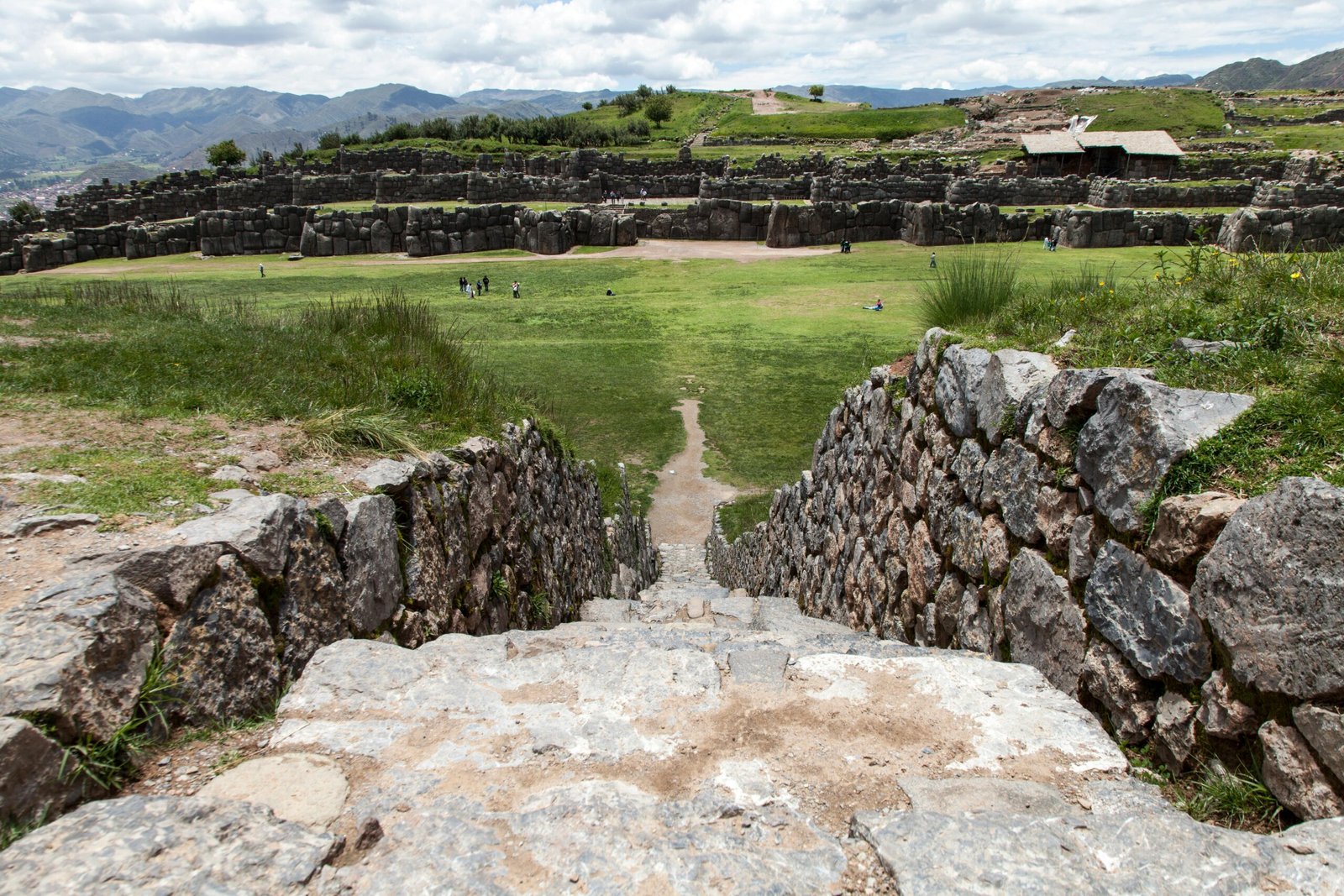

No, the Inca Trail is not dangerous. The Inca Trail’s safety profile of the route reflects better control (regulated access, mandatory licensed guides, constant monitoring) by Peruvian authorities, which places the trail among the safer high-altitude treks in South America. Risk factors exist due to various factors (elevation above 4,000 meters, steep stone staircases at Dead Woman’s Pass, unpredictable mountain weather) that create slick surfaces and reduced visibility.
Altitude sickness presents a challenge on the Inca Trail Peru for trekkers without proper acclimatization in Cusco, while uneven Inca stone steps increase strain on joints during ascents and descents. Professional guides manage pacing, monitor health conditions, and enforce official safety protocols that reduce accidents and medical emergencies. Adherence to rules (acclimatization schedules, guided trekking rules, weather advisories) ensures the Inca Trail remains far from a dangerous Machu Picchu hike.





Inca Trail Tours Review
These Inca Trail reviews share firsthand experiences from travelers who completed the legendary hike to Machu Picchu, highlighting trail conditions, cultural insights, scenery, organization, and the unforgettable arrival at the Lost City of the Incas.

The Inca Trail is considered dangerous because high-altitude exposure, steep stone staircases, and narrow mountain paths increase physical strain and risk during multi-day trekking on the Inca Trail. Elevation changes push hikers from low valleys to passes above 4,000 meters within short distances, which places stress on the cardiovascular system and reduces balance and reaction speed.
Ancient stone steps remain uneven, polished by centuries of use, which increases slip risk during wet weather conditions (rain, mist, early morning frost). Remote trail segments limit immediate medical response, while long hiking days compound fatigue and reduce margin for error during difficult stages (descents, river crossings, exposed ridgelines).
Is the Inca Trail Dangerous or Just Challenging?
Yes, the Inca Trail is challenging. Inca Trail’s difficulty is driven by different challenges (altitude, terrain, physical demands) across multiple trekking days on the Inca Trail. Elevation gains above 4,000 meters place sustained stress on breathing, energy levels, and coordination throughout the route.
Varied terrain (steep stone staircases, uneven surfaces, narrow mountain paths) requires consistent balance, leg strength, and focus during long hiking days. Proper preparation (structured guidance, acclimatization time, proper pacing, suitable equipment) reduces exposure to hazards, which positions the route as physically demanding rather than unsafe by nature.
The Inca Trail is moderately dangerous. The danger level reflects a combination of different factors (altitude exposure, sustained physical strain, and environment) rather than technical climbing risks. Dead Woman’s Pass rises to 4,215 meters, where reduced oxygen levels intensify fatigue, slow recovery, and increase the likelihood of altitude-related symptoms among hikers without adequate acclimatization. Steep ascents involve thousands of uneven stone steps that place continuous stress on different body parts (knees, ankles, lower back muscles) across multiple days.
Narrow trail sections with exposed drop-offs demand steady footing and consistent balance, especially during rain when stone surfaces become slick. Rapid shifts in mountain weather introduce cold temperatures, strong winds, and reduced visibility that affect endurance and coordination. Government safeguards (mandatory licensed guides, controlled daily permits, and maintained trail infrastructure) lower the frequency of serious accidents. The preparation positions the Inca Trail above casual trekking routes and below technical high-altitude expeditions in terms of danger.
The Inca Trail to Machu Picchu is moderately dangerous. The danger of the Inca Trail is due to the challenges (high-altitude exposure, steep stone staircases, narrow cliffside paths, rapidly changing mountain weather). Elevation levels exceeding 4,200 meters reduce oxygen availability, which increases physical strain and raises the risk of altitude-related illness among hikers without proper acclimatization.
Trail sections feature challenging terrain (uneven Inca stone steps, exposed drop-offs, slippery surfaces during rain), which increases the likelihood of danger (slips, falls, joint injuries). Weather patterns in the Andes shift quickly, bringing heavy rain, cold temperatures, or intense sun within a single day, which places additional stress on endurance and hydration management. Trail control measures (guided regulations, maintained routes, emergency protocols) reduce severe incidents. The combination of factors (terrain, altitude, climate) explains why travelers describe the route as “dangerous Inca Trail to Machu Picchu” during multi-day trekking toward Machu Picchu via the historic Inca Trail.
Yes, the dangerous Inca Trail to Machu Picchu is safe for hikers. Safety on the route depends on strict government regulation that requires licensed guides for every trekking group, limiting unsupervised travel and enforcing standardized procedures. Daily permit caps control crowd density, which reduces congestion on narrow paths and stabilizes campsite management.
Trail infrastructure features safety measures (restored stone stairways, drainage systems, fixed routes, and staffed checkpoints) that guide movement through exposed areas. Ranger stations, emergency response coordination, and evacuation protocols provide rapid assistance during health or weather incidents. Physical challenges (altitude, steep ascents, variable climate) receive mitigation (mandatory acclimatization days, guided pacing, scheduled rest stops, predefined campsites) that support recovery during multi-day travel. Guided treks on the Inca Trail to Machu Picchu follow established safety protocols that support controlled progress from start to finish.
No, the road to Machu Picchu is not dangerous. The route structure depends on safety protocols (controlled rail services, authorized shuttle buses, and defined pedestrian segments) rather than open mountain driving. Professional drivers operate buses along the access road to Aguas Calientes under speed limits, checkpoint monitoring, and weather-based restrictions. Rail operators follow management strategies (fixed schedules, maintained tracks, inspection protocols) that limit accident exposure. Safety concerns relate more to altitude response, rain-related delays, and physical fatigue during walking segments than to road design or traffic conditions.
The terrain on the Inca Trail is moderately to highly difficult. The route features thousands of uneven stone steps constructed by the Inca civilization, many rising at sharp angles that demand sustained leg strength and cardiovascular endurance. High-altitude sections near Dead Woman’s Pass reach 4,215 meters, where thinner air increases breathing strain and slows hiking pace.
Long downhill segments require controlled movement on hard stone surfaces, placing continuous load on different parts of the body (knees, ankles, stabilizing muscles). Weather shifts across cloud forests and alpine zones add complexity (rain, humidity, cold mornings, slippery stones) during wet conditions. Multi-day trekking distances combined with elevation gain create cumulative fatigue that intensifies terrain difficulty from start to finish.
The parts of the Inca Trail Peru that are the most dangerous are listed below.
- Dead Woman’s Pass: Extreme elevation, reduced oxygen levels, and prolonged uphill climbing create physical fatigue, dizziness, slowed reaction time, and poor balance along steep stone staircases. Sustained altitude exposure places heavy stress on cardiovascular endurance and muscular control during extended ascents.
- Runkurakay Pass: Narrow stone paths combined with sharp elevation changes create danger, while wet conditions reduce traction on uneven Inca stone steps, increasing slip and fall incidents. Limited footing stability intensifies risk during descent segments following rainfall or morning moisture.
- Sayacmarca Ruins: Exposed cliffside walkways with minimal protective barriers increase fall risk, while strong winds and narrow paths intensify danger during ascent and descent sections. Visual distraction from surrounding drops contributes to misjudged steps along confined stone corridors.
- Phuyupatamarca Staircase: Extremely steep stone steps and long downhill sequences create danger, while knee strain and loss of footing occur during wet or foggy conditions. Repetitive impact on joints reduces stability and control across prolonged descents.
- Intipunku Sun Gate: Narrow stone paths positioned near steep drop-offs create danger, while fatigue near the end of the trek increases missteps during early morning or low-visibility conditions. Reduced concentration during the final approach heightens exposure to balance errors along elevated sections.
The Inca Trail is most dangerous during the rainy season (November, December, January, February, March). Heavy rainfall during the rainy season from November to March creates unstable ground conditions. Prolonged rain increases the various dangers (landslides, mud-covered stone steps, reduced traction on steep sections). Limited visibility from persistent fog and cloud cover reduces depth perception and spatial awareness, increasing the likelihood of missteps on narrow paths.
Peak danger levels rise during January and February, since severe conditions (saturated soil, swollen streams, trail erosion) combine with altitude-related physical strain to elevate accident risk for hikers and trekking staff. High-altitude zones intensify physical fatigue and slow reaction time, which increases fall risk during long ascents and descents. Remote trail sections delay emergency response, turning minor injuries into serious safety situations during severe weather conditions.
Challenging terrain and environment make the Inca Trail dangerous. Steep stone staircases and narrow cliffside paths create constant fall risk along sections near Dead Woman’s Pass and the descent toward Wiñay Wayna. High elevation above 4,000 meters causes altitude sickness symptoms that affect performance (reduced physical coordination, slow reaction time, increased exhaustion) during long ascents. Rapid weather shifts bring heavy, wet conditions (rain, fog, cold temperatures) that increase slipperiness and reduce visibility on exposed trail segments.
Sustained physical strain from multi-day trekking places stress on different body parts (joints, lungs, cardiovascular system), raising injury risk among unprepared hikers. Official notices from Peruvian park authorities and ranger reports document frequent evacuations related to altitude illness, falls, and weather-related incidents. Trekker accounts describe emergency descents and rescue interventions during peak hiking seasons.
The Inca Trail is considered dangerous due to its hardness because of challenging conditions (steep elevation gains, thin air, sustained physical strain) that place continuous stress on the body. Altitude levels exceeding 4,000 meters reduce oxygen availability, leading to decreased performance (faster exhaustion, impaired balance, slower recovery) during consecutive hiking days.
Long ascents followed by abrupt stone descents overload the different parts of the body (knees, ankles, lower back), increasing injury risk without adequate conditioning. Narrow staircases carved into mountainsides combine with uneven Inca stonework to create unstable footing during rain, fog, or early-morning moisture. Remote trail sections limit rapid medical response, intensifying consequences when altitude sickness, dehydration, or muscle failure develops, reinforcing the seriousness of Inca Trail difficulty for unprepared hikers.
Yes, poor preparation can make the Inca Trail dangerous. Poor cardiovascular conditioning leads to poor performance (early fatigue, reduced coordination, slower reflexes) during sustained climbs and long downhill sections on the Inca Trail. Limited altitude exposure before the trek increases the severity of altitude-related symptoms, which interfere with judgment, balance, and physical output at elevations above 4,000 meters. Poor planning (inadequate equipment selection, insufficient water intake planning, weak nutrition strategies) intensifies strain on joints and muscles. Ill-prepared hikers face greater injury risk on uneven stone staircases, slippery surfaces, and isolated mountain segments with delayed medical response.
The weather increases danger on the Inca Trail by creating unstable trail conditions and intensifying physical stress. Heavy rainfall turns stone stairways and dirt sections into slick surfaces that elevate fall risk on steep climbs and extended descents. Prolonged rain saturates soil along mountain slopes, which weakens trail edges and increases the likelihood of footing loss near drop-offs.
Dense fog limits depth perception and obscures trail markers, which complicates navigation along narrow paths carved into steep terrain. Cold temperatures at high elevations reduce muscle efficiency and joint flexibility, which increases strain during long hiking hours. Strong winds at exposed passes disrupt balance and body temperature regulation, which compounds fatigue during sustained ascents. Rapid weather shifts force repeated adjustments in pace, clothing, and hydration, which accelerates exhaustion during multi-day trekking.
The weather increases the risk of landslides on the Inca Trail by saturating steep mountain soils, weakening natural rock support, and accelerating erosion along narrow slopes. Prolonged rainfall penetrates loose sediment and ancient stone foundations, which reduces soil cohesion and triggers slope failure on elevated sections of the route. Intense storms raise water flow through drainage channels built during the Inca period, which overloads aging structures and dislodges rocks along exposed paths.
Temperature fluctuations create repeated freeze and thaw cycles at higher elevations, which fracture rock faces and destabilize cliffs above hiking corridors. Rainy season conditions from November through March coincide with the highest recorded landslide incidents along the Inca Trail leading toward Machu Picchu. The dangers prompt authorities to impose seasonal closures to reduce injury risk and protect trail integrity.
The weather increases the risk of trail collapses on the Inca Trail by saturating soil, weakening stone retaining walls, and destabilizing steep mountain slopes. Sustained rainfall increases groundwater pressure beneath the trail surface, which reduces cohesion in compacted soil layers supporting ancient pathways. Water infiltration erodes mortar joints within Inca stonework, causing progressive separation between fitted stones along retaining walls.
Runoff channels carved by heavy storms redirect water beneath steps and ledges, accelerating undercutting and slope failure. Rapid temperature variation at high elevation stresses rock faces through expansion and contraction cycles, which dislodges embedded stones and fragments. Dense fog and persistent moisture reduce drying periods, allowing structural degradation to continue across multiple days without recovery.
High altitude can make the Inca Trail dangerous through reduced oxygen availability that strains cardiovascular and respiratory function. Oxygen pressure declines sharply above 3,000 meters, forcing the heart and lungs to work harder to supply muscles and the brain. Neurological effects (headaches, nausea, dizziness, and slowed coordination) increase fall risk on steep stone staircases and exposed paths.
Physical exhaustion accelerates at elevation, raising the likelihood of missteps during long ascents and knee strain during prolonged descents. Environmental stressors amplify danger when cold temperatures and intense sun exposure intensify health challenges (dehydration, disrupted sleep, weakened decision-making) when traveling along the Inca Trail.
The dangerous animals that can be found along the Inca Trail are listed below.
- Andean Spectacled Bear: Large bears that inhabit remote cloud forest sections of the Andes. Defensive behavior occurs when hikers approach feeding areas or surprise encounters happen along narrow corridors.
- Fer-de-Lance Pit Viper: Venomous snakes occupy humid jungle zones at lower elevations of the trail. Camouflage patterns along leaf litter and stone edges raise bite risk on shaded paths.
- Peruvian Tarantula: Large spiders reside beneath rocks and inside ground crevices near campsites. Bites cause localized pain and allergic reactions despite limited aggressive behavior.
- Scorpions: Venomous arthropods shelter under stones and within ancient walls along the route. Night activity near sleeping areas increases sting risk and leads to intense pain and swelling.
- Ticks: Parasitic insects attach to skin during prolonged exposure to grassland and forest vegetation. Bacterial transmission through extended attachment creates health risks during multi-day trekking.
No, dangerous animal attacks are not a real risk on the Inca Trail. Dangerous animal encounters remain extremely uncommon because the trekking route passes through regulated conservation zones with daily permit limits and continuous ranger oversight. Wildlife species native to the Andes display avoidance behavior toward sustained human presence along established stone paths. Recorded incidents along the Inca Trail focus on other dangers (altitude exposure, steep terrain, weather shifts, physical fatigue) rather than animal aggression. Tour operators and park authorities report safety concerns related to environmental conditions rather than threats from fauna.
The most at risk when hiking the Inca Trail are high-altitude hikers, inexperienced trekkers, and porters. High-altitude hikers experience higher exposure to acute mountain sickness above 4,000 meters. The Peruvian Ministry of Health advisories report increased incidents of altitude sickness symptoms (headaches, nausea, dizziness, and coordination) at high altitudes.
Inexperienced trekkers face elevated danger during the rainy season from November to March, since official park reports link rainfall with greater risks (landslides, washed stone steps, trail erosion along steep sections). Porters encounter heightened physical risk during crowded months (May, June, July, August). Government trail management notices associate the season with risks (congestion, heavy load carriage, reduced visibility). The risks lead to higher fall and strain-related injury rates. Emergency response delays along remote sections increase risk severity for all groups during adverse weather periods.
Yes, the Inca Trail is dangerous for beginners. Limited trekking background reduces readiness for the Inca Trail’s challenges (prolonged ascents, steep stone staircases, irregular surfaces) that demand balance, leg strength, and controlled pacing. High elevation exceeding 4,000 meters places immediate pressure on oxygen intake, triggering symptoms (headaches, nausea, dizziness, impaired concentration) that weaken physical control.
Weather variability introduces harsh conditions (sudden rainfall, cold winds, dense fog) that increase slip risk and slow movement on exposed sections. Consecutive hiking days create cumulative fatigue that strains the body, raising the incidence of falls and muscle injuries. Official guidance from Peruvian park authorities and licensed tour operators records recurring evacuations of first-time hikers. The evacuations are due to emergencies (altitude sickness, exhaustion, trail accidents) during regulated trekking seasons.
Yes, the Inca Trail is dangerous for older hikers. Age-related changes in cardiovascular endurance, joint resilience, and muscle recovery increase physical strain during prolonged ascents and steep stone descents. High-altitude exposure above 4,000 meters intensifies breathing difficulty and fatigue, placing added stress on the heart and lungs during continuous hiking days.
Uneven Inca staircases and narrow mountain paths increase fall risk when balance, reaction time, or joint stability declines. Remote trail sections restrict rapid medical assistance, making physical preparation, altitude adaptation, and medical clearance critical factors for older hiking groups.
Limited access to rest stops during long trail segments forces sustained exertion without frequent relief. Medical conditions common among older age groups (cardiovascular disease, joint degeneration) elevate risk when symptoms worsen far from evacuation points. Consistent training, gradual altitude exposure, and professional guidance reduce danger levels while addressing physical limitations associated with age.
The main dangers of hiking the Inca Trail are listed below.
- High Altitude Exposure: Reduced oxygen levels above 4,000 meters strain the cardiovascular system and impair coordination, balance, and decision-making. Altitude stress increases fatigue and intensifies symptoms that interfere with steady movement and safe footing.
- Steep Stone Staircases: Ancient Inca steps feature irregular heights and worn surfaces, which increase slip and fall risk during ascents and descents. Continuous climbing and descending amplify joint impact and reduce stability.
- Narrow Cliffside Paths: Certain trail sections follow exposed mountain edges with limited footing, increasing danger during fatigue or poor visibility. Reduced margin for error heightens fall risk when balance or concentration declines.
- Weather Variability: Heavy rain, fog, and sudden temperature drops create slippery terrain and reduce visibility on uneven paths. Rapid weather shifts complicate footing and slow reaction time during technical sections.
- Physical Fatigue: Long daily distances combined with elevation changes weaken muscle control and reaction speed over successive hiking days. Accumulated exhaustion raises the likelihood of missteps and delayed responses.
- Remote Trail Conditions: Limited access to immediate medical assistance delays treatment during injuries or altitude-related illness. Evacuation logistics increase exposure time to injury-related complications.
- Joint and Muscle Strain: Continuous downhill walking places stress on knees, ankles, and hips, increasing injury likelihood without proper conditioning. Repetitive impact accelerates inflammation and reduces shock absorption capacity.
The risks of a dangerous Machu Picchu hike are listed below.
- Slips and Falls: Slips and falls result from uneven stone steps, narrow pathways, and steep descents with worn surfaces that reduce traction. Wet conditions and prolonged foot traffic increase instability along high-traffic trail segments.
- Altitude Sickness: Altitude sickness occurs as elevation rises above 3,000 meters and places strain on the respiratory and cardiovascular systems. Headaches, nausea, dizziness, and reduced stamina interfere with sustained hiking effort.
- Weather Hazards: Weather hazards stem from sudden rain, dense fog, cold temperatures, and strong winds along exposed mountain terrain. Limited visibility and slick surfaces increase physical strain and accident risk during long hiking days.
- Wildlife Encounters: Wildlife encounters involve insects, rodents, and stray animals near forested sections and campsites. Bites, stings, and food contamination present health concerns during overnight trekking.
- Theft: Theft targets visible valuables carried through crowded trail sections, rest stops, and transport zones near access points. Personal awareness and secure storage remain critical during a dangerous Machu Picchu hike.
The parts of the Inca Trail that are dangerous due to landslides or slippery terrain are listed below.
- Wayllabamba to Dead Woman’s Pass: Dead Woman’s Pass approaches feature long stair climbs on uneven stone, which increases slip risk after rainfall. Dead Woman’s Pass terrain adds fatigue that reduces foot control on wet rock.
- Pacaymayo Valley Traverses: Pacaymayo Valley traverses sit below steep hillsides where runoff concentrates into the trail edge. Pacaymayo Valley soils lose cohesion after prolonged rain, which raises landslide probability on narrow cuts.
- Runkurakay Pass Switchbacks: Runkurakay Pass switchbacks cross steep gradients where loose rock shifts after storms. Runkurakay Pass places hikers on polished stone steps that turn slick under rain.
- Sayacmarca Access Stairs: Sayacmarca access requires a steep stair climb that exposes hikers to wet stone surfaces and muddy edges. Sayacmarca stair traffic polishes stone over time, which increases the sliding risk during rain.
- Phuyupatamarca Stone Staircases: Phuyupatamarca staircases involve steep, narrow stone steps where water flows across tread surfaces during storms. Phuyupatamarca terrain combines exposure and slick stone, which increases fall risk.
- Descent Toward Wiñay Wayna: Wiñay Wayna descent sections turn slippery during wet conditions, which guides flags as a caution area. Wiñay Wayna approaches run through cloud forest moisture that keeps surfaces slick even after rain stops. Route orientation improves after reviewing an Inca Trail map, which marks Wiñay Wayna placement before the final approach to Machu Picchu.
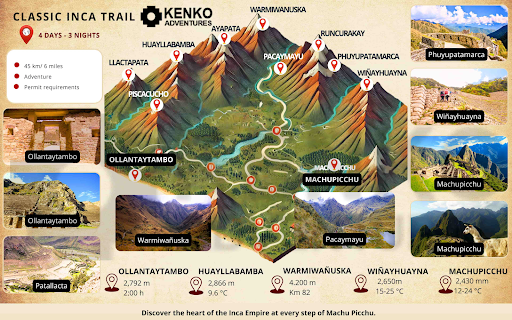
The types of accidents that most commonly occur on the Inca Trail are listed below.
- Slip and Fall Injuries: Slip and fall injuries occur on wet stone steps, uneven pathways, and steep descents where moisture reduces traction and balance stability. Reduced grip on polished stones increases loss of footing during ascents and descents.
- Ankle and Knee Strains: Ankle and knee strains result from prolonged downhill hiking, irregular stair heights, and repeated impact on joints during multi-day trekking. Continuous stress on joints leads to inflammation, reduced mobility, and walking discomfort.
- Altitude-Related Illness Episodes: Altitude-related illness episodes develop when rapid elevation gain affects oxygen availability, leading to headaches, nausea, dizziness, and reduced physical coordination. Lower oxygen saturation disrupts physical performance and concentration during hiking.
- Rockfall: Rockfall-related incidents arise when loosened stones dislodge from slopes or retaining walls after rainfall or temperature fluctuation. Falling debris creates sudden hazards along narrow trail corridors.
- Hypothermia and Cold Exposure: Hypothermia and cold exposure occur during sudden weather changes at high elevations, where wind, rain, and low temperatures combine. Prolonged exposure lowers core body temperature and reduces muscular efficiency.
- Dehydration and Heat Exhaustion: Dehydration and heat exhaustion emerge during long sun-exposed sections where physical exertion increases fluid loss and electrolyte imbalance. Insufficient hydration accelerates fatigue and impairs physical endurance.
- Blister and Foot Injuries: Blister and foot injuries develop from extended walking on stone surfaces, elevation changes, and continuous moisture inside footwear. Friction and moisture soften skin layers, leading to painful surface damage.
The best ways to reduce danger on the Inca Trail are listed below.
- Acclimatization: Gradual exposure to elevation before trekking prepares the body for reduced oxygen levels. Proper acclimatization lowers the likelihood of headaches, nausea, dizziness, and coordination loss along the Inca Trail.
- Physical Conditioning: Targeted training strengthens leg muscles, core stability, and cardiovascular capacity. Physical readiness supports controlled movement on steep ascents, long descents, and uneven stone surfaces.
- Pacing Control: A steady walking rhythm prevents rapid energy depletion at high elevation. Planned rest intervals support breathing recovery and reduce balance errors on narrow trail sections.
- Hydration Management: Regular fluid intake supports blood circulation and oxygen delivery at altitude. Proper hydration reduces fatigue, headache frequency, and concentration decline during extended hiking days.
- Weather Preparedness: Layered clothing and rain protection limit exposure to cold, wind, and intense sun. Weather readiness prevents body temperature instability and energy loss on exposed trail segments.
- Proper Footwear: Trail footwear with strong traction improves grip on wet stones and polished stairways. Ankle support stabilizes movement during long downhill sections that strain joints.
- Guided Travel: Licensed guides monitor pace, health signals, and route conditions throughout the trek. Professional oversight enables early response to altitude stress or physical exhaustion.
- Load Regulation: Balanced pack weight reduces pressure on knees, hips, and lower back. Controlled load distribution improves posture and stability during sustained climbs and descents.
Guides reduce danger on the Inca Trail by following the six steps below.
- Assess the Terrain Daily. Morning inspections focus on weather shifts, stone stair integrity, and erosion-prone sections. Advance evaluation lowers exposure to slips, collapses, and unstable footing before movement begins.
- Manage the Group Pace. Hiking speed remains adjusted to elevation gain, stair density, and descent length. Balanced pacing limits physical exhaustion and reduces injury risk linked to fatigue.
- Monitor Health Signs. Ongoing observation tracks breathing strain, hydration status, and energy levels at altitude. Early detection prevents minor symptoms from developing into serious medical conditions.
- Control the Campsite Safety. Authorized campsites receive priority based on ground stability, shelter quality, and wildlife distance. Strategic placement decreases night-related hazards tied to animals, cold exposure, and uneven surfaces.
- Provide Hazard Briefings. Daily explanations outline terrain challenges, weather exposure, and environmental risks before departure. Clear instruction maintains situational awareness throughout each hiking segment.
- Execute Emergency Protocols. Standardized response procedures guide actions during injuries, altitude distress, or sudden storms. Rapid execution improves stabilization and evacuation efficiency during critical events.
The items essential for hiking the Inca Trail safely are listed below.
- Sturdy Hiking Boots: Durable hiking boots with firm ankle support protect feet and joints on challenging terrain (uneven stone steps, steep ascents, long descents). Proper tread depth and rigid soles reduce slipping on worn Inca stone surfaces.
- Layered Clothing System: Moisture-wicking base layers, insulating mid-layers, and weather-resistant outer layers regulate body temperature across rapid altitude and climate changes. Controlled layering prevents excessive heat loss during cold mornings and overheating during steep daytime climbs.
- Rain Protection Gear: Waterproof jackets and rain pants block prolonged exposure to wet conditions (rain, fog, wind) that increase hypothermia risk at higher elevations. Seam-sealed materials maintain dryness during sustained precipitation along exposed sections of the trail.
- Trekking Poles: Adjustable trekking poles reduce knee strain, improve balance, and stabilize movement on steep staircases and slippery stone paths. Even weight distribution lowers joint impact during long downhill segments.
- Headlamp or Flashlight: A reliable light source supports safe movement during early morning starts, campsite navigation, and low-visibility conditions. Consistent illumination prevents missteps on uneven terrain before sunrise and after dusk.
- Sun Protection: High-SPF sunscreen, UV-blocking sunglasses, and a brimmed hat reduce sunburn and eye strain caused by strong high-altitude solar exposure. Intense ultraviolet radiation at elevation increases skin and eye damage without adequate coverage.
- Hydration System: Refillable water bottles or hydration bladders maintain consistent fluid intake during long hiking segments between campsites. Proper hydration supports muscle function and altitude adaptation throughout the trek.
- Water Treatment Method: Purification tablets or filtration systems protect against waterborne illness when refilling from natural sources. Untreated stream water along the route contains microorganisms unsafe for direct consumption.
- Personal First Aid Kit: Medical supplies address blisters, muscle strain, headaches, and minor injuries encountered during multi-day trekking. Immediate access to treatment reduces the chance of minor issues escalating during remote sections.
- Daypack with Rain Cover: A compact backpack with weather protection secures essentials and keeps gear dry during sudden rainfall. Balanced weight distribution improves posture and stability on steep trail sections and ensures trekkers carry everything in the Inca Trail packing list.
Choosing a safe Inca Trail Tour operator is important because professional safety standards directly reduce accident risk on a high-altitude archaeological route. Licensed operators follow Peruvian government regulations (trained guides, controlled group sizes, emergency oxygen, first-aid readiness, established evacuation protocols).
Certified guides monitor weather patterns, altitude symptoms, and trail congestion, which lowers exposure to dangers (landslides, slips on stone steps, medical emergencies) during the rainy season and peak months. Proper porter management, ethical load limits, and coordinated campsite logistics further reduce injury risk, reinforcing why selecting an Inca Trail tour operator with verified credentials directly affects hiker safety and trip reliability.”
To prepare for the Inca Trail to minimize danger, follow the six steps listed below.
- Build Endurance Training. Structured cardiovascular conditioning develops stamina for consecutive hiking days, steep ascents, and extended descents that strain legs and lungs.
- Strengthen Lower Body Muscles. Targeted strength work supports knees, ankles, hips, and core stability on uneven stone paths and steep staircases.
- Acclimatize to Altitude. Gradual elevation exposure before the trek supports oxygen adaptation above 4,000 meters and reduces altitude sickness severity.
- Select Proper Gear and Footwear. Trail specific hiking boots with firm ankle support improve traction on wet stone steps, while layered clothing protects against rain, wind, and cold temperatures.
- Manage Pacing and Recovery. Controlled hiking pace preserves energy across multiple days through planned rest intervals, consistent hydration, and balanced nutrition intake.
- Follow Licensed Guide Protocols. Certified guides apply safety procedures, weather monitoring, and emergency response practices grounded in Inca Trail preparation to reduce evacuation risk linked to terrain, altitude, and fatigue.
Hikers can effectively prepare for altitude sickness by following the steps below.
- Get medical clearance. A clinician review evaluates heart, lung, blood pressure, and anemia risks before travel. Medical review confirms safe exposure to high elevation based on health history and prescriptions.
- Plan acclimatization days. Early arrival in Cusco or the Sacred Valley allows gradual altitude exposure across several nights. Gradual exposure supports physiological adjustment before high mountain passes.
- Ascend gradually. A controlled itinerary limits rapid elevation gain during early trail days. A slow climbing pace stabilizes breathing and heart rate under reduced oxygen conditions.
- Hydrate consistently. Regular water intake throughout the day supports circulation and oxygen delivery. Reduced alcohol and caffeine intake lowers dehydration-related headache severity at altitude.
- Fuel with steady meals. Frequent carbohydrate-focused meals support energy production during exertion (rice, pasta, potatoes). Smaller portions during early altitude days reduce nausea and digestive stress.
- Train before travel. Aerobic conditioning and leg strength training reduce strain during prolonged climbs. Weighted pack walks replicate trail demands and load distribution.
- Use sleep and recovery discipline. Early bedtime supports overnight recovery during altitude exposure. Layered clothing reduces cold stress that disrupts sleep quality.
- Discuss altitude medication. A clinician consultation addresses acetazolamide dosing and timing when prior altitude illness exists. Professional guidance determines effective preventive use.
- Learn red-flag symptoms. Severe headache, confusion, loss of coordination, shortness of breath at rest, and persistent vomiting signal medical emergencies. Immediate descent and medical evaluation prevent life-threatening escalation.
- Pack prevention essentials. Oral rehydration salts, simple carbohydrates, and blister care supplies maintain intake and mobility during long climbs. A pulse oximeter tracks oxygen saturation trends during rest periods.
To hike the Inca Trail safely, follow the seven steps below.
- Build Physical Conditioning: Develop cardiovascular endurance, leg strength, and joint stability through sustained uphill walking, stair climbing, and weighted hikes before starting the Inca Trail. Physical preparation reduces fatigue and preserves balance during long ascents and extended descents.
- Acclimatize to Altitude: Spend several days at moderate elevation before the trek to allow the body to adjust to reduced oxygen levels and minimize altitude-related symptoms. Gradual exposure supports stable breathing, consistent energy output, and clearer decision-making at high passes.
- Use Proper Footwear and Gear: Wear broken-in hiking boots with strong traction, ankle support, and waterproof protection to maintain stability on uneven stone staircases and wet terrain. Reliable equipment lowers slip risk and limits joint strain across consecutive hiking days.
- Maintain Hydration and Nutrition: Consume water regularly and eat high-energy foods throughout each hiking day to sustain muscle function, concentration, and recovery. Proper intake supports temperature regulation and delays exhaustion during prolonged effort.
- Control Pacing and Rest: Maintain a steady walking rhythm with scheduled breaks to prevent exhaustion and preserve balance during steep ascents and long descents. Controlled pacing protects joints and sustains coordination across changing elevations.
- Follow Guide Instructions: Adhere strictly to guide direction regarding trail safety, weather conditions, campsite routines, and emergency procedures along remote sections. Professional guidance reduces exposure to environmental hazards and logistical risks.
- Respect Weather and Trail Conditions: Adjust speed and movement during rain, fog, or cold temperatures to reduce slip risk and maintain control on narrow paths. Awareness of trail conditions supports safe footing and consistent progress.
The Inca Trail is less dangerous compared to other mountain hikes. The danger level remains lower because the route involves a managed infrastructure (established paths, mandatory licensed guides, regulated daily hiker limits) rather than technical climbing or extreme altitude exposure. Maximum elevation reaches 4,215 meters, which places physical stress on hikers yet remains far below elevations associated with severe hypoxia and life-threatening altitude illness.
The managed trail infrastructure (maintained stone steps, defined paths, support camps) reduces accident frequency compared to remote or expedition-level routes. Other routes (Kilimanjaro, Everest Base Camp, Mount Everest Summit) present progressively higher risks. The risks (greater elevation, harsher weather exposure, limited evacuation options, increased physiological strain) pose more challenges.
The comparison between the Inca Trail danger level and other mountain hikes is shown in the table below.
| Hike / Trek | Inca Trail | Kilimanjaro | Everest Base Camp | Mount Everest Summit |
|---|---|---|---|---|
| Max Elevation | ~4,215 m | ~5,895 m | ~5,364 m | ~8,849 m |
| Technical Difficulty | Non-technical trekking | Non-technical trekking | Non-technical trekking | Highly technical mountaineering |
| Altitude Risk | Moderate altitude stress | High-altitude stress | High-altitude stress | Extreme altitude exposure |
| Trail Conditions / Terrain | Stone steps, maintained paths, forested mountain terrain | Volcanic slopes, loose scree, alpine terrain | Rocky paths, glacial valleys, moraine terrain | Icefalls, crevasses, steep snow, and ice faces |
| Typical Hazards / Incidents | Slips, falls, altitude symptoms, weather shifts | Altitude illness, exhaustion, cold exposure | Altitude illness, weather exposure, fatigue | Avalanches, falls, frostbite, severe altitude illness |
The Salkantay Trek is more dangerous compared to the Inca Trail because of higher elevation exposure, harsher weather conditions, limited infrastructure, and less controlled trail management, which increase physical and environmental risk. The Salkantay Trek reaches elevations above 4,650 meters at Salkantay Pass. Trekkers experience sustained stress on respiratory function and a higher incidence of altitude-related illness beyond levels experienced on the Inca Trail.
Trail surfaces along the Salkantay Trek vary (loose scree, snow-covered passes, glacial runoff crossings, remote mountain paths without stone reinforcement), which elevates fall and injury risk during storms. Weather exposure along the Salkantay Trek creates dangerous conditions (snow, freezing temperatures, high winds) with minimal shelter, while regulated access, stone stairways, and ranger oversight reduce hazard frequency on the Inca Trail. Emergency response limitations and long evacuation distances further explain why trekkers frequently classify the Salkantay Trek as more hazardous than the route leading to Machu Picchu.
The comparison between the Salkantay Trek and the Inca Trail is shown in the table below.
| Hike / Trek | Inca Trail | Salkantay Trek |
|---|---|---|
| Max Elevation | 4,215 meters at Dead Woman’s Pass | 4,650 meters at Salkantay Pass |
| Technical Difficulty | Moderate with engineered stone paths | Moderate to high with natural mountain terrain |
| Altitude Risk | Managed through gradual ascent and regulation | Elevated due to higher passes and rapid exposure |
| Trail Conditions / Terrain | Stone steps, maintained paths, defined routes | Loose gravel, snow, glacial runoff, unreinforced trails |
| Typical Hazards / Incidents | Slips on wet stone, altitude fatigue | Altitude illness, hypothermia, falls, and weather exposure |
The Lares Trek is riskier compared to the Inca Trail. Risk levels increase because the Lares Trek reaches higher elevations, follows less engineered routes, and lacks the continuous trail reinforcement found along the Inca Trail. Remote terrain along the Lares Trek limits management (ranger presence, emergency response speed, and evacuation access during injuries or altitude complications).
Weather exposure affects the Lares Trek more directly since open mountain passes and undeveloped slopes lack drainage systems and stone stabilization. The Inca Trail maintains controlled access, restored stonework, staffed checkpoints, and predefined campsites, which reduces accident frequency and severity. Altitude stress intensifies on the Lares Trek because elevation gain occurs faster without mandatory acclimatization controls.
The comparisons between the Lares Trek and the Inca Trail are shown in the table below.
| Hike / Trek | Inca Trail | Lares Trek |
|---|---|---|
| Max Elevation | 4,215 meters at Dead Woman Pass | 4,400 to 4,450 meters at Huacahuasi Pass |
| Technical Difficulty | Moderate with engineered stone steps | Moderate to high with uneven alpine paths |
| Altitude Risk | Managed through regulated itineraries and pacing | Elevated due to higher passes and rapid ascent |
| Trail Conditions / Terrain | Restored stone trails with drainage and stairways | Natural terrain with loose soil, snow, and scree |
| Typical Hazards / Incidents | Slips, joint strain, altitude symptoms | Altitude illness, exposure, stream crossings, isolation |
The Huayna Picchu Trek is more hazardous compared to the Inca Trail. The Huayna Picchu Trek involves more demanding terrain (steeper gradients, exposed stairways, narrow cliffside paths) that require precise footing and strong balance. Physical exposure increases risk through near-vertical stone steps and limited handholds during wet conditions.
The Inca Trail follows a longer route with more forgiving infrastructure (managed gradients, wider paths, structured pacing) that reduces sudden fall risk. Hazard severity on the Huayna Picchu Trek stems from technical terrain rather than altitude strain. The Inca Trail presents sustained physical stress across multiple days on the Inca Trail and shorter but sharper danger zones on the Huayna Picchu Trek.
The comparison between the Huayna Picchu Trek and the Inca Trail is summarized in the table below.
| Criteria | Inca Trail | Huayna Picchu Trek |
|---|---|---|
| Max Elevation | ~4,215 meters at Dead Woman Pass | ~2,720 meters at summit |
| Technical Difficulty | Moderate with extended endurance demands | High with steep stone staircases |
| Altitude Risk | High due to sustained exposure above 3,000 meters | Moderate due to shorter duration |
| Trail Conditions / Terrain | Stone paths, mountain passes, stairways | Narrow ledges, exposed steps, sharp ascents |
| Typical Hazards / Incidents | Altitude illness, fatigue-related slips | Falls from steep steps, loss of footing on wet stone |
The Huchuy Qosqo Trek is less dangerous compared to the Inca Trail. The Huchuy Qosqo Trek involves more manageable obstacles (shorter distances, lower daily elevation gain, simpler trail construction), which reduces physical strain and accident exposure. The Inca Trail presents a higher risk through extended stone staircases, sustained altitude above 4,000 meters, and narrow cliffside paths that demand technical footing.
Altitude stress intensifies on the Inca Trail due to prolonged time spent near high passes. The Huchuy Qosqo Trek reaches peak elevation briefly before descending. More complex situations (trail traffic density, stricter regulations, complex terrain) increase cumulative risk on the Inca Trail compared to the quieter and less engineered Huchuy Qosqo Trek.
The comparison between the Huchuy Qosqo Trek and the Inca Trail is summarized in the table below.
| Factor | Inca Trail | Huchuy Qosqo Trek |
|---|---|---|
| Max Elevation | ~4,215 m at Dead Woman’s Pass | ~4,400 m near Apacheta Pass |
| Technical Difficulty | High due to steep stone staircases and exposed sections | Moderate due to dirt paths and gradual slopes |
| Altitude Risk | High from sustained exposure over multiple days | Moderate from brief high-point exposure |
| Trail Conditions / Terrain | Engineered stone steps, uneven paving, and narrow paths | Natural trails, open grasslands, rural tracks |
| Typical Hazards / Incidents | Falls, altitude illness, joint strain | Weather exposure, navigation challenges |
0 Comments