
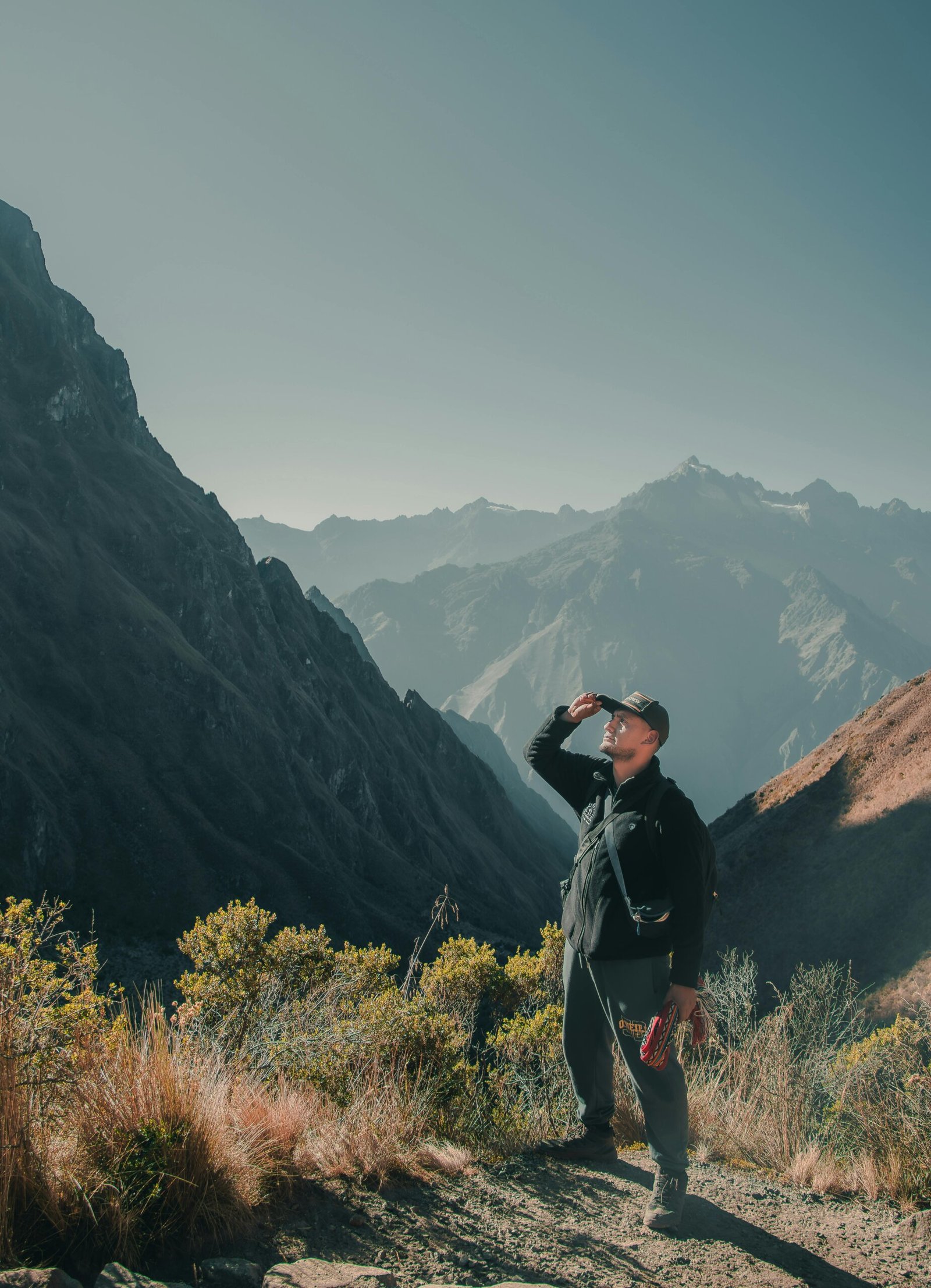

The Inca Trail is moderately to highly challenging due to a combination of elevation gain, steep climbs, uneven terrain, and sustained daily distances. The Inca Trail classic route covers 43 kilometers over four days, with hikers walking 6 to 8 hours per day across mountain passes, dense forest, and exposed sections. Difficulty increases as elevation rises, with the highest point at Dead Woman Pass (4,215 meters or 13,829 feet), where reduced oxygen intensifies fatigue and slows recovery. Terrain represents a major challenge, as large portions of the trail consist of irregular Inca-built stone steps, varying in height and depth, which place continuous stress on knees, ankles, and leg muscles. Long ascents demand cardiovascular endurance and leg strength, while extended descents increase joint impact and require careful balance. Uneven paths and narrow sections require constant focus, adding mental strain alongside physical effort.
Altitude affects sleep quality, breathing efficiency, and energy levels, increasing physical and mental demands over consecutive days. Weather exposure, limited shelter, and restricted medical access further heighten difficulty. The Inca Trail Tour suits physically fit adults, prepared seniors, and capable teens who commit to training and acclimatization. Proper endurance conditioning, strength preparation, mental readiness, and altitude adjustment are essential for completing the trek safely and comfortably.
What is the Inca Trail? The Inca Trail is a historic trekking route in Peru that leads through the Andes Mountains to Machu Picchu using ancient paths built by the Inca civilization. The route combines stone-paved trails, staircases, tunnels, and archaeological sites, reflecting the engineering and cultural significance of the Inca Empire. The classic trek spans 43 kilometers over four days, passing cloud forests, mountain passes, and ceremonial ruins before entering Machu Picchu through the Sun Gate.





Inca Trail Tours Review
Experience the adventure through the eyes of our travelers

Average Rating
Out of 5
Happy Travelers
Since 2015
Tours Completed
In the past 12 months
Recommend Rate
Would book again or refer others
The Inca Trail is considered moderate to strenuous in terms of difficulty. The challenge depends on individual fitness levels and preparation, but trekkers complete it with the right training and mindset. The trek spans 43 kilometers (26 miles) and takes about 4 days to complete, with an elevation gain of over 1,200 meters (3,937 feet). The highest point on the trail, Dead Woman’s Pass, reaches 4,215 meters (13,829 feet), where the reduced oxygen levels make breathing more difficult and increase the risk of altitude sickness.
The terrain is varied and challenging. It includes steep ascents, rocky paths, and uneven surfaces, which demand good balance and strength on the second day, when the climb to Dead Woman’s Pass is demanding. Trekkers walk 6 to 8 hours per day, with the longest day being around 7 to 8 hours, involving significant uphill and downhill sections. The trail’s elevation fluctuations add to the physical challenge for trekkers who are not accustomed to high-altitude hiking. Acclimatization is key to managing the altitude and ensuring safety throughout the trek. Proper preparation, including endurance training, strength-building exercises, and acclimatization to high altitudes, is essential to complete the hike successfully.
The factors that make the Inca Trail challenging for hikers are listed below.
- Altitude: The Inca Trail reaches high altitudes, with the highest point at Dead Woman’s Pass (4,215 meters or 13,829 feet). The reduced oxygen levels at high elevations make breathing more difficult and increase the risk of altitude sickness. Proper acclimatization in Cusco (3,400 meters) is essential to mitigate the challenge.
- Steep Climbs: The trail includes significant ascents on the second day when hikers climb to Dead Woman’s Pass. The steep, continuous ascent demands strength and endurance. The climb is physically taxing at high altitudes, where the body’s ability to handle exertion is reduced.
- Long Distances: The total length of the trail is 43 kilometers (26 miles), with daily hiking durations of 6 to 8 hours. The length includes uphill and downhill sections, making the trek physically demanding. The longest day, ascending to Dead Woman’s Pass, is exhausting.
- Uneven Terrain: The trail features rugged terrain with rocky paths and uneven surfaces. Hikers must navigate through steps built by the Incas, which are challenging, during descents. The irregular terrain requires good balance and careful footing in wet conditions.
- Weather Conditions: The rainy season (November to March) brings frequent rain, making the trail slippery and muddy. Cold temperatures at night add to the challenge, requiring appropriate clothing for wet and cold conditions in the dry season.
Altitude affects the Inca Trail’s difficulty through the high elevations that trekkers must ascend. The highest point, Dead Woman’s Pass (4,215 meters or 13,829 feet), poses a significant challenge for most hikers. The oxygen level decreases, making it harder to breathe and increasing the physical strain as the altitude increases. Trekking at high elevations leads to fatigue more quickly than at lower altitudes, as the body requires more energy to adjust to the reduced oxygen levels.
Primary risks associated with high altitude are altitude sickness, which affects trekkers who do not properly acclimatize before the hike. Symptoms include headaches, dizziness, nausea, and shortness of breath. The body needs time to adjust to higher elevations, and without proper acclimatization, the risk of altitude sickness increases significantly. Proper acclimatization in Cusco (3,400 meters) or other high-altitude areas is essential before attempting the trail, allowing the body to adjust to the lower oxygen levels. Trekking too quickly to higher elevations without proper acclimatization leads to more severe symptoms of altitude sickness, which affect a hiker’s ability to continue the trail.
Altitude affects the difficulty of the Inca Trail, leading to increased fatigue and the risk of altitude sickness. Proper acclimatization and pacing are essential to minimize the challenges and ensure a safe and enjoyable hiking experience.
Yes, altitude can affect hiking pace and endurance, as the oxygen level decreases, which makes it harder for the body to maintain its normal energy levels and performance as the elevation increases on the Inca Trail. The reduced oxygen at higher altitudes leads to faster fatigue, slowing down the hiker’s pace and decreasing their endurance. Trekking at elevations above 2,500 meters (8,200 feet) requires the body to work harder to supply oxygen to muscles, and the extra strain impacts stamina.
Hikers find that their normal pace slows due to the thinner air at Dead Woman’s Pass (4,215 meters or 13,829 feet), where the altitude is high. It is common for trekkers to take more breaks to combat the effects of reduced oxygen and give the body time to adjust. The hiking pace is slower at higher altitudes, even for trekkers in good physical condition.
Trekkers are advised to acclimatize before the trek by spending time at high altitudes ( Cusco at 3,400 meters) to allow the body to adjust and mitigate the effects. Trekkers improve their endurance and minimize the impact of altitude on their performance by hiking at a slower pace, taking frequent breaks, and staying hydrated. Altitude affects hiking pace and endurance due to decreased oxygen levels, leading to faster fatigue and slower progress on the trail. Proper acclimatization and a steady pace are important for maintaining endurance during the hike.
The sections of the trail that are most affected by high altitude are listed below.
- Dead Woman’s Pass: The highest point on the Inca Trail, Dead Woman’s Pass (4,215 meters or 13,829 feet), is the section most affected by high altitude. The steep ascent to the pass is challenging due to the reduced oxygen levels, which lead to rapid fatigue and difficulty breathing. Trekkers find the climb the most physically demanding part of the trail.
- Runkuracay: The Runkuracay is a section where high-altitude impact endurance is achieved at an altitude of around 3,800 meters (12,500 feet). The trail here involves a steep ascent followed by a descent, and the thin air slows trekkers’ pace and increases fatigue when combined with the uneven terrain.
- Phuyupatamarca: The Phuyupatamarca (3,600 meters or 11,800 feet) is located at a high elevation and is subject to the same challenges as other high-altitude sections. The steep ascent to the site requires extra effort, and the risk of altitude sickness is heightened. Trekking at high altitude leaves trekkers feeling short of breath and fatigued.
- Wiñay Wayna: The Wiñay Wayna presents altitude-related challenges due to the final ascent to the site, although slightly lower at 2,650 meters (8,694 feet). The steep climb is more taxing for trekkers who have already been exerting themselves at higher altitudes after a long day of hiking.
The highest point on the Inca Trail is Dead Woman’s Pass, located at an elevation of 4,215 meters (13,829 feet). The Dead Woman’s Pass is the most challenging section of the trail due to the significant altitude and the steep ascent required to reach the pass.
Oxygen levels are much lower, making physical exertion more difficult at high altitude. Hikers experience increased fatigue, shortness of breath, and dizziness if they have not properly acclimatized. The body requires more energy to function in conditions that slow hikers down and lead to quicker exhaustion. Altitude sickness symptoms, (headaches, nausea, and dizziness), start to appear as they approach or ascend the pass. The challenging nature of the climb and the thin air make Dead Woman’s Pass feel daunting. The long, steep ascent is disheartening, but reaching the summit offers a significant sense of accomplishment, as it marks the highest point of the trek. Hikers find that once they overcome the challenge, the rest of the trail feels more manageable.
Yes, altitude sickness can make the Inca Trail harder. The trail reaches high elevations, with the highest point, Dead Woman’s Pass, at 4,215 meters (13,829 feet). The reduced oxygen levels lead to altitude sickness, making the trek more physically demanding at the altitudes. Symptoms (headaches, dizziness, nausea, and fatigue) increase the difficulty of the hike, as trekkers struggle to maintain their usual pace and endurance.
Altitude sickness affects anyone, regardless of fitness level, and makes the hike feel more strenuous. Acclimatization before the trek is neccessaryfor reducing the risk of altitude sickness. Spending 1-2 days in Cusco (3,400 meters) or another high-altitude location helps the body adjust to the thinner air. It is important to Avoid pushing too hard in the first couple of days of the trek and allow the body time to adapt.
Hydration is important, as dehydration worsens the symptoms of altitude sickness. Drinking plenty of water and avoiding alcohol helps maintain hydration and prevents altitude sickness from becoming more severe. Trekking at a slow, steady pace allows the body to adjust more gradually, reducing strain and the risk of altitude sickness. Descend to a lower elevation and seek medical attention if necessary if symptoms become severe. Altitude sickness makes the Inca Trail harder by causing discomfort and fatigue, but it is managed with proper acclimatization, hydration, and pacing to ensure a safer and more enjoyable trek.
Steep ascents affect hiking difficulty by requiring more energy, strength, and endurance to maintain a steady pace. The Inca Trail includes steep climbs, the ascent to Dead Woman’s Pass (4,215 meters or 13,829 feet), which is one of the most challenging sections. The sharp incline of the climbs forces hikers to work harder than on gradual slopes, leading to increased fatigue more quickly. The high altitude further compounds the physical strain, making it harder for the body to adapt and recover during the steep sections.
Climbing at high altitudes with lower oxygen levels means that trekkers experience shortness of breath and faster exhaustion. It is noticeable during steep sections where the intensity of the climb elevates the demand for oxygen. The body struggles to provide sufficient oxygen to muscles, which increases the perceived difficulty of the hike. Steep ascents challenge balance and coordination, as hikers must carefully navigate uneven terrain, rocky paths, and Inca stone steps that are uneven in height. The added difficulty of navigating technical terrain on steep inclines leads to mental fatigue as well. Steep ascents make the Inca Trail more challenging by requiring extra physical effort, leading to greater fatigue, shortness of breath, and a higher risk of injuries from uneven terrain. Proper training, pacing, and acclimatization are key to managing the steep climbs successfully.
Steep descents impact joints and muscles by placing increased strain on the knees, ankles, and hips. The body is forced to absorb more shock, which leads to joint stress and muscle fatigue when descending steep sections of the Inca Trail. The quadriceps and calf muscles work harder to control the descent, which leads to muscle soreness and tightness after prolonged downhill trekking as gravity pulls trekkers downward. The knee joints are vulnerable during steep descents because they bear much of the weight while maintaining stability. It leads to joint pain and discomfort for trekkers who are not accustomed to downhill hiking. The repetitive impact on the joints increases the risk of knee injuries, such as tendonitis or patellar pain.
Trekkers use hiking poles to help distribute weight more evenly and reduce the pressure on the lower body. It is important to maintain a controlled pace and take frequent breaks to avoid overloading the joints. Proper footwear with good shock absorption helps reduce the strain on the knees and other joints. Steep descents place additional stress on joints and muscles (knees, hips, and calves), leading to muscle fatigue and joint pain. Using proper techniques and equipment, such as hiking poles and supportive footwear, helps mitigate the effects and make the descent more manageable.
The steepest sections of the Inca Trail are listed below.
- Dead Woman’s Pass: The Dead Woman’s Pass (4,215 meters or 13,829 feet) is the highest point on the Inca Trail and one of the steepest sections. The climb to the pass is long and demanding, involving a continuous ascent that takes several hours to complete. The steep incline, combined with high altitude, makes the section challenging for trekkers.
- Runkuracay: The ascent to Runkuracay (3,800 meters or 12,500 feet) is a steep section on the Inca Trail. The climb involves steep, rocky steps and is tiring due to the elevation and uneven terrain. The section requires endurance and careful foot placement to avoid injury.
- Wiñay Wayna: The final ascent to Wiñay Wayna (2,650 meters or 8,694 feet) is steep and involves narrow stone steps built by the Incas. The climb is tiring after 2 to 3 days of trekking and is more difficult for trekkers who have already exerted themselves on earlier sections.
- Phuyupatamarca: The ascent to Phuyupatamarca (3,600 meters or 11,800 feet) is another high-altitude section with a steep ascent that requires careful navigation. The climb to the site involves rocky paths and an uneven trail, which is physically taxing for trekkers if they are already fatigued from previous sections.
The parts of the Trail that require extra caution are listed below.
- Dead Woman’s Pass: The Dead Woman’s Pass (4,215 meters or 13,829 feet) requires extra caution due to its steep ascent, high altitude, and the physical exertion required to reach the summit. The high elevation and strenuous nature of the climb lead to altitude sickness, so trekkers must pace themselves and stay hydrated. Slippery paths and uneven terrain further complicate the climb if the weather is wet.
- The Gringo Killer: The section known as the Gringo Killer is a steep and relentless climb that leads up to Dead Woman’s Pass. The steep, rocky steps cause exhaustion and are hard on the knees, requiring trekkers to take breaks and proceed carefully. Shortness of breath is an issue, requiring trekkers to monitor their physical condition and adjust their pace accordingly due to the elevation.
- Runkuracay: The ascent to Runkuracay (3,800 meters or 12,500 feet) involves steep, uneven steps, making it a section that requires extra caution. The rocky path is slippery after rain, and hikers must carefully place their feet to avoid falls. The elevation and steepness increase the physical challenge.
- Wiñay Wayna: The ascent to Wiñay Wayna (2,650 meters or 8,694 feet) includes a series of narrow stone steps that are slippery in wet conditions. The uneven surface and the steepness of the trail require trekkers to focus on their footing. The section is difficult after days of hiking, requiring extra caution as trekkers are fatigued.
- Phuyupatamarca: The trail leading up to Phuyupatamarca (3,600 meters or 11,800 feet) is rocky and steep, requiring trekkers to maintain balance and caution. The terrain is challenging, with loose stones and uneven surfaces. Extra care must be taken during the downhill descent from the section, as it is taxing on the knees.
Hikers train for the Trail’s elevation changes by following the seven steps below.
- Incorporate Hills and Stair Climbing. Focus on hill workouts and stair climbing to simulate the steep ascents and descents on the Inca Trail. Train on inclines to build strength in the legs, the calves, and the quadriceps, which are heavily used during the steep climbs, such as Dead Woman’s Pass.
- Simulate High-Altitude Training. Hike at higher elevations or use an altitude mask that restricts airflow to mimic high-altitude conditions to prepare for the reduced oxygen levels at high altitudes. Consider training at a local gym with elevation simulators or treadmills that simulate hill climbing at varying intensities if hiking at altitude is not feasible.
- Build Cardiovascular Endurance. Improve cardio fitness through long-distance hiking, running, cycling, or swimming. Focus on increasing endurance by hiking or walking with a loaded backpack to simulate carrying gear during the trek. It improves stamina and helps manage the physical demands of long days of hiking.
- Strengthen the Core and Legs. A strong core is essential for balance and stability during steep ascents and descents. Focus on strength training exercises that target the core, hips, glutes, and legs. Exercises such as squats, lunges, and planks build the necessary strength to handle the challenging terrain and elevation changes.
- Practice Breathing Techniques. Breathing becomes more difficult due to reduced oxygen. Practice deep breathing techniques during training to help improve lung capacity and oxygen efficiency. It aids in coping with shortness of breath during strenuous sections of the trail, such as the climb to Dead Woman’s Pass.
- Hike with a Pack. Train with a backpack weighted similarly to the one to be carried on the trail. Start with a lighter load and gradually increase the weight as the body adapts. The added weight helps simulate the conditions of the Inca Trail, where trekkers carry their essentials, and helps build strength and endurance.
- Acclimatize Before the Trek. Spend at least 1 to 2 days at high altitude before the trek to help acclimatize to the reduced oxygen levels. Arrive in Cusco (3,400 meters) or similar altitudes before beginning the hike to give the body time to adjust. Resting, hydrating, and eating well are crucial for acclimatization.
The common challenges faced during steep sections are listed below.
- Physical Fatigue: Steep sections, such as the climb to Dead Woman’s Pass, require intense physical exertion. The body needs to work harder to maintain a steady pace, which leads to quick fatigue. Leg muscles and the cardiovascular system are put under extra strain, increasing the effort required to complete the climb.
- Altitude Sickness: Altitude sickness becomes a risk at higher elevations, above 3,500 meters (11,480 feet). Reduced oxygen levels make it harder to breathe, leading to symptoms like headaches, dizziness, and shortness of breath. It hinders progress on steep sections, as the body struggles to acclimate to the high altitude.
- Slippery and Uneven Terrain: The rocky and uneven surfaces on steep climbs make footing precarious. Sections with loose stones or muddy trails (during the rainy season) increase the risk of slipping and falling, which leads to injuries or delays.
- Knee and Joint Strain: Going uphill on steep sections places a lot of strain on the knees and joints. The repetitive movements when carrying a backpack lead to joint pain for trekkers not accustomed to strenuous ascents. Descending steep sections, such as after reaching Dead Woman’s Pass, causes knee strain due to the constant impact.
- Breathing Difficulties: Trekkers experience shortness of breath due to the lower oxygen levels on steep climbs at high altitudes. It makes the trek feel more strenuous and slows down progress. Managing breathing through techniques like controlled, deep breaths is crucial to maintaining a steady pace.
- Mental Fatigue and Morale: Steep climbs, and treks that feel long and never-ending take a toll on mental stamina. Hikers become discouraged by the difficulty of the ascent if they have not properly acclimatized or if the trail is challenging. Keeping a positive mindset and taking regular breaks is key to maintaining morale during steep sections.
The steep sections typically take 1 to 4 hours to hike, depending on the specific section, personal fitness, and trail conditions. The ascent to Dead Woman’s Pass (4,215 meters or 13,829 feet) takes 3 to 4 hours due to its challenging altitude and steep incline. The climbs to Runkuracay and Phuyupatamarca take 1 to 2 hours, depending on the terrain and how trekkers need to take breaks. The time required for the sections is influenced by factors such as altitude sickness, which slows hikers down in the higher parts of the trail. Slippery paths or uneven terrain increase the time needed to complete the sections. It is important to pace and take frequent breaks, and maintain a steady pace to avoid fatigue and ensure a safer experience.
The challenges that hikers face during the wet season are listed below.
- Rain and Wet Conditions: The rainy season (November to March) brings frequent rain showers in the afternoons, making the trail slippery and muddy. The wet conditions increase the difficulty of hiking, as paths become slippery, making it harder to maintain balance and increasing the risk of slips and falls.
- Muddy and Uneven Terrain: The wet weather turns the trail into muddy and uneven terrain, which requires more effort and concentration to navigate. Steep sections become more challenging, as the mud makes it difficult to keep footing, and rocky paths become more treacherous.
- Reduced Visibility: Cloud cover and fog are common during the wet season, which leads to reduced visibility. It obscures views of the Andes Mountains, Inca ruins, and Machu Picchu, affecting the experience and making it harder to enjoy the scenic beauty of the trail.
- Cold and Humid Conditions: The rainy season brings higher humidity and cooler temperatures at night, which make trekking less comfortable. Temperatures drop, requiring trekkers to wear warm clothing in addition to rain gear at higher altitudes.
- Landslides and Trail Closures: Heavy rainfall leads to landslides, which block parts of the trail, causing delays or detours. Certain sections are impassable, and in extreme cases, the trail is temporarily closed for safety reasons. It disrupts the planned hike and creates additional challenges.
- Increased Physical Demand: The combination of wet and slippery conditions, muddy trails, and cooler weather increases the physical demand on hikers. Trekking through the conditions requires more endurance and mental resilience as hikers battle the elements and adjust to slower progress.
Cold weather increases Inca Trail difficulty by intensifying physical strain, reducing comfort, and slowing recovery during the trek. Nighttime and early-morning temperatures at high elevations regularly drop near or below 0°C (32°F) during the dry season from May to September. The low temperatures cause muscle stiffness, which makes steep ascents and descents more demanding and increases the risk of strains or joint discomfort. Cold conditions require additional energy to maintain body warmth, contributing to faster fatigue during long hiking days.
The cold weather further affects difficulty through its interaction with altitude. Thinner air reduces physical performance, and cold temperatures compound the effect by slowing circulation and breathing efficiency at elevations above 3,500 meters. Hikers experience reduced dexterity in hands and feet, making it harder to manage trekking poles, adjust gear, or maintain balance on stone steps. Early starts in cold conditions feel challenging before the body fully warms up.
Proper preparation helps manage the challenges. Layered clothing, insulated gloves, warm hats, and sleeping systems rated for cold temperatures support recovery overnight and maintain performance during the day. Adequate nutrition and hydration further help the body cope with cold stress. Cold weather makes the Inca Trail more difficult by increasing fatigue, stiffening muscles, and compounding altitude-related strain, requiring stronger preparation and physical resilience to maintain safe and steady progress.
The weather conditions that increase the risk of fatigue or injury are listed below.
- Heavy Rain: Prolonged rainfall creates slippery stone steps, muddy paths, and unstable footing. The conditions increase the likelihood of falls, ankle injuries, and faster energy loss from constant balance correction.
- Cold Temperatures: Cold weather causes muscle stiffness and reduced circulation at high elevations. Stiff muscles increase the risk of strains and joint pain, while cold exposure accelerates physical fatigue during long hiking days.
- High Humidity: Elevated humidity limits the body’s ability to cool itself through sweat. It leads to overheating, dehydration, and reduced endurance, even when temperatures feel moderate.
- Strong Winds: Persistent wind at exposed passes increases heat loss and physical stress. Wind resistance adds effort during climbs and disrupts balance on narrow or uneven trail sections.
- Fog and Low Visibility: The fog reduces visibility along steep descents and stone staircases. Limited sightlines increase the risk of missteps, trips, and delayed reactions to uneven terrain.
- Rapid Weather Changes: Sudden shifts from sun to rain or cold place additional stress on the body. The transitions force repeated adjustments in clothing and pace, contributing to energy depletion and reduced focus.
Sudden fog or cloud cover limits visibility, making it harder to judge footing, recognize uneven terrain, or maintain group spacing. Reduced visibility increases the risk of missteps near staircases, cliff edges, and narrow trail sections. Strong winds that follow weather shifts increase heat loss, accelerating fatigue and lowering physical performance at high elevations where oxygen levels are already reduced.
Rapid weather changes also affect decision-making and pacing. Hikers slow down, take longer breaks, or stop to adjust clothing and gear, which extends exposure time and increases exhaustion. Wet and cold conditions raise energy demands, requiring greater physical effort to maintain body temperature and balance.
Long distances on the Inca Trail affect hiking difficulty by causing cumulative fatigue, reduced recovery, and greater physical strain over multiple days. The classic route covers 43 kilometers over four days, with daily hikes lasting 6 to 8 hours across steep ascents, descents, and uneven terrain. Continuous walking for consecutive days places sustained stress on legs, joints, and cardiovascular capacity, which intensifies fatigue even among physically prepared hikers.
Extended distances limit recovery time between hiking days at high altitude, where oxygen availability is lower, and muscle repair slows. Fatigue accumulates progressively, making later sections feel harder despite similar terrain. Long distances combined with elevation changes increase the risk of muscle soreness, knee strain, and slower pace during demanding days that include major climbs like the ascent to Dead Woman Pass.
Mental endurance is affected as well, as long days on the trail require sustained focus to manage footing on stone steps and narrow paths. Physical exhaustion reduces concentration. increasing the risk of missteps late in the day. Weather exposure over long distances further adds to energy loss in cold or wet conditions, reinforcing the importance of understanding How long is the Inca Trail.
The Inca Trail takes 4 days to complete for the classic route. The standard 4-day Inca Trail covers 43 kilometers (26 miles) and includes three nights of camping before arriving at Machu Picchu on the final day. Each day involves 6 to 8 hours of hiking, with varying terrain that includes steep ascents, descents, stone staircases, and high-altitude passes, making the multi-day format necessary for acclimatization and safe pacing.
A shorter alternative known as the 2-day Inca Trail, which covers a reduced distance and focuses on the final section of the route near Machu Picchu. The 2-day option includes one day of hiking and one overnight stay, making it suitable for travelers with limited time or trekkers seeking a less physically demanding experience. The 4-day route remains the most popular choice due to its complete sequence of archaeological sites and gradual progression through changing landscapes.
Hikers walk an average of 6 to 8 hours per day on the Inca Trail. The daily walking time varies depending on terrain, altitude, and individual pace, with days being more demanding than others. The longest and most challenging day is Day 2, which includes the steep ascent to Dead Woman Pass, where hiking time extends closer to 8 hours due to elevation gain and reduced oxygen levels.
Shorter days involve 4 to 6 hours of walking on sections with gentler descents or when visiting archaeological sites along the route. Terrain plays a major role in time variation, as stone staircases, uneven paths, and steep inclines slow progress compared to flatter sections. Weather conditions and group pacing further influence daily duration, since wet or cold conditions require slower, more cautious movement.
Yes, the Inca Trail is harder on certain days of the trek due to changes in elevation, terrain, and total climbing distance. Day 2 is widely recognized as the most difficult day because it includes the long ascent to Dead Woman Pass at 4,215 meters (13,829 feet). The section combines steep stone steps, sustained climbing, and high altitude, which increases fatigue and slows pace due to reduced oxygen levels. Physical strain is highest on the second day, and altitude effects become more noticeable.
Other days are less demanding but still challenging, as Day 1 is an introduction with gradual elevation gain, allowing the body to begin adjusting to altitude. Day 3 involves long descents and uneven stone paths, which place increased stress on knees and joints rather than cardiovascular endurance. Day 4 is shorter and easier, focusing on the final approach to Machu Picchu, though early starts and accumulated fatigue still affect hikers.
Yes, the Inca Trail is more difficult during the rainy season. The rainy season runs from November to March and brings frequent rainfall that turns stone steps and dirt paths into slippery, muddy surfaces, increasing the risk of falls and injuries. Steep ascents and descents require more effort and concentration under wet conditions, which raises physical strain and slows hiking pace.
Rainy weather increases fatigue by forcing the body to work harder to maintain balance and body temperature at higher elevations. Cloud cover and fog reduce visibility, making uneven terrain harder to navigate and limiting awareness of trail hazards. Landslides and trail erosion are more common during heavy rainfall, which causes delays or requires detours. Cold, damp conditions at night further affect recovery, as muscles remain stiff and energy loss increases between hiking days. The combined factors make the trek more demanding physically and mentally compared to the dry season.
The terrain on the Inca Trail is highly demanding due to continuous stone staircases, uneven paths, and steep slopes encountered over multiple days. Large portions of the route consist of irregular Inca-built steps that vary in height and depth, placing constant stress on knees, ankles, and hips. Uneven stone paths and rocky surfaces require careful foot placement, sustained balance, and constant attention during long descents.
Daily terrain challenges vary by section. Day 2 presents the most demanding terrain with a prolonged uphill climb toward Dead Woman Pass, where steep staircases and high altitude combine to increase fatigue and slow pace. Day 3 shifts the difficulty toward extended downhill sections with uneven steps and sharp drops, increasing joint strain and injury risk. Narrow paths and exposed slopes appear throughout the trek, requiring controlled movement and steady pacing. Weather conditions intensify terrain difficulty, as rain increases slipperiness on stone steps and slopes.
Carrying a backpack increases the difficulty of hiking the Inca Trail by adding a constant physical load that intensifies fatigue, balance demands, and joint stress. Additional weight places sustained pressure on the shoulders, lower back, hips, knees, and ankles, which accelerates muscle exhaustion during long hiking days that already last 6 to 8 hours. Uphill sections require more energy to lift the added load against gravity, while downhill sections increase impact forces on joints, raising the risk of knee strain and muscle soreness.
A backpack affects balance and stability on uneven terrain. The Inca Trail includes narrow paths, irregular stone steps, and steep slopes, where shifting weight alters the center of gravity and increases the effort needed to maintain control. At high altitude, reduced oxygen availability further amplifies the strain of carrying weight, causing faster fatigue and a slower pace even with moderate loads. Poorly fitted backpacks or uneven weight distribution worsen discomfort and increase muscle tension.
Backpack weight influences recovery between trekking days as well. Heavier loads lead to greater muscle breakdown, which slows overnight recovery and compounds fatigue across consecutive days. Weather conditions intensify the effects, as wet gear becomes heavier and cold temperatures increase energy demands.
The types of trails and stairs that are found on the Inca Trail are listed below.
- Stone Steps: Large portions of the Inca Trail consist of Inca-built stone staircases carved directly into mountainsides. Step height and depth vary, which increases strain on knees and ankles. Steep stair sections, near high passes, require controlled movement and strong leg endurance.
- Dirt Paths: Sections follow compacted dirt trails that wind through forested and lower-elevation areas. The paths are less steep but become muddy and slippery during the rainy season, increasing the risk of slips and fatigue over long distances.
- Mountain Passes: The trail crosses high-altitude mountain passes, most notably Dead Woman Pass at over 4,200 meters. The sections combine steep ascents, thin air, and exposed terrain, making them the most physically demanding parts of the trek.
- Rocky Paths: Segments feature uneven rocky surfaces with loose stones and irregular footing. The areas demand constant attention, good balance, and slower pacing to avoid ankle injuries.
- Narrow Cliffside Trails: Sections include narrow paths along steep slopes, requiring careful foot placement and steady movement. The stretches increase mental strain due to exposure and height, even when the path itself is not steep.
Yes, the stone steps on the Inca Trail are difficult to climb. The trail includes extensive Inca-built stone staircases with irregular heights, uneven depths, and steep gradients, which place continuous strain on legs, knees, and ankles. Stair sections climb sharply uphill for long distances, requiring sustained strength and endurance, at higher elevations where reduced oxygen levels increase fatigue.
Difficulty increases further during descents, as the uneven steps place added pressure on joints and demand careful foot placement to maintain balance. Wet conditions during the rainy season make stone steps slippery, raising the risk of falls and slowing progress. Long hiking days amplify the challenge, as repeated stair climbing compounds muscle fatigue over multiple days.
Limited access to water affects the Inca Trail hike by increasing the risk of dehydration, fatigue, and reduced physical performance over long hiking days. Water sources along the trail are limited and controlled, with availability mainly at designated campsites rather than continuous access during hiking hours. Daily walking periods of 6 to 8 hours, combined with high altitude and physical exertion, accelerate fluid loss through breathing and sweating, making consistent hydration more difficult.
Dehydration worsens fatigue, slows recovery, and intensifies altitude-related symptoms such as headaches and dizziness. The body loses moisture more rapidly due to thinner air, increasing water demand while limiting refill opportunities at elevations above 3,000 meters. Insufficient hydration reduces endurance and concentration, which raises the risk of missteps on stone stairs and uneven terrain.
Limited water access requires careful planning. Hikers must carry adequate water between refill points, which adds backpack weight and increases physical strain. Water treatment is necessary at campsites, requiring time and preparation before refilling supplies. Inadequate planning or delayed refills compound exhaustion on demanding days with steep ascents.
Yes, there are restrooms or toilet facilities on the Inca Trail, but availability is limited. Basic toilet facilities are located at designated campsites and a few checkpoint areas along the route. The facilities are simple pit toilets or basic latrines rather than modern restrooms, and conditions vary depending on location and maintenance.
Restroom access is very limited along the trail itself outside of campsites. Long hiking sections between camps do not have toilets, which requires hikers to plan bathroom breaks carefully. Tour operators provide portable toilet tents at campsites for group use on private or organized treks, which improves hygiene and comfort compared to public facilities. Cleanliness standards differ, and toilet paper is not supplied, making personal supplies necessary. Cold weather and high altitude further affect comfort when using facilities early in the morning or at night.
Limited shelter options impact hiking difficulty by exposing hikers to weather stress, reducing recovery quality, and raising fatigue and safety risks on the Inca Trail. Shelter along the route is primarily limited to designated campsites, which means hikers remain exposed to rain, cold temperatures, wind, and strong sun for most of each hiking day. Sudden weather changes offer few opportunities to take cover, increasing physical strain and energy loss at higher elevations.
Limited shelter affects recovery between hiking days. Cold, damp, or windy nights reduce muscle relaxation and sleep quality, which slows physical recovery and compounds fatigue across consecutive days. Poor recovery increases soreness, reduces endurance, and makes steep ascents and descents more demanding on the following days. Exposure during breaks limits the ability to rest effectively during long hiking hours.
Safety is influenced, as without frequent sheltered areas, hikers face higher risks of hypothermia, dehydration, or heat stress depending on conditions. Rain-soaked gear becomes heavier and harder to dry, increasing discomfort and energy expenditure. Mental fatigue increases when prolonged exposure requires constant focus on weather management rather than terrain alone.
The lack of medical facilities increases risk by delaying treatment and limiting response options during health emergencies on the Inca Trail. The route passes through remote mountainous terrain with no permanent clinics or hospitals along the trail, which means medical care is restricted to basic first aid carried by guides. Conditions (altitude sickness, dehydration, injuries from falls, or severe fatigue) require immediate attention, and delays increase the chance of symptoms worsening.
Limited medical access elevates risk because evacuation takes time and physical effort. Descending to lower elevations or reaching the nearest road takes hours, depending on location and weather. Symptoms intensify at high altitude, where reduced oxygen slows recovery. Weather conditions and rugged terrain further complicate evacuation, increasing exposure and physical strain.
The absence of advanced medical equipment restricts treatment options. Serious conditions such as severe altitude sickness, fractures, or allergic reactions require professional medical care that is unavailable on the trail. Moderate issues become more serious without prompt intervention, making prevention, pacing, hydration, and acclimatization critical.
Limited communication and connectivity affect the hike by reducing emergency response speed and increasing reliance on guides and group coordination. Mobile phone signal is unreliable or absent across large sections of the Inca Trail due to remote terrain and mountain barriers. Contacting emergency services or external support becomes difficult, which delays assistance during injuries, altitude-related illness, or sudden weather changes when communication access is limited.
Limited connectivity increases risk management pressure on guides and trekking teams. Decisions related to pace adjustment, route safety, or evacuation must rely on experience and immediate judgment rather than real-time external guidance. Coordination between groups or campsites becomes more challenging during poor weather or low visibility, increasing the importance of clear planning and discipline within the group.
Psychological strain increases as well. Lack of connectivity limits access to updates, reassurance, or external contact, which heightens stress during physically demanding or adverse conditions. Navigation errors, delayed check-ins, or miscommunication within the group carry greater consequences without instant communication backup.
A moderate to high level of fitness is required for the Inca Trail due to sustained physical demands over days at high altitude. The classic route involves 43 kilometers of hiking completed over four days, with daily walking times of 6 to 8 hours across steep ascents, long descents, and uneven stone terrain. Hikers need sufficient cardiovascular endurance to handle continuous movement at altitude, where reduced oxygen levels increase fatigue and slow recovery.
Leg strength is essential for managing repeated climbs and descents on extensive stone staircases and steep sections like the ascent to Dead Woman Pass at over 4,200 meters. Strong quadriceps, calves, and glutes help absorb impact during descents and maintain stability on uneven paths. Core strength and balance support safe movement on narrow trails and irregular steps, reducing injury risk.
Stamina and mental resilience play a key role as well, as consecutive long days of hiking with limited recovery time require the ability to maintain focus, manage discomfort, and sustain effort despite fatigue, cold, or changing weather. Insufficient fitness increases difficulty and exhaustion, while the Inca Trail does not require technical climbing skills.
Hikers should be well physically prepared before starting the Inca Trail, with a fitness level that supports long-distance hiking at high altitude. Preparation must include the ability to walk 6 to 8 hours per day for consecutive days over steep ascents, descents, and uneven stone terrain. Cardiovascular endurance is essential, as reduced oxygen levels above 3,000 meters increase fatigue and slow recovery. Insufficient preparation increases exhaustion and injury risk during demanding sections like Dead Woman Pass.
Effective preparation involves endurance training, leg strength development, and stamina conditioning. Regular hiking, brisk walking, or stair climbing builds endurance for long daily distances. Strength exercises that target quadriceps, calves, glutes, and core muscles support stability on stone steps and reduce joint strain during descents. Carrying a loaded backpack during training improves load tolerance and balance on uneven terrain.
Acclimatization is equally important, as spending one to two days at altitude in locations like Cusco before the trek allows the body to adapt to lower oxygen levels and reduces the risk of altitude sickness. Hydration, proper nutrition, and controlled pacing during early hiking days further support adaptation and recovery.
No, prior hiking experience is not strictly necessary for the Inca Trail, but preparation and fitness remain essential. First-time trekkers complete the route successfully when physical conditioning, pacing, and altitude acclimatization are adequate. The trail presents long daily distances, steep stone staircases, and high elevation, which challenge endurance and leg strength rather than technical hiking skills.
Lack of experience increases difficulty if conditioning is insufficient. Hikers without prior experience must manage 6 to 8 hours of walking per day, repeated ascents and descents, and uneven terrain over consecutive days. High altitude above 3,000 meters intensifies fatigue and slows recovery, making basic trail awareness and stamina important. Guided support, structured itineraries, and porters reduce logistical burden and help inexperienced hikers maintain safe pacing.
Preparation compensates for limited experience. Endurance training, stair climbing, and strength exercises for legs and core improve stability on stone steps. Spending time acclimatizing before the trek lowers the risk of altitude-related symptoms and improves performance.
Hikers should prepare mentally for the Inca Trail by following the six steps below.
- Set Realistic Expectations. Mental preparation begins with accepting that the Inca Trail involves long days, physical discomfort, and variable weather. Understanding that fatigue, sore muscles, and slow progress are normal reduces frustration and helps maintain motivation during demanding sections.
- Build Mental Endurance. Mental stamina develops through sustained physical training and simulated long hikes. Repeated exposure to extended walking periods conditions the mind to tolerate monotony, fatigue, and discomfort without losing focus or morale.
- Practice Patience. Progress on the Inca Trail depends on terrain, altitude, and group pacing rather than speed. Maintaining patience prevents stress during slow climbs, rest breaks, and crowded sections, supporting steady energy management.
- Develop Focus and Awareness. Uneven stone steps, steep descents, and narrow paths require constant attention. Mental readiness involves staying present, managing footing carefully, and avoiding distraction during periods of fatigue.
- Prepare for Altitude Challenges. Mental readiness includes acknowledging that altitude affects breathing, sleep quality, and energy levels. Calm breathing, controlled pacing, and positive self-talk help manage discomfort and anxiety related to elevation.
- Strengthen Adaptability. Weather changes, early starts, and schedule adjustments are common on the trail. Flexibility and acceptance reduce stress and help maintain a positive mindset despite unexpected conditions.
Mental strain increases when progress feels slow due to altitude, terrain, or weather. Prolonged effort challenges motivation and patience during steep climbs or extended descents where visual progress appears limited. High altitude further contributes to mental fatigue by affecting sleep quality and oxygen availability, which reduces mental clarity and resilience.Effective coping depends on structured pacing and mindset management. Steady pacing with planned rest intervals supports mental consistency and prevents burnout. Breaking each day into short, manageable sections helps maintain motivation by creating frequent mental checkpoints. Focusing on breathing rhythm, posture, and step placement anchors attention in the present moment and reduces anxiety. Positive internal dialogue and acceptance of discomfort strengthen mental control during demanding stretches.
Yes, the Inca Trail is mentally challenging as well as physical. Long hiking days that last 6 to 8 hours, combined with steep ascents, uneven stone steps, and high altitude, place continuous demands on concentration, patience, and emotional control. Physical fatigue gradually reduces mental clarity, making it harder to stay focused on footing, pacing, and breathing during demanding sections and late in the day.
Mental strain increases due to altitude effects, limited comfort, and changing weather conditions. Reduced oxygen levels affect sleep quality and energy, which weakens mental resilience across consecutive days. Slow progress on steep climbs and extended descents tests motivation and persistence, while narrow paths and exposed sections require sustained attention to avoid missteps. Limited connectivity and isolation from external support further intensify psychological pressure.
Successful completion depends on mental endurance as much as physical strength. Acceptance of discomfort, steady pacing, and maintaining focus during fatigue support safe movement and emotional stability. Calm breathing, short mental goals, and adaptability to conditions help manage stress and preserve motivation.
Visitor density affects the difficulty of the Inca Trail by increasing physical strain, slowing pace, and raising mental fatigue during peak periods. Higher numbers of hikers create congestion on narrow paths and stone staircases, which forces frequent stops, disrupts natural pacing, and prolongs daily hiking time. Repeated stopping and starting increases muscle fatigue on steep ascents and long descents, where rhythm and momentum support efficiency.
Crowded conditions intensify mental strain. Limited personal space, waiting at bottlenecks, and noise reduce focus and patience during demanding sections that require careful footing. Congestion near campsites and rest areas reduces recovery quality by increasing competition for facilities and rest time, which compounds fatigue across consecutive days. Safety demands increase under high visitor density. Dense traffic on steep steps raises the risk of slips or missteps during wet conditions. Guides must manage spacing and timing more strictly, which further constrains flexibility and increases perceived difficulty.
Yes, crowding makes certain sections of the Inca Trail harder. Narrow paths, steep stone staircases, and high passes become more demanding when large numbers of hikers move through the same areas at the same time. Congestion forces frequent stops on steep ascents, which breaks climbing rhythm and increases leg fatigue on long stair sections leading toward Dead Woman Pass.
Crowding intensifies the difficulty on descents as well. Waiting on uneven stone steps places additional stress on knees and ankles, while limited space increases the risk of missteps or loss of balance. Mental strain rises as patience and concentration decline during delays in exposed or narrow sections where careful foot placement is required. Crowded conditions reduce pacing control and extend daily hiking time. Slower progress means longer exposure to altitude, weather, and fatigue, which compounds physical and mental exhaustion. Recovery at campsites is affected when shared facilities become congested, reducing rest quality.
The months with the highest visitor density on the Inca Trail are June, July, and August. The months fall within the dry season, which offers clear skies, minimal rainfall, and stable trail conditions that attract the largest number of hikers. School holidays in North America and Europe coincide with the period, further increasing demand and crowd levels along the route.
Visitor density rises sharply from late May through September, with peak congestion occurring in June and July. High demand during the months leads to fully booked permits months in advance and heavier traffic on narrow paths, stone staircases, and high passes. Popular sections near Dead Woman Pass and campsites experience slower movement and longer wait times due to concentrated hiker flow. Festival periods increase density as well. Events in Cusco during June, including major cultural celebrations, draw additional travelers who combine festivals with trekking plans. Limited daily permits cap total numbers, yet peak months still feel crowded because permits sell out consistently.
Peak season impacts hiking pace and effort by slowing movement and increasing physical and mental strain across the Inca Trail. High visitor numbers during peak months create congestion on narrow paths, stone staircases, and high passes, which forces frequent stops and reduces the ability to maintain a steady rhythm. Interrupted pacing increases energy expenditure on steep ascents, where continuous movement supports efficiency.
Effort increases as daily hiking time extends, as delays caused by bottlenecks lengthen exposure to altitude and weather, which accelerates fatigue and reduces recovery between breaks. Repeated stopping and restarting places extra stress on leg muscles and joints during long climbs and descents. Crowded conditions raise concentration demands, as careful foot placement becomes more difficult in tight spaces. Mental effort rises during peak season. Waiting periods test patience and focus, while noise and reduced personal space contribute to cognitive fatigue. Recovery at campsites becomes less effective due to shared facilities and higher activity levels, which affects sleep quality and energy restoration.
Trekkers in good physical condition hike the Inca Trail, provided health, fitness, and permit requirements are met. The route is open to adults and older teenagers who possess adequate endurance to walk 6 to 8 hours per day over multiple days at high altitude. The trail includes steep ascents, long descents, and uneven stone steps, which require cardiovascular endurance, leg strength, balance, and sustained stamina.
Age alone does not restrict participation. Seniors complete the trek successfully when physical conditioning and acclimatization are sufficient. Children are permitted when accompanied by guardians, though readiness depends on fitness, altitude tolerance, and mental resilience rather than age. Trekkers with serious heart conditions, respiratory illnesses, or uncontrolled medical issues face a higher risk due to altitude and physical demands and require medical clearance.
Prior hiking experience is not mandatory. Structured itineraries, licensed guides, porters, and campsites support hikers without technical trekking backgrounds. Adequate preparation, including endurance training and pre-trek acclimatization, determines success more than experience level. Peruvian regulations require hikers to join a licensed tour operator, and daily permits cap total numbers to protect the trail. Booking in advance is mandatory during peak season.
The suitable age for hiking the Inca Trail is 12 years and older, provided physical fitness and health standards are met. The trail involves 6 to 8 hours of walking per day over steep ascents, long descents, and uneven stone steps at high altitude, which requires developed endurance, leg strength, and mental resilience. Younger children face greater difficulty managing sustained exertion, altitude effects, and limited recovery conditions.
There is no official upper age limit for the Inca Trail. Hikers in their 50s, 60s, and beyond complete the trek successfully when conditioning and acclimatization are adequate. Physical readiness, cardiovascular health, joint stability, and altitude tolerance determine suitability more than chronological age. Seniors who prepare properly and allow time for acclimatization manage the trail effectively. Medical condition plays a decisive role at any age. Hikers with heart disease, severe asthma, or uncontrolled health issues face increased risk due to altitude and prolonged exertion. Medical clearance is strongly recommended for older hikers or anyone with preexisting conditions.
Yes, the Inca Trail is suitable for children or teens when physical fitness, altitude tolerance, and mental readiness meet the demands of the trek. Teenagers adapt better than younger children because the route requires 6 to 8 hours of hiking per day across steep ascents, long descents, and uneven stone steps at high elevation. Adequate endurance, leg strength, and the ability to maintain focus over multiple days determine success more than age alone.
Younger children face greater difficulty managing sustained exertion, limited comfort, and altitude effects above 3,000 meters, which increase fatigue and slow recovery. Teens with prior conditioning, strong stamina, and calm responses to physical stress handle the terrain and daily distances more effectively. Acclimatization before the trek reduces altitude-related discomfort and supports steady pacing. Adult supervision and guided support are essential. Licensed operators manage pacing, rest schedules, and safety protocols, which improves suitability for capable teens. Health screening remains important since respiratory or cardiac conditions raise risk at altitude.
Yes, older adults complete the Inca Trail safely when physical fitness, health screening, and acclimatization are adequate. Age alone does not determine success on the trail, since the route demands 6 to 8 hours of hiking per day across steep ascents, long descents, and uneven stone steps at high altitude. Cardiovascular endurance, leg strength, balance, and joint stability play a greater role than chronological age.
Safety depends on preparation and pacing. Older adults who train with endurance walking, stair climbing, and strength exercises manage fatigue and reduce joint strain more effectively. Proper acclimatization before the trek supports oxygen adaptation and lowers the risk of altitude-related symptoms. Licensed guides adjust pace, schedule rest breaks, and monitor health, which improves safety during demanding sections like Dead Woman Pass. Medical readiness remains essential. Older adults with controlled health conditions complete the trek successfully, while unmanaged heart, respiratory, or joint conditions increase risk and require medical clearance. Attention to hydration, nutrition, and recovery supports sustained performance across consecutive days.
The safety considerations for a difficult trek are listed below.
- Altitude Management: High elevation increases fatigue and the risk of altitude sickness. Gradual acclimatization, controlled pacing, and close monitoring of symptoms reduce health risks during sustained climbs and overnight exposure.
- Physical Conditioning: A difficult trek places prolonged stress on muscles, joints, and the cardiovascular system. Adequate endurance training and leg strength preparation lower the risk of exhaustion, strains, and overuse injuries.
- Terrain Awareness: Steep ascents, long descents, uneven paths, and stone steps require constant attention. Careful foot placement and controlled movement reduce the likelihood of slips, falls, and joint impact injuries.
- Weather Preparedness: Sudden changes in temperature, rain, wind, or fog increase hazard levels. Proper clothing, layering, and awareness of conditions support body temperature control and reduce exposure-related fatigue.
- Hydration and Nutrition: Limited access to water and long hiking hours increase dehydration and energy loss. Planned hydration and regular calorie intake maintain physical performance and mental focus.
- Emergency Readiness: Remote routes lack immediate medical facilities and reliable communication. Guide expertise, first aid supplies, and evacuation planning play a critical role in managing injuries or health emergencies.
- Mental Endurance: Long, demanding days test focus and decision-making. Stress management, patience, and sustained concentration support safety on exposed or technically demanding sections.
Training makes the Inca Trail hike easier by improving endurance, strength, and altitude tolerance, which reduces fatigue and injury risk over multiple hiking days. Structured conditioning prepares the body for 6 to 8 hours of daily walking, steep ascents, long descents, and uneven stone steps, allowing steadier pacing and better energy control. Cardiovascular training supports sustained effort at high elevation, where oxygen availability is lower, while leg and core strength training improve stability and reduce joint strain on staircases and downhill sections. Training improves recovery between trekking days. Stronger muscles repair more efficiently overnight, which limits cumulative fatigue across the four-day route. Carrying a loaded backpack during training increases load tolerance and balance, making actual trail conditions feel more manageable. Stair climbing and hill workouts replicate trail demands and reduce shock when encountering extended climbs like Dead Woman Pass.
Mental resilience improves through training, as repeated long sessions require focus, patience, and confidence, which lowers stress during demanding sections and adverse weather. Familiarity with sustained effort reduces anxiety and improves decision-making under fatigue. Training reduces physical strain, improves recovery, strengthens mental endurance, and increases safety on the trek, reinforcing the importance of structured preparation outlined in How to Train for Inca Trail.
How to Train for the Inca Trail to Make the Hike Easier? Training for the Inca Trail makes the hike easier by building the endurance, strength, balance, and mental resilience required for long days at high altitude. Preparation must focus on sustained walking or hiking to support 6 to 8 hours of daily movement, combined with leg strengthening exercises such as stair climbing, squats, and lunges to handle steep ascents, long descents, and stone steps. Hill training and elevation simulation improve tolerance to repeated altitude changes, while practicing with a weighted backpack conditions posture, balance, and load tolerance. Core stability exercises support control on uneven terrain, and extended training sessions develop patience and focus under fatigue. Acclimatization before the trek supports oxygen adaptation and reduces exhaustion, creating a more manageable and safer Inca Trail experience.
The difficulty of the Inca Trail ranks as moderate to strenuous when compared to other well-known multi-day treks worldwide. The Inca Trail is less technically demanding than high-altitude expeditions like Everest Base Camp or the Annapurna Circuit, which involve longer distances, higher elevations, and more extreme weather exposure. The Inca Trail is more physically demanding than many low-altitude treks because it combines steep stone staircases, frequent elevation changes, and consecutive long hiking days within a compact four-day route.
Daily hiking on the Inca Trail lasts 6 to 8 hours, with significant climbs such as the ascent to Dead Woman Pass at over 4,200 meters, which rivals the elevation challenges of longer Himalayan treks in a shorter time frame. Uneven Inca-built steps and long descents place continuous stress on joints, increasing cumulative fatigue compared to smoother dirt trail routes found in other regions. Limited shelter, restricted medical access, and high visitor density further increase physical and mental demands.
The comparison of the Inca Trail to other treks is shown in the table below.
| Feature | Inca Trail | Salkantay Trek | Lares Trek | Huchuy Qosqo Trek | Huayna Picchu Trek |
|---|---|---|---|---|---|
| Distance (km) | ~43 km | ~60 km | ~33 km | ~17 km | ~2 km |
| Duration (days) | 4 days | 4 to 5 days | 3 to 4 days | 1 to 2 days | Half day |
| Highest Elevation | 4,215 m (13,829 ft) – Dead Woman Pass | 4,650 m (15,255 ft) – Salkantay Pass | ~4,400 m (14,435 ft) | ~4,300 m (14,108 ft) | ~2,720 m (8,923 ft) |
| Difficulty Level | Moderate to strenuous | Strenuous | Moderate | Moderate | Strenuous but short |
| Key Challenges | Stone staircases, altitude, long hiking days, permits | Higher altitude, longer distance, weather exposure | High passes, hot springs access, altitude | Steep ascents, uneven terrain, altitude | Very steep stairs, exposure, leg strain |
The Salkantay Trek is more difficult than the Inca Trail due to higher elevation, longer distance, and greater exposure to harsh weather. The Salkantay Trek reaches a maximum elevation of 4,650 meters (15,255 feet) at Salkantay Pass, which exceeds the Inca Trail’s highest point of 4,215 meters (13,829 feet) at Dead Woman Pass. Higher elevation increases physical strain, intensifies altitude-related fatigue, and slows recovery, making sustained effort more demanding.
Distance and terrain further raise the difficulty. The Salkantay Trek covers roughly 60 kilometers compared to the Inca Trail, 43 kilometers, requiring longer daily distances and higher cumulative fatigue. Terrain on the Salkantay Trek includes exposed mountain passes, loose gravel, snow-covered sections during colder months, and fewer stone steps, which demand stronger endurance and weather tolerance. Limited archaeological stops reduce natural rest breaks, increasing continuous exertion.
Support and logistics differ as well, as the Inca Trail benefits from structured campsites, defined pacing, and established infrastructure, which moderates difficulty despite steep staircases and heavy foot traffic. The Salkantay Trek involves more remote sections, fewer facilities, and greater weather variability, increasing physical and mental demands.
The Lares Trek is less challenging overall than the Inca Trail, though the routes present altitude-related difficulty. The Lares Trek involves shorter daily distances and fewer consecutive long hiking days, which reduces cumulative fatigue compared to the Inca Trail four-day structure with sustained 6 to 8-hour hiking days. The climbs are more gradual and less concentrated into a single demanding day, while the Lares Trek reaches high elevations of 4,400 meters (14,435 feet), similar to the Inca Trail.
Terrain differences further reduce difficulty, as the Lares Trek relies more on dirt paths and mountain passes rather than extensive stone staircases. The Inca Trail includes long sections of irregularly built steps and steep stair climbs that place continuous stress on knees and leg muscles during descents. Archaeological stairways and uneven stone surfaces increase technical effort on the Inca Trail, while Lares terrain places greater emphasis on endurance rather than joint impact.
Environmental and logistical factors influence perceived difficulty. The Lares Trek offers natural hot springs, which improve muscle recovery and reduce fatigue between hiking days. The Inca Trail follows a fixed itinerary with limited recovery options and higher visitor density, increasing mental strain and pacing constraints.
The Huchuy Qosqo Trek is easier than the Inca Trail due to shorter distance, fewer hiking days, and reduced cumulative strain. The Huchuy Qosqo Trek covers 15 to 17 kilometers over one to two days, which limits prolonged fatigue compared to the Inca Trail 43-kilometer route completed across four consecutive days. Shorter duration reduces muscle exhaustion, joint stress, and recovery demands. Terrain characteristics further explain the difference. The Huchuy Qosqo Trek relies mainly on dirt paths and gradual slopes, with limited stone staircases. The Inca Trail includes extensive, irregular stone steps, steep ascents, and long descents that place continuous pressure on knees, ankles, and leg muscles. Technical foot placement and repetitive stair climbing increase physical demand on the Inca Trail.
Altitude exposure remains a shared challenge but with different intensity. The Huchuy Qosqo Trek reaches elevations above 4,000 meters, which introduces altitude-related fatigue, yet exposure time is shorter. The Inca Trail combines high altitude with multiple long hiking days, intensifying oxygen stress and cumulative exhaustion. Logistics and crowd factors influence difficulty as well. The Huchuy Qosqo Trek features lower visitor density and flexible pacing, which reduces mental strain. The Inca Trail operates under fixed schedules and higher traffic, increasing pacing pressure and fatigue.
The Huayna Picchu Trek is steeper but less physically demanding than the Inca Trail due to its short distance and single-day duration. The Huayna Picchu Trek covers roughly 2 kilometers and gains elevation rapidly through near-vertical stone staircases, exposed ledges, and narrow passages. Steepness and exposure create a high technical and psychological challenge, requiring careful foot placement, balance, and calm movement on descent.
The Inca Trail presents a different type of difficulty. The Inca Trail spans 43 kilometers over four days, combining repeated ascents and descents, long daily walking hours, and high altitude exposure. Physical endurance, leg strength, and recovery capacity determine difficulty more than technical steepness. Extended stone stair sections, long distances, and altitude above 4,000 meters create cumulative fatigue that exceeds the short, intense effort required on Huayna Picchu. Altitude impact differs as well, as Huayna Picchu reaches a lower elevation than the highest points of the Inca Trail, reducing oxygen-related fatigue. Steep drops and exposure increase risk perception and mental strain despite the shorter duration. The Inca Trail involves less exposure but demands sustained effort and stamina across multiple days.
0 Comments