
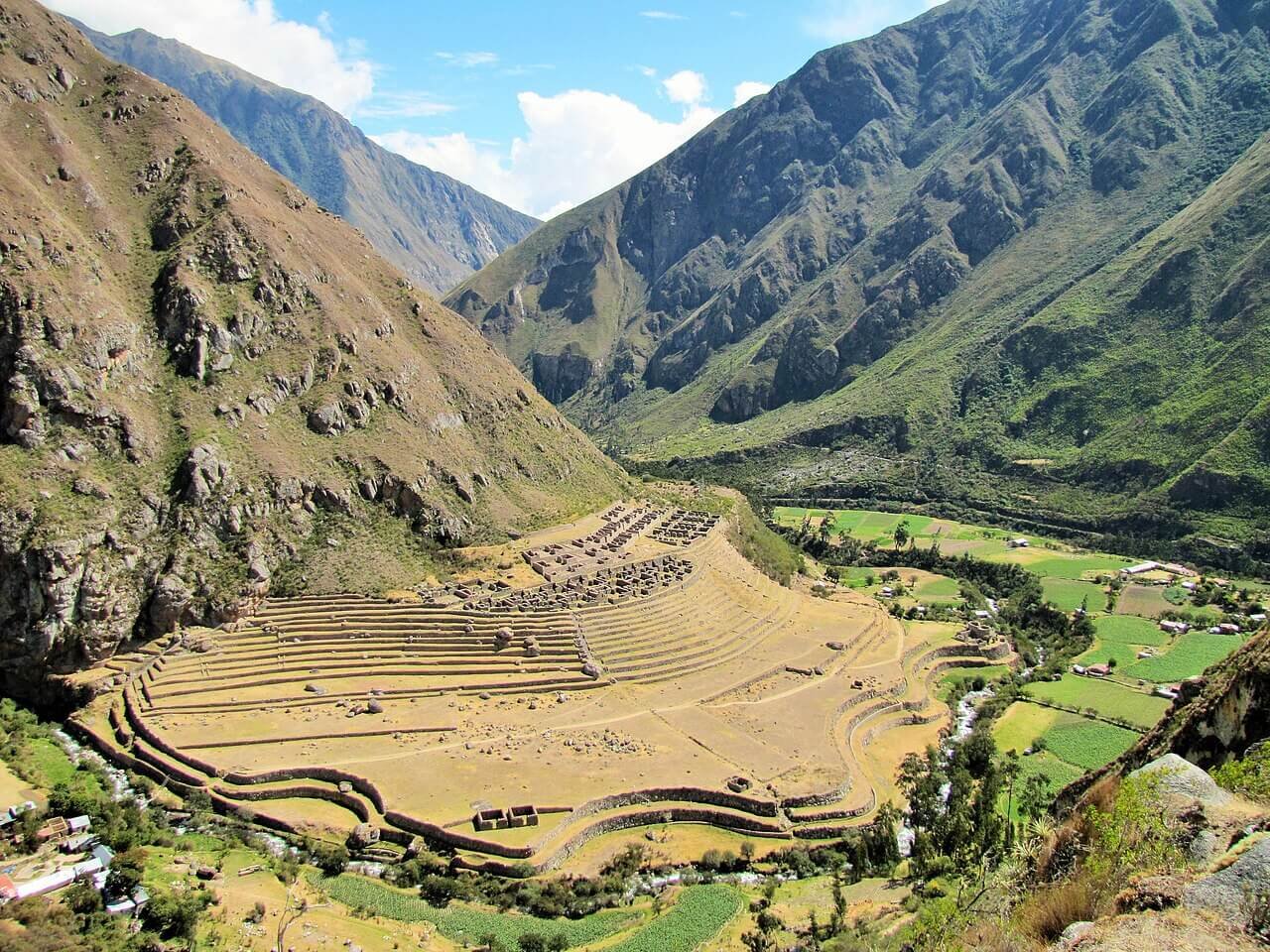

The Inca Trail length spans 26 miles (42 kilometers) along a historic hiking route in Peru that leads directly to Machu Picchu through the Sun Gate. The Inca Trail follows original 15th-century stone pathways constructed by the Inca Empire, creating a pilgrimage route from the Sacred Valley to the ancient citadel. Hikers complete the Inca Trail distance over four days, though two-day and three-day variations exist.
The Inca Trail gained fame as the only trek that enters Machu Picchu through Inti Punku at dawn, replicating the ceremonial arrival of ancient Incan nobles. Walking the Inca Trail takes trekkers through multiple archaeological sites (Runcuracay, Sayacmarca, Phuyupatamarca, Wiñay Wayna) featuring original stonework and ceremonial platforms. Diverse ecosystems and an ascent to Dead Woman’s Pass at 13,828 feet await trekkers on the Inca Trail.





Inca Trail Tours Review
These Inca Trail reviews share firsthand
experiences from travelers who completed the legendary hike to Machu Picchu, highlighting
trail conditions, cultural insights, scenery, organization, and the unforgettable arrival at the
Lost City of the Incas.

Average RatingOut of 5 stars
Happy TravelersSince 2015
Tours CompletedThis year alone
Recommend RateWould book again
How Long is the Inca Trail?
The Inca Trail is 26 miles (42 kilometers) long. The total distance reflects the Classic Inca Trail route measured by Peruvian park authorities, beginning at Kilometer 82 near Piscacucho in the Sacred Valley and ending at Machu Picchu through the Inti Punku Sun Gate. The route covers stone-paved paths, mountain passes, cloud forest terrain, and archaeological complexes constructed during the Inca Empire.
All the stops explain the measured length rather than a straight-line distance. The official start point at Kilometer 82 serves as the regulated trailhead, while the endpoint at Machu Picchu completes the historical pilgrimage route used by Inca nobility and religious processions.
How Long Does It Take To Hike The Inca Trail?
It takes four days to hike the Inca Trail. The four-day schedule represents the standard pace established by Peruvian park authorities, covering archaeological sites, high mountain passes, and acclimatization stages before arrival at Machu Picchu through the Inti Punku Sun Gate.
Shortened itineraries require two days for the Short Inca Trail, which begins closer to Machu Picchu and omits high-altitude passes. Extended itineraries span five days and have slower pacing, added campsite stops, and supplementary archaeological exploration approved under regulated trekking permits.
How Many Days does it Take to Hike the Inca Trail?
It takes four days to hike the Inca Trail on the Classic route. Day 1 covers approximately 7.5 miles from Kilometer 82 near Piscacucho to Wayllabamba, with elevations rising from about 8,900 feet to 9,800 feet, which establishes initial acclimatization. Day 2 represents the most demanding stage, spanning roughly 7.5 miles and ascending to Dead Woman’s Pass at about 13,800 feet, followed by a descent to Pacaymayu.
Day 3 extends about 9.5 miles across archaeological complexes and cloud forest terrain, with elevations fluctuating between 11,800 feet and 8,900 feet, leading to Wiñay Wayna. Day 4 completes a shorter 2.5-mile walk to Machu Picchu through the Inti Punku Sun Gate, with gradual elevation loss toward 7,970 feet. A Short Inca Trail option requires two days, covering about 7.5 miles with lower elevation gain and a direct approach to Machu Picchu that excludes high mountain passes.
How does Inca Trail Weather Affect the Duration of Hiking?
The Inca Trail weather affects the duration of hiking by slowing daily progress through rain, cloud cover, and temperature shifts that influence trail conditions. Wet-season rainfall from November through March increases mud, reduces footing stability, and extends ascent and descent times on stone steps and mountain passes.
Dry-season conditions from May through September support steadier pacing, though colder mornings at high elevations require longer rest periods for temperature regulation. Variations in trail speed and rest frequency are directly linked to Inca Trail weather, which determines ground traction, visibility, and physical exertion across each stage of the route.
How Hard is the Inca Trail to Hike?
The Inca Trail is moderately hard to hike. The route features uneven stone staircases, narrow mountain paths, and long ascents followed by steep descents that place sustained strain on legs and joints. The second day presents the greatest challenge due to the climb to Dead Woman’s Pass at approximately 13,800 feet, where reduced oxygen levels slow pace and increase fatigue.
Successful completion requires strong cardiovascular endurance, consistent uphill hiking ability, and prior experience with multi-day trekking at altitude. Trekkers with regular hiking, stair climbing, or endurance training backgrounds maintain steadier progress and recover more efficiently between stages, which directly reflects Inca Trail difficulty. Adequate acclimatization in Cusco or the Sacred Valley supports physical readiness and reduces altitude-related strain during the hike.
What is the Maximum Elevation and Total Distance of the Inca Trail?
The maximum elevation and total distance of the Inca Trail is 13,828 feet at Dead Woman’s Pass and 26 miles. The elevation figure reflects the highest point reached on the Classic Inca Trail during the second day of hiking, where altitude presents the greatest physical demand due to thinner air and sustained climbing. The total distance measures the full route from Kilometer 82 near Piscacucho to Machu Picchu through the Inti Punku Sun Gate, following stone paths, mountain passes, and archaeological sites established during the Inca period.
How Long is the Machu Picchu Hike from the Inca Trail?
The Machu Picchu Hike from the Inca Trail is approximately 2.5 miles long. The distance measures the final segment from Wiñay Wayna to Machu Picchu through the Inti Punku Sun Gate, which represents the concluding approach of the Classic route. Early morning departure and regulated entry timing define pacing rather than terrain length, which explains the short mileage compared to earlier days. The ceremonial arrival point used during the Inca period serves as the completion of the trek from the Inca Trail to Machu Picchu.
What is the Best Time to Hike the Inca Trail to Machu Picchu?
The best time to hike the Inca Trail to Machu Picchu is during the dry season from May through September. Dry-season conditions deliver lower rainfall, clearer skies, and firmer stone paths, which support a steadier hiking pace across high passes and steep staircases. Daytime temperatures remain moderate, while nighttime temperatures drop sharply at altitude, which favors hiking during daylight hours without excessive heat or rain-related delays.
Seasonality directly affects booking restrictions because daily permits operate under strict limits enforced by Peruvian authorities. Peak months (June, July, August) reach capacity months in advance due to high demand and fixed quotas (hikers, guides, porters). February remains unavailable due to an annual full-trail closure for maintenance and conservation. April and October provide transitional conditions with mixed weather patterns and improved permit availability compared to peak dry-season months.
0 Comments