
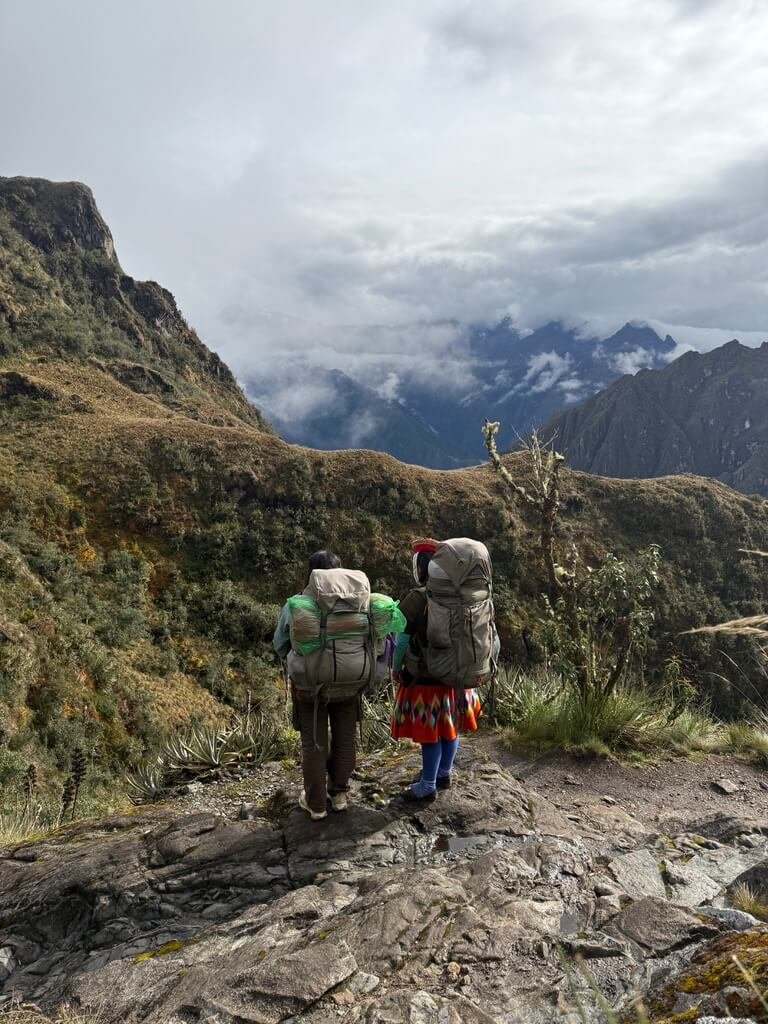

Introduction: “Best” Starts With the People Carrying the Load
I’m Miguel Ángel Góngora Meza. Before I ever led a group on the Inca Trail, I carried for one. I know what 40 kilos feels like at 4,215 metres, and I know what it feels like to sleep in a cooking tent while the guests sleep in theirs. So when someone asks me who the best Inca Trail tour operator is, I don’t start with the food, the views or the portable toilets. I start with the porters.
Here is the short answer: the best Inca Trail tour operator is the one that treats its porters as well as it treats its guests. That means fair and equal pay, loads that respect the law, a real tent, sleeping bag and meal for every porter, women hired on every trip, and modern lightweight gear so nobody carries more than they should. Price, reviews and group size matter too, but they come after.
This guide is what I tell travellers who ask me how to choose an operator, including when that operator isn’t us.
As Featured On:


What Our Guests Say


Why Does Porter Treatment Matter More Than Ever in 2026?
Porter treatment matters more than ever because the Inca Trail lost one of its porters in August 2026, and his death reminded the whole industry how exposed porters still are. Gabriel Ríos Mamani was 49 years old. He was found dead at a campsite near Warmiwañusqa, Dead Woman’s Pass, during the storm that closed the trail that week.
The authorities have not published a cause of death, and I will not guess at one. That is for the investigation and for his family. What I can say is this: porters are the people the Inca Trail cannot run without, and they are still the least protected people on it. They sleep at the coldest campsites, they carry the heaviest loads, and when the weather turns, they are the last ones to get out.
“Your absence will become a new push for our dream of seeing all porters treated with dignity and respect. We won’t let your memory fade.”
In memory of Gabriel Ríos Mamani, porter, 49. Our thoughts are with his family and with every porter who walks this trail.
For years, “best Inca Trail operator” lists have ranked companies on food, campsites and Instagram views. Porters were left out of the score. I think that has to change. A company that calls itself the best while its porters are overloaded, underpaid or sleeping in the dining tent hasn’t earned the title.
Don’t just take my word for it. For years, outlets from BBC Travel to Fodor’s and Lonely Planet have reported on how porters are treated on the Inca Trail. The stories keep coming, and the problem is still here.
What Should the Best Inca Trail Tour Operator Provide for Porters?
The best Inca Trail tour operator gives porters the same basics it gives guests: a fair wage, a legal load, a tent, a sleeping bag and pad, proper meals, insurance and rest. Use this table to check any company, including ours.
| What to look for | The minimum | What the best operators do | How you can check |
|---|---|---|---|
| Pay | The legal minimum under Porter Law 31614 | Above the minimum, and the same for women and men | Ask what a porter earns per trip, in soles |
| Load | 20 kg for men, 15 kg for women | Below the limit, thanks to lightweight gear | Watch the weigh-ins at KM 82 and before day 2 |
| Sleep | A place out of the rain | Their own tents, sleeping bags and pads | Ask where porters sleep on night 2. If you see porters sleeping in the toilet blocks or the dining tent, photograph the conditions (not their faces) and share it. People need to know that isn’t acceptable. |
| Food | Leftovers after guests eat | The same food, at the same time, and a few meals shared with guests | Ask, and watch every day |
| Insurance | Required by law | Health and accident cover all year, not only on trek days | Ask to see the policy |
| Women | Not required | Women porters hired on every group, every season | Ask how many women work on your departure, and don’t accept “they’re on another route” or “another group” as an answer |
Lesson #1: Heavy, Old-Fashioned Gear Is a Porter Problem
Operators that still use old-fashioned camping gear (heavy canvas tents, heavy duffel bags, plastic stools, heavy plastic or metal tables) are more likely to overload or underpay their porters, because heavy gear needs more people to carry it. The weight limit per porter is fixed by law. The only way to move more weight legally is to hire more porters, and every extra porter costs money.
That is the trap. A company with heavy gear and a low price has 2 choices: pay for the extra porters, or put the extra weight on the porters it already has. When I see a cheap price and a makeshift canvas dining tent with no proper floor, full of furniture that was never made for camping, I already know which choice was made.
My Story: The Canvas Tent
When I was a young porter, the dining tent was heavy canvas. Wet, it weighed about 30 kilos. I carried it up to Dead Woman’s Pass on my back, on top of my own things, with my blanket tied underneath because I had no sleeping bag. Nobody weighed my load. Nobody asked. The guests never knew, because nobody told them.
| Item | Old-fashioned version | Modern lightweight version |
|---|---|---|
| Guest tent (2 people) | Canvas or heavy nylon: ~6–8 kg | Lightweight trekking tent: ~2–3 kg |
| Dining tent | Canvas or heavy nylon with steel poles: ~20+ kg | Lightweight shelter: ~6–8 kg |
| Table | Heavy plastic or folding metal: ~4–6 kg | Aluminium roll-top: ~2–3 kg |
| Seat | Plastic stool: ~1–1.5 kg each | Ultralight camp chair: ~0.8 kg each |
Now do the sums for a group of 16: 8 guest tents, a dining tent, 2 tables and 16 seats. The old-fashioned set-up weighs about 60 kilos more than the modern one. That is 3 extra porters’ loads, every single day, that somebody has to pay for or carry.
The heaviest thing on the Inca Trail is not the gear. It’s the excuse that things have always been done this way, and the refusal to change, even when everyone knows this is exactly what exposes porters to abuse and neglect.
Lesson #2: Every “Little Perk” Has to Be Carried by Someone
Comfort extras like warm water buckets for washing your face, portable toilets, tables with tablecloths and chairs with backs all add weight, and that weight lands on porters. An operator cannot promise you all of them, charge a normal price and also claim to treat its porters fairly. The numbers don’t close.
I understand why the perks exist. A warm bowl of water in the morning is lovely. But it means someone carried the water, the bowls, and the gas to heat it, up 1,200 metres of stone steps. A portable toilet and its tent can weigh about 15 kilos. Glass bottles, metal pots and a full kitchen add more.
Cooking classes on the trail are another example. They look charming in a brochure, but they need aprons, knives, cutting boards and extra ingredients, and every one of them is carried by someone. Ask yourself whether that is necessary, and whether it’s fair. Again, the numbers don’t add up.
What I Tell My Guests Now
- Ask every operator how many porters will work on your trip, and how many guests.
- Ask what each porter carries, and whether the load is weighed.
- Be suspicious of a long list of luxury extras at a low price. Someone pays for that difference.
- Choose comfort that is light: good sleeping pads, warm food, a dry tent. That’s what you’ll remember.
Lesson #3: An Operator Without Women Porters Isn’t Sustainable
A trekking company that doesn’t hire women porters on an ongoing basis is not sustainable, because it shuts half of the local workforce out of the industry’s income. Sustainability is not only about rubbish bags and reusable bottles. It’s about who gets to earn from tourism in the Andes, and for most of the Inca Trail’s history the answer was: only men.
I’ll say it plainly. A business model built only on men carrying the maximum load for the lowest possible pay depends on that pressure to make its numbers work. And it leaves the women of the same communities out completely: the wives, sisters and daughters who know these mountains just as well.
Hiring women costs more. Women carry less by law, so you need more porters for the same group. National Geographic pointed this out when it wrote about our team in 2018. We decided that cost is the price of doing it right.
Our Story: The First Women on the Trail
In 2017, Evolution Treks Peru became the first company to hire women porters on the Inca Trail. Sara Qquehuarucho Zamalloa and Lucía Vela Sosa were among the first. People laughed at us. Some said the mountains were not for women. Today Sara and Lucía are professional tour guides. Silvia and Paola, who came after them as porters, are guides now too, and this year Daisy is making the same journey from porter to guide.
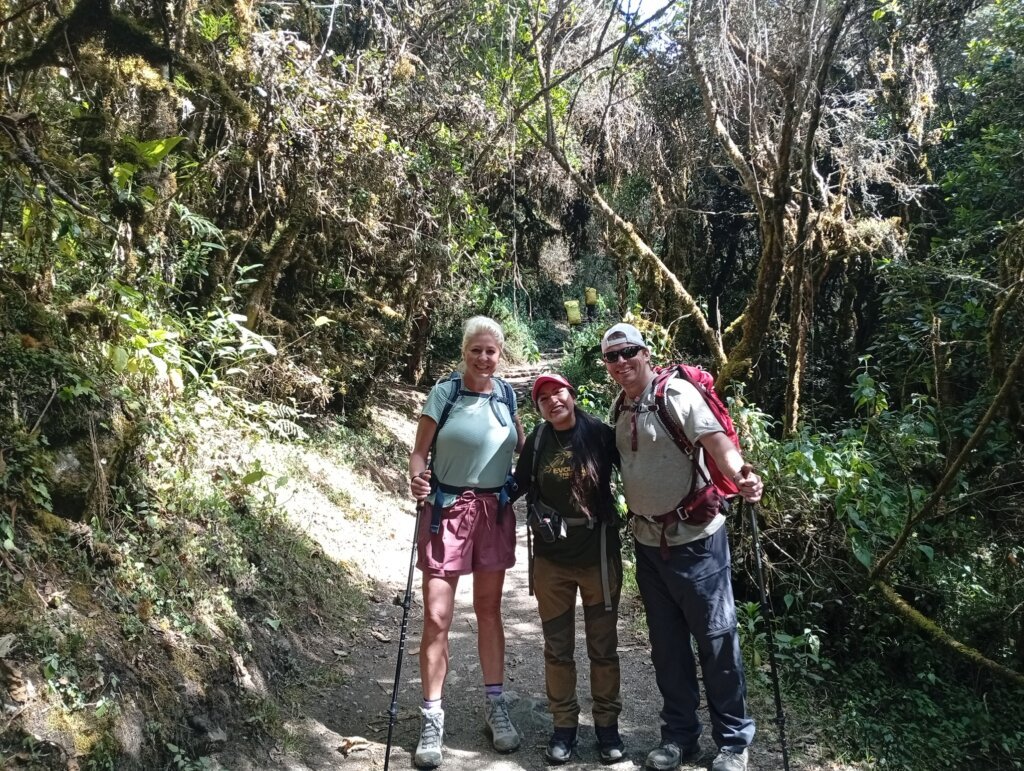
Follow Our Porters and Guides
Lesson #4: Equal Pay Means Equal, Not “Similar”
Equal pay on the Inca Trail means a woman porter earns exactly the same as a man for the same trip, even though the law limits her to a lighter load. At Evolution Treks Peru, that is our policy, and it has been since our first women porters started.
- Same pay for women and men in the same role: 450 soles per trip.
- Women in every group, every season, not just on women-only departures.
- Same tents, sleeping bags, meals and insurance for every porter.
When women earn on the trail, the money reaches the home, the children’s school and the community. One company doing it is a start. The whole industry doing it is a transformation. We have been doing it, without a break, for almost 10 years.
Lesson #5: Then Check the Basics
Once an operator passes the porter test, check the basics: an official licence, small groups, a clear price and recent reviews.
| Check | Why it matters |
|---|---|
| Official licence | Only licensed operators can take you on the Inca Trail. Independent trekking isn’t allowed. |
| Group size | Smaller groups mean better pacing and more time with your guide. |
| What the price includes | Permits, train, bus, sleeping bag, poles and tips can change the real cost. See our Inca Trail cost guide. |
| Recent, detailed reviews | Look for reviews that mention porters by name, and for how the company answers complaints. |
Why Is Evolution Treks Peru the Best Choice for the Inca Trail?
Evolution Treks Peru is the best choice for travellers who want a great Inca Trail trek and want to know that every porter on it is treated fairly. We were founded by a former porter, we were the first to hire women porters, we pay women and men the same, and we have replaced heavy old gear with modern lightweight equipment to make those changes possible.
Lighter Gear, Better Camps, Fairer Loads
We replaced canvas tents, plastic stools and heavy tables with lightweight, minimalist trekking tents, tables and seats. The result goes both ways:
- For guests: modern, lightweight, drier tents; quicker camp set-up; comfortable seats; more time to rest.
- For porters: lighter loads, fewer injuries and a trip that doesn’t break their backs.
Modern doesn’t mean less comfortable. It means nobody has to suffer for your comfort.
Who We Are Not Right For
If you want a toilet throne, hot water carried up for your morning wash, porters carrying your personal gear for free, and a warm cup of coffee at camp while your porters wait outside in the cold or the rain, we are probably not your company. If you want a warm, dry, beautifully run camp where you can look every porter in the eye, we’d love to have you.
Don’t Take Our Word for It
Where Has Evolution Treks Peru Been Featured?
Evolution Treks Peru has been featured by BBC Travel, National Geographic, Lonely Planet, The Telegraph, Fodor’s and others for its work on porter rights and for bringing women porters to the Inca Trail.
- BBC Travel — The women porters making history on Peru’s Inca Trail
- BBC Travel — An ethical guide to hiking the Inca Trail
- National Geographic — Peru’s first women porters make history
- National Geographic en Español — Conozca a las primeras mujeres porteadoras de Perú
- Lonely Planet — Responsible trekking in Peru: know porters’ rights
- The Telegraph — The perfect holiday in Peru
- Fodor’s Travel — What closing the Inca Trail means for trekkers and porters
- Fodor’s Travel — How rough the conditions are for these travel workers
- Matador Network — The first all-women Machu Picchu trek
- Fox News — Machu Picchu’s first all-female trek
- Condé Nast Traveler — Tech trends shaping the way we travel
- Resonate Travel — Peruvian porters lead the way to workers’ rights
- WHYY Peak Travel podcast — The porters of Machu Picchu
- The Last Tourist (documentary)
- Give Back Guide — Trek the Inca Trail with Peru’s pioneering women porters
Hike the Inca Trail With a Team That Treats Porters Fairly
Send us your dates and questions. We answer every message ourselves.
What Should You Ask an Inca Trail Operator Before You Book?
Before you book, ask any Inca Trail operator these 6 questions. A good company answers all of them quickly and without discomfort.
- How much does a porter earn on my trip, in soles?
- Do women and men earn the same?
- How many women porters will be on my departure?
- How many porters per guest, and what does each one carry?
- Where do porters sleep, and what do they sleep in?
- How old is your camping gear, and what does a guest tent weigh?
Frequently Asked Questions About Inca Trail Tour Operators
Who is the best Inca Trail tour operator?
The best Inca Trail tour operator is a licensed company that treats porters as well as guests: equal and fair pay, legal loads, proper sleeping gear and meals, and women hired on every trip. We believe Evolution Treks Peru meets that standard, and we encourage you to ask every company the same questions.
How can I tell if an operator treats its porters fairly?
Ask what porters earn, what they carry, where they sleep and whether women work on your trip. Then watch on day 1: do porters have their own tents, and do they eat the same food you do?
How much weight can an Inca Trail porter carry?
Under Peru’s porter regulations, a man can carry up to 20 kg and a woman up to 15 kg. Loads are checked at the trail checkpoints.
Are there women porters on the Inca Trail?
Yes. Evolution Treks Peru hired the first women porters on the Inca Trail in 2017, and women porters now work on our groups every season.
Is a cheap Inca Trail tour unethical?
Not always, but a very low price with a long list of luxury extras is a warning sign. The porters’ pay and loads are usually where that difference comes from.
Sources: Latin Times reporting on the August 2026 Inca Trail closure and the death of Gabriel Ríos Mamani; National Geographic (Rachel Brown, August 2018); Matador Network (March 2021); Fox News (March 2021); Peru Porter Law 31614 (2022).


0 Comments