
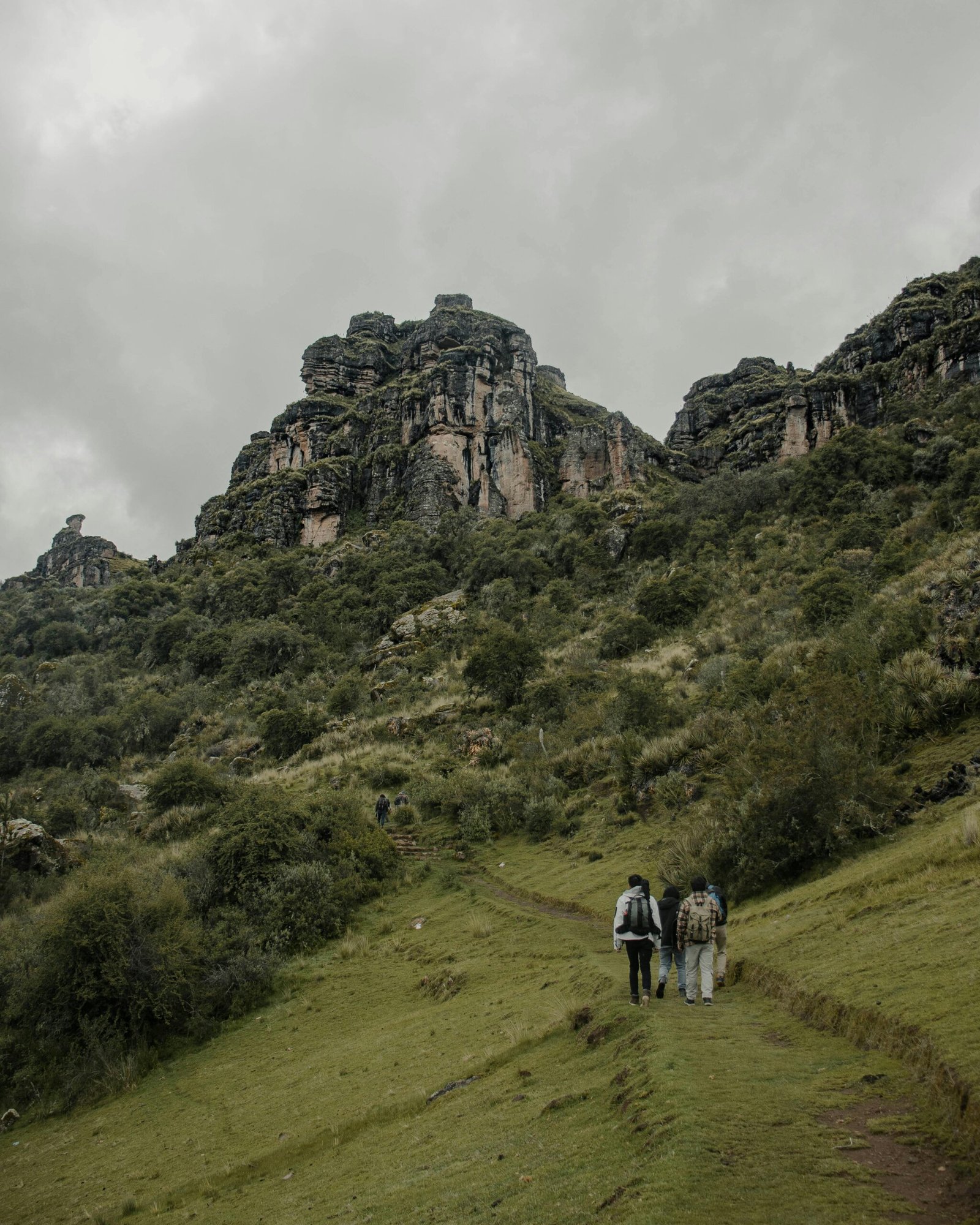

Train for the Inca Trail by focusing on conditioning to ensure a successful and enjoyable experience. Endurance is necessary for maintaining stamina throughout the multi-day trek, while strength training prepares the body for the physical demands of steep ascents and descents. Travelers must build altitude readiness, as the Inca Trail reaches high altitudes that cause discomfort for unprepared hikers.
Training must incorporate aerobic exercises (hiking, running) to improve cardiovascular fitness, along with strength exercises targeting the legs, core, and upper body. Specific preparation for a multi-day trekking adventure helps the body adapt to long hours of walking while carrying a pack. Proper conditioning is important to fully enjoy an Inca Trail Tour, ensuring that the body handles the various challenges along the trail.
How to Train for the Inca Trail?
The Inca Trail to Machu Picchu is a once-in-a-lifetime adventure that demands proper physical
and mental preparation. This comprehensive training guide will help you build the strength,
endurance, and confidence needed to handle high-altitude hiking, steep stone steps, and long
trekking days. With the right training plan, you can reduce fatigue, avoid injury, and fully
enjoy the breathtaking landscapes, ancient ruins, and rewarding challenge of one of the world’s
most iconic hikes.





Inca Trail Tours Review
These Inca Trail reviews share firsthand
experiences from travelers who completed the legendary hike to Machu Picchu, highlighting
trail conditions, cultural insights, scenery, organization, and the unforgettable arrival at the
Lost City of the Incas.

The Inca Trail Training plan is a training plan designed to prepare trekkers for the challenging 4-day journey to Machu Picchu. The Inca Trail training plan begins 3 to 6 months before the trek, with gradual increases in intensity. Hiking on uneven, uphill, and downhill terrain mimics the conditions of the Inca Trail during the steep climbs at higher altitudes. Practicing with a loaded backpack helps, as the trek requires carrying essential gear for extended periods.
Cardiovascular exercises (running, cycling, brisk walking) focus on building endurance for sustained physical effort over long days of trekking. Sessions must gradually increase in duration to mirror the 6 to 8-hour days on the trail. Strength training targets the legs for uphill and downhill strength, the core for stability, and the upper body for carrying backpacks. Full-body workouts (squats, lunges, step-ups, planks) are ideal.
Flexibility exercises help prevent injuries from the strain of long hours of walking. The body experiences reduced oxygen levels at higher altitudes, so gradually increasing elevation gain during training hikes helps acclimatize and improve performance. Monitoring progress and gradually adjusting intensity to match the increasing difficulty of the trail is important throughout the training.
To make the Inca Trail training plan, follow the five steps listed below:
-
- Assess current fitness level. Evaluate the current physical condition, focusing on endurance, strength, and flexibility. Identify areas of improvement to create a targeted training plan addressing specific weaknesses.
-
- Build cardiovascular endurance. Incorporate various physical activities (running, cycling, or hiking) to improve heart and lung capacity. Gradually increase the intensity and duration to simulate the cardiovascular demands of the Inca Trail.
-
- Strengthen legs and core. Focus on exercises that target the legs (squats, lunges, step-ups) to build leg power. Incorporate core exercises (planks, leg raises to improve stability and posture on uneven terrain.
-
- Simulate hiking conditions. Hike on trails with varied terrain to replicate the challenges of the Inca Trail. Carry a weighted backpack during the hikes to prepare for the load carried during the actual trek.
- Practice elevation training. Train at higher altitudes when possible, or use a stair climber to simulate reduced oxygen levels. Acclimating to elevation helps reduce the risk of altitude sickness during the Inca Trail trek.
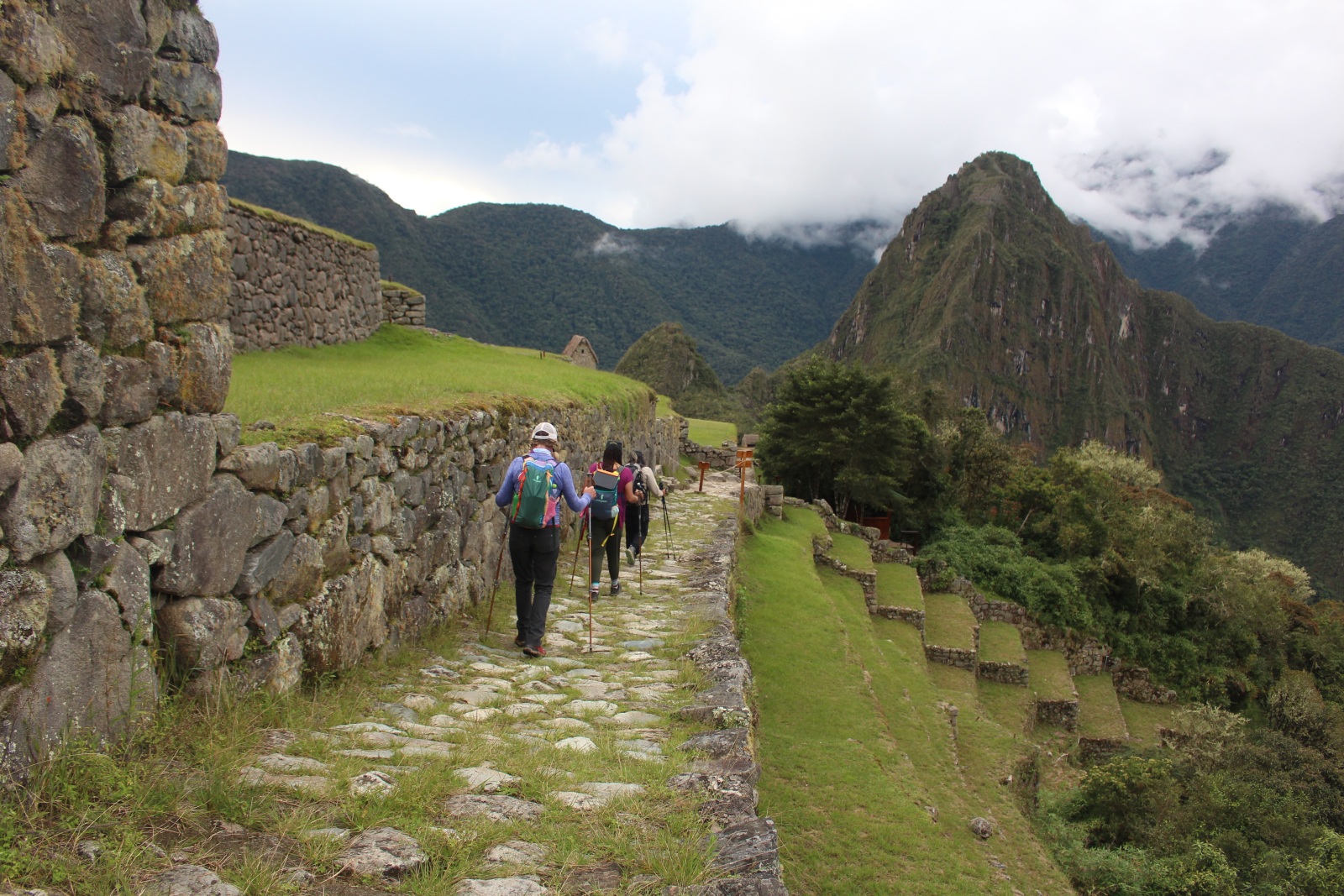
Why Training for Inca Trail is Important?
Training for the Inca Trail is important for the reasons listed below:
- Improves Endurance: Cardiovascular training increases stamina, enabling the body to sustain energy levels during the long days of trekking. The preparation ensures trekkers handle the physical demands of the entire Inca Trail.
- Increases Strength: Strength training targets muscles in the legs, core, and upper body, which are essential for navigating steep ascents and rough terrain. The workout ensures the body is strong enough to carry a heavy pack without causing strain or discomfort.
- Reduces Risk of Injury: Strength and flexibility exercises protect muscles, ligaments, and joints from overuse injuries. Conditioning the body in advance helps prevent strains and sprains while trekking on the physically demanding trail.
- Acclimates to Elevation: Training at higher altitudes or using altitude simulation techniques allows the body to adjust to the reduced oxygen levels. The approach improves breathing capacity and helps the body perform more efficiently at the high altitudes encountered on the Inca Trail.
- Prepares for Rough Terrain: Training on uneven surfaces and steep inclines builds coordination, stability, and proper footwork. IThe exercise prepares the body to navigate the rugged terrain of the Inca Trail with greater ease and safety.
- Boosts Mental Resilience: Physical training builds mental endurance, which helps overcome the challenges of a long, strenuous hike. The mental workiout strengthens the mindset required to push through fatigue, discomfort, and the unpredictable elements of the Inca Trail.
How Long should Inca Trail Training Last?
Inca Trail training should last eight weeks. The timeline allows adequate preparation for the physical challenges of the trail. The trek involves different challenges (high altitudes, steep ascents, long days of walking), which require specific conditioning. A trekker’s training period begins with building cardiovascular endurance through physical activities (hiking, running, cycling). Strength training focuses on the legs, core, and upper body to handle the physical strain of carrying a daypack and climbing uneven terrain. The exact duration of training varies based on a traveler’s baseline fitness. Trekkers with an active lifestyle or prior hiking experience train in a shorter period, while beginners require more time to gradually increase their stamina and strength. Participants starting at a lower fitness level must build up gradually to avoid injury and ensure proper adaptation to the demands of the trail.
Longer training periods exceeding eight weeks provide additional benefits. The extensive training allows the body to better adjust to the altitude, which is critical for preventing altitude sickness. Longer preparation improves muscle memory, making the trek feel more manageable. The training helps hikers increase their physical capacity to endure the long days of hiking, ensuring they feel prepared for the 4-day challenge of the Inca Trail.
What Exercises Support Inca Trail Hiking?
The exercises that support Inca Trail hiking are listed below:
- Squats: The exercise strengthens the quadriceps, hamstrings, and glutes, improving lower-body power for uphill movement. Squats improve stability during movement across varied terrain.
- Lunges: Lunges challenge balance and coordination while targeting the same muscle groups as squats. The exercise builds strength and endurance for ascents and descents.
- Step-ups: The movement simulates elevation gain, strengthening the legs and boosting cardiovascular fitness. Step-ups help prepare for the repetitive action of climbing during the hike.
- Planks: The exercise engages the core muscles and improves stability and balance on rough paths. A strong core supports posture and minimizes fatigue during extended hikes.
- Leg raises: Leg raises target the lower abs, promoting core strength. A strong core improves support and reduces strain on the back during strenuous hikes.
- Russian twists: The exercise works the obliques and the entire core, improving rotational strength for uneven terrain. A strong core aids in maintaining balance and posture on challenging trails.
- Stair climbing: The exercise simulates uphill movement and improves stamina. Stair climbing improves the cardiovascular endurance needed for long, strenuous hikes.
- Box stepping: Box stepping adds intensity to promote leg strength and agility. The movement builds strength for the uphill and downhill phases of the trail.
- Bulgarian split squats: The exercise improves leg strength while improving balance and flexibility. Bulgarian split squats reduce strain on the knees during descents, supporting stability on downhill paths.
- Reverse lunges: Reverse lunges target the quads, hamstrings, and glutes, minimizing knee strain. The movement improves strength and balance for controlled downhill movement.
Does Inca Trail Training Improve Success?
Yes, Inca Trail training does improve success. Training helps hikers build physical endurance, strength, and mental preparedness, all of which are essential for the challenges presented by the trail’s high altitude and strenuous conditions. Physical conditioning (cardiovascular fitness, leg strength) allows trekkers to better handle the long, steep climbs and the varying terrain.Training prepares the body for the effects of altitude, reducing the risk of altitude sickness. Mental preparation, through familiarization with the trail’s difficulty and the ability to adapt to weather changes, increases confidence and resilience. Trekkers who train before embarking on the trek are more likely to complete the trail without injury or fatigue.
Preparation for hiking the Inca Trail takes 4 to 6 weeks. Adequate preparation involves building physical stamina (cardio workout, strength training) to handle the trail’s altitude and terrain. Hikers must gradually increase their endurance through regular hiking or walking sessions, ideally with a weighted pack, to simulate the conditions of the Inca Trail.
Acclimatize to the high altitudes by spending time in areas with similar elevations before the trek. Proper gear and clothing (hiking boots, a comfortable backpack, weather-appropriate clothing) must be gathered in advance. Securing permits and organizing transportation and accommodation takes 2 to 4 weeks, making advanced planning critical for a successful hike.
Hiking the Inca Trail takes 4 days. The Inca Trail spans 42 kilometers from the Sacred Valley to Machu Picchu, crossing through diverse terrains (high-altitude mountain passes, lush cloud forests, and ancient Inca sites). The first day involves a relatively easy hike, covering 6 miles and passing through the picturesque town of Piskacucho. Hikers face the most challenging stretch on the second day, ascending to the highest point of the trail at 13,828 feet (4,215 meters).
The third day offers a more moderate climb, with visits to Inca ruins like Phuyupatamarca. The final day is an early morning hike to the Sun Gate for a breathtaking view of Machu Picchu at sunrise. Hikers opt for shorter alternatives (2-day Inca Jungle Trail). The full trek requires physical endurance, proper gear, and time for acclimatization to prevent altitude sickness. Answering “How long is the Inca Trail?” helps travelers better lay out their preparations.
Duration affects training needs by determining the intensity and scope of the training program. Shorter training periods require more focused, high-impact content to maximize learning within a limited time frame. Longer training periods allow for more in-depth exploration of topics, hands-on practice, and the opportunity to reinforce concepts over time.
A short-term training program emphasizes core skills with minimal theoretical instruction, while an extended program integrates theory, practice, and feedback loops to ensure mastery. The length of the training session influences retention, as prolonged training allows for spaced repetition, which strengthens memory and skill development.
The Inca Trail to Machu Picchu is 42 kilometers long. The trail starts at the Kilometer 82 mark along the train tracks in the Sacred Valley, winding its way through varied landscapes (mountains, subtropical jungles, and Incan ruins). Hikers take on the high-altitude climb to Dead Woman’s Pass, reaching 13,780 feet (4,200 meters) above sea level, before descending into the cloud forest.
Trekkers pass ancient Incan sites (Wiñay Wayna) along the way. The trek takes four days, with the final day offering an early-morning arrival at the Sun Gate, where trekkers first glimpse the iconic Machu Picchu. The journey through the Inca Trail to Machu Picchu is a test of endurance, but the rewards are incredible views and a sense of accomplishment upon reaching the Lost City of the Incas.
To prepare physically for the Inca Trail hike, start by combining endurance training, strength exercises, and altitude adaptation. Try regular hikes on varied terrain (steep ascents and descents) to simulate the trail’s challenging conditions. Increase the distance and elevation gain of the hikes to build stamina and prepare for the long trekking days. Incorporate cardiovascular exercises like running, cycling, or swimming to improve cardiovascular fitness and endurance.
Strength training that focuses on key body areas (legs, core, upper body) is essential for supporting the physical demands of carrying a backpack and navigating rugged paths. Leg exercises (squats, lunges, step-ups) increase leg strength. Planks and deadlifts build core stability.
Flexibility exercises improve mobility and reduce the risk of injury. Altitude training is crucial, as the Inca Trail reaches high altitudes where oxygen levels are lower. Training at higher altitudes or using an altitude mask helps the body adjust to reduced oxygen and minimize altitude sickness. Begin training 3 to 6 months before the hike, progressively increasing the intensity to match the physical demands of the Inca Trail.
An intermediate fitness level is recommended for the Inca Trail. The trek covers challenging
terrain (steep ascents, high altitudes, uneven paths), requiring a moderate level of
endurance, strength, and cardiovascular fitness. Hikers must be able to comfortably walk for
several hours per day while carrying a backpack over rocky and uneven surfaces.
Strong leg muscles are important to handle the constant uphill and downhill segments, while
core strength is necessary for maintaining balance on unstable ground. Cardiovascular
endurance helps in sustaining energy throughout the day, particularly for long stretches of
hiking. Proper acclimatization to higher altitudes is critical to prevent altitude sickness,
as the trail reaches up to 13,800 feet (4,200 meters). Training must cover different aerobic
exercises, leg strengthening routines, and simulated hiking at increasing elevations to
prepare the body for the demands of the trail.
The types of exercises that improve stamina for the Trail are listed below:
- Cardio Workouts: Aerobic exercises (running, cycling, swimming) increase cardiovascular
endurance. The activities help the heart and lungs deliver oxygen efficiently, which is
crucial for maintaining energy during long treks. - Hiking with a Weighted Pack: Hiking uphill with a backpack that mimics the weight of
your gear strengthens the legs and the cardiovascular system. The exercise simulates the
physical demands of the Inca Trail, improving stamina for steep ascents and long hours
of walking. - Interval Training: High-intensity interval training (HIIT) alternates between short
bursts of intense effort and recovery periods. The workout improves aerobic and
anaerobic capacity, helping the body to recover quickly during the trail’s challenging
sections. - Leg Strengthening Exercises: Squats, lunges, and step-ups build leg strength and
endurance, which are necessary for tackling steep inclines and uneven surfaces. The
exercises improve muscle stamina, allowing for longer, more efficient hikes. - Endurance Walking: Long, steady walks on flat or hilly terrain help build stamina by
gradually increasing the time spent walking. Consistently walking for extended periods
trains the body to sustain energy over long distances. - Swimming: Swimming is a full-body workout that boosts cardiovascular endurance while
improving flexibility and stamina. The activity helps build strength without putting too
much strain on the joints, which is beneficial for long hikes.
Yes, cardio workouts are important for Inca Trail training. The Inca Trail requires
sustained physical effort, lasting 6 to 8 hours per day over multiple days. Cardio workouts
(running, hiking, swimming, cycling) improve the cardiovascular system’s ability to deliver
oxygen to muscles, which is essential for maintaining energy levels during long, strenuous
hikes. Higher altitudes make the body work harder to adapt to lower oxygen levels. Cardio
training improves lung capacity and increases the body’s ability to process oxygen, which is
vital for avoiding fatigue and altitude sickness on the trail.
Incorporating varied cardio exercises helps develop aerobic endurance and muscular stamina.
Running or hiking on inclines simulates the steep sections of the Inca Trail. Cycling and
swimming are excellent low-impact exercises to build cardiovascular endurance without
overloading the joints. The goal is to increase stamina so that hikers are capable to handle
the trail’s 4-day challenge, which involves significant elevation changes and unpredictable
weather conditions. Consistent cardio training supports faster recovery during rest periods,
ensuring that trekkers maintain energy for each new day on the trail.
Hiking practice before the trek is most important for preparing the body and mind for the
challenges of the Inca Trail. Regular practice builds endurance, strengthens the muscles
used in uphill and downhill movements, and improves balance and stability on uneven terrain.
Training prepares the cardiovascular system for sustained physical activity, reducing the
risk of fatigue and injury during the actual trek.
Hiking practice helps familiarize the body with the specific demands of the trail (elevation
gain, altitude changes, long hours of walking). Hikers gauge their fitness level by
gradually increasing intensity and make necessary adjustments to their gear to ensure a
smoother, more comfortable trek.
Incorporating weight-bearing activities into the practice regimen is essential, as hiking
with a loaded backpack mirrors the conditions of the actual trek. Training on inclines and
uneven ground builds the necessary strength in the legs, core, and lower back, reducing the
strain of navigating steep sections of the trail. Altitude training allows the body to adapt
to the thinner air found at higher elevations, helping to minimize altitude sickness
symptoms. Simulating real-world conditions (weather, terrain, duration) makes the actual
trek more manageable and ensures that the body is prepared for any unforeseen challenges.
Consistent practice fosters confidence physically and mentally, ensuring a safer and more
enjoyable hiking experience.
Yes, stair climbing or hill training is beneficial. Stair climbing and hill training mimic
the terrain and elevation changes found on the Inca Trail. Stair climbing targets the
primary muscle groups (quadriceps, hamstrings, calves, and glutes) used when ascending and
descending steep hills. The exercise strengthens the lower body, improving muscle endurance,
which is vital for tackling the constant uphill and downhill movements throughout the trek.
Hill training on natural slopes provides similar benefits by conditioning the body to handle
the varying incline, improving balance and coordination.The exercises contribute to
cardiovascular conditioning by increasing heart rate and promoting better oxygen
utilization. The benefit is especially important at higher altitudes, where oxygen levels
are lower. Hill and stair training increases the body’s ability to adapt to altitude
changes, reducing the likelihood of fatigue and altitude sickness. The training methods
prepare the body for the physical exertion and the mental challenges of long, sustained
efforts on uneven terrain.
To prepare your body with nutrition before the trek, follow the five steps below.
- Increase carbohydrate intake. Focus on consuming complex carbohydrates (whole grains,
pasta, vegetables). The foods provide a steady source of energy, fueling the body for
long hours of hiking. - Boost protein consumption. Incorporate protein-rich foods (lean meats, legumes, dairy,
and plant-based proteins) in the diet. Protein is essential for muscle repair and
recovery, helping to strengthen muscles and prepare them for the physical strain of the
trek. - Maintain hydration. Drink water consistently throughout the day, ensuring the body is
properly hydrated. Electrolyte-rich drinks (sports drinks, coconut water) help replace
lost minerals and maintain fluid balance during long hikes. - Add healthy fats. Incorporate healthy fats (avocados, nuts, seeds, olive oil) into
meals. The fats provide long-term energy, support cell function, and promote joint
health, which is crucial for maintaining stamina on the trek. - Consume iron-rich foods. Eat foods rich in iron (spinach, red meat, legumes) to support
red blood cell production. Adequate iron levels improve oxygen delivery to muscles,
which is vital when trekking at higher altitudes where oxygen levels are lower.
The foods that help improve stamina and recovery are whole grains, lean proteins, fruits,
vegetables, nuts, seeds, and hydration. Whole grains (brown rice, quinoa) provide
long-lasting energy due to their complex carbohydrates, which fuel endurance activities.
Lean proteins (chicken, turkey, and fish) are important for muscle repair and growth after
exercise. Fruits (bananas, berries) offer vital vitamins, antioxidants, and natural sugars
that help replenish glycogen stores and reduce inflammation.
Vegetables (spinach, sweet potatoes) are rich in nutrients (potassium, beta-carotene),
aiding in muscle function and reducing oxidative stress. Nuts and seeds (almonds, chia
seeds) provide healthy fats and protein, supporting sustained energy and tissue repair.
Adequate hydration with water or electrolyte drinks is crucial for maintaining fluid balance
and preventing cramps during physical activities. The foods contribute to stamina by
supporting energy levels and boost recovery by repairing muscles and reducing post-exercise
soreness.
Yes, you do need to practice hydration strategies while training. Proper hydration supports
optimal physical performance, helps regulate body temperature, and prevents dehydration,
which impairs cognitive and physical functions. Dehydration during exercise causes weakness
(fatigue, muscle cramps, dizziness), which decreases endurance and slows reaction times.
Maintaining fluid balance ensures that muscles receive sufficient oxygen and nutrients,
allowing them to function effectively. Hydration aids in the removal of metabolic waste
products that accumulate during exercise. Electrolyte-rich drinks are recommended for
prolonged training sessions or intense workouts to replenish sodium and potassium levels,
which are essential for nerve function and muscle contractions. Practicing hydration
strategies regularly during training ensures that the body adapts to the conditions,
promoting better performance, faster recovery, and reduced injury risk.
Start training for the Inca Trail at least 2 to 3 months before the trek. The training
period allows the body to adapt to the physical demands of the trail and reduces the risk of
injury. Focus on increasing aerobic capacity through intense activities (hiking on varied
terrains, running, cycling, and swimming) to improve cardiovascular fitness. Gradually
increase the duration and intensity of workouts to build endurance for long days of
trekking.
Incorporate strength training exercises, targeting major muscles (legs, hips, core, and
upper body) to prepare for the steep ascents and descents on the trail. Building leg
strength through exercises (lunges, squats, step-ups) is crucial for managing the heavy
loads while trekking. Practicing at higher altitudes or using elevation training masks helps
with acclimatization to the Inca Trail’s high-altitude sections. Flexibility training
through stretching and yoga prevents stiffness in the hips, calves, and lower back. Starting
training early ensures the body is physically prepared for the challenge and handle the
various conditions of the Inca Trail to Machu Picchu.”
12 to 24 weeks of training are recommended. The timeframe allows sufficient preparation for
the physical demands of the Inca Trail, which covers extended days of trekking with
elevation changes. The training plan must begin gradually, focusing on building endurance
through cardio exercises and hiking, as well as strength training to increase muscle
endurance and stability.
Starting 12 weeks out is suitable for trekkers who already have a moderate fitness level. 24
weeks is ideal for beginners or travelers who need to focus on building a foundation of
fitness and progressively increasing intensity. Progressively increasing the intensity and
duration of hiking, cardio, and strength training throughout the training period ensures the
body adapts and is ready for the strenuous conditions of the Inca Trail. Adjusting the
intensity and incorporating rest days is essential to avoid injury and allow for proper
recovery.
A weekly training routine for the Inca Trail is a combination of cardiovascular exercises,
strength training, and hiking practice. The routine must focus on building endurance and leg
strength, with a mix of aerobic exercises (running, cycling, swimming), aiming for at least
3 to 4 sessions per week. The activities improve heart and lung capacity, which is crucial
for sustaining energy throughout the trail.
Strength training for the legs and core must be done 2 to 3 times a week, covering leg
exercises (squats, lunges, step-ups, planks). Practice hiking on varied terrain with a
weighted backpack to simulate the conditions of the trail. Elevation training is key to
preparing for high-altitude conditions. Gradually increase the duration and intensity of
workouts, simulating the physical demands of the Inca Trail (long, uphill hikes) with breaks
for rest and hydration.
Yes, short-term preparation does make a difference. Short-term preparation offers benefits
by allowing individuals to improve their fitness level in a relatively short period.
Focusing on key aspects (cardiovascular endurance, strength, and flexibility) within a few
weeks improves a hiker’s ability to manage the physical demands of the Inca Trail.
Short-term preparation helps improve stamina, increase muscular strength, and boost the
body’s ability to adapt to challenging terrain. The results of short-term preparation do not
match the benefits of a more extended training period. Trekkers with limited time must focus
on maximizing their training efforts, particularly on cardio exercises and strength-building
activities that specifically mimic the conditions of the trail.
To prepare for Machu Picchu hiking, follow the six steps listed below:
- Get a fitness assessment. Evaluate the current fitness level to understand the
areas that need improvement. Consider consulting a doctor, especially if there are
pre-existing health conditions, to ensure fitness for the physical demands of the trek. - Build cardiovascular endurance. Incorporate activities like running, cycling, or
swimming into the routine to improve heart and lung capacity. Aim for at least 3 to 4
sessions per week to gradually build stamina for long days of hiking. - Strengthen legs and core. Focus on exercises that build leg muscles and improve
balance (squats, lunges, step-ups). Incorporate core exercises (planks) to improve
posture and stability during steep ascents and descents. - Simulate hiking conditions. Practice hiking on uneven terrain, hills, and stairs
to get used to the challenges of the trail. Carry a backpack while hiking to simulate
the weight needed to be carried during the trek. - Acclimate to high altitudes. Hike at higher altitudes or use a stair climber to
simulate altitude conditions. The action helps prepare the body for the lower oxygen
levels encountered on the trail. - Prepare gear and supplies. Invest in comfortable, durable hiking boots, a
well-fitting backpack, and appropriate clothing for varying weather conditions. Make
sure to pack essentials like water, snacks, a hat, sunscreen, and a rain jacket.
To train for Machu Picchu hiking, follow the steps listed below:
- Build Endurance. Engage in cardio exercises (walking, running, cycling) to improve
cardiovascular fitness. Gradually increase the duration and intensity to simulate the
long hours of hiking at high altitudes. - Strengthen Legs and Core. Incorporate leg exercises (squats, lunges, step-ups) to target
the crucial muscle groups (quadriceps, hamstrings, glutes). Perform core exercises
(planks, leg raises) to improve balance and stability on uneven terrain. - Hike on Inclines. Train on hills or stairs to replicate the uphill sections of the
trail. Increase the incline and duration over time to build strength and stamina for the
steep ascents of Machu Picchu. - Practice with a Backpack. Hike with a loaded backpack to simulate the weight carried
during the trek. Start with lighter loads and gradually add weight as strength improves. - Adapt to Higher Altitudes. Train at higher altitudes to help the body adjust to thinner
air. Consider spending time at a higher elevation before the trek to allow the body to
acclimatize. - Focus on Flexibility and Recovery. Incorporate stretching and yoga to improve
flexibility and reduce muscle tightness. Prioritize recovery with rest days and proper
nutrition, to prevent injury and improve performance during training.
A Machu Picchu Hike training plan is a structured approach to prepare the body for the
physical demands of the trek. The plan covers exercises to improve cardiovascular fitness,
leg strength, endurance, and flexibility. The plan incorporates aerobic exercises (running,
cycling) to boost stamina and simulate the endurance needed for the hike. Strength training
focuses on the lower body, with exercises (squats, lunges, step-ups) to build muscle in the
legs (calves, quads, hamstrings). Hill or stair climbing is essential for simulating the
steep inclines encountered on the trail.
The training plan must cover hiking practice, ideally on uneven terrain, to prepare the body
for the specific conditions of the trail. Additionally, flexibility exercises like yoga or
stretching routines help prevent injury and improve mobility, especially for navigating
rocky paths. Altitude training, or hiking at higher elevations, conditions the body to
handle the effects of reduced oxygen. Hydration and nutrition plans are key components,
ensuring energy levels are maintained throughout the trek. A well-rounded training plan
improves physical readiness and mental toughness, ensuring a successful and enjoyable
experience during the Machu Picchu hike.
What are the Challenges when Preparing to Hike the Inca Trail?
The challenges when preparing to hike the Inca
Trail are listed below:
- Altitude Acclimatization: The Inca Trail reaches elevations over 13,000 feet, which
causes altitude sickness if proper acclimatization is not achieved. Spending time at
higher altitudes before the trek is crucial to reducing the risk of sickness. - Physical Fitness: The trail demands high endurance due to its steep inclines and
rugged terrain. A lack of physical preparation leads to fatigue and difficulty
completing the trek. - Weather Conditions: Daily weather on the trail varies, with heavy rain and extreme
sun exposure. Proper clothing and gear are necessary to stay comfortable and safe
throughout the journey. - Logistical Planning: Securing permits, organizing transportation, and booking
accommodation is time-consuming. The limited availability of permits makes advanced
planning essential. - Packing and Gear: Choosing the right equipment (hiking boots, backpacks, clothing)
is vital for comfort and safety. Inadequate gear leads to discomfort or injury
during the hike.
How Difficult is it to prepare for the Inca Trail Hike?
Inca Trail training should last eight weeks. The
It is moderately difficult to prepare for the Inca Trail Hike. The trek requires
physical conditioning due to its challenging terrain, high altitudes, and varying
weather conditions. Hikers need to build stamina through cardiovascular exercises
(hiking, running, cycling) and strength training to handle the steep ascents and
descents. Acclimatization to the altitude is crucial, as the trail reaches up to 13,828
feet (4,215 meters), and hiking without proper adaptation leads to altitude sickness.
Preparation covers gathering essential gear (appropriate footwear, clothing layers, and
a good-quality backpack) to ensure comfort during the hike. Obtaining necessary permits
and booking with a licensed tour operator adds to the logistical complexity. Preparation
requires careful planning and dedication, while the hike is achievable for most hikers
with proper training.
How does Preparation Impact the Difficulty of Hiking the Inca Trail?
Preparation impacts the difficulty of hiking the
Inca Trail by improving physical endurance, mental resilience, and the ability to adapt
to high-altitude conditions. Proper physical preparation (endurance, strength,
cardiovascular fitness) helps hikers manage the challenging terrain (steep inclines,
rocky paths). A strong fitness base allows hikers to maintain a steady pace, reducing
fatigue during long hours of walking. Mental preparation is equally important, as
understanding the physical and emotional challenges of the trek (unpredictable weather,
fatigue) helps hikers stay focused and positive throughout the journey.
Acclimatizing to high altitudes before starting the Inca Trail is crucial. The trek
reaches altitudes of over 13,000 feet, where reduced oxygen levels lead to altitude
sickness, causing headaches, dizziness, and shortness of breath. Spending time at high
elevations before the hike allows the body to adjust to the thinner air, making it
easier to handle the Inca Trail difficulty.
How does Elevation Affect the Inca Trail Hike?
Elevation affects the Inca Trail hike by impacting
stamina, breathing, and performance. The air pressure decreases as hikers ascend to
higher altitudes, leading to lower oxygen levels. The condition makes breathing more
difficult and requires the body to work harder to obtain sufficient oxygen, which leads
to fatigue and shortness of breath. The highest point on the Inca Trail is Dead Woman’s
Pass at 4,200 meters, which causes altitude sickness in some trekkers if proper
acclimatization isn’t followed.
The symptoms of altitude sickness (dizziness, nausea, headaches) affect progress and
enjoyment negatively. Training for high-altitude conditions and allowing for proper
acclimatization during the trek (rest days at intermediate altitudes) help counter the
effects. Hydration, slow and steady progress, and adequate rest help the body adjust to
the challenges presented by the elevation on the Inca Trail to Machu Picchu.
How does Altitude Affect Hiking the Inca Trail?
Altitude affects hiking the Inca Trail through a
decrease in oxygen levels as the elevation increases. The air pressure drops as trekkers
gain altitude, leading to reduced oxygen availability. The situation makes each breath
less effective and causes the body to work harder to deliver oxygen to muscles and
organs. Hikers feel fatigued more quickly at higher elevations above 3,048 meters, and
their stamina is impacted. Symptoms of altitude sickness (dizziness, shortness of
breath, nausea) are more likely to occur at higher altitudes.The Inca Trail to Machu Picchu has areas with steep climbs and high-altitude sections, like
Dead Woman’s Pass, which reaches 13,780 feet (4,200 meters). Slower progress and rest breaks
are necessary to avoid overexertion as the body struggles to acclimate. Proper
acclimatization before and during the hike is crucial to prevent altitude sickness. Trekkers
must hydrate frequently, avoid rapid ascents, and ensure they have adequate time for rest to
allow the body to adjust. Simulating high-altitude conditions during training helps the body
prepare for the oxygen deprivation encountered along the trail.
Can Altitude Sickness Affect Inca Trail Hike?
Yes, altitude sickness affects the Inca Trail hike by causing symptoms (headaches, nausea, dizziness, shortness of breath) at higher altitudes. The Inca Trail reaches elevations of over 13,000 feet, where the air contains less oxygen, making it more difficult for the body to acclimatize. Travelers who are not thoroughly prepared for high-altitude conditions experience altitude sickness, which impacts their ability to continue hiking or enjoy the trek.
Trekkers are encouraged to acclimatize by spending time at higher altitudes before beginning the trek, staying hydrated, and ascending slowly to minimize the risk. Taking medications (acetazolamide) helps prevent or alleviate symptoms. Proper physical training (cardio exercises, hiking at altitude) before the trek helps the body adjust to lower oxygen levels, reducing the likelihood of altitude sickness.
What are the Benefits of Training for the Inca Trail?
The benefits of training for the Inca Trail are listed below:
- Improved cardiovascular fitness: Training increases heart and lung capacity, helping to sustain energy throughout long days of hiking and improving stamina. The training boosts the ability to endure strenuous physical activity over extended periods.
- Increased leg strength: Targeted exercises build muscle in the legs, making it easier to tackle steep ascents and descents on the trail. Stronger legs help reduce fatigue and improve performance during long, challenging stretches.
- Increased core stability: Core training helps improve balance and posture, reducing the risk of injury on uneven terrain. A strong core provides better support for the body, especially during uphill and downhill climbs.
- Better endurance: Regular aerobic exercise builds stamina, allowing hikers to walk for extended periods without excessive fatigue. The ability to maintain consistent energy over time is crucial for completing the trail.
- Altitude acclimatization: Training at higher elevations or with elevated resistance helps the body adjust to reduced oxygen levels, minimizing the risk of altitude sickness. Proper acclimatization improves comfort at high altitudes.
- Mental preparation: Consistent training helps build mental resilience, making it easier to push through challenging sections of the trail and stay focused during the hike. Mental toughness is essential for overcoming physical and emotional challenges along the way.
- Improved joint health: Training with a focus on strength and flexibility reduces the strain on joints, helping to prevent injuries during long treks on rough terrain. Healthy joints ensure better mobility and fewer discomforts during the hike.
- Better hydration and nutrition management: Preparing for the Inca Trail through training helps develop awareness of hydration needs and nutrition, ensuring the body performs at its best during the trek. Proper management of fluid and nutrient intake is vital for sustained energy.
- Increased confidence: Regular training builds confidence in physical abilities, making hikers feel more prepared and capable of completing the demanding hike. Confidence boosts mental strength and helps maintain a positive attitude during the trek.
0 Comments