
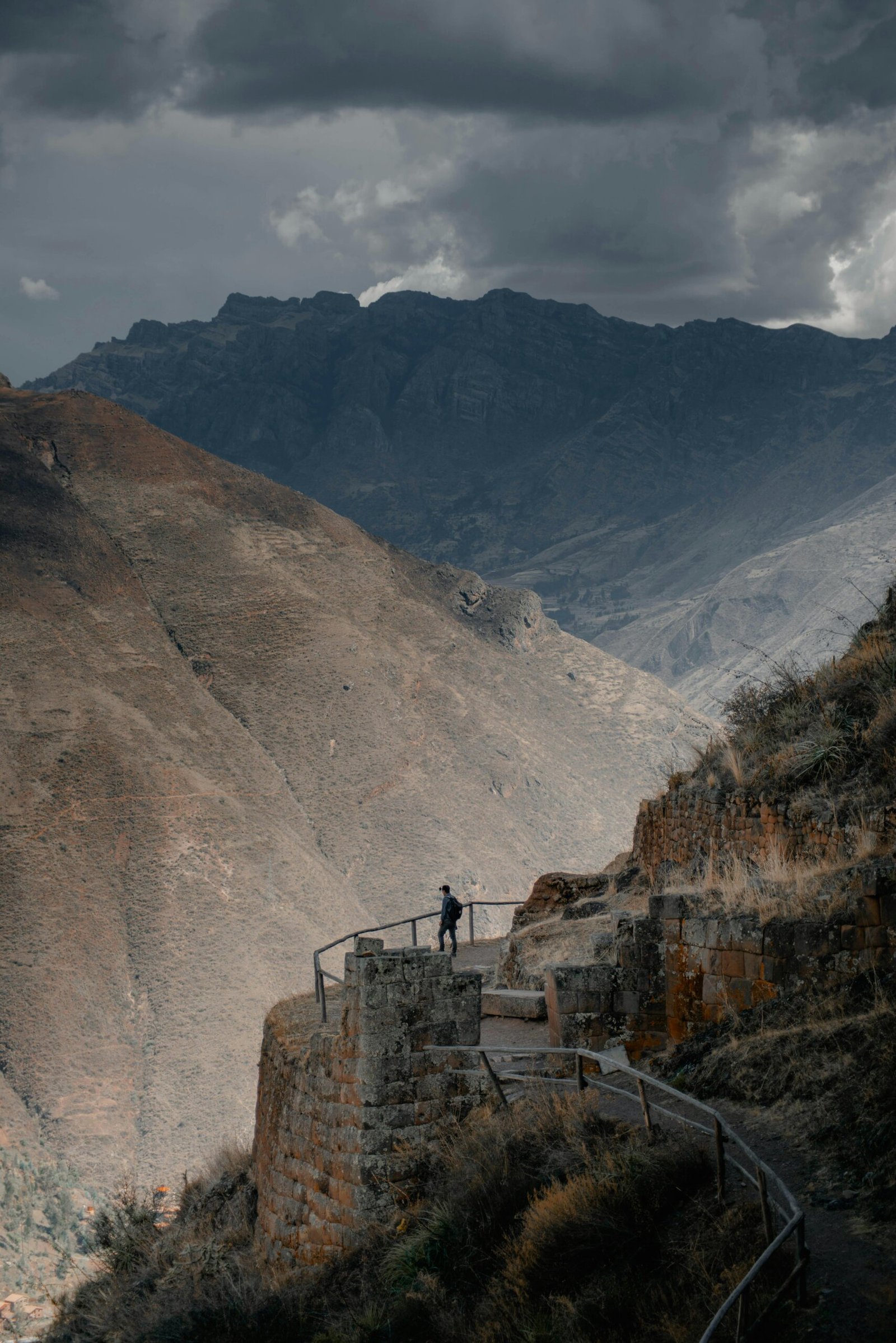

The best Inca Trail alternatives are the Salkantay Trek, Lares Trek, Inca Jungle Trek, Short Inca Trail, Huchuy Qosqo Trek, Choquequirao Trek, Ausangate Trek, and Vilcabamba Trek. The best Inca Trail alternatives provide access to historic Andean routes recognized for preserved stone paths, ceremonial ruins, and the Sun Gate entrance. Government permit caps restrict daily access to the Classic Inca Trail, creating booking pressure during peak months from May to September.
Inca Trail alternatives offer flexibility and provide a quieter trekking experience. Salkantay Trek, Lares Trek, and Huchuy Qosqo Trek feature fewer crowds, open booking schedules, and a wider range of difficulty levels. Shorter treks (Short Inca Trail and Huchuy Qosqo) allow travelers to experience Inca history without committing to a multi-day expedition. Longer routes such as the Salkantay Trek and Lares Trek showcase dramatic scenery, high mountain passes, and cultural interaction with local communities.
Adventure-focused travelers choose the Inca Jungle Trek, which combines hiking with activities like biking and rafting. The Patagonian routes remain legitimate and well-established ways to reach Machu Picchu. The alternatives preserve the spirit of the Inca Trail while offering accessible, less crowded, and diverse trekking options (terrain, difficulty, experience style, and focus) for modern travelers.
Best Inca Trail Alternatives
Discover Peru’s Most Spectacular Trekking Routes
Salkantay Trek
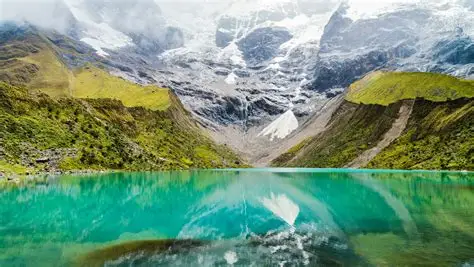
The Salkantay Trek is widely regarded as the top alternative to the Classic Inca Trail and showcases the Andes at their most dramatic. The route takes hikers through strikingly varied landscapes, beginning among towering snow-capped peaks before descending into warmer valleys and mist-filled cloud forests. The trek demands strong physical endurance due to its high elevation and sustained ascents. The journey rewards trekkers with iconic highlights (turquoise waters of Humantay Lake, the Salkantay Pass, remote coffee-growing areas, and the Llactapata archaeological site). The Llactapata viewpoint offers a distant glimpse of Machu Picchu before the final approach. The Salkantay Trek is completed over five days and suits adventurous travelers seeking a less regulated, equally awe-inspiring route to Machu Picchu.
⭐ Trek Highlights
- Close-up views of the majestic Salkantay Glacier
- Dramatic high-altitude mountain passes
- Turquoise glacial lakes like Humantay Lake
- Diverse landscapes from alpine tundra to cloud forest
- Less crowded alternative to the Inca Trail
- Cultural encounters with local Andean communities
- Powerful sunrise and sunset mountain scenery
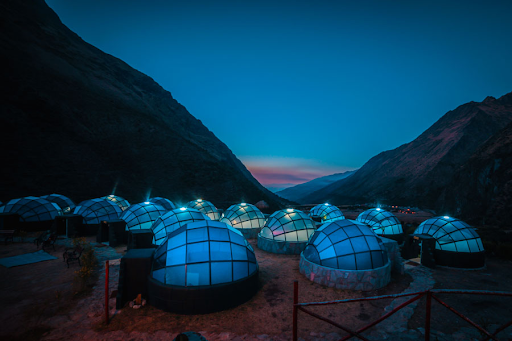
Ready to Conquer the Salkantay Trek?
Book your adventure today and experience one of Peru’s most spectacular trekking routes
Lares Trek
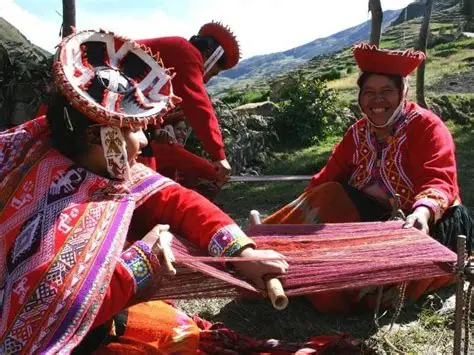
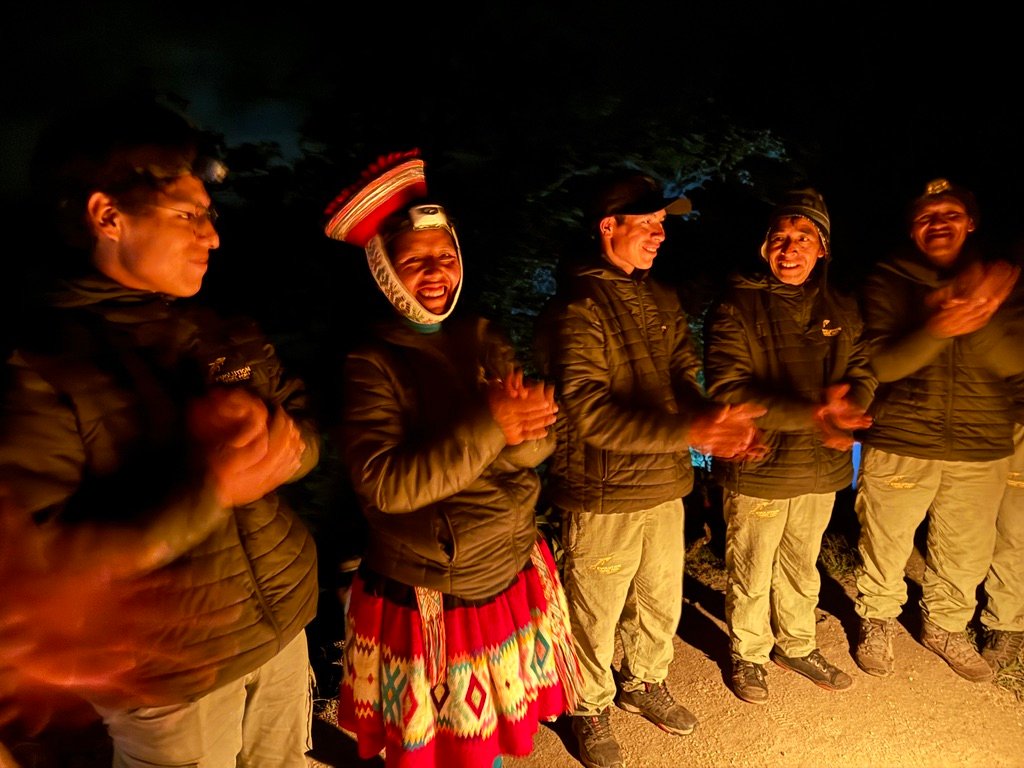
The Lares Trek route offers a deeply cultural alternative to more heavily traveled paths in the Cusco region. The journey moves through isolated mountain valleys where traditional Andean life continues much as it has for generations. Small villages along the trail provide opportunities to observe local farming practices, alpaca herding, and handwoven textile production. Natural hot springs appear at key points on the route, creating moments of rest and genuine interaction with local communities. The landscape shifts between high mountain passes and gentle valleys, allowing hikers to experience physical challenge and cultural immersion through the Lares Trek. The trek appeals to travelers who value meaningful human connection, quiet trails, and an authentic glimpse into Andean traditions rather than a focus on monumental ruins.
⭐ Trek Highlights
- Natural hot springs for post-hike relaxation
- Authentic villages with traditional Andean life
- Snow-capped mountain views
- Quiet, less-traveled trails
- High mountain passes with panoramic scenery
- Opportunities to see llamas and alpacas
- Cultural immersion with local families
Ready to Conquer Lares Trek
Join the Lares Trek for an authentic experience.
Huchuy Qosqo Trek
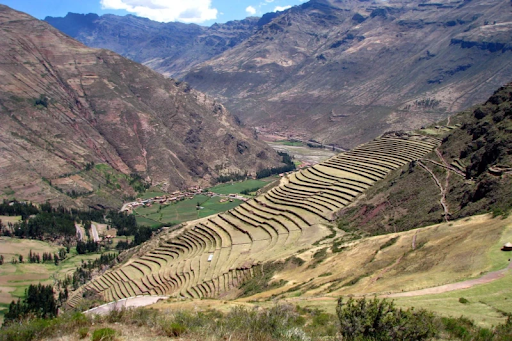
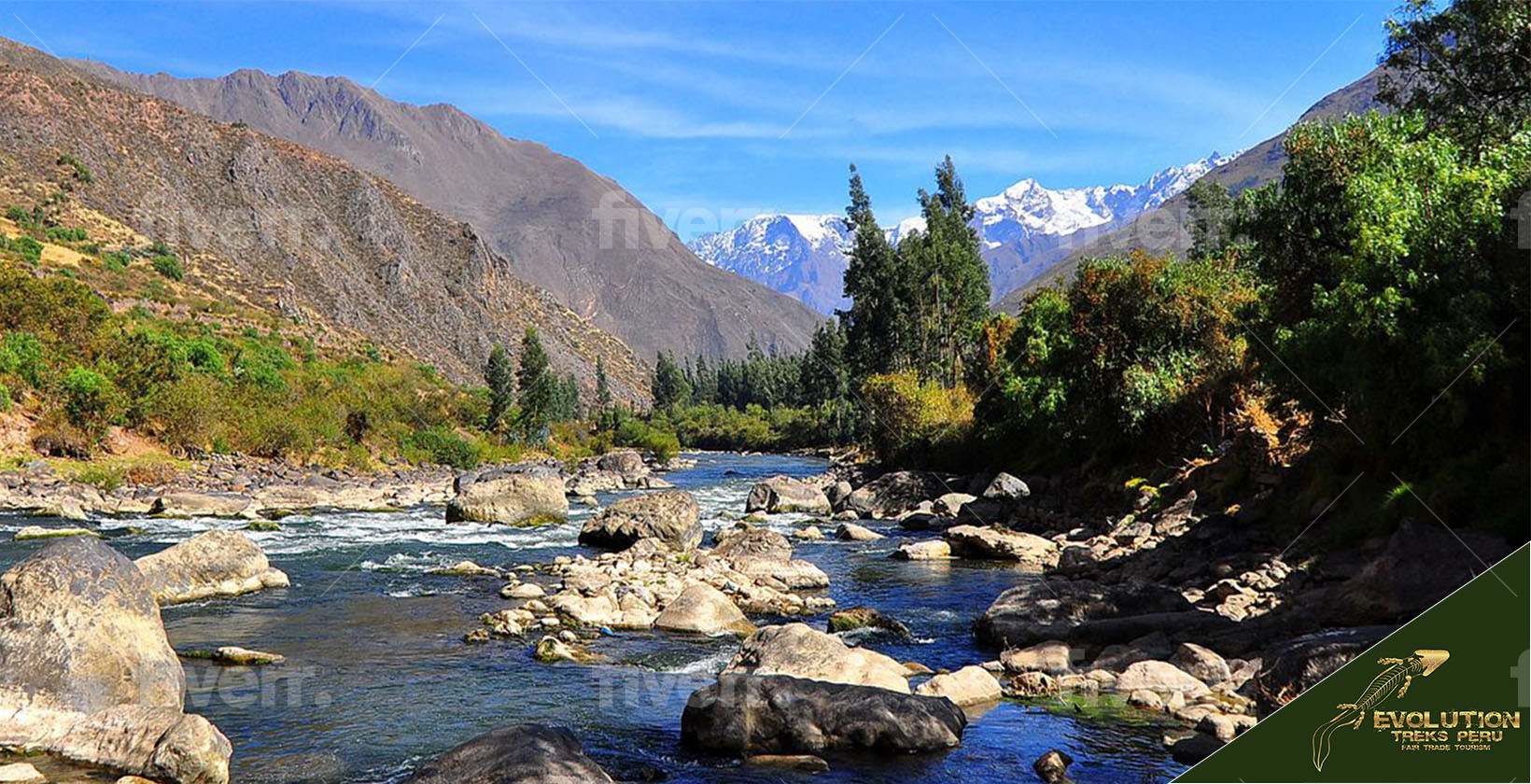
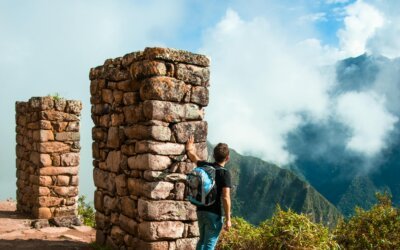
The Huchuy Qosqo Trek offers a short yet rewarding journey along an authentic Inca pathway. The route suits travelers with limited time who want to experience a historical approach to Machu Picchu. The trail passes through highland landscapes that open to wide views of the Sacred Valley. The hike remains manageable for most trekkers while reaching notable altitudes. The experience centers around the Huchuy Qosqo ruins, known as “Little Cusco,” along with well-preserved Inca stone gateways. The Huchuy Qosqo trek takes three days, making it an ideal option for travelers seeking cultural depth without a long or strenuous itinerary.
⭐ Trek Highlights
- Inca ruins overlooking the Sacred Valley
- Short trek ideal for acclimatization
- Sweeping valley and mountain views
- Peaceful high-altitude trails
- Ancient stone structures and terraces
- Easy connection to Machu Picchu routes
- Great option for beginner trekkers
Ready to Conquer Huchuy Qosqo Trek
Join Huchuy Qosqo Trek for an authentic experience.
Inca Jungle Trek
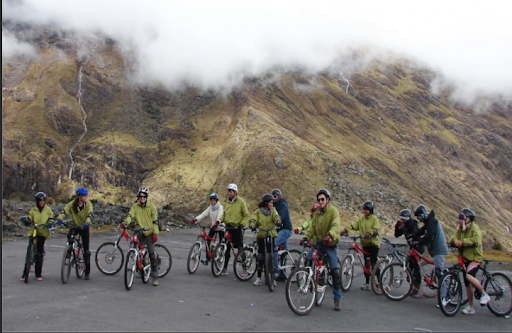
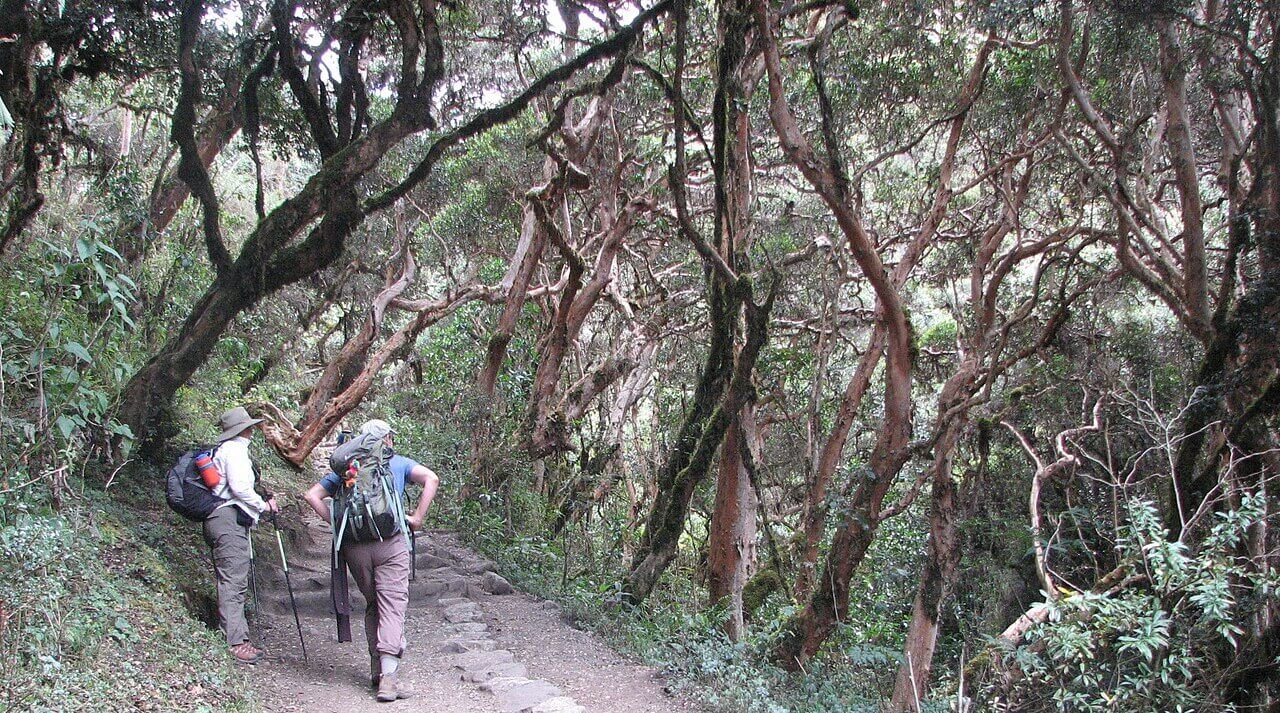
The Inca Jungle Trek delivers a high-energy route to Machu Picchu by combining adventure sports with short hiking sections. The experience replaces long mountain climbs with activities such as downhill mountain biking, river rafting, and zip-lining through tropical landscapes. The itinerary appeals strongly to younger travelers seeking excitement rather than a traditional trek. The route begins with a dramatic descent from Abra Malaga before continuing through the Urubamba River corridor and the jungle town of Santa Teresa. The journey includes time to relax at the Cocalmayo hot springs before reaching Machu Picchu. The Inca Jungle trek spans four days, offering an action-packed alternative for travelers who want variety and adventure.
⭐ Trek Highlights
- Mix of trekking, biking, and optional rafting
- Lush jungle landscapes and waterfalls
- Coffee and cacao plantations
- Warm climate and diverse ecosystems
- Adventure-focused alternative trek
- Local villages and cultural experiences
- Relaxing hot springs along the route
Jungle Trek
Ready to Conquer Inca Jungle Trek
Join Inca Jungle Trek for an authentic experience.
Choquequirao Trek
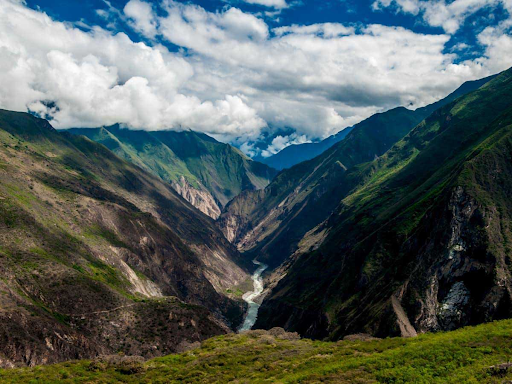
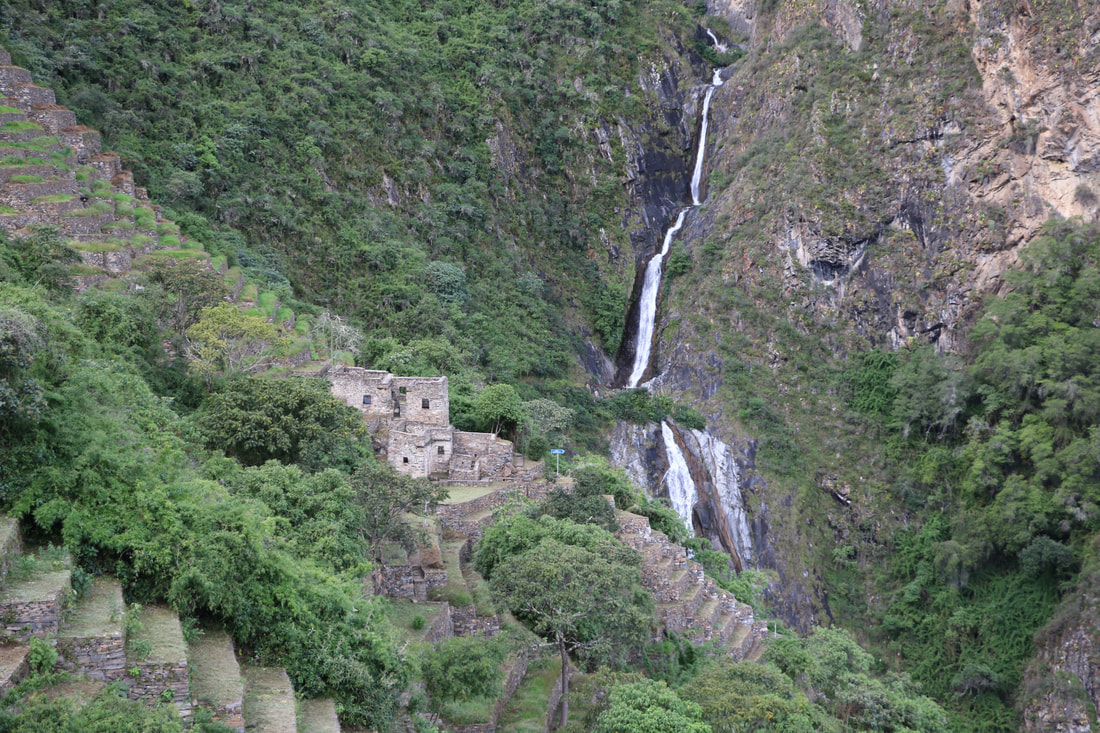
The Choquequirao challenges experienced hikers with long days, steep descents, and punishing climbs through remote terrain. Choquequirao is the lesser-known sister city of Machu Picchu and offers one of the most demanding treks in Peru. The trail leads deep into the Apurímac Canyon before ascending to a vast Inca complex that remains largely unexcavated. The experience feels raw and expedition-like, with very few visitors and an overwhelming sense of isolation. The highlights include the famous Llama Terraces and expansive stone structures spread across the mountainside. The trek is completed as a shorter out-and-back journey or extended into a multi-day expedition that continues all the way to Machu Picchu.
⭐ Trek Highlights
- Exploration of the massive Choquequirao ruins
- Extremely low tourist traffic
- Deep canyon crossings and steep ascents
- Remote and rugged wilderness
- Stunning Apurímac Canyon views
- Rich archaeological significance
- Ultimate trek for experienced hikers
Ready to Conquer Choquequirao Trek
Join Choquequirao Trek for an authentic experience.
Vilcabamba Trek
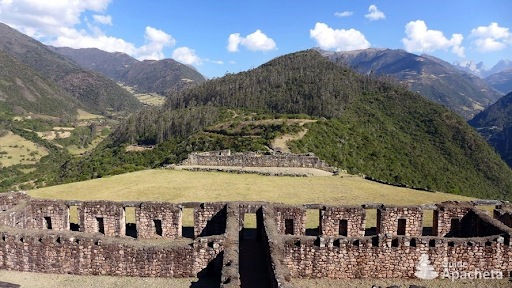
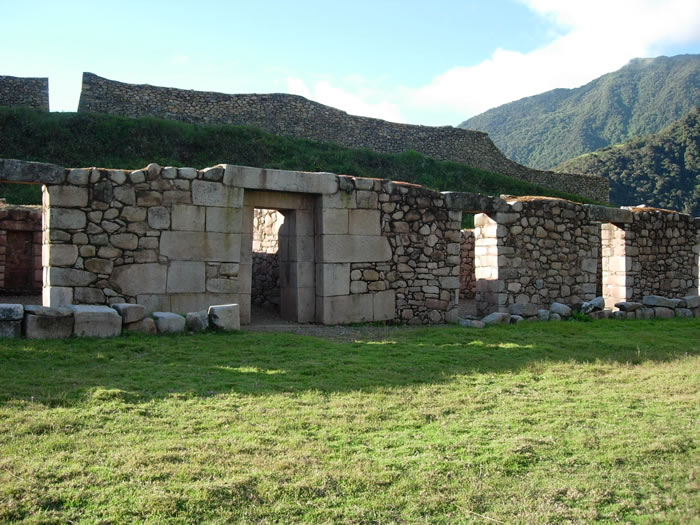
The Vilcabamba Trek traces a historic route to the last stronghold of the Inca Empire during the Spanish conquest. The journey takes hikers through remote landscapes that shift from high mountain passes to dense, untouched cloud forests. The trail demands experience and endurance, as long distances and high elevations are combined with minimal infrastructure. The route passes important archaeological sites (Vitcos and Rosaspata), offering insight into the final chapter of Inca resistance. The trek features natural landmarks like the White Rock, known as Yurac Rumi, set within a landscape rarely visited by travelers. The Vilcabamba Trek spans five to seven days and suits hikers who value solitude, history, and a true expedition-style experience.
⭐ Trek Highlights
- Remote routes through untouched landscapes
- Ancient Inca trails and ruins
- High-altitude passes and glaciers
- Dense cloud forests and rivers
- Strong sense of exploration and isolation
- Cultural and historical experience
- Ideal for adventure-focused trekkers
Ready to Conquer Vilcabamba Trek
Join Vilcabamba Trek for an authentic experience.
Ausangate Trek
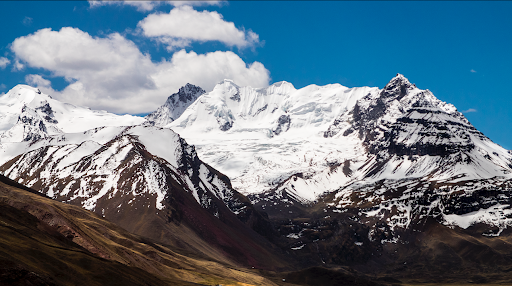
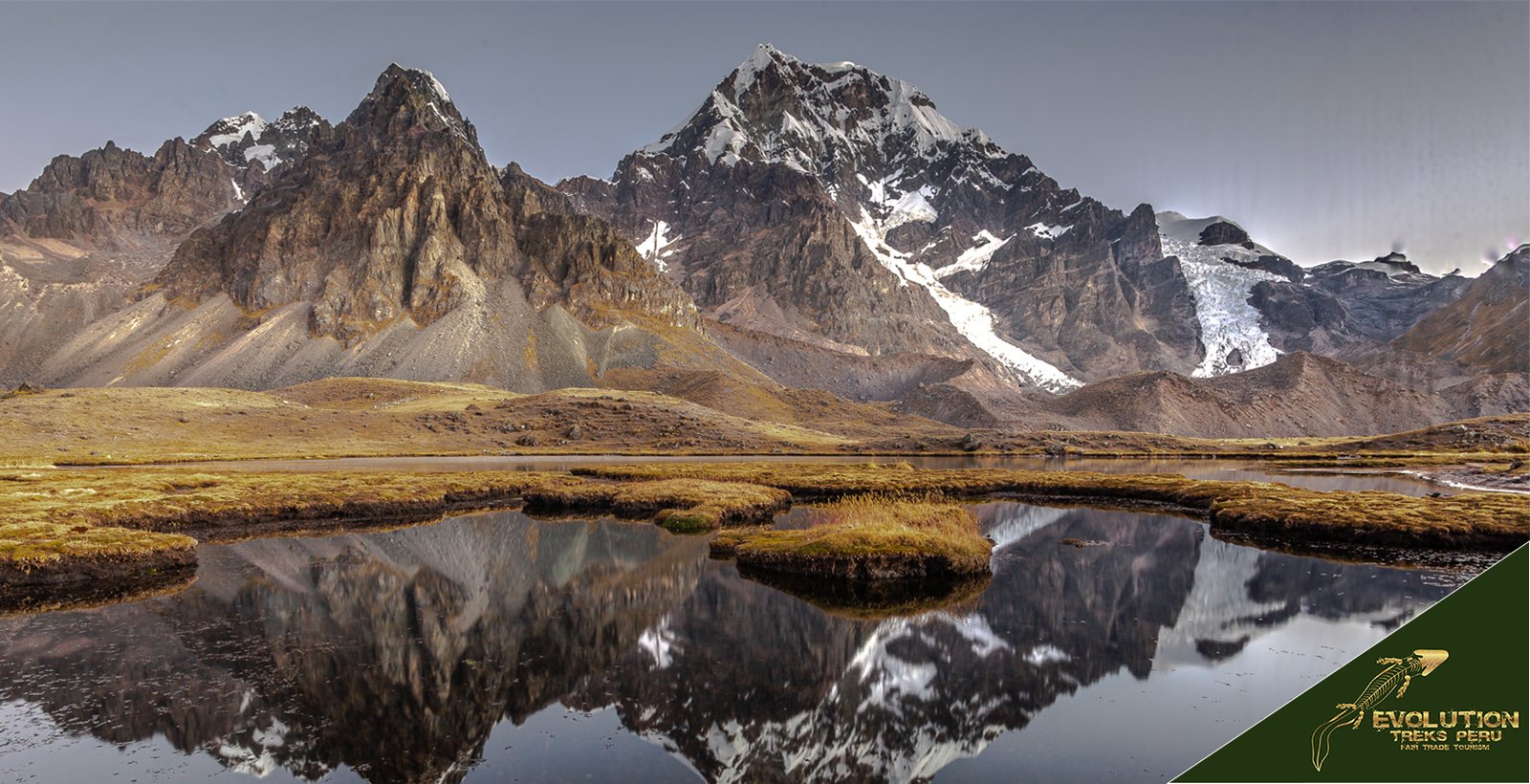
The Ausangate Trek circles one of the most sacred mountains in the Andes and focuses entirely on raw, natural scenery. The route showcases dramatic high-altitude landscapes filled with glaciers, vivid turquoise lakes, and vast open plains. The trek demands excellent physical conditioning due to its extreme elevation and long daily distances. The journey passes near Rainbow Mountain, known as Vinicunca, along with remote valleys inhabited by wild vicuñas and alpacas. The trail offers constant views of towering ice walls and snow-covered peaks. The Ausangate Trek suits experienced hikers who seek a challenging, nature-driven adventure.
⭐ Trek Highlights
- Vibrant Rainbow Mountain views
- Towering Ausangate peak scenery
- Turquoise alpine lakes
- Remote Andean landscapes
- Wildlife sightings, including vicuñas
- High-altitude pastoral communities
- One of Peru’s scenic treks
Ready to Conquer Ausangate Trek
Join Ausangate Trek for an authentic experience.
Short Inca Trail
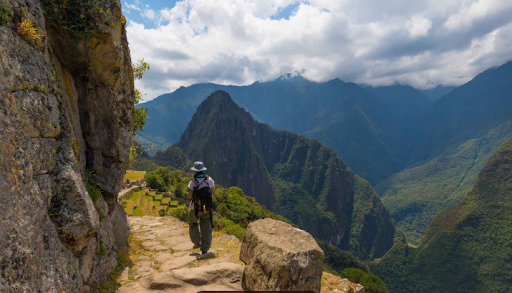
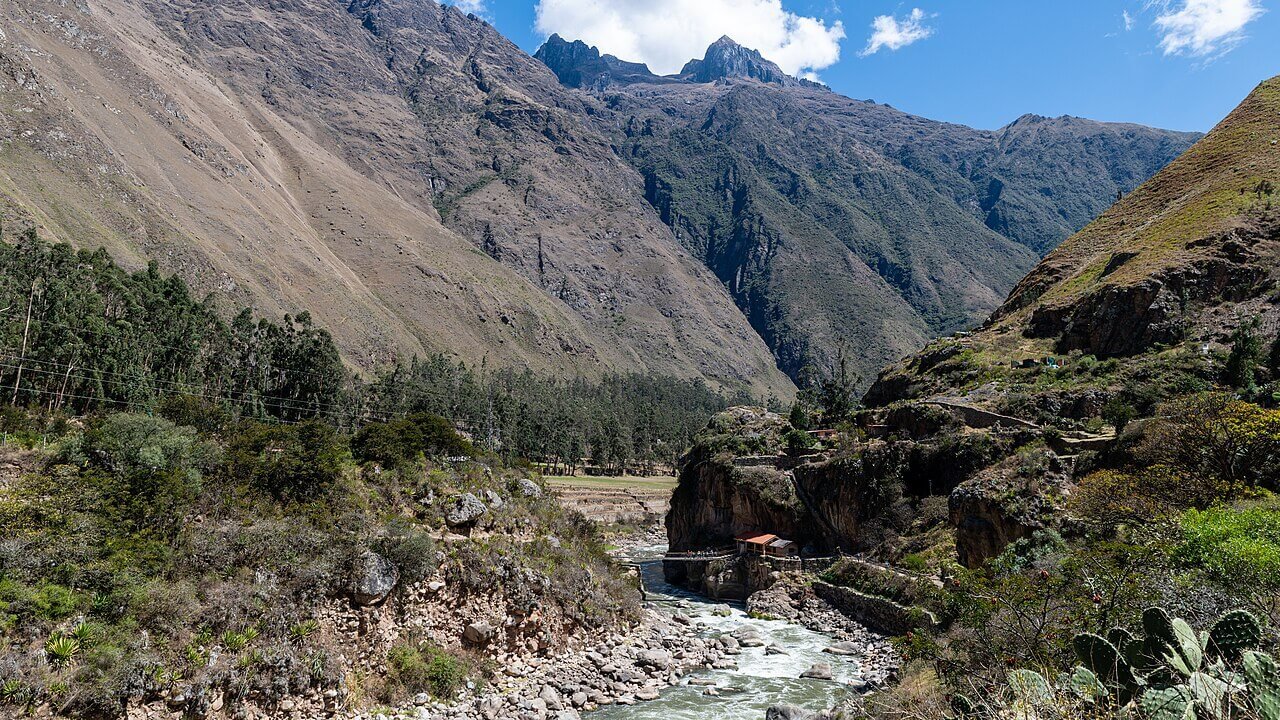
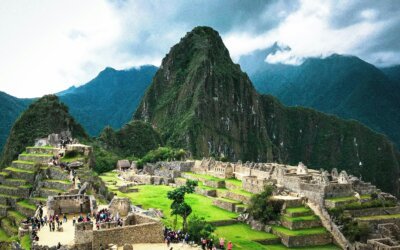
The Short Inca Trail delivers a brief but meaningful way to walk a preserved section of an ancient Andean pathway. The trail climbs through forested slopes and stone terraces that reveal how the Incas designed routes for travel and ceremony. The approach toward the mountain ridge builds anticipation before opening to a high vantage point overlooking Machu Picchu. The walking distance stays relatively short, which keeps the hike accessible without sacrificing historical depth. The experience includes time at a large hillside ruin complex and expansive views across the surrounding landscape along the Short Inca Trail. The two-day format suits travelers who want an authentic encounter with Inca engineering without committing to a longer expedition.
⭐ Trek Highlights
- Direct access to Machu Picchu
- Inca ruins (Wiñay Wayna)
- Classic stone Inca Trail sections
- Short but rewarding hike
- Scenic cloud forest paths
- Perfect for limited schedules
- Iconic Sun Gate arrival experience
Ready to Conquer Short Inca Trail
Join Short Inca Trail for an authentic experience.
The Inca Trail is more regulated and history-focused compared to the other treks. The Inca Trail offers a structured and archaeology-focused experience with moderate physical difficulty. The route features a dense concentration of Inca ruins, well-preserved stone paths, and a direct entrance to Machu Picchu through the Sun Gate, which sets it apart from most alternatives. Strict permit limits, mandatory guides, and regulated campsites protect the trail but reduce flexibility and solitude. Other treks (Salkantay and Ausangate) emphasize different strengths, such as higher altitudes and dramatic mountain scenery on routes, extreme physical challenge on Choquequirao, cultural immersion on Lares, or adventure activities (downhill mountain biking, zip-lining, and white-water rafting) on the Inca Jungle. The Inca Trail provides the balanced option for history and accessibility, while alternative treks cater to travelers seeking specialized experiences or greater freedom.The comparison of the Inca Trail to other treks is shown in the table below.
| Feature | Salkantay Trek | Lares Trek | Huchuy Qosqo Trek | Inca Jungle Trek |
|---|---|---|---|---|
| Distance | 74 Km | 33 Km | 22 Km | 50 Km |
| Duration | 5 Days and 4 Nights | 4 Days and 3 Nights | 3 Days and 2 Nights | 4 Days and 3 Nights |
| Max Altitude | 4,630 m | 4,450 m | 4,200 m | 4,316 m |
| Difficulty | High | Moderate | EasyandModerate | Moderate |
| Best Season | May to Oct | May to Oct | Year-round | April to Dec |
| Permits Required? | No | No | No | No |
| Cost Range | $400 to $650 | $500 to $700 | $350 to $550 | $300 to $550 |
| Feature | Choquequirao Trek | Vilcabamba Trek | Ausangate Trek | Short Inca Trail |
|---|---|---|---|---|
| Distance | 64 Km | 60 Km | 70 Km | 12 Km |
| Duration | 4 Days and 3 Nights | 5 Days and 4 Nights | 5 Days and 4 Nights | 2 Days and 1 Night |
| Max Altitude | 3,100 m | 4,600 m | 5,200 m | 2,720 m |
| Difficulty | Very High | High | Very High | Moderate |
| Best Season | May to Oct | May to Oct | May to Sept | May to Sept |
| Permits Required? | No | No | No | No |
| Cost Range | $400 to $700 | $400 to $700 | $400 to $700 | $500 to $750 |
The most popular alternative treks to Inca Trail are listed below.
- Salkantay Trek: The most popular alternative, and is widely chosen for its dramatic mountain scenery. This route is a fully recognized Andean trek that crosses high mountain passes, glaciers, and alpine lakes before connecting to Machu Picchu.
- Inca Jungle Trek: The top choice for social travelers and adventure seekers. The route combines traditional hiking with biking, rafting, and zip-lining, offering a legitimate multi-sport journey through diverse landscapes rather than a direct Inca stone path.
- Lares Trek: The trek preferred by travelers seeking cultural immersion and quieter trails. This authentic highland route passes through remote villages and natural hot springs, providing meaningful interaction with local communities before continuing to Machu Picchu by train.
- Short Inca Trail: The best middle-ground for travelers who want the classic Sun Gate arrival without a four-day commitment. The route follows the original Inca Trail for its final section and is a regulated, official Inca Trail hike.
The commonly compared treks to the Inca Trail are listed below.
- Salkantay Trail: The comparison comes down to a choice between dramatic mountain scenery and archaeological concentration. Salkantay appeals to travelers who prioritize glaciers, high passes, and natural landscapes, while the Classic Inca Trail attracts travelers focused on Inca ruins and historic stone pathways.
- Lares Trail: The comparison highlights cultural immersion versus historical focus. Lares offers daily interaction with remote Andean communities and traditional village life, while the Classic Inca Trail centers on preserved ruins and official archaeological sites.
- Choquequirao: The comparison contrasts isolation with accessibility. Choquequirao provides a raw, expedition-style experience with vast ruins and almost no crowds, while the Inca Trail delivers a well-maintained route with controlled access and more visitors.
Yes, alternative treks can offer a similar experience to the Inca Trail. The experience is delivered in different ways. The Classic Inca Trail is known for its dense concentration of ruins and structured route, but alternatives, namely Salkantay, Lares, and the Short Inca Trail, provide equally meaningful journeys through dramatic landscapes, cultural regions, and historic pathways. Many alternatives (Salkantay Trek, Lares Trek, Ausangate Trek) preserve the sense of adventure, accomplishment, and connection to the Andes while offering fewer crowds and greater flexibility. The choice depends on whether a traveler values archaeology, scenery, cultural immersion, or freedom rather than following the exact historic route.
The Inca Trail compares in terms of scenery and landscapes through a contrast between lush environments and high-mountain wilderness. The Classic Inca Trail is famous for its cloud forest setting, featuring misty corridors, dense ferns, and moss-covered ruins that create a humid, green atmosphere. Other treks (Salkantay, Lares, and Ausangate Treks) highlight dramatic alpine terrain and open mountain spaces. The Salkantay Trek showcases glaciers, towering peaks, and high-altitude tundra landscapes. The Lares Trek highlights scenic lagoons and rolling pastoral hills shaped by traditional highland life. The Ausangate route reveals striking multicolored valleys and massive ice-covered summits. The alternative treks (Salkantay, Lares, and Ausangate Treks) offer a wide and varied range of natural scenery compared to the Classic Inca Trail.
The Inca Trail is considered moderate to difficult when compared to other treks (Salkantay Trek, Choquequirao Trek, Ausangate Trek, Huchuy Qosqo Trek, and Inca Jungle Trek). The difficulty comes from stone steps, including the well-known Gringo Killer staircase. The route demands sustained physical effort during extended stair ascents rather than long-distance hiking. The challenge remains lower than extreme routes (Choquequirao Trek and Ausangate Trek), which involve longer distances and repeated steep elevation gains. Alternative treks feature higher mountain passes and longer daily ascents that increase physical strain and altitude exposure. Salkantay Trek reaches the Salkantay Pass at 4,630 meters, where thinner air increases altitude stress. The Ausangate Trek involves prolonged travel above extreme elevations across multiple days. Choquequirao Trek requires deep canyon descents followed by sustained climbs. Huchuy Qosqo Trek and Inca Jungle Trek introduce altitude exposure through varied terrain rather than continuous stair climbing. The Classic route emphasizes endurance through structured stone pathways, which defines the Inca Trail difficulty.
The more challenging alternatives than the Inca Trail are listed below.
- Choquequirao Trek: The trek is a demanding expedition-style hike leading to the remote “sister city” of Machu Picchu. The route is known for extreme elevation changes, long distances, and deep canyon crossings that require excellent physical endurance.
- Ausangate Trek: The trek is a high-altitude circuit that circles one of the most sacred mountains in the Andes. The trek challenges hikers with multiple passes above 5,000 meters and focuses on glaciers, alpine lakes, and raw mountain scenery.
- Vilcabamba Trek: The trek follows a historic route to the last refuge of the Inca Empire. The trail combines long daily distances with remote terrain, offering physical work and a rich cultural hiking experience.
The Inca Trail permits and regulations are far more restrictive and tightly controlled compared to other treks. The Classic Inca Trail requires hikers to book through a licensed tour operator and obtain a government-issued permit that is linked directly to their passport, with no option for independent trekking. The permits are limited in number and sell out four to six months in advance, reducing flexibility for travelers.
Most alternative treks, Salkantay, Lares, and the Inca Jungle, operate under far fewer restrictions and do not require a special trekking permit. Travelers need to secure a Machu Picchu entrance ticket in advance, which is available closer to the travel date. The streamlined process makes alternative routes easier to plan, more flexible, and ideal for last-minute bookings.
The Inca Trail alternatives that do not require an Inca Trail permit are listed below.
- Salkantay Trek: The route crosses high mountain terrain shaped by glaciers, turquoise lakes, and snow-covered peaks. Travelers choose it for dramatic scenery and the ability to plan without long advance restrictions.
- Lares Trek: The trek moves through quiet valleys where traditional Andean communities maintain long-standing customs. Natural hot springs and cultural interaction define the journey before continuing toward Machu Picchu by train.
- Inca Jungle Trek: The route combines light hiking with activities (mountain biking, rafting, and zip-lining). The mixed transport and relaxed logistics make it appealing for travelers with limited time.
- Choquequirao Trek: The demanding trail leads to a vast and remote Inca site set deep within rugged mountain terrain. Isolation and steep elevation changes create a true expedition-style experience.
- Ausangate Trek: The circuit focuses on extreme altitude landscapes filled with glaciers, high passes, neon-blue glacial lagoons, and deep rust-red hillsides. The route requires strong acclimatization due to prolonged exposure to thin air.
- Huchuy Qosqo Trek: Huchuy Qosqo Trek follows an ancient pathway without the Inca Trail Permit requirement. The route overlooks the Sacred Valley and connects to an Inca administrative site. Short duration supports a gentler trekking profile.
The Inca Trail is more expensive compared in cost to alternative treks. The higher price is driven by strict government regulations, limited daily permits, and the mandatory requirement to book through licensed operators who provide guides, porters, and regulated campsites. Permit scarcity increases demand, which raises prices during peak season from May to September. Alternative treks, Salkantay, Lares, and the Inca Jungle operate without permit caps, face stronger competition among tour operators, and use flexible logistics (mules, hostels, or local lodges). The flexible logistics, simpler regulations, and adaptable group size and services keep prices lower and offer a wider range of budget options, making alternative treks cost-effective for travelers. Permit scarcity, regulatory compliance, and mandatory operational requirements directly influence the Inca Trail Cost.
The best Inca Trail alternative for beginners, hiking in Peru are listed below.
- Huschuy Qosqo Trek: Huschuy Qosqo Trek is ideal for beginners because it features short daily distances and manageable inclines. The route provides impressive views of the Sacred Valley while remaining accessible to hikers with limited trekking experience.
- Short Inca Trail Trek: The Short Inca Trail Trek suits beginners by limiting the hike to a single day of walking. The route still includes iconic highlights, Wiñay Wayna and the Sun Gate, making it a rewarding introduction to Inca trekking.
- Inca Jungle Trek: Inca Jungle Trek reduces physical strain by covering much of the distance by mountain bike or bus. The light hiking and adventure activities make it a comfortable option for beginners who want variety without long days on foot.
To choose the best Inca Trail alternative, follow the four steps listed below.
- Identify priority. Decide what matters on the trek, whether it is Inca ruins, dramatic mountain scenery, or cultural interaction with local communities. Classic Inca Trail, Short Inca Trail, and Choquequirao focus heavily on archaeological sites, while Salkantay, Ausangate, Lares, and the Inca Jungleemphasize natural landscapes or village life.
- Check a timeline. Evaluate available time and determine how many days are dedicated to hiking. Shorter alternatives work for travelers with limited time, while longer treks offer deeper immersion and remote experiences.
- Assess personal fitness. Evaluate personal physical condition and comfort with high altitude. Some treks reach elevations above 5,000 meters, which require good acclimatization and strong endurance.
- Set budget. Determine whether you prefer a budget-friendly group trek or a higher-end lodge-to-lodge experience. Costs vary widely depending on comfort level, group size, and included services (transportation, accommodation, meals, and support staff).
The Inca Trail alternative that is best for cultural travelers is the Lares Trek. The travelers who prioritize cultural experiences over challenging terrain or crowded archaeological routes. The trail passes through remote Andean villages where traditional lifestyles remain largely unchanged, allowing for genuine, day-to-day interaction with local communities. Travelers meet Quechua families, observe daily routines, and learn directly about farming practices and highland life. The route offers a deeper understanding of Andean textile traditions, as many villages along the trail are known for weaving techniques passed down through generations. The strong cultural immersion makes the Lares Trek ideal for travelers seeking meaningful human connections alongside mountain scenery.
The best Inca Trail alternative for adventure seekers is the Inca Jungle Trek.
The route combines downhill mountain biking, white-water rafting, and zip-lining with short hiking sections, creating an experience that goes far beyond traditional trekking. Each day introduces a different activity (downhill mountain biking, white-water rafting, zip-lining), keeping the journey dynamic and constantly engaging rather than repetitive. The mix of adventure sports allows travelers to cover long distances without spending full days walking on steep mountain trails. Warmer jungle landscapes, river valleys, and small towns add variety that contrasts with high-altitude trekking routes (Salkantay Trek, Choquequirao Trek, Vilcabamba Trek). Social group dynamics and shared activities make the experience lively and interactive. Physical effort remains high, but the strain on legs and joints is reduced compared to multi-day mountain hikes. Rest stops and overnight stays in local towns provide comfort and flexibility along the way. The Inca Jungle Trek appeals to thrill-seekers who want an adrenaline-heavy route to Machu Picchu that feels energetic and unconventional in the region.
The best Inca Trail alternative for scenic photography is the Ausangate Trek. The route showcases an ever-changing palette of colors, from the vibrant stripes of Rainbow Mountain to sweeping red valleys and striking neon-blue glacial lakes. Towering snow-covered peaks, massive ice walls, and wide-open highland plains create powerful compositions at nearly every turn of the trail. The remote nature of the trek means fewer people in the frame, allowing photographers to capture untouched scenery in its purest form. The Ausangate Trek offers an unparalleled visual experience for travelers, with the main goal of capturing unforgettable mountain imagery
The best Inca Trail alternative for budget travelers is the Salkantay Trek or Inca Jungle Trek. Strong competition among tour operators keeps prices more affordable than the Classic Inca Trail, giving travelers a wide range of options at $300 to $650. The logistics of the routes help reduce costs, as pack animals (mules are commonly used instead of large porter teams), and accommodations include basic lodges or hostels rather than regulated campsites. Transportation and meal arrangements tend to be simple and flexible, which lowers operating expenses. The cost savings are reflected in tour prices while delivering dramatic scenery, engaging activities (downhill mountain biking, white-water rafting, ziplining), and a well-organized journey to Machu Picchu.
The best time to choose an Inca trail alternative is during the dry season from May to October and February. The weather conditions are generally more stable, and trails are at best. The period offers clearer skies, better mountain views, and safer trekking conditions across most routes. The dry season is when demand for the Classic Inca Trail is highest, and permits for peak months May to July sell out as early as January. Choosing an alternative trek becomes the most practical and reliable option when permits are no longer available,
The Inca Trail alternative is the best choice during February, when the Classic Inca Trail is closed each year for maintenance and conservation. Salkantay Trek and Lares Trek remain open and accessible as popular alternatives, allowing travelers to continue their plans without disruption. The routes offer flexibility, fewer booking restrictions, and rewarding experiences even when the Classic Trail is unavailable. The Inca Trail alternatives provide excellent year-round trekking opportunities for travelers facing sold-out permits or seasonal closures.
0 Comments