
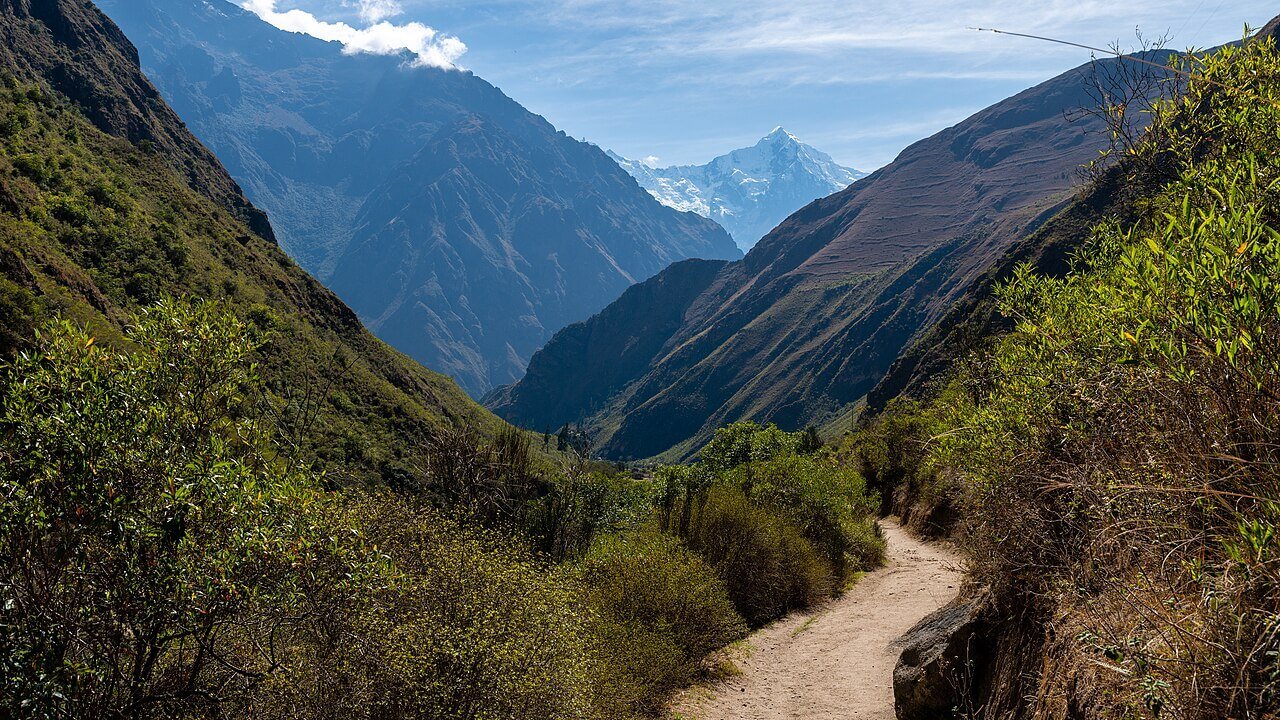

Inca Trail Booking refers to the required reservation process that secures official access to the Inca Trail through a government-controlled permit system. Planning is essential because the Peruvian government releases a limited number of permits each year, and popular travel dates sell out months ahead. Government regulations require permits issued by the Ministry of Culture, limit daily entries to protect the route, and assign permits to specific passport details without changes or transfers. All Inca Trail bookings must occur through licensed tour operators because independent trekking is not permitted under Peruvian law. Limited permit availability and strong seasonal demand increase competition during the dry season from May through September, and create no availability during the February closure. Travelers planning an Inca Trail tour must choose travel dates, select a trekking option, research licensed tour operators, check permit availability, book and pay a deposit, provide required documents, and confirm all details before departure.
What is the Inca Trail? The Inca Trail is a famous hiking route in Peru that leads to Machu Picchu, one of the world’s most important ancient sites. The Inca Trail stretches approximately 26 miles through the Andes Mountains and passes cloud forests, high mountain areas, and several Inca ruins. Hikers complete the journey in four days while experiencing mountain views and historic stone structures. The route ends at the Sun Gate, where trekkers see Machu Picchu from above at sunrise.
How to Book the Inca Trail Tour?
To book the Inca Trail Tour, travelers need to follow a systematic process that ensures permit approval and
proper preparation. The trail booking procedure involves steps that work together to secure a spot on the
regulated trail. Understanding each stage helps hikers avoid common mistakes and guarantees a smooth
reservation experience.
1. Choose Your Travel Dates
Choosing your travel dates begins the entire booking process and determines permit
availability. Selecting dates at least six to twelve months in advance gives travelers the
best opportunity to secure permits during their preferred season. The dry season months (May
through September) offer the most stable weather conditions but fill fastest. Shoulder
season months (April and October) provide moderate weather with slightly better permit
availability. Flexible date selection increases the chances of finding open permits when
popular timeframes reach capacity.
2. Select Your Trekking Option
Select the trekking option to match the hiker’s fitness level and time availability with the
right trail experience. The classic four-day trek covers the whole 26-mile route and remains
the most popular choice among hikers. Shorter two-day options suit travelers with limited
time or moderate fitness levels. Each trekking option requires different physical
preparation and offers distinct experiences along the ancient path. Understanding the
differences between trail options helps travelers choose the journey that best fits their
capabilities and vacation schedule.
3. Research Licensed Tour Operators
Research licensed tour operators to ensure travellers book with companies authorized by the
Peruvian government. Only licensed operators are allowed to secure permits and guide groups
on the Inca Trail legally. Tour operators differ in group sizes, service quality, equipment
standards, and porter treatment policies. Reading reviews from previous trekkers reveals
insights about operator reliability and service delivery. Evolution Treks Peru maintains
official licensing and provides comprehensive trekking services for travelers seeking a
well-organized Inca Trail experience.
4. Check Permit Availability
Check permit availability to confirm that permits remain open for desired travel dates
before committing to payment. Tour operators access the government permit system and verify
real-time availability. Permit inventory changes daily as travelers book and occasionally
cancel reservations. Contacting multiple operators helps compare availability when preferred
dates show limited openings. Acting quickly after confirming availability prevents losing
permits to other travelers booking simultaneously.
5. Book and Pay a Deposit
Book and pay a deposit to secure permits and reserve necessary services for the trek. Tour
operators require deposits to process permit applications with the Ministry of Culture.
Deposit amounts vary by operator, but represent a significant portion of the total trek
cost. Payment confirms commitment and triggers the operator to submit passport information
to government authorities. Delayed payment risks losing permits to other travelers waiting
for the same dates.
6. Provide Required Documents
Provide required documents and supplies to operators with essential information needed for
permit processing and trail entry. Passport details must match exactly with the physical
document travelers carry during the trek. The government requires full legal names, passport
numbers, birth dates, and passport expiration dates. Student travelers seeking discounted
permits must provide valid university identification cards showing current enrollment.
Incorrect or incomplete documentation leads to permit rejection and potential trip
cancellation.
7. Confirm All Details Before Departure
Confirm all details before departure to ensure everything remains in order weeks before the
trek begins. Travelers must verify permit approval, review itinerary specifics, and confirm
equipment provisions with their operator. Double-checking meeting times, locations, and
required personal gear prevents confusion on departure day. Reviewing physical fitness
requirements and altitude preparation recommendations helps travelers arrive ready for the
challenging terrain. Final confirmation eliminates surprises and creates confidence for the
upcoming adventure on the Inca Trail.

Booking is required for the Inca Trail because the Peruvian government enforces strict regulations to protect the ancient path and surrounding archaeological sites. The Ministry of Culture issues only 500 permits per day, with 200 permits allocated to trekkers and 300 permits reserved for guides, porters, and support staff. The permit system prevents overcrowding and controls the number of visitors walking on the centuries-old stone pathways each day. Mandatory reservations prevent thousands of hikers from flooding the trail simultaneously, which protects the fragile ecosystem and preserves historical structures from irreversible damage.
Environmental and cultural preservation drives the permit requirement system. Unrestricted access accelerates erosion along the trail, destroys native vegetation, and compromises the integrity of Incan ruins scattered throughout the route. The limited daily permits allow the trail to recover naturally between trekking groups and prevent soil degradation on steep mountain sections. Archaeological sites along the path need protection from human impact, and controlled visitor numbers help preserve wall carvings, stone terraces, and ceremonial platforms for future generations. The government closes the trail entirely each February to conduct maintenance and repair damage from the previous trekking season.
High global demand and peak seasons make the booking requirement necessary for fair access distribution. Travelers from every continent compete for the limited permits available throughout the year. The dry season months (May through September) attract the highest number of booking requests, often selling out within days of permit release. A structured reservation system prevents travelers arriving first at the trail entrance from claiming all available spots, and ensures international visitors who planned trips months ahead retain access. The booking system gives travelers worldwide equal opportunity to secure permits and plan their journeys properly. Peak holiday periods (June, July, August) require booking eight to twelve months ahead to guarantee permit availability for desired dates.
The Inca Trail permit is the sole legal entry credential accepted at the Capac Ñan checkpoint, where all treks begin. Trail rangers verify each trekker’s permit against their physical passport before allowing passage onto the protected route. The permit system tracks exactly who enters the trail each day and ensures total numbers never exceed the 500-person daily limit. Tour operators receive permit confirmation several weeks after submitting applications, and travelers should request copies of their approved permits before departure. The permit bears no monetary value for resale or transfer, and attempting to use another person’s permit results in immediate denial of trail entry and forfeiture of all trek fees paid.
To check Inca Trail permit availability, follow the eight steps listed below.
- Contact licensed tour operators to access the government permit system directly. Operators check real-time availability and provide updates for requested dates and alternative options when initial dates are unavailable.
- Specify exact travel dates or a range of possible periods to allow operators to search the permit database efficiently. Clear date information increases the chances of securing permits during high-demand seasons.
- Inquire about nearby dates when preferred options are full. Slight changes in travel dates often reveal open permits, and weekday departures frequently show better availability than weekend starts.
- Request availability for different trek lengths. Ask about possible dates for both the classic four-day trek and shorter two-day options. Checking multiple trek lengths helps find permits when longer routes sell out and maximizes access during busy periods.
- Monitor cancellations by asking operators to notify travelers when permits become available. Staying in regular contact with operators increases the chances of securing newly released permits.
- Book during off-peak months. Book permits during shoulder months such as April, October, or November when demand decreases. Off-peak periods offer easier access and often lower trek prices while still providing suitable trekking conditions.
- Verify student permit availability if using valid university credentials. Student permits come from a separate quota and require current enrollment verification for travelers under 25 years old.
- Confirm availability before making payment. Get actual permit approval before submitting deposits or final payments. Operators provide official documentation and permit numbers to match passport information and ensure valid entry for the chosen trek date.
To choose dates for the Inca Trail, follow the steps listed below.
- Evaluate Weather Patterns. Choose months based on the climate. Dry season (May to September) offers clear skies, rainy season (November to March) brings showers, and shoulder months (April, October) balance moderate rain with fewer crowds.
- Check Schedule Flexibility. Align trek dates with vacation, work, and family obligations. Flexible schedules increase the chances of securing permits and off-peak savings. Groups must coordinate availability carefully.
- Plan Acclimatization Time. Arrive in Cusco several days before trekking to adjust to the high altitude. Proper acclimatization prevents altitude sickness and allows short hikes or city exploration.
- Avoid Peak Crowds. Select dates outside major holidays and weekends. June to August and holiday periods have the highest demand, while mid-week treks in shoulder months offer quieter trails.
- Align with Fitness Goals. Pick dates that allow enough time for physical training. The 26-mile trail with high elevation gains requires endurance, and preparation reduces injury risk.
- Research Cultural Events. Schedule treks around festivals for added experiences. Inti Raymi (June) and Corpus Christi draw crowds and increase local accommodation demand.
- Calculate Total Trip Duration. Include travel, acclimatization, the four-day trek, and recovery days. At least eight to ten days ensure a comfortable, unhurried experience.
- Consult Tour Operators. Contact licensed operators early for date advice and availability updates. Operators provide guidance on weather, crowds, and permit timing. Evolution Treks Peru ensures optimal date selection and smooth coordination.
Yes, certain days of the week are easier to book for Inca Trail permits. Midweek departures (Tuesday, Wednesday, Thursday) consistently show better availability than weekend starts throughout the booking calendar. Weekend departures (Friday, Saturday, Sunday) sell out fastest because international travelers prefer aligning treks with their regular work schedules. Monday starts occupy a middle ground with moderate demand and availability patterns. The 200 daily trekker permits are distributed equally across all days of the week, yet booking competition varies based on traveler preferences. Weekday treks offer additional benefits beyond easier booking, providing quieter trails and less crowded campsites compared to weekend departures. Travelers with flexible schedules gain significant advantages by choosing midweek start dates, particularly during peak season months when every permit becomes precious. The pattern holds across all months of the trekking season, making weekday selection a reliable strategy for securing permits when preferred timeframes show limited availability.
Weather and season affect available dates by creating distinct demand patterns throughout the trekking calendar year. The dry season (May through September) experiences the highest booking pressure as travelers seek stable weather conditions with minimal rainfall and clear mountain vistas. Permits during peak dry months sell out within days of release, leaving minimal availability for travelers who delay reservations. The rainy season (November through March, excluding February, when the trail closes) maintains consistent permit availability because fewer travelers want to trek through frequent afternoon showers and muddy trail conditions. Shoulder months (April and October) balance moderate rainfall probability with decent permit availability as travelers weigh weather risks against crowd preferences.
Temperature fluctuations, precipitation levels, and daylight hours shift throughout the year and influence when travelers feel comfortable attempting the high-altitude trek. Inca Trail weather during June, July, and August delivers the most predictable conditions, with daytime temperatures around 70°F and nighttime lows near freezing at higher elevations. The dry season guarantees better visibility for photographing mountain landscapes and ancient ruins without cloud cover obscuring views. Rainy season months bring warmer daytime temperatures but consistent precipitation that soaks hiking clothes and creates slippery stone steps. Trail conditions deteriorate during heavy rain periods, making some sections more dangerous and physically demanding. Travelers willing to accept unpredictable Inca Trail weather gain easier permit access and lower trek costs during off-peak months. Weather tolerance directly determines which dates remain realistically available when travelers contact tour operators about booking options.
The complete passport details for every trekker in the group are required to book the Inca Trail. Tour operators need full legal names exactly as they appear on passports, passport numbers, birthdates, nationality, passport issue dates, and passport expiration dates. The Ministry of Culture uses passport information to generate individual permits that rangers verify at the trail entrance checkpoint. Passport names must match permit names precisely, with no variations in spelling, middle names, or name order. Operators collect contact information (email addresses, phone numbers) to communicate booking confirmations and pre-trek instructions. Travelers planning to claim student discounts must provide valid university identification cards showing current enrollment and issue dates. Student permits require additional documentation proving the traveler is under 25 years old and attending an approved educational institution.
Payment information becomes necessary once operators confirm permit availability for the requested dates. Tour operators require deposits to secure permits and process applications through the government system. Credit card details, bank transfer information, or other payment methods vary by operator and booking policies. Travelers must specify preferred trek length (classic four-day or shorter two-day option) and desired start dates with backup alternatives. Medical information about pre-existing conditions, allergies, dietary restrictions, and medication needs helps operators prepare appropriate support during the trek. Emergency contact details for family members or friends provide crucial information if health issues arise on the trail. Accurate and complete information submission prevents permit rejection and ensures smooth processing through the Ministry of Culture authorization system. Evolution Treks Peru guides travelers through the documentation requirements and verifies all details before submitting applications to government authorities.
The passport details needed for the Inca Trail booking are listed below.
- Provide Full Legal Name: Submit the complete legal name exactly as it appears on the passport, including first, middle (if applicable), and last names. Any differences between booking documents and the passport result in denied entry at the trail.
- Submit Passport Number: Provide the unique alphanumeric passport number accurately. Errors or transposed characters cause permit rejection and require resubmission.
- Give Date of Birth: Include day, month, and year of birth to confirm age for eligibility or student discounts. Correct birthdates ensure compliance with official government requirements.
- State Nationality: Specify the country of citizenship for permit processing and visa requirements. Dual citizens must indicate which passport is going to be used during the trek.
- Include Passport Issue Date: Provide the date the passport was issued to verify validity and authenticity. Operators use the issue date to confirm the passport remains current throughout travel.
- Provide Passport Expiration Date: Ensure the passport remains valid for at least six months beyond the planned trek date. Passports with shorter validity require renewal before permit submission.
- Share Passport Photograph Page: Submit a clear scanned copy or photograph of the passport information page containing biographical details and the photo. High-quality copies prevent errors and speed up permit processing.
- Confirm Gender: Provide the gender exactly as listed on the passport. Permit records must match passport data to pass checkpoint verification at the trail entrance.
No, you cannot change personal details after booking the Inca Trail permit. The Ministry of Culture prohibits any modifications to passport information once permits receive official approval and issuance. Permit applications become locked in the government database immediately upon confirmation, preventing alterations to names, passport numbers, birthdates, or any other biographical data. Travelers who experience passport loss, theft, or renewal after booking face significant complications, requiring complete permit cancellation and rebooking. The government treats each permit as a unique, non-transferable document tied permanently to one specific person’s passport details. Name changes from marriage, legal proceedings, or other circumstances do not qualify as acceptable reasons for permit modifications. Tour operators cannot override the restriction or request special exceptions, regardless of traveler circumstances. The only solution involves canceling the original permit, forfeiting all associated fees, and purchasing a new permit with the correct updated information if availability still exists for the desired dates.
You should book the Inca Trail with an authorized tour operator because the Peruvian government legally requires all trekkers to use licensed companies. The Ministry of Culture grants exclusive permit access only to operators who hold a valid authorization and meet strict operational standards. Unauthorized companies have no ability to secure legitimate permits regardless of their marketing claims or website promises. Travelers who book with unlicensed operators lose their money, miss their trek opportunity, and face denied entry at the trail checkpoint. Licensed operators maintain professional liability insurance, follow government safety protocols, and treat support staff according to legal labor standards. The authorization system protects trekkers from fraud, ensures qualified guide leadership, and guarantees proper emergency response capabilities throughout the journey.
Authorized operators provide comprehensive services that independent travelers are unable to arrange legally or safely. Licensed companies coordinate permits, transportation, camping equipment, meals, guides, porters, and emergency medical support through established operational frameworks. Operators handle complex logistics spanning multiple days across remote mountain terrain without a reliable communication infrastructure. Professional guides employed by authorized companies understand archaeological site significance, trail navigation, altitude sickness recognition, and cultural preservation requirements. Porter teams working for licensed operators receive fair wages, weight limits, proper equipment, and insurance coverage mandated by government regulations. Evolution Treks Peru maintains full authorization and delivers complete trekking services meeting all government standards for safety and quality.
An authorized Inca Trail tour operator is a company that holds an official license issued by Peru’s Ministry of Culture specifically for conducting treks on the protected Inca Trail route. The government evaluates operators based on safety records, guide qualifications, equipment quality, environmental practices, and porter treatment policies before granting authorization. Licensed operators appear on the official registry maintained by the Ministry of Culture, which the government updates regularly to reflect current authorization status. The license grants legal permission to request permits, lead trekking groups, establish campsites, and operate within Machu Picchu Historical Sanctuary boundaries. Authorized status requires annual renewal and continuous compliance with evolving government regulations covering tourism operations in protected areas.
The authorization process demands that operators demonstrate financial stability, maintain liability insurance, employ certified guides, and follow strict environmental protocols. Companies must prove they own or lease adequate equipment for safe mountain camping and food preparation in remote locations. Guide staff requires certification from government-approved training programs covering first aid, altitude medicine, archaeological interpretation, and emergency response procedures. Authorized operators submit to periodic government inspections verifying compliance with labor laws protecting porter rights and working conditions. The Ministry of Culture can revoke authorization immediately if operators violate regulations, mistreat staff, damage archaeological sites, or compromise trekker safety. Travelers must verify operator authorization directly through official government sources before booking to avoid fraudulent companies claiming false credentials.
No, you cannot hike the Inca Trail without a tour agency. The Peruvian government prohibits independent trekking on the route and requires all hikers to book through authorized tour operators. Trail rangers stationed at the Capac Ñan checkpoint verify that every trekker carries a valid permit issued through a licensed operator before allowing trail access. Travelers attempting independent entry face immediate denial and cannot proceed regardless of their hiking experience or preparation level. The regulation protects the fragile archaeological sites, controls environmental impact, and ensures trekker safety in the high-altitude wilderness environment. Independent hikers without professional guidance historically caused significant damage to stone pathways, camped in unauthorized locations, and left waste in ecologically sensitive areas. Solo trekkers faced higher rates of altitude sickness, injury, and emergencies without immediate access to trained support staff. The government determined that requiring professional tour management reduced environmental degradation while improving safety outcomes for all trail users. Authorized operators provide guides who understand preservation protocols, maintain designated campsites, implement proper waste disposal systems, and respond effectively to medical emergencies.
Yes, tour operators can reserve permits on your behalf through their authorized access to the government permit system. Licensed operators maintain direct connections with the Ministry of Culture database and submit permit applications for their clients. The reservation process requires operators to input complete passport details and requested trek dates into the government system. Operators monitor application status and receive confirmation when the Ministry of Culture approves permits for specific trekkers and dates. The system prevents travelers from accessing permits independently, making operator reservation services the only legal method for securing Inca Trail entry authorization. Tour operators handle the entire permit procurement process from initial availability checks through final confirmation and documentation delivery. Licensed companies understand complex government requirements, submission deadlines, and documentation standards that travelers are unable to navigate independently. Operators pay permit fees directly to the Ministry of Culture on behalf of their clients using established financial accounts. The government issues permits bearing the operator’s business information and the individual trekker’s passport details. Evolution Treks Peru manages complete permit reservations for clients and ensures all documentation meets government standards before trek departure dates arrive.
Factors that influence the total cost of booking the Inca Trail are listed below.
- Permit Fees: Pay the mandatory government entrance fee for each trekker. Permits include guides and porters and cost around $70 to $80 per person. Limited daily availability makes early booking essential to secure permits.
- Tour Operator Selection: Choose a company based on service level and pricing. Budget operators tend to charge $500 to $600, while premium operators charge $800 to $1,200 or more. Higher prices reflect better equipment, meals, guide expertise, and group management.
- Group Size: Consider the number of trekkers sharing the trek. Smaller groups divide fixed costs among fewer trekkers, increasing the per-person expense. Private treks cost significantly more than joining a group of 12 to 16 participants.
- Season and Booking Time: Plan around high-demand months from May to September when prices rise due to competition. Booking last-minute increases cost, while reservations secure lower rates.
- Service Level and Inclusions: Evaluate what the package provides. Standard treks include basic camping gear and meals. Premium packages offer higher quality tents, sleeping pads, dining tents, gourmet meals, extra porters, and portable toilets.
- Guide Quality and Ratio: Select treks with experienced, English-speaking guides. Lower guide-to-trekker ratios and assistant guides for larger groups increase the Inca Trail Cost because of added expertise and support.
- Equipment Quality: Assess the quality of tents, sleeping bags, and camping gear provided. Higher quality equipment improves comfort but increases the total Inca Trail Cost.
- Porter Treatment and Wages: Check ethical practices for porters. Operators who provide fair wages, proper gear, and safe working conditions charge more, reflecting responsible treatment and labor standards.
Payment options available when booking the Inca Trail are listed below.
- Credit and Debit Cards: Use Visa, Mastercard, or American Express to pay deposits or full trek costs. Card payments may include a small processing fee of 3% to 6%.
- PayPal: Pay with PayPal for added security and buyer protection. Transaction fees may apply depending on the country.
- Bank Transfers: Send direct bank or wire transfers to pay balances or full costs. Transfers usually take a few business days and require the tour operator’s banking details.
- Cash Payments: Pay in US dollars or Peruvian soles when arriving in Cusco. Cash payments often avoid card processing fees and apply to remaining balances.
- Google Pay and Digital Wallets: Use Google Pay or other digital wallets for fast and secure mobile payments. Availability depends on the tour operator.
- Split Payment Plans: Secure the reservation with an upfront deposit, typically $200 to $300, and pay the remaining balance closer to the trek date.
The refund policy for Inca Trail permits is strict and does not allow refunds once the permit is purchased. The Peruvian government does not return permit fees for cancellations due to personal reasons, illness, or emergencies. Tour operators pay for permits immediately upon booking, so the fee is always non-refundable. Partial refunds tend to apply to other trek costs (guide fees, meals, or camping equipment) if canceled in advance, but the permit itself remains non-refundable.
No, Inca Trail permits cannot be refunded or transferred to another person or date. The permit is locked to that traveler once the permit is issued with a specific passport and is not allowed to be moved to a different trekker or trekking date. The government enforces this rule to prevent scalping and manage limited daily entries. It is recommended to purchase travel insurance that covers trip cancellations when booking.
The tour operator submits passport details to the Peruvian government after you secure an Inca Trail booking to obtain the official permit. Trekkers receive a confirmation email with trek details, start date, meeting time, and packing instructions. Operators provide training guidance, altitude preparation advice, and a final itinerary a few weeks before departure. A pre-trek briefing usually occurs the evening before departure to meet the group, review the route, and address questions.
The typical wait time for Inca Trail permit approval after booking is 24 to 48 hours once the operator submits passport information. Peak season from May to September tends to extend approval to 72 hours due to higher application volume. Operators require exact details (full name, passport number, birth date, and nationality) to process the permit. Any discrepancies in information delay approval.
Yes, Inca Trail bookings include Machu Picchu entry as part of the four-day trek package. The permit covers the final morning arrival at Machu Picchu through the Sun Gate. Trekkers must purchase separate tickets in advance for extra time, Huayna Picchu mountain climbs, or a second visit because daily visitor limits apply.
0 Comments