
An Inca Trail map and routes are a visual guide to the historic trekking routes that connect the Cusco region to Machu Picchu. The Inca Trail map defines official starting points, route direction, daily trail stages, elevation changes, campsites, and archaeological sites, allowing hikers to understand the structure of the trek before beginning. The travelers clearly see how the route moves through valleys, high mountain passes, and cloud forest, which supports physical preparation and realistic expectations when using an Inca Trail map.
An Inca Trail map matters for hikers because it improves planning, safety, and decision-making. Visual route details help hikers estimate distance, manage pacing, and anticipate altitude exposure, reducing uncertainty before the trek. The map clarifies how different trekking options follow regulated paths within protected areas, reinforcing conservation rules and trail management.
The route connection becomes clearer as the trek approaches Machu Picchu. Hikers shift from long-distance route awareness to detailed site orientation within the citadel when navigation transitions to a Machu Picchu map. The progression shows how the Inca Trail functions as both a structured hiking route and a ceremonial approach to Machu Picchu, meeting search intent by defining purpose, value, and geographic flow of an Inca Trail Tour.
What are the Maps and Routes for Inca Trail Treks?
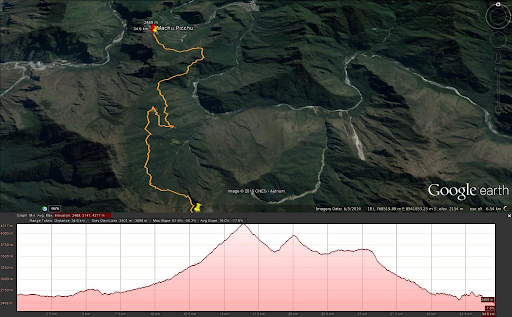
The maps and routes for Inca Trail treks include the Short Inca Trail map and route, the Inca Trail 4 Days map and route, the Private Inca Trail map and route, and the Luxury Inca Trail map and route. Maps and routes for Inca Trail treks provide a structured overview of how each trekking option leads toward Machu Picchu while highlighting differences in distance, duration, and terrain. The maps illustrate official starting points, daily trail progression, elevation changes, campsites, and archaeological sites along the route. Route visualization helps trekkers understand how the Short Inca Trail, Classic Inca Trail, Private Inca Trail, and Luxury Inca Trail follow regulated paths within the same protected network while offering varied experiences. Travelers gain clear insight into trail flow, physical demands, and logistical structure before selecting the Inca Trail trek that best matches their time, comfort level, and hiking goals.
Short Inca Trail Map and Route
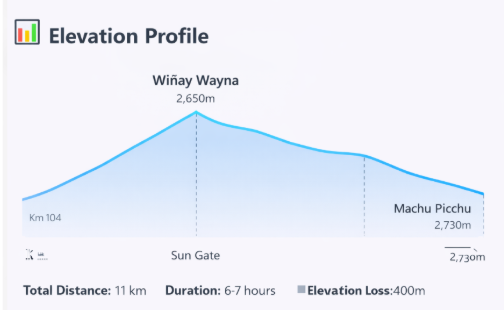
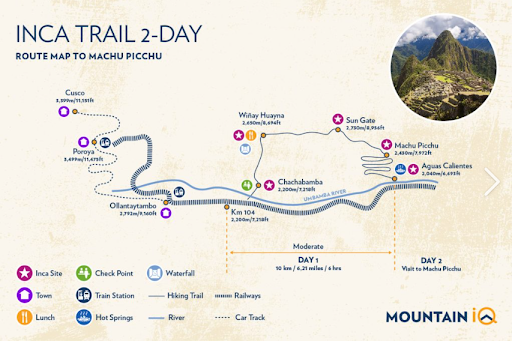
The Short Inca Trail map illustrates the journey starting from kilometer 104. Trekkers visit ancient ruins (Chachabamba plus Wiñay Wayna) during the 12-kilometer day hike. Path gradients ascend toward the majestic Sun Gate at an elevation of 2730 meters. Direct permit costs fluctuate $480 to $650. Buses descend to Aguas Calientes, providing overnight lodging in the town. Guided tours investigate the stone citadel during morning hours. Travelers experience a rich history found on the legendary Short Inca Trail.
12 kilometers
2 days
2730 meters
Moderate
Km 104 – Sun Gate – Machu Picchu
Elevation Profile:
Km 104 to Wiñay Wayna
The hike starts at Km 104 along the railway and moves uphill through cloud forest terrain. The route passes the archaeological site of Chachabamba before continuing toward Wiñay Wayna, the largest ruin on the Short Inca Trail. Stone steps, forested slopes, and valley viewpoints define the day’s terrain above the Urubamba River corridor.
11 kilometers
6 to 7 hours
600 meters
Day 2
Sun Gate to Machu Picchu
The route reaches the Sun Gate (Inti Punku) early in the morning, revealing the first panoramic view of Machu Picchu. The trail descends into the citadel complex for a guided exploration of temples, terraces, and ceremonial sectors. The visit concludes with a bus descent to Aguas Calientes.
5 kilometers
4 to 5 hours
400 meters
Inca Trail 4 Days Map and Route
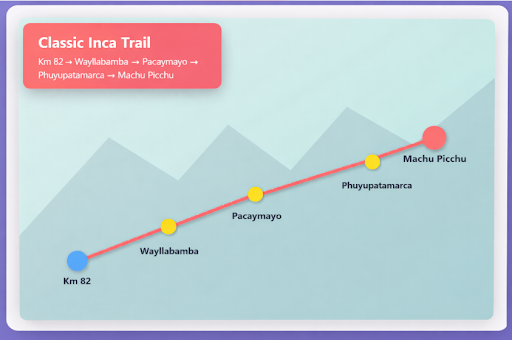
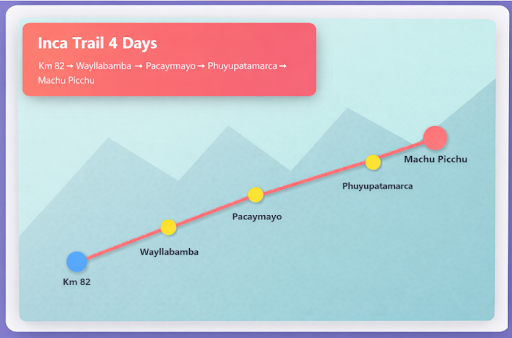
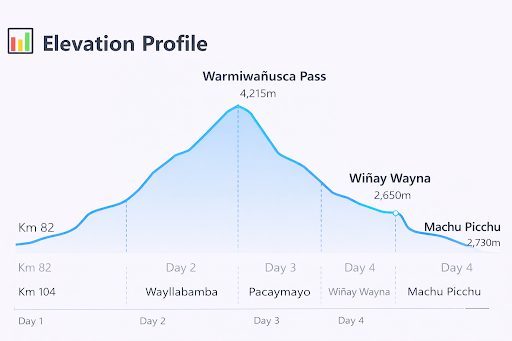
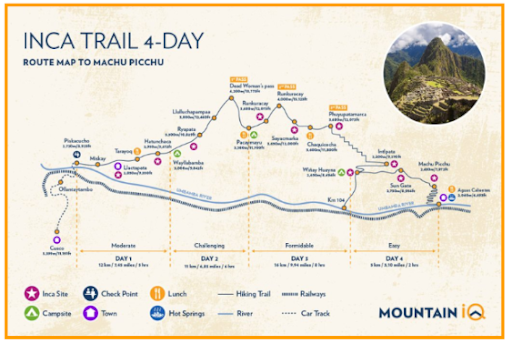
The Inca Trail 4 Days map outlines the classic trekking route starting at kilometer 82 and ending at the Sun Gate overlooking Machu Picchu. Trekkers follow original stone paths passing archaeological sites (Llactapata, Runkurakay, Sayacmarca, Phuyupatamarca, Wiñay Wayna) across mountain ridges and cloud forest. The route includes steep ascents toward Warmiwañusca Pass, reaching a maximum elevation of 4215 meters. Permit availability remains limited, with regulated access enforced by Peruvian authorities. Direct permit and guided tour costs fluctuate $650 to $950. Overnight stays occur at designated campsites along the trail. Guided exploration of the stone citadel occurs during morning hours, completing the legendary four-day Inca Trail experience.
42 kilometers
4 days
4215 meters
Moderate to Challenging
Km 82 – Warmiwañusca Pass – Sun Gate – Machu Picchu
Elevation Profile:
Km 82 to Wayllabamba
The trek begins at Km 82 along the Urubamba River, crossing agricultural terraces and low-elevation valleys. Gentle ascents lead past Llactapata ruins before reaching the Wayllabamba campsite.
12 kilometers
5 to 6 hours
300 meters
Day 2
Wayllabamba to Pacaymayo
The route ascends steeply toward Warmiwañusca Pass through high mountain terrain. Stone staircases and exposed slopes define the most physically demanding day.
11 kilometers
7 to 8 hours
1200 meters
Day 3
Pacaymayo to Wiñay Wayna
The trail crosses archaeological complexes (Runkurakay, Sayacmarca, Phuyupatamarca) before descending into the cloud forest. Long stone paths and ridge traverses dominate the day.
16 kilometers
6 to 7 hours
700 meters
Day 4
Sun Gate to Machu Picchu
An early start leads to the Sun Gate (Inti Punku), revealing the first panoramic view of Machu Picchu. The route descends into the citadel for a guided visit before transfer to Aguas Calientes.
3 kilometers
2 to 3 hours
400 meters
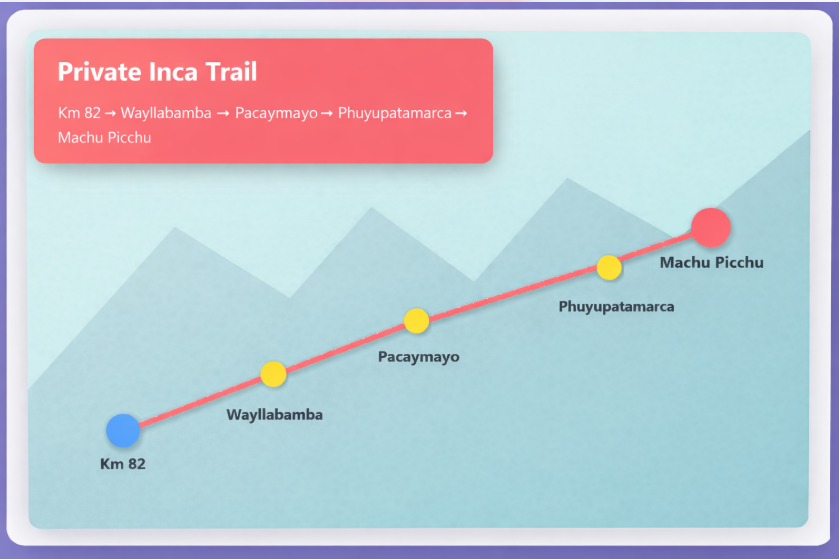
Private Inca Trail Map and Route
The Private Inca Trail map outlines the same historic alignment as the Classic Inca Trail while reserving the route exclusively for a single trekking group. The trail starts at Kilometer 82 (Piscacucho) and ends at Machu Picchu, entering through Inti Punku (the Sun Gate). The map displays the official path across mountain passes, regulated campsites, major archaeological complexes, and restricted conservation zones under government permit control. A private Inca Trail operation allows a personalized pace, dedicated guide team, and flexible daily timing without shared group schedules.
42 to 43 kilometers
4 days
4215 meters
Moderate to Challenging
Km 82 – Warmiwañusca Pass – Sun Gate – Machu Picchu
Elevation Profile:
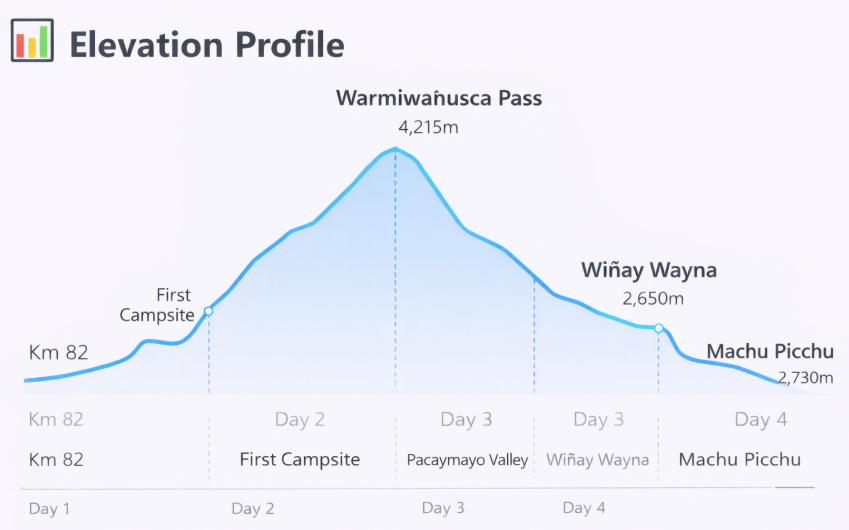
Km 82 to First Campsite
The hike begins at Km 82 with a steady ascent through valleys, farmland, and river crossings toward the first designated campsite.
12 kilometers
5 to 6 hours
300 meters
Day 2
Campsite to Pacaymayo Valley
The route climbs toward Warmiwañusca (Dead Woman’s Pass), the highest and most demanding point of the trek, followed by a descent into the next valley.
11 kilometers
7 to 8 hours
1200 meters
Day 3
Pacaymayo to Wiñay Wayna
The trail crosses high passes and visits key Inca sites (Sayacmarca, Phuyupatamarca, Wiñay Wayna) along stone paths and cloud forest sections.
16 kilometers
6 to 7 hours
700 meters
Day 4
Sun Gate to Machu Picchu
The route reaches Inti Punku at sunrise before descending into Machu Picchu for a guided tour, completing the trek with increased privacy and schedule control.
3 kilometers
2 to 3 hours
400 meters
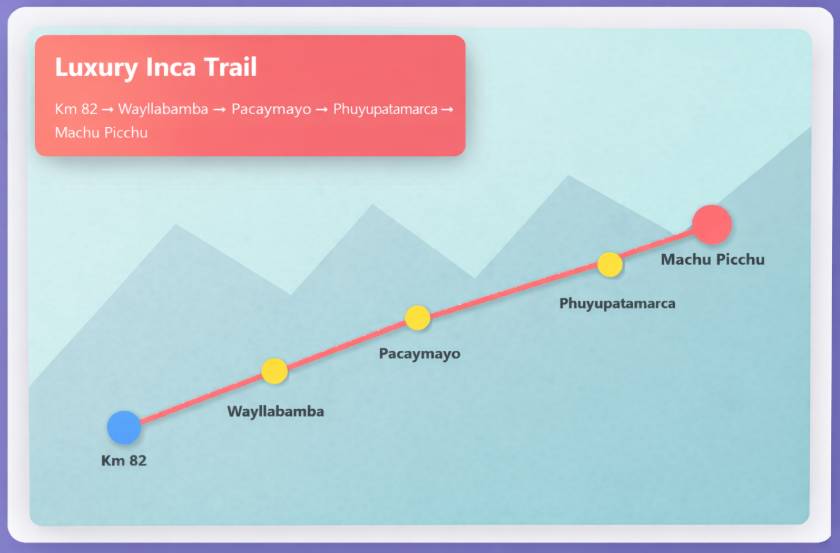
Luxury Inca Trail Map and Route
The Luxury Inca Trail map presents the protected alignment as the Classic Inca Trail while emphasizing upgraded campsites, enhanced support zones, and comfort-focused logistics. The route starts at Kilometer 82 (Piscacucho) and ends at Machu Picchu, entering through Inti Punku (the Sun Gate). The map highlights official trail sections, elevation changes, archaeological complexes, conservation boundaries, and premium camp locations used by licensed luxury operators under government permit regulations. The luxury Inca Trail experience maintains historical integrity while layering higher service standards across the route.
42 to 43 kilometers
4 days
4215 meters
Moderate to Challenging
Km 82, Warmiwañusca Pass, Sun Gate, Machu Picchu
Elevation Profile:
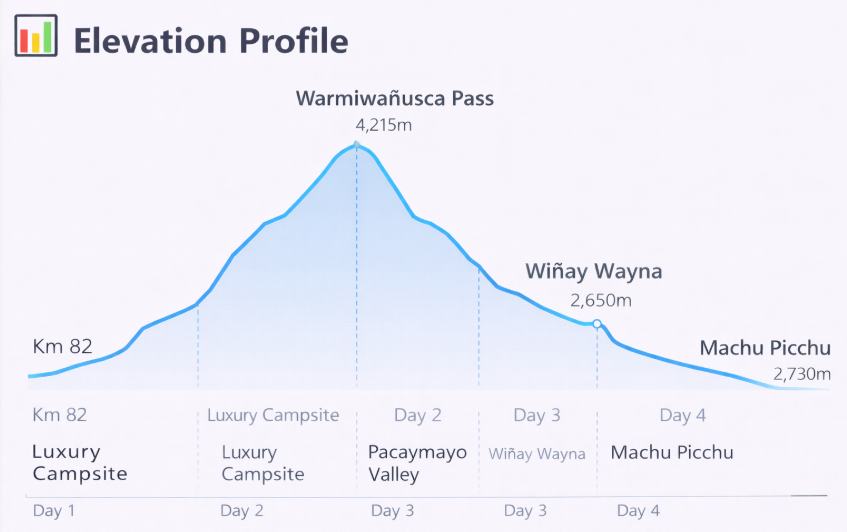
Km 82 to Luxury Campsite
The trek begins at Km 82 with a steady hike through river valleys, farmland, and low elevation terrain. The day ends at a fully serviced campsite featuring upgraded dining setups and spacious sleeping tents.
12 kilometers
5 to 6 hours
300 meters
Day 2
Campsite to Pacaymayo Valley
The route ascends toward Warmiwañusca (Dead Woman’s Pass), the highest and most demanding point of the trek. A controlled descent follows into the next valley, where comfort-focused camp facilities await.
11 kilometers
7 to 8 hours
1200 meters
Day 3
Pacaymayo to Wiñay Wayna
The trail crosses high ridges and cloud forest, passing major Inca ruins (Sayacmarca, Phuyupatamarca, Wiñay Wayna). Enhanced camp services support recovery after sustained elevation changes.
16 kilometers
6 to 7 hours
700 meters
Day 4
Sun Gate to Machu Picchu
The route reaches Inti Punku early in the morning for the first view of Machu Picchu. The trek concludes with a guided tour of the citadel before transfer to Aguas Calientes, completing the luxury Inca Trail experience.
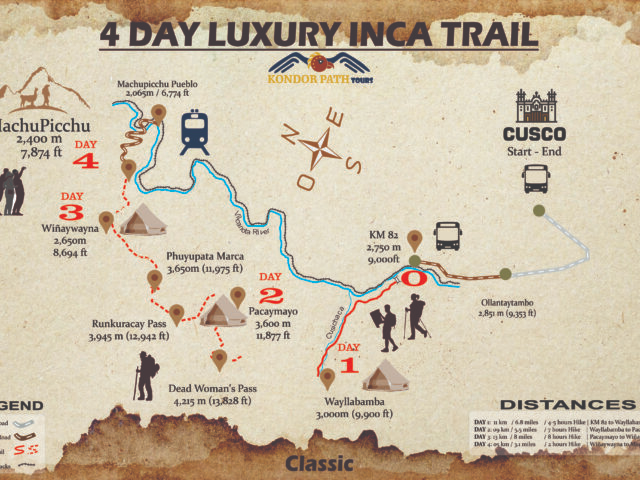
The Inca Trail map shows a route that begins near Cusco and ends at Machu Picchu by following a protected section of the ancient Inca road network. The route starts in the Sacred Valley at Kilometer 82 near Ollantaytambo and progresses northwest through river valleys, mountain passes, and cloud forest terrain. Visual sequencing on a Cusco to Machu Picchu map clearly displays how campsites, archaeological sites, and elevation changes align day by day toward the destination. The trail climbs over high points such as Dead Woman’s Pass before descending through well-preserved ruins near Wiñay Wayna. The route then reaches Inti Punku, where the trail transitions into the Machu Picchu sanctuary. Official maps confirm the directional flow through consistent alignment, regulated checkpoints, and clearly marked progression from the Cusco region to the citadel.
Book the Inca Trail Tour to access the full range of trekking experiences, including Short Inca Trail, Classic Inca Trail, Private Inca Trail, and Luxury Inca Trail options. Each itinerary follows the historic route to Machu Picchu while offering different levels of comfort, group size, and pacing to match travel preferences. Booking secures permits, preferred dates, and the ideal trail style for a complete Inca Trail journey.
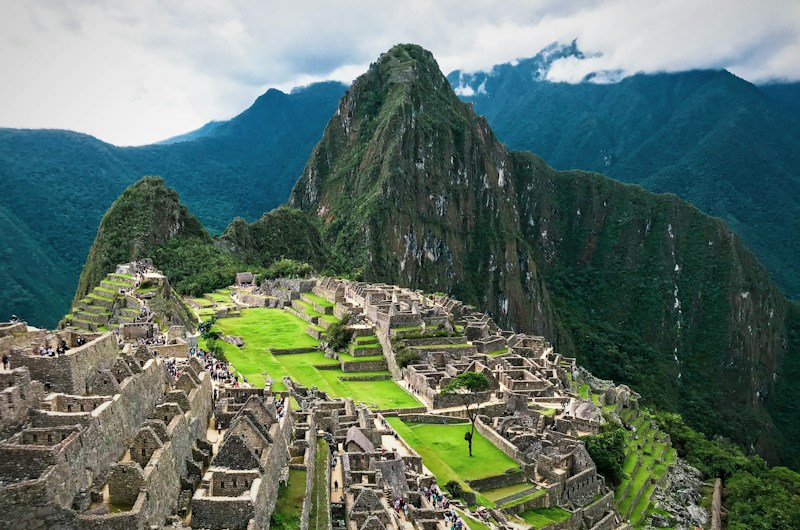
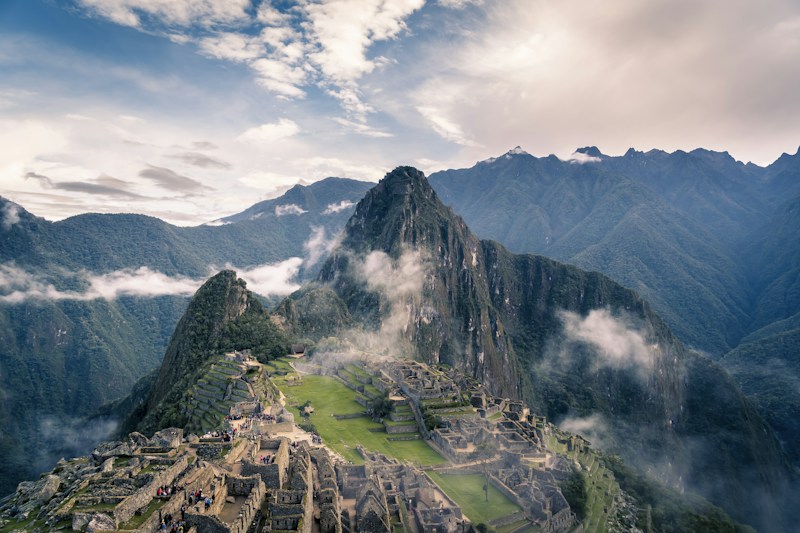
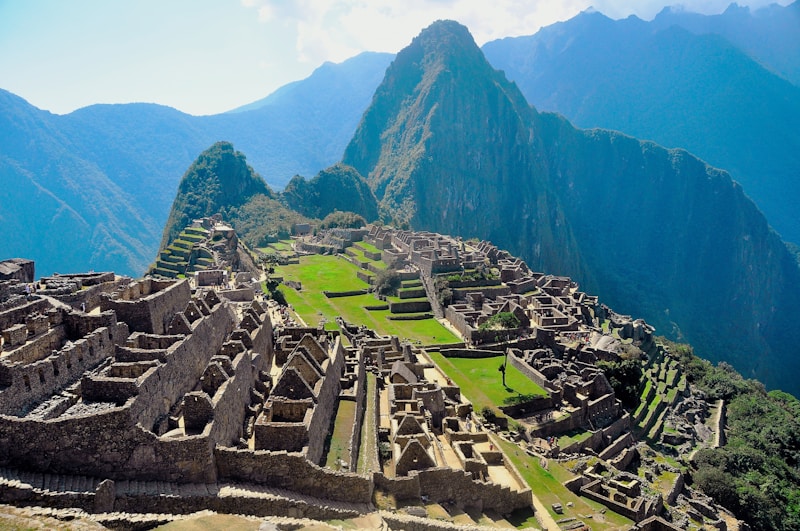
Guided Trek
2 Days / 1 Night
Cusco, Peru
Trekking & Sightseeing
2 to 12 People
Moderate
Adventure & Culture
Moderate to Challenging
Comfort Lodge
12 km (7.5 miles)
2 Breakfasts, 2 Lunches
Guided Trek
4 Days / 3 Nights
Cusco, Peru
Trekking & Sightseeing
8 to 16 People
Moderate to Challenging
Adventure & Culture
Challenging
Designated Campsites
42 km (26 miles)
3 Breakfasts, 3 Lunches, 3 Dinners
Guided Trek
4 Days / 3 Nights
Cusco, Peru
Trekking & Sightseeing
Private Group (2 to 8)
Moderate to Challenging
Private Adventure & Culture
Challenging
Private Campsites
42–43 km (26–27 miles)
3 Breakfasts, 3 Lunches, 3 Dinners
Guided Trek
4 Days / 3 Nights
Cusco, Peru
Trekking & Sightseeing
2 to 8 People
Moderate to Challenging
Luxury Adventure & Culture
Challenging
Luxury Camps & Boutique Hotels
42–43 km (26–27 miles)
3 Breakfasts, 3 Lunches, 3 Dinners
- Patallacta (Llaqtapata): The site near Kilometer 82 shows how agricultural terraces and residential areas were arranged to support movement along the main trail.
- Wayllabamba: The wide valley location reflects a settlement zone where cultivated land gradually transitions into higher mountain terrain.
- Llulluchapampa: The high-altitude meadow functioned as a resting area where travelers adjusted to elevation before continuing the ascent.
- Runkuracay: The compact stone structure was positioned above the trail to observe and regulate movement through an exposed mountain section.
- Sayacmarca: The ridge-top complex reveals carefully planned buildings arranged to overlook and control the surrounding valleys.
- Phuyupatamarca: The elevated location above the cloud forest demonstrates advanced landscape planning through carved water channels and terraced platforms.
- Intipata: The sweeping hillside terraces illustrate how steep terrain was stabilized and adapted for agricultural use.
- Wiñay Wayna: The extensive mountainside complex near the trail’s end combines residential spaces, fountains, and terraces into a single integrated site.
- Inti Punku (Sun Gate): The mountain gateway marks the point where the trail opens to its first direct view toward Machu Picchu.
- Machu Picchu: The stone citadel completes the journey as a major center built for ceremonial, administrative, and elite purposes.
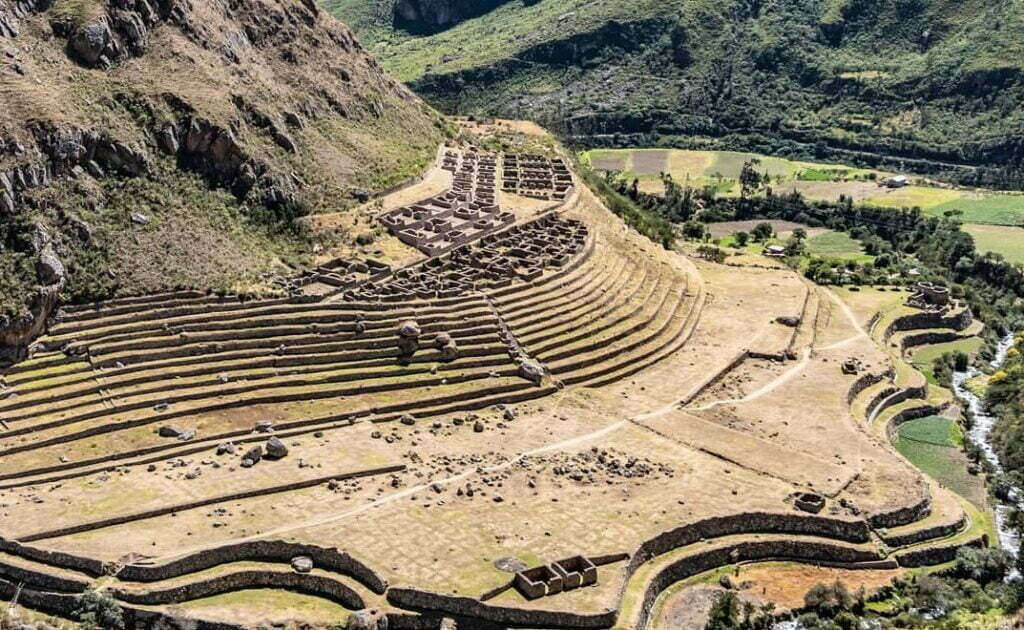
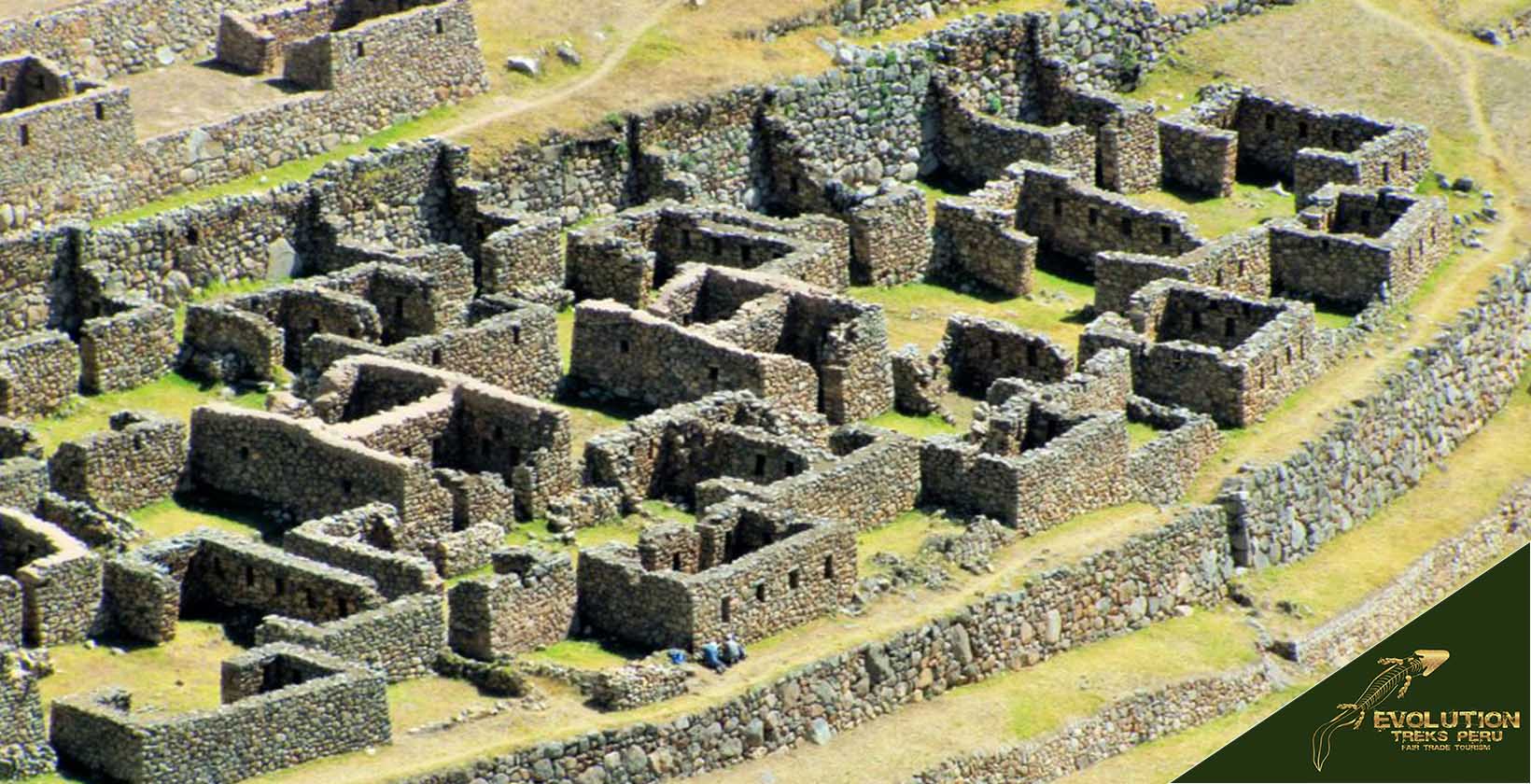
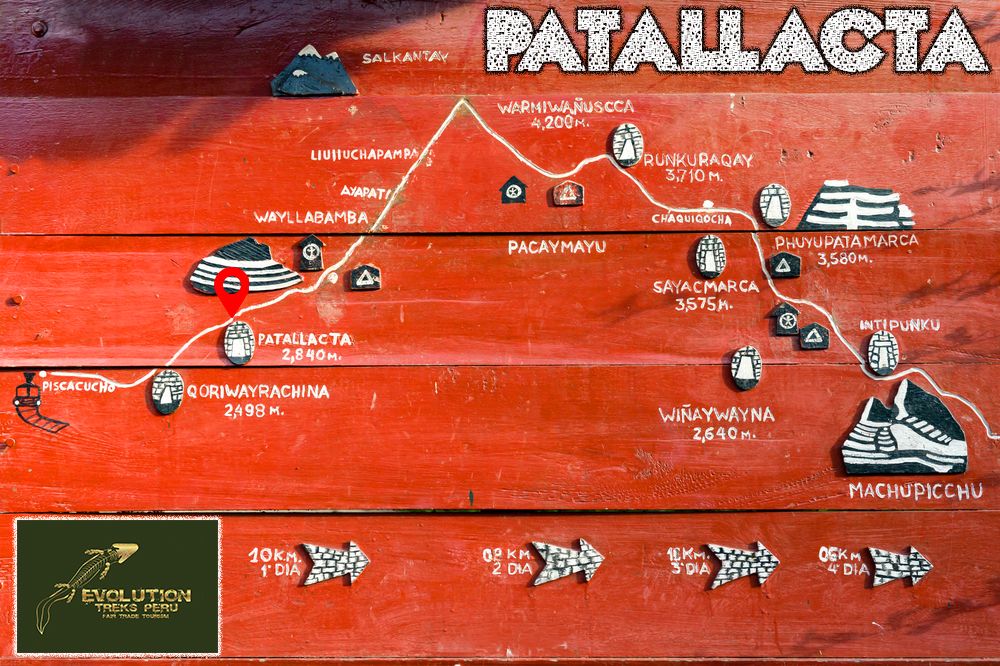
Patallacta (Llaqtapata)
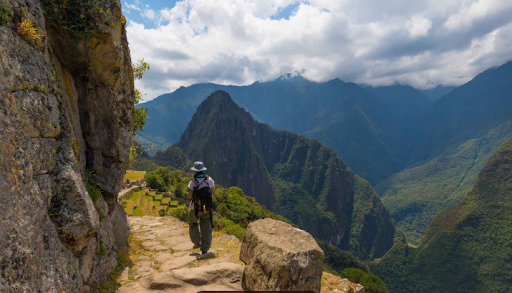
Patallacta (Llaqtapata) represents one of the earliest and most significant archaeological sites encountered on the Classic Inca Trail. The settlement functioned as an agricultural and residential center supporting food production and logistics along the imperial road network. Stone foundations, storage structures, and terraced fields demonstrate integrated farming, settlement design, and route control within the Sacred Valley corridor. Trekkers reach Patallacta (Llaqtapata) shortly after departing Kilometer 82 (Piscacucho), positioned on a hillside above the Cusichaca River valley during Day 1 of the hike.
Agricultural and residential support center along the Classic Inca Trail
Patallacta (Llaqtapata) is an early archaeological site on the Classic Inca Trail featuring extensive terraces and stone foundations spread across a hillside above the Cusichaca River. The site functioned as an agricultural and residential complex supporting food production and trail logistics. Terrace orientation reflects controlled irrigation and soil management suited to valley conditions. Structural remains indicate long-term habitation rather than ceremonial use. The location demonstrates how the Inca road system integrated farming zones with transportation corridors linking the Sacred Valley to Machu Picchu.
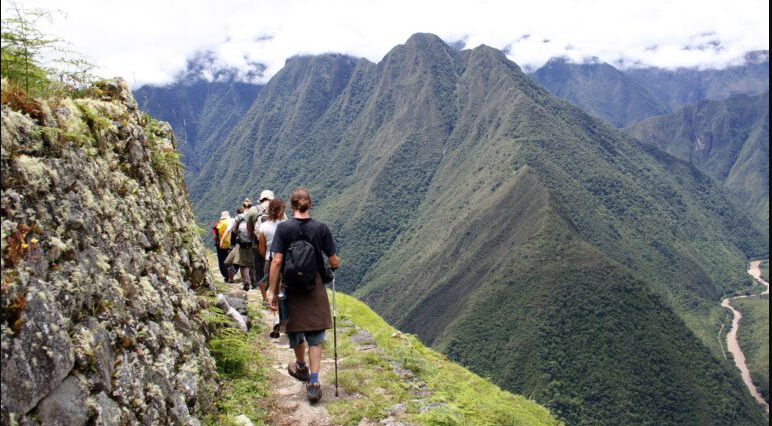
Wayllabamba
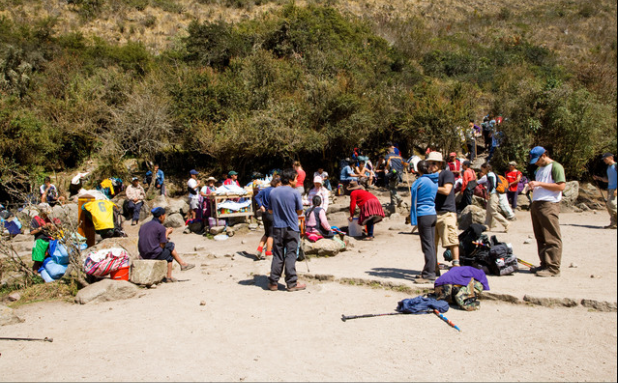
Wayllabamba functions as an archaeological area and historic settlement along the Classic Inca Trail, positioned within a broad Andean valley bordered by cultivated terraces and mountain slopes near Wayllabamba. The site reflects residential and agricultural activity rather than ceremonial use, supporting daily life and logistics for travelers moving through the region. Trekkers reach the area on Day 1 after passing Patallacta (Llaqtapata) and following the Cusichaca River valley, where the location serves as the first campsite and marks the base of the ascent toward Llulluchapampa and Dead Woman’s Pass.
3,000 meters
Day 1
Residential settlement and transition point before the high passes
Wayllabamba is a historic settlement area positioned in a broad Andean valley along the Classic Inca Trail. The site reflects residential and agricultural use rather than ceremonial activity, supporting travelers through food cultivation and shelter. Surrounding terraces and open valley space indicate long-term land use adapted to moderate elevation. The location functions as a logistical base before the ascent toward higher mountain terrain. Wayllabamba remains a key transition zone between low-elevation valleys and alpine sections of the trail.
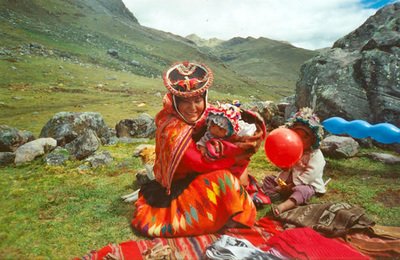
Llulluchapampa
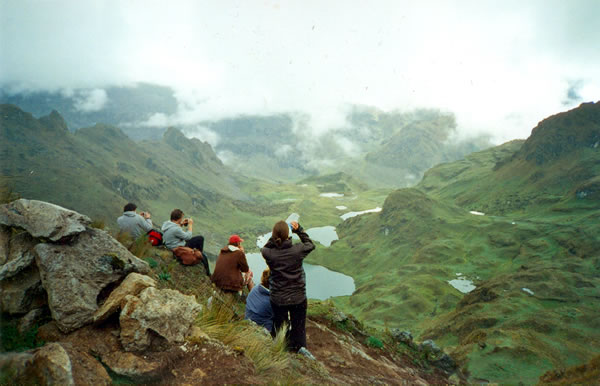
Llulluchapampa represents a high altitude archaeological area and natural plateau along the Classic Inca Trail, positioned below the ascent to Warmiwañusca (Dead Woman’s Pass). The site reflects temporary use linked to rest and preparation rather than permanent settlement, marking the transition from cultivated valleys to alpine terrain. Trekkers encounter the area on Day 2 after departing Wayllabamba, where the wide grassy valley serves as a common pause point before the trail steepens toward the high section of the route.
3,800 meters
Day 2
Rest and staging area before Dead Woman’s Pass
Llulluchapampa is a high-altitude plateau along the Classic Inca Trail associated with temporary use rather than permanent settlement. Open grasslands and surrounding slopes mark the shift from cultivated valleys to alpine terrain. The area supported rest, acclimatization, and preparation before crossing Warmiwañusca Pass. Limited structural remains suggest short term occupation focused on route support. Environmental exposure and elevation define the physical challenge beginning at this point of the trail.
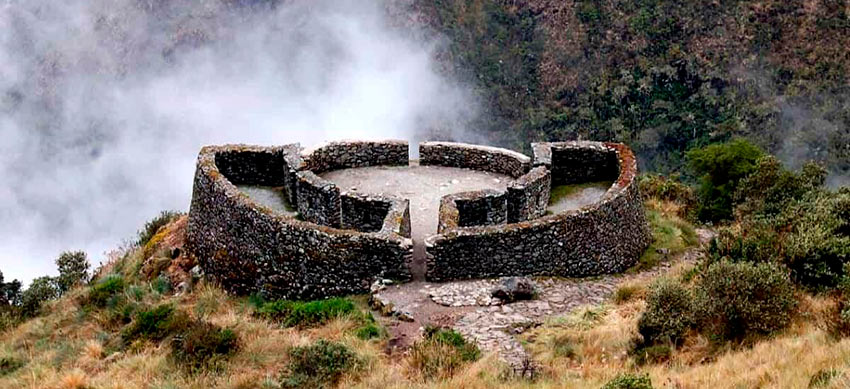


Runkuracay
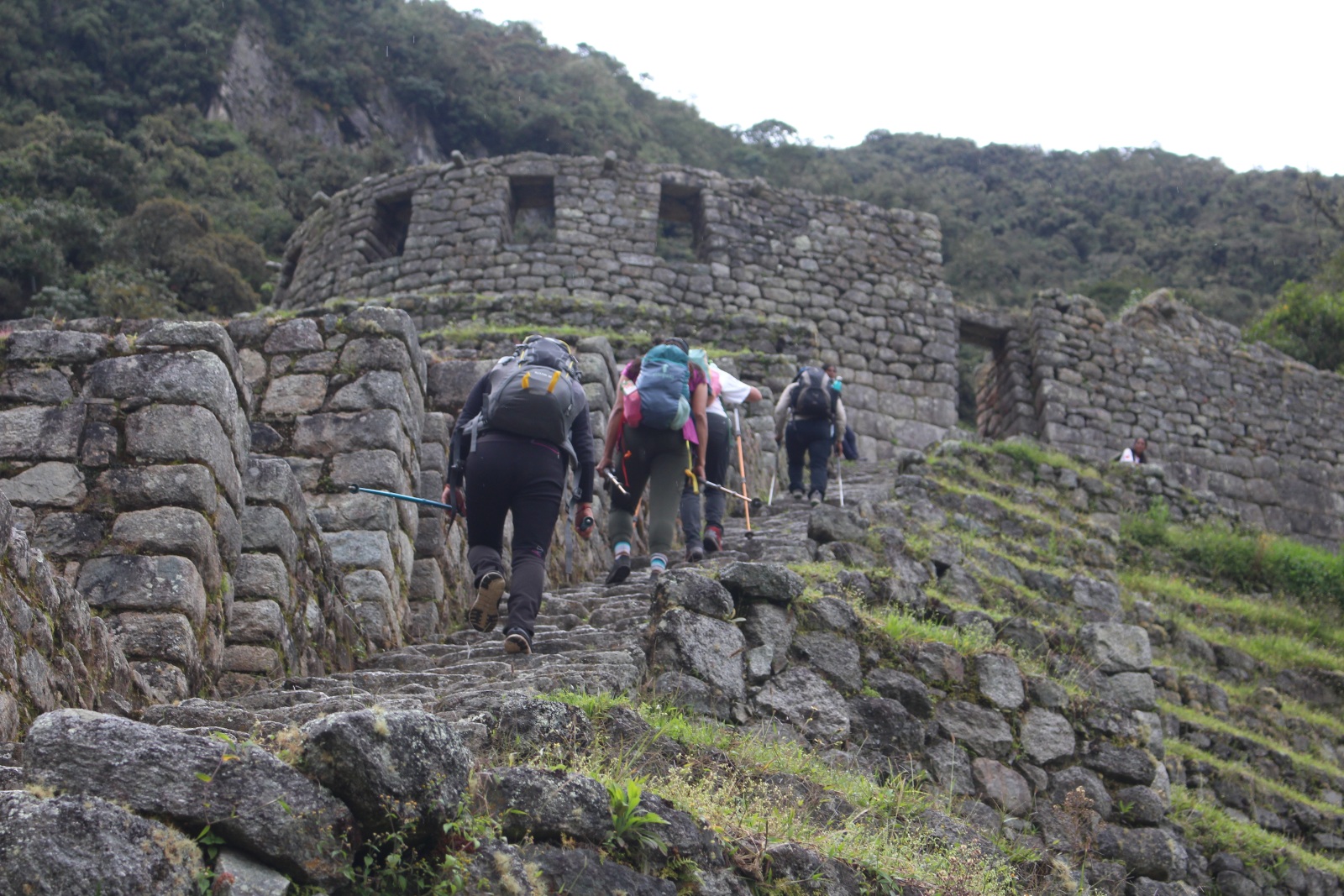
Runkuracay is a compact and strategically placed archaeological site along the Classic Inca Trail, recognized by a circular stone structure set on a mountainside. The location functioned as a control and rest station within the Inca road network, supporting movement monitoring and traveler shelter. Trekkers reach Runkuracay on Day 3 after ascending from the Pacaymayo Valley and crossing the second mountain pass, accessing the site via stone steps above the trail, where elevated positioning signals the transition toward higher elevation ruins.
3,950 meters
Day 3
Trail control and rest station
Runkuracay is a compact archaeological site defined by a circular stone structure positioned above the Classic Inca Trail. The location functioned as a control point and shelter for travelers moving between valleys. Elevated placement allowed oversight of trail movement and surrounding terrain. Architectural design reflects standardized Inca roadside stations supporting long-distance travel. The site marks increasing altitude and exposure along the route.
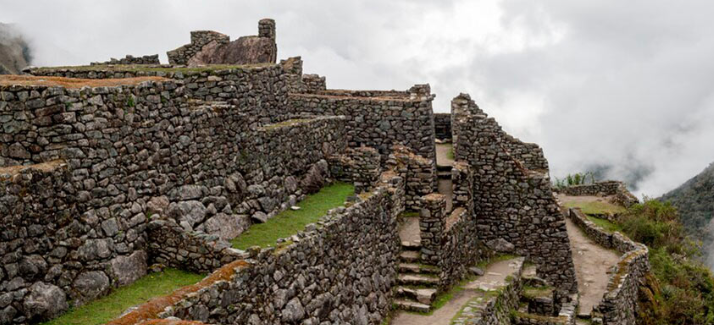
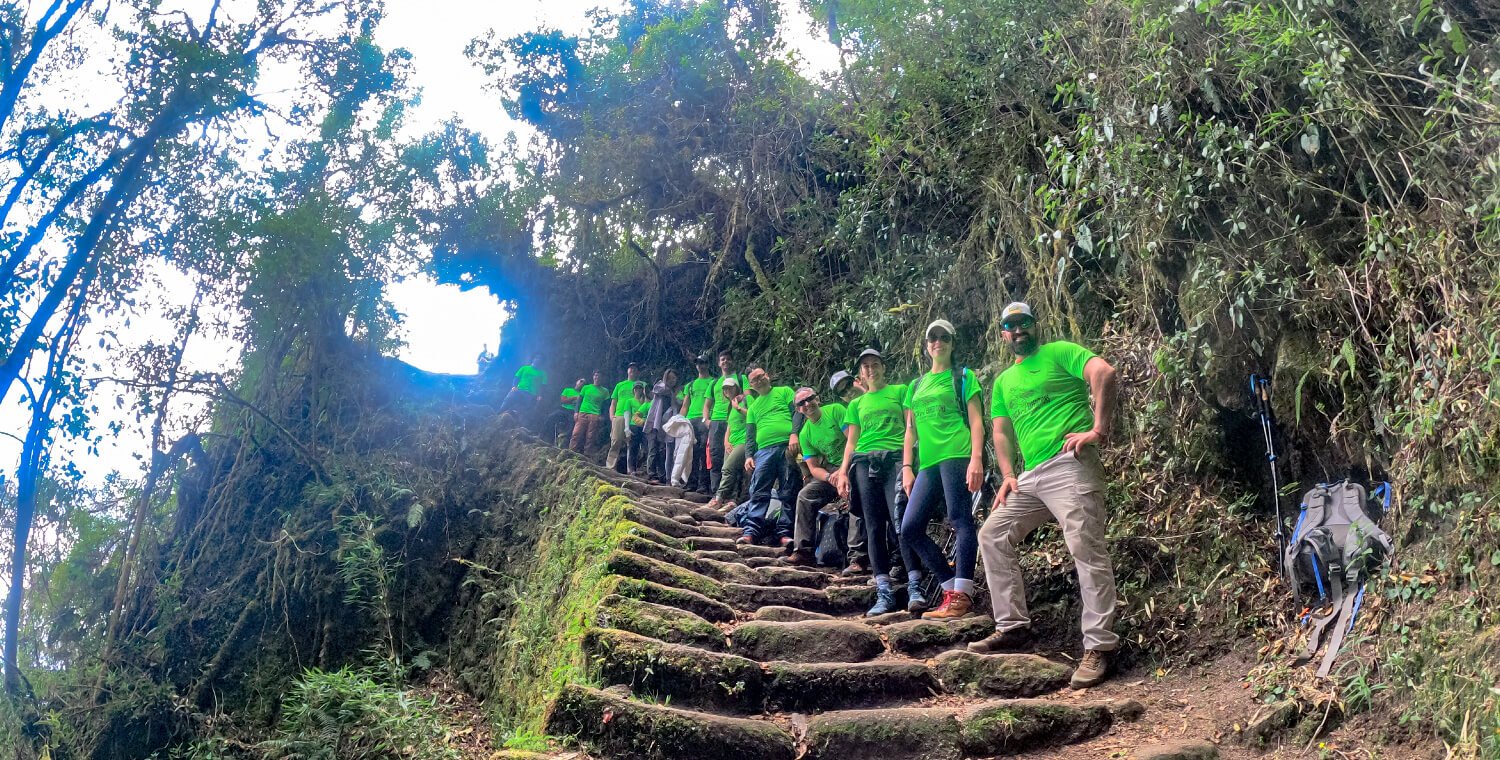
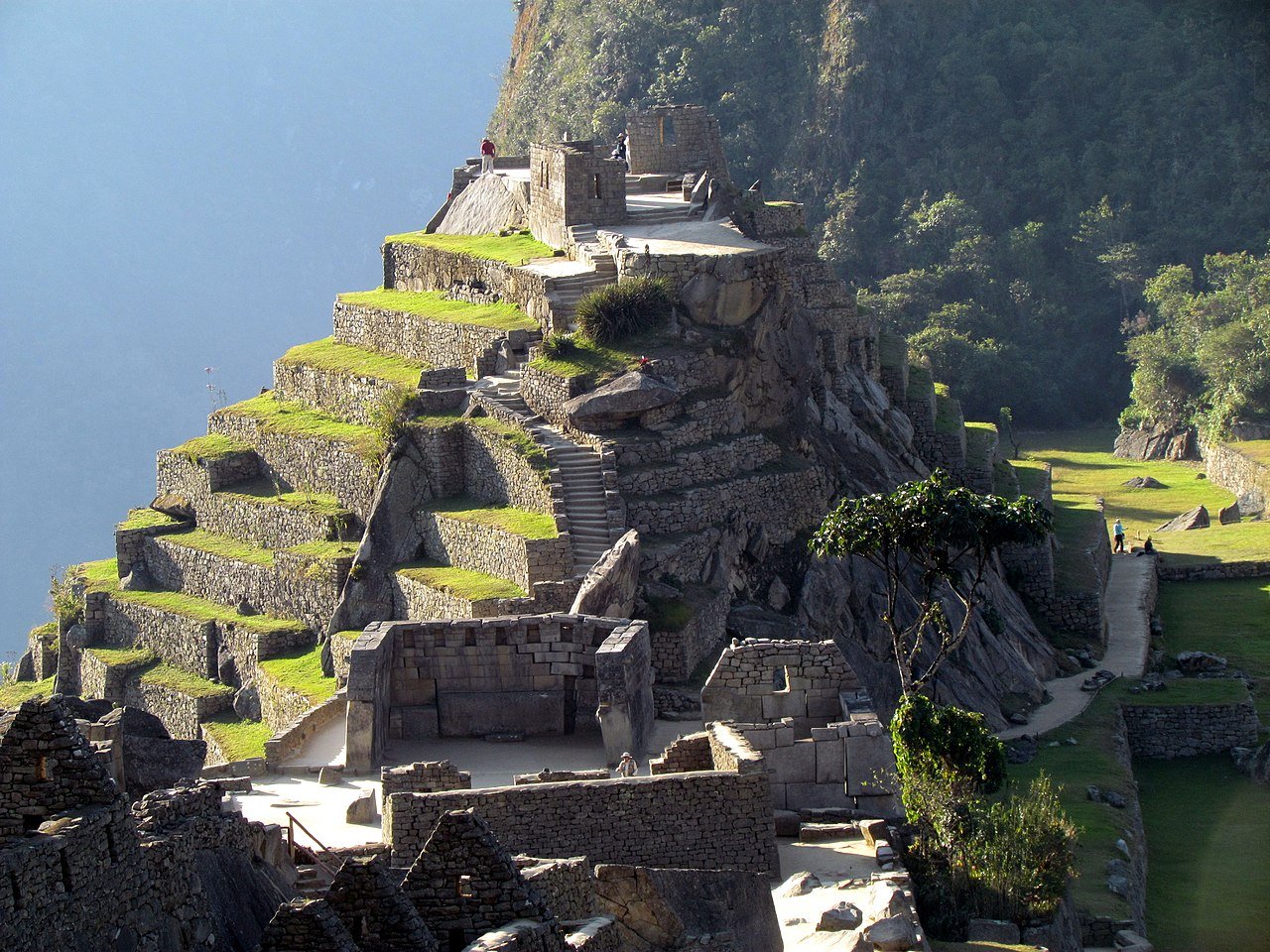
Sayacmarca
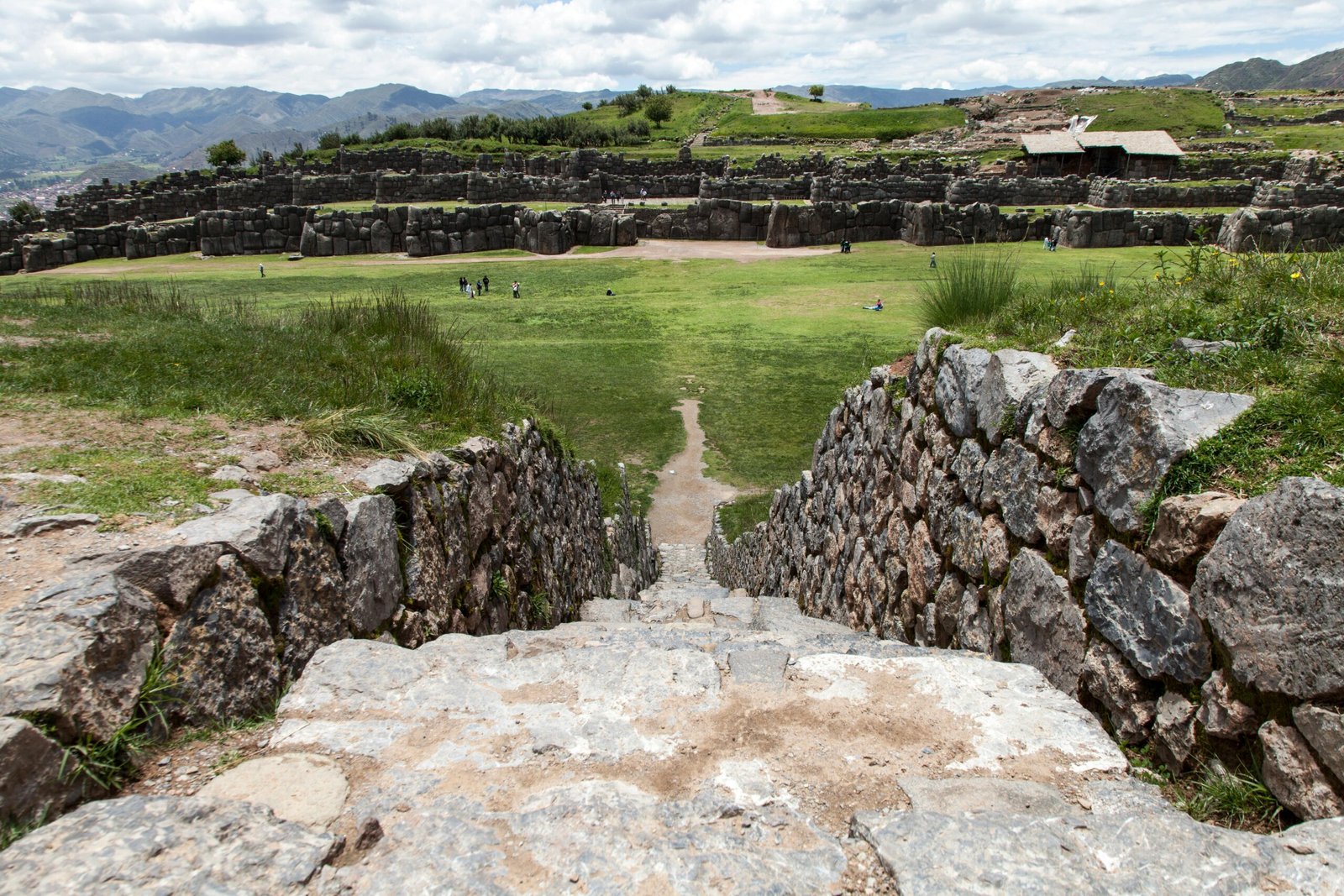
Sayacmarca is a well-preserved archaeological complex positioned on a narrow ridge along the Classic Inca Trail, reflecting advanced Inca stonework and settlement planning. The site contains residential structures, ceremonial spaces, terraces, and narrow corridors integrated into steep terrain, indicating administrative control and ritual use. Trekkers reach Sayacmarca on Day 3 after passing Runkuracay, ascending stone stairways, and traversing high ridges above the cloud forest, where panoramic valley views appear before continuing toward Phuyupatamarca.
3,600 meters
Day 3
Administrative and ceremonial complex
Sayacmarca is a well-preserved archaeological complex built along a narrow ridge above the cloud forest. Stone buildings, terraces, and passageways integrate tightly with steep terrain. The site supported administrative control and ceremonial activity along elevated trail sections.
Strategic placement regulated access while maintaining visual dominance over surrounding valleys. Construction quality reflects high importance within the Inca road network.
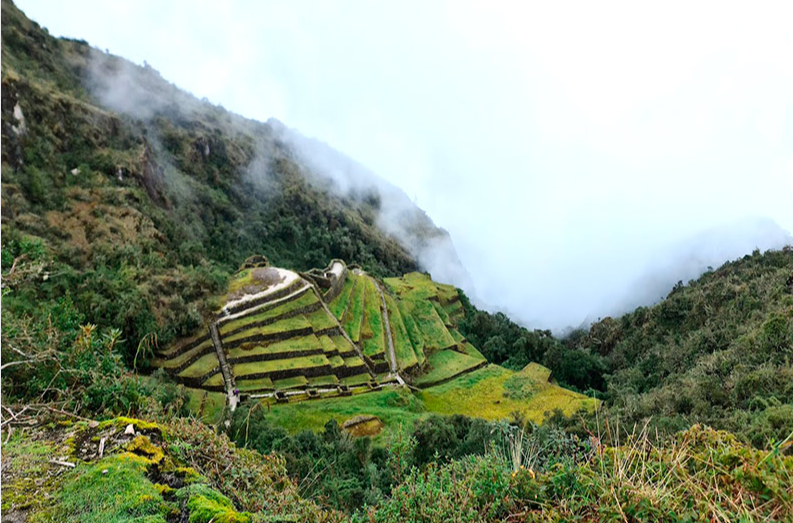
Phuyupatamarca
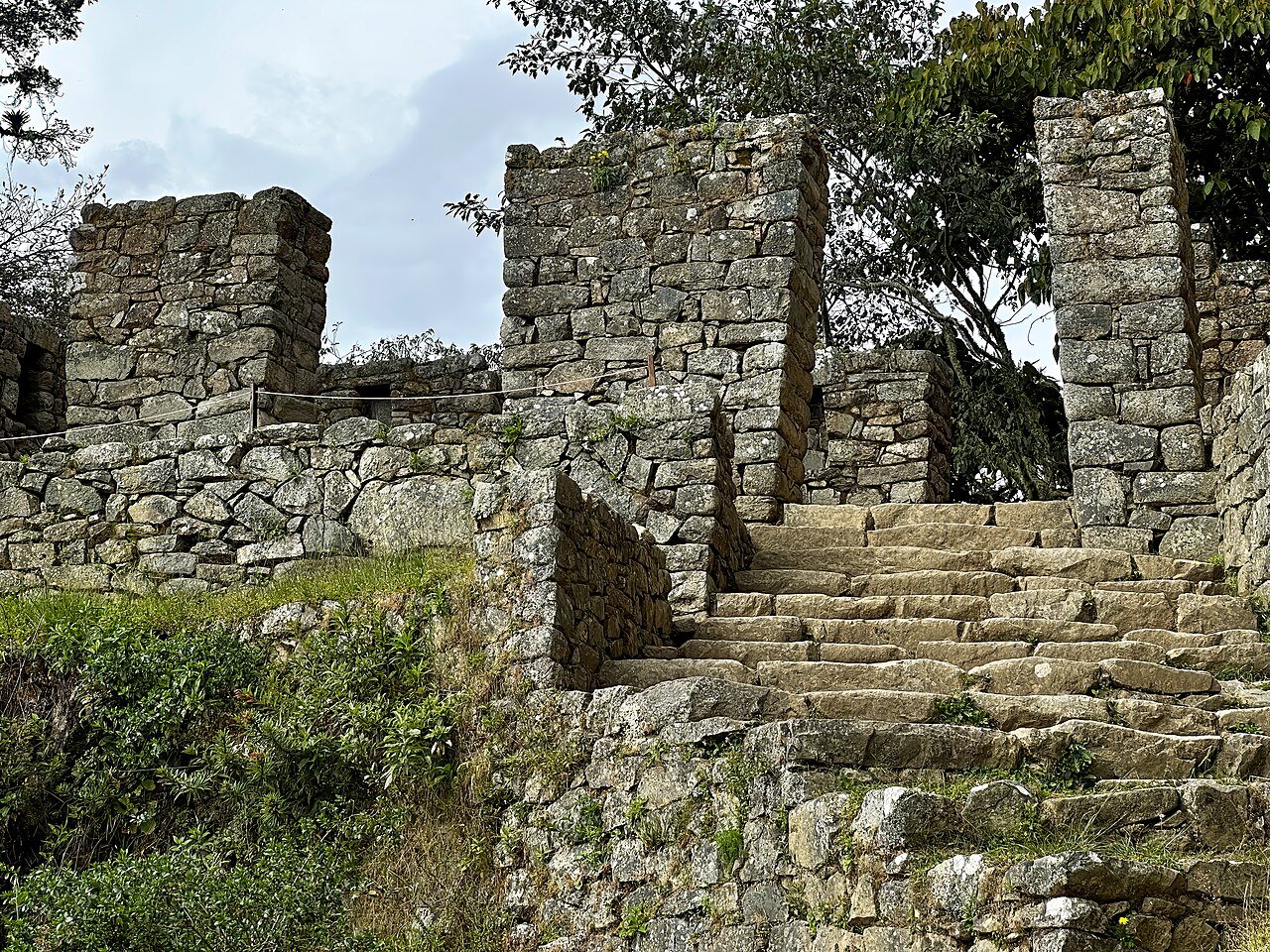
Phuyupatamarca is a high-elevation archaeological complex recognized for refined stone construction and advanced water management systems featuring ceremonial fountains and channels. The site reflects combined ceremonial and residential use, with terraces and ritual baths aligned to mountain views and controlled water flow. Trekkers reach Phuyupatamarca on Day 3 of the Classic Inca Trail after departing Sayacmarca and following a ridge-level section, where the route begins descending toward the cloud forest and opens views across the Urubamba Valley before continuing toward Intipata and Wiñay Wayna.
3,650 meters
Day 3
Ceremonial center with advanced water systems
Phuyupatamarca is a high-elevation complex known for refined stonework and sophisticated water channels. Fountains and ritual baths reflect ceremonial use tied to controlled water flow. Terraces and structures align with mountain views and ridge orientation. The site demonstrates Inca hydraulic engineering under exposed conditions. Placement above the cloud forest reinforces spiritual and symbolic significance.
Intipata
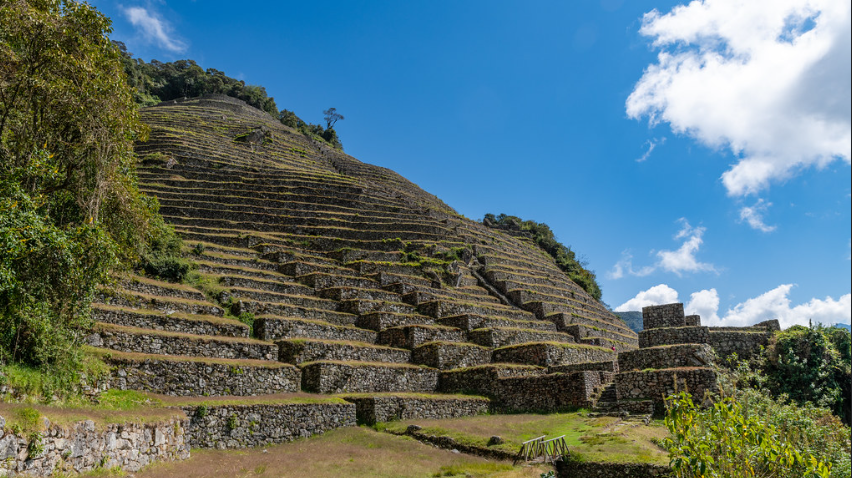
Intipata is an expansive agricultural archaeological site defined by broad curved terraces descending a steep hillside along the Classic Inca Trail. The terraces maximize sunlight exposure and drainage, reflecting advanced Inca farming knowledge adapted to high elevation terrain. Trekkers encounter Intipata on Day 3 after leaving Phuyupatamarca and descending into the cloud forest, where the open terrace system appears above the Urubamba River valley and illustrates large-scale agricultural engineering before the route continues toward Wiñay Wayna.
2,600 meters
Day 3
Large-scale agricultural terrace system
Intipata is an expansive agricultural site featuring wide curved terraces descending steep slopes. Terrace design maximizes sunlight exposure and drainage for high-elevation farming. Open layout contrasts enclosed ceremonial sites, emphasizing production over ritual use. Construction reflects adaptation to extreme terrain. The site illustrates the Inca capacity to sustain agriculture near Machu Picchu.
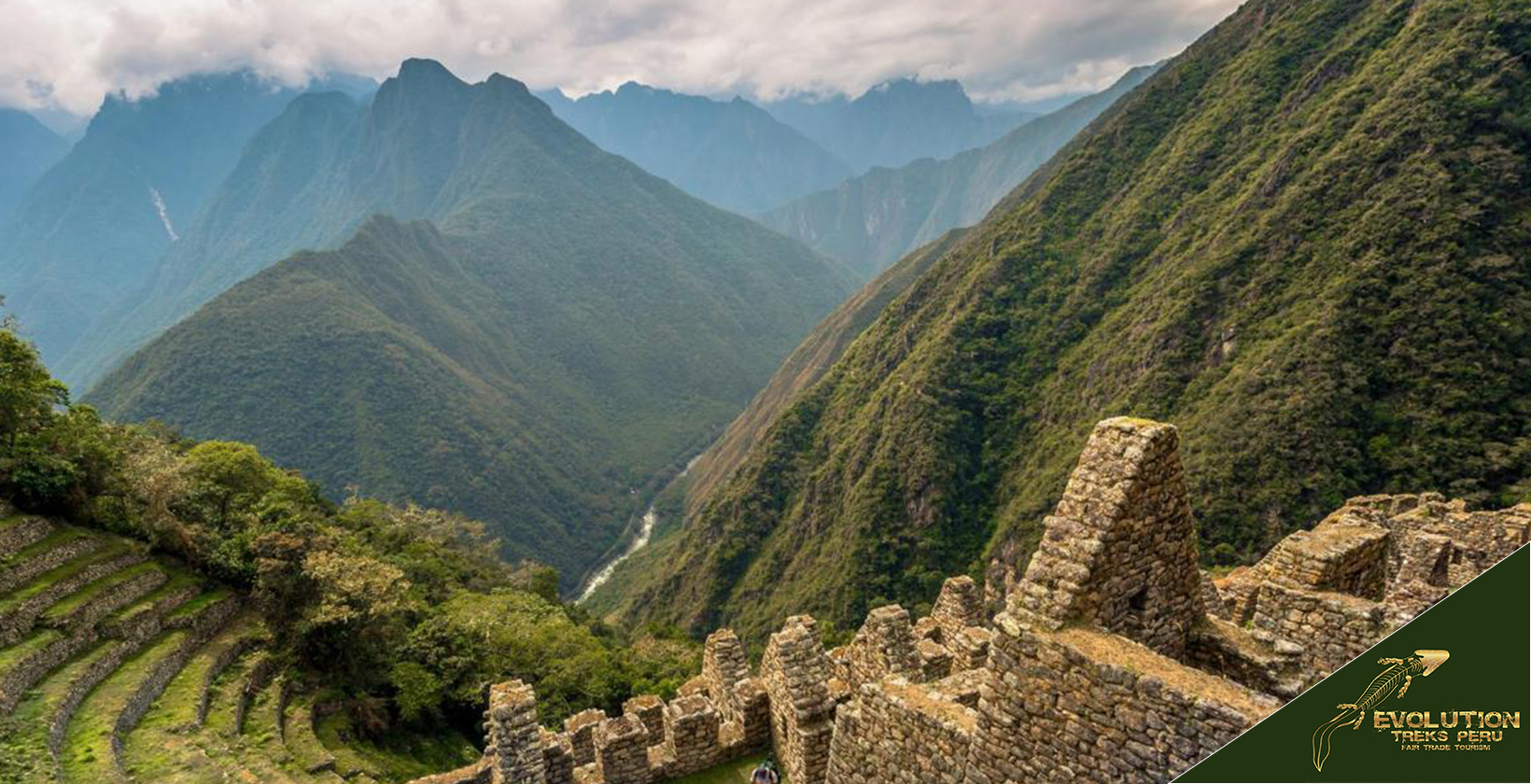
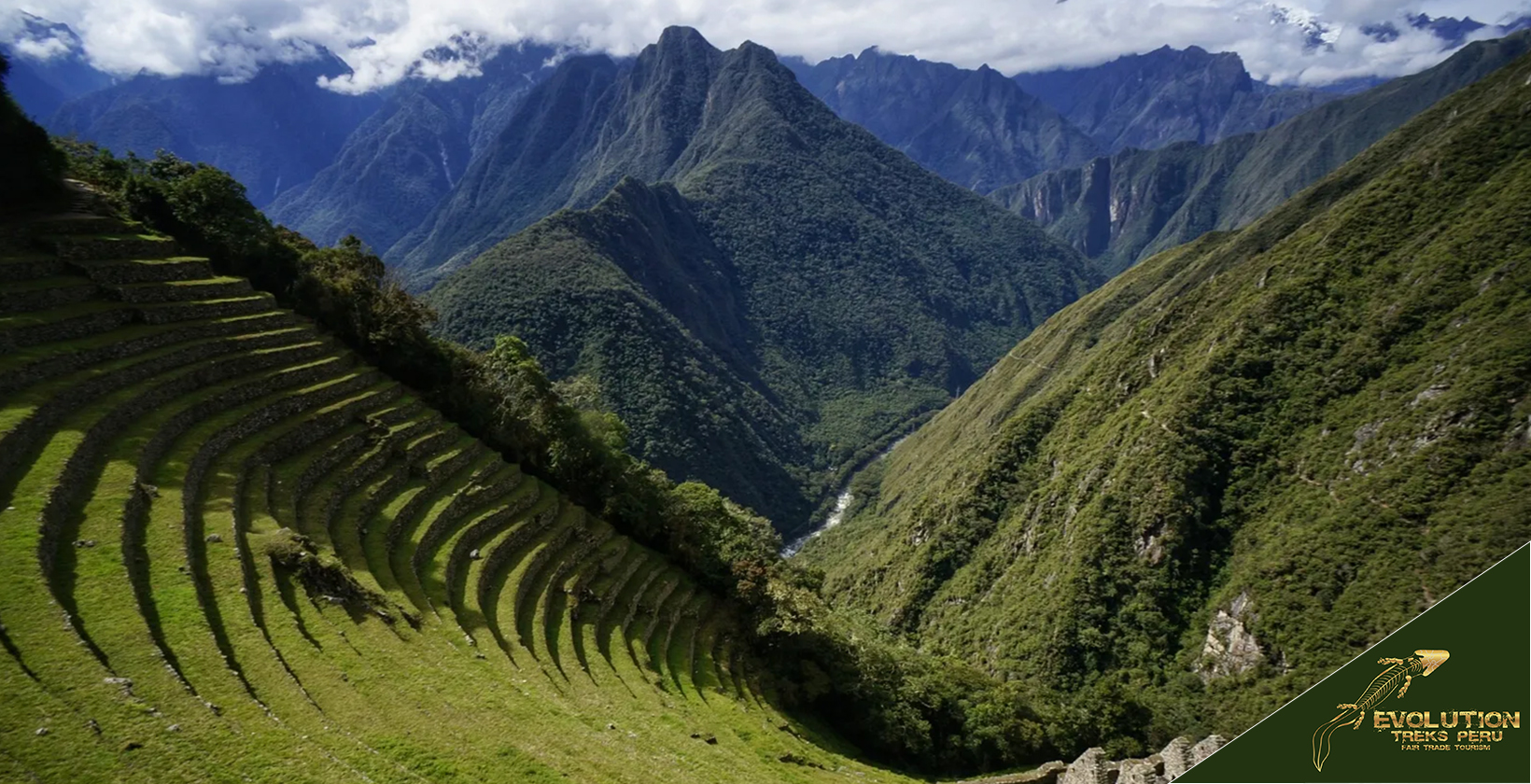
Wiñay Wayna
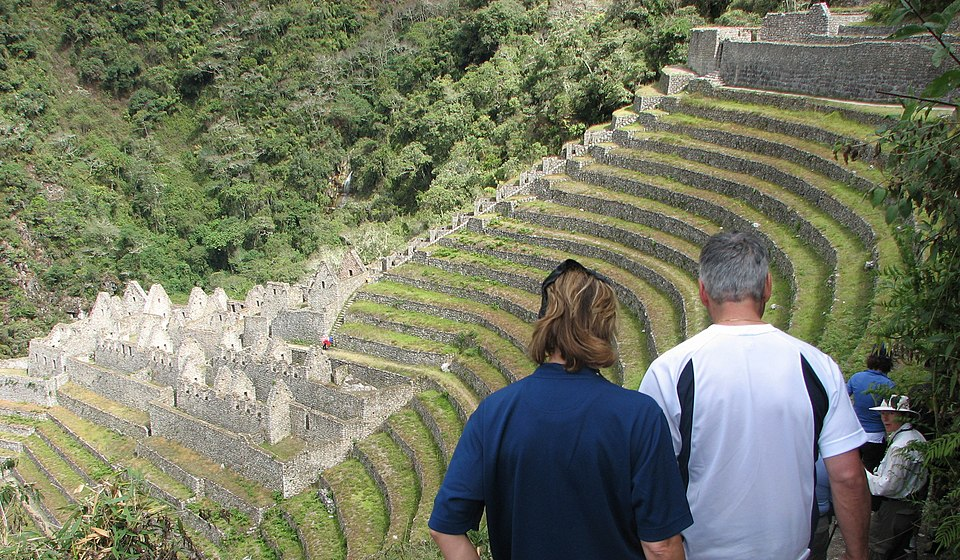
Wiñay Wayna is a large archaeological complex built across a steep hillside with terraces, stone buildings, and water channels arranged in horizontal bands. The layout supports agriculture, daily living, and ceremonial activity within a single integrated area near the end of the route. Hikers reach Wiñay Wayna on Day 3 of the Classic Inca Trail after descending from Intipata, where dense cloud forest surrounds the site and signals the final major stop before Inti Punku and the approach to Machu Picchu.
2,650 meters
Day 3
Major residential and agricultural complex
Wiñay Wayna is a large hillside complex combining terraces, residential structures, and water channels. The layout supports food production, daily living, and ceremonial activity near the end of the trail. Dense cloud forest surrounds the site. Preservation quality highlights continued structural stability. The location supports final staging before Machu Picchu.

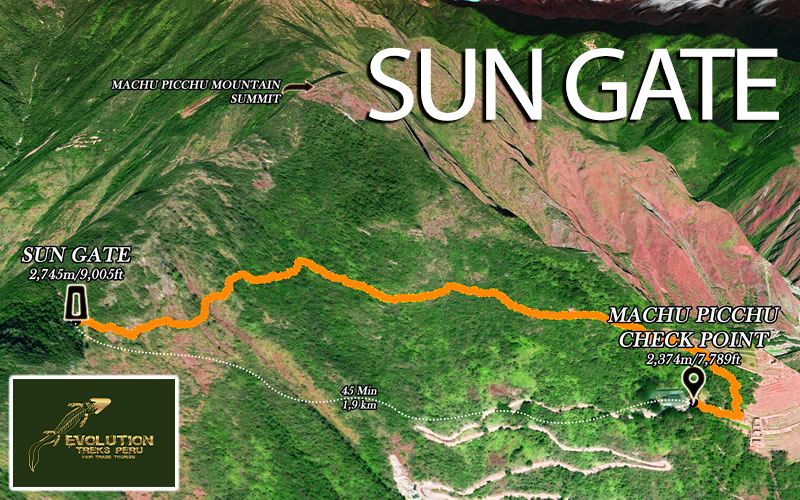
Inti Punku (Sun Gate)
Inti Punku, known as the Sun Gate, is a stone gateway positioned along the final ridge of the Classic Inca Trail before Machu Picchu. The structure functioned as a controlled entry point where movement toward the citadel was visually and spatially regulated. Its orientation corresponds with the June solstice sunrise, directing light toward the urban core below. Trekkers arrive at Inti Punku on Day 4 after departing the final campsite near Wiñay Wayna, where the first elevated view of Machu Picchu emerges prior to the descent into the citadel.
2,720 meters
Day 4
Ceremonial entrance to Machu Picchu
Inti Punku is a high ridge gateway designed to frame the approach to Machu Picchu from the Inca Trail. The placement allowed oversight of arrivals while reinforcing solar alignment central to Inca belief systems.
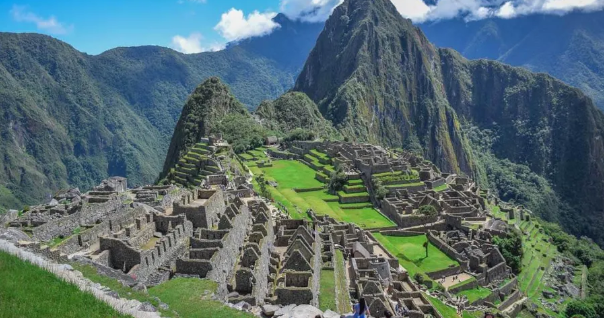
Machu Picchu
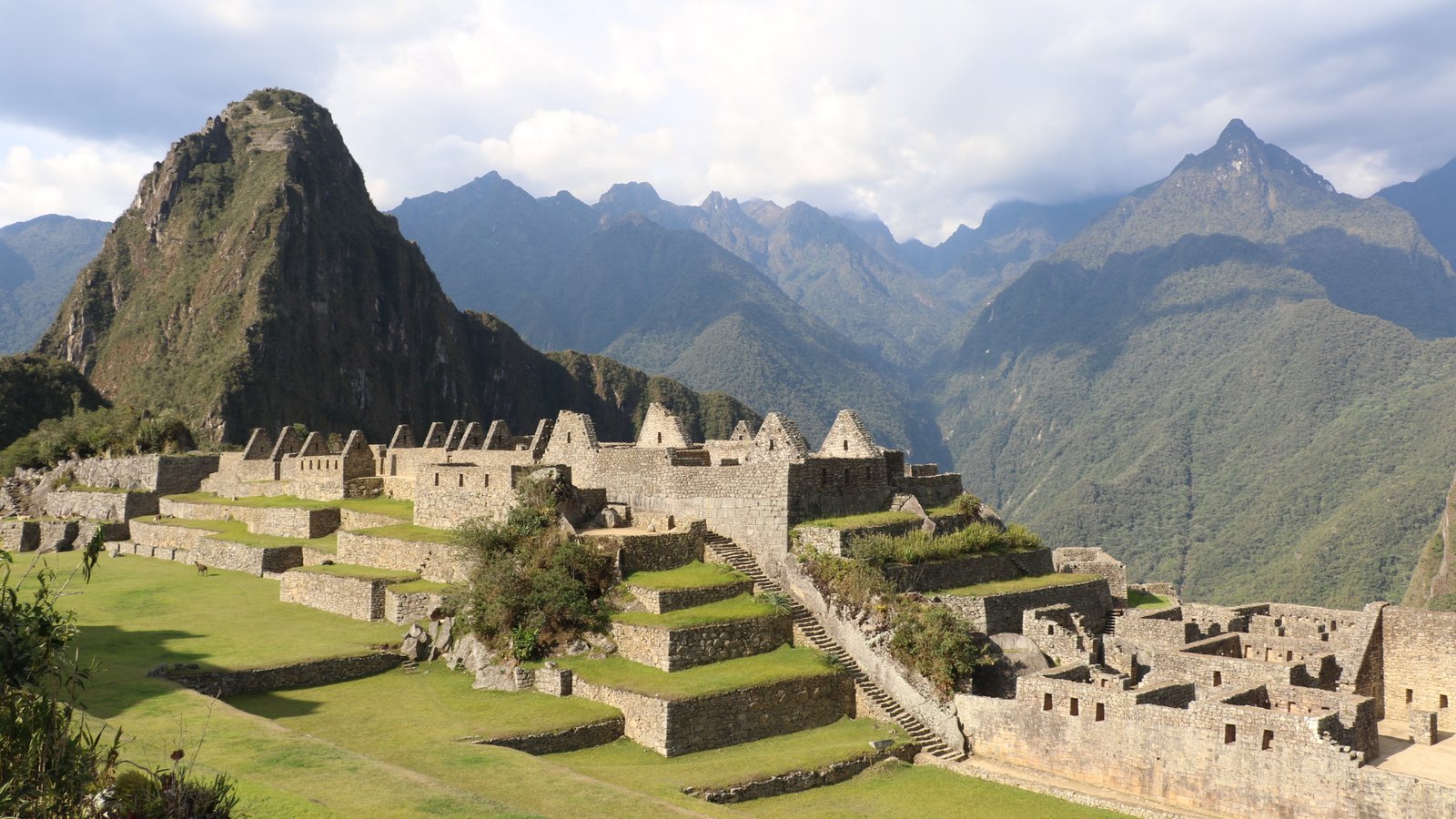
Machu Picchu is the final archaeological site reached on the Classic Inca Trail and holds the culture within Inca history. The citadel includes ceremonial temples, residential areas, agricultural terraces, and astronomical features built with finely cut stone masonry. Trekkers arrive at Machu Picchu at the end of Day 4 after descending from Inti Punku (the Sun Gate), entering through the upper sector along the original Inca approach route, where the trek concludes with a guided visit through the main structures and terraces.
2,430 meters
Day 4
Imperial ceremonial and residential citadel
Machu Picchu is the final destination of the Classic Inca Trail and a major Inca cultural center. The citadel includes temples, residences, terraces, and astronomical features built with precise stone masonry. Mountain placement reflects strategic planning and symbolic meaning. The site functioned as an elite and ceremonial center within the empire.
The Inca Trail starts at Kilometer 82 (Piscacucho), located near Ollantaytambo in Peru’s Sacred Valley along the Urubamba River, where an official checkpoint controls access to the protected route. The starting point is supported by modern park regulations and archaeological evidence, including preserved Inca road sections and nearby sites such as Patallacta (Llaqtapata), which demonstrate the trail’s original function as a transportation and supply route. Government-managed checkpoints, licensed guide operations, and official Inca Trail maps consistently identify Kilometer 82 as the recognized beginning of the Classic Inca Trail, confirming its historical and administrative importance.
The Inca Trail ends at Machu Picchu. The traditional route enters the citadel through Inti Punku (the Sun Gate) before descending into the citadel itself. Archaeological evidence shows that Inti Punku functioned as a ceremonial and control gateway, regulating access to Machu Picchu for travelers arriving along the imperial road network. The trail leads directly into the upper sector of the site from the point, following the same approach used during the Inca period. Modern regulations, preserved stone pathways, and official trail maps consistently confirm Machu Picchu as the final destination, reinforcing its role as the ceremonial, administrative, and symbolic endpoint of the Inca Trail.
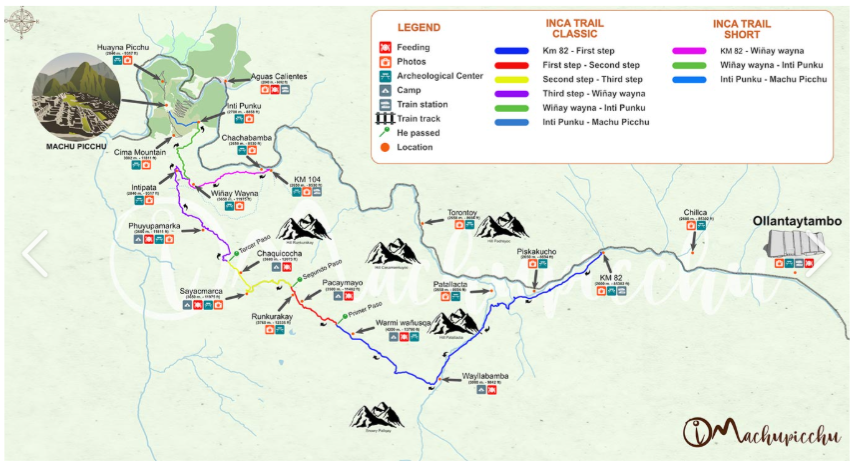
To navigate the Inca Trail using a map, follow the seven steps listed below.
- Study the Full Route Before Hiking: Use the Inca Trail map to understand the starting point at Kilometer 82, the sequence of campsites, and the final approach to Machu Picchu.
- Identify Daily Distance Segments: Review the map to estimate hiking time and recognize which days involve longer or more demanding sections.
- Examine elevation profiles carefully: Check the map to anticipate steep ascents and descents, especially near Dead Woman’s Pass and other high points along the trail.
- Locate Archaeological Sites in Order: Follow the map to understand where major ruins appear and how they align with each day’s route.
- Note Campsite Positions and Checkpoints: Use the map to see where rest periods occur and how daily hiking stages are structured.
- Use Terrain Features as Reference Points: Match the rivers, valleys, and mountain passes shown on the map with the landscape during the hike.
- Confirm Direction and Progression Daily: Review the map each morning to understand the day’s terrain, elevation change, and endpoint.
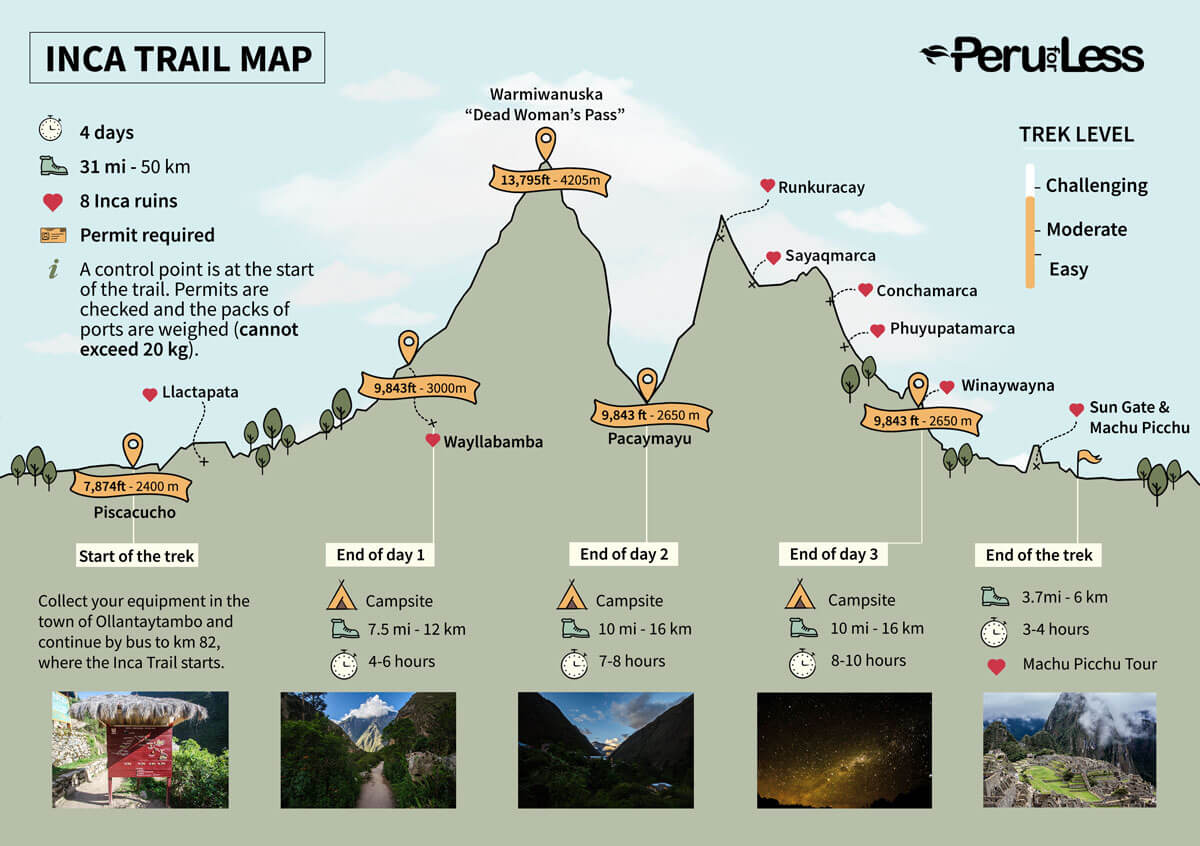
The elevation and altitude appear on an Inca Trail map through elevation profiles, contour lines, altitude markers, and labeled mountain passes that show changes in height along the route. Elevation mapping represents vertical gain and loss across the trail, allowing hikers to understand how steep or gradual each section is, and when reading an Inca Trail elevation. Contour lines illustrate terrain shape by connecting points of equal elevation, with closely spaced lines indicating steep climbs and wider spacing showing gentler slopes. Altitude markers identify exact heights at key locations such as campsites, valleys, and high passes, helping hikers anticipate thin air and physical effort. Pass indicators highlight major crossings like Dead Woman’s Pass, clearly marking the highest points on the route and emphasizing where the most demanding elevation changes occur.
The Inca Trail is located in the Cusco Region of southern Peru. Geographic and archaeological evidence place the route within the Sacred Valley of the Incas, and when referencing the Inca Trail Peru. Preserved sections of the original Inca road system pass through highland valleys, cloud forest, and mountain passes of the Andes Mountains. The trail lies entirely within the boundaries of the Historic Sanctuary of Machu Picchu, a protected area managed by Peruvian authorities, which confirms its official location and conservation status within Peru’s southeastern Andes.
The Inca Trail, according to the map, is 42 to 43 kilometers (26 miles) long. The distance is confirmed by government-regulated route measurements that track the preserved sections of the original Inca road system, and when referencing inca trail length, official Inca Trail maps consistently show the total distance from Kilometer 82 (Piscacucho) to Machu Picchu (mountain passes, archaeological sites, and designated campsites), which establish the accepted and standardized length of the Classic Inca Trail. The mapped references establish the accepted measurement used by park authorities, guides, and permit systems when explaining how long is the Inca Trail.
Inca Trail maps and Machu Picchu maps serve different but connected purposes within the same journey. An Inca Trail map explains how hikers move across long distances through mountain terrain, showing route direction, elevation changes, campsites, and archaeological sites along the way. A Machu Picchu map shifts attention to the interior organization of the site, focusing on terraces, ceremonial buildings, residential areas, and walking paths within the citadel.
The link between the two maps occurs at the point where the trail reaches its final ridge above Machu Picchu. Navigation shifts from following a continuous mountain trail to interpreting the organized layout of streets, terraces, and structures within the citadel at the transition point.
The shift marks the end of the trekking journey and the beginning of site exploration. The two map types (Inca Trail Map and Machu Picchu Map) create a complete spatial narrative that moves from regional travel across the Andes to detailed orientation within one of the most important Inca cities.
An Inca Trail map is essential for Machu Picchu treks because it provides clear orientation of the route, terrain, and progression toward the site. A broader map of the Inca Empire illustrates the territorial extent and road networks of the largest civilization in pre-Columbian South America, showing how the trail fits within a vast imperial system. Geographic and archaeological evidence demonstrates that the empire stretched along the western edge of the continent from present-day southern Colombia through Ecuador, Peru, Bolivia, and into northern Chile and Argentina. The interconnected system of royal roads, administrative centers, and regional capitals becomes clear. The maps highlight Cusco as the political and ceremonial core, explain how the Andes Mountains shaped settlement patterns, and show how the Inca Trail functioned as part of a larger infrastructure designed for governance, trade, and communication.
An Inca Trail map compares to a map of the Inca Empire through the differences in geographic scale, informational detail, and functional purpose. An Inca Trail map documents a single preserved route measuring 42 to 43 kilometers between Kilometer 82 (Piscacucho) and Machu Picchu, showing elevation profiles, daily hiking distances, designated campsites, mountain passes, and specific archaeological sites encountered along the trail. A map of the Inca Empire displays a continental transportation system exceeding 40000 kilometers of roads extending from southern Colombia through Ecuador, Peru, Bolivia, northern Chile, and northwestern Argentina, with Cusco identified as the administrative center. The comparison demonstrates that the Inca Trail operated as one regulated ceremonial corridor within the Qhapaq Ñan road network rather than an independent route.
The benefits of using an Inca Trail Map are listed below.
- Improved Route Awareness: An Inca Trail map helps hikers visualize the full route from Kilometer 82 to Machu Picchu, making it easier to understand how each day connects and where major landmarks are located.
- Better Distance Planning: Clear distance markers on an Inca Trail map allow hikers to estimate daily walking effort and understand how far campsites and archaeological sites are from one another.
- Elevation Understanding: Elevation profiles included on an Inca Trail map help hikers anticipate steep ascents and descents around high points such as Dead Woman’s Pass.
- Time and Pace Management: Visualizing the route on an Inca Trail map supports better pacing by showing when long climbs or extended hiking days occur.
- Archaeological Site Context: An Inca Trail map places ruins in geographical order, helping hikers understand the historical flow of the trail and the significance of each site.
- Mental Preparation: Seeing the entire route on an Inca Trail map builds confidence by reducing uncertainty and allowing hikers to mentally prepare for each stage of the trek.
An Inca Trail elevation map helps hikers prepare by clearly showing altitude changes across the entire route and identifying the most physically demanding sections. The Inca Trail elevation map highlights sustained climbs, steep ascents, and high mountain passes, allowing realistic pacing and daily effort assessment. Visual elevation data reveals cumulative elevation gain, supporting endurance and leg strength training before the trek. Altitude information clarifies where breathing stress increases and where hydration and rest become critical. Elevation awareness reduces uncertainty and supports safer planning decisions, forming a core reference for Inca Trail Preparation.
An official Inca Trail topographic map should be used for hiking preparation. The official Inca Trail topographic map offers the most accurate representation of the route and terrain. Maps approved by park authorities and licensed tour operators display verified trail alignment, elevation changes, campsites, and checkpoints used during the trek. Detailed topographic information helps hikers plan daily distances, understand altitude exposure, and anticipate physically demanding sections of the trail. Accurate elevation profiles support acclimatization planning and realistic pacing in high-altitude areas. Reliable maps reflect current conservation boundaries and access restrictions, which prevent confusion and navigation errors. Clear identification of archaeological sites along the route adds historical context and helps hikers understand the progression toward Machu Picchu. Consistent use of an official map improves safety awareness, strengthens mental preparation, and allows hikers to train for endurance and elevation gain. Proper map selection leads to better planning, reduced risk, and a more informed Inca Trail experience.
The languages and styles available for Inca Trail maps include English, Spanish, and German formats presented through illustrated and technical visual designs. Official and commercial maps appear in English and Spanish, which are the primary languages used by park authorities and licensed tour operators. German-language versions appear under the term Karte in guidebooks and trekking resources. Inca Trail maps are produced in illustrated formats that use symbols, color coding, and simplified graphics to show elevation, campsites, and archaeological sites. The varied styles improve readability, accommodate different language backgrounds, and help hikers understand the route, terrain, and progression toward Machu Picchu more clearly.
Modern Inca Trail maps are 95% accurate. Modern Inca Trail maps are based on GPS-surveyed data, strict park regulations, and verified official sources. Mapping accuracy depends on routes measured and maintained by Peruvian park authorities and licensed tour operators, and when examining an Inca Trail map, the trail alignment, elevation profiles, campsites, and checkpoints closely reflect real conditions on the ground. Government regulations limit route modifications and control access, which helps maintain consistency between maps and the physical trail.
Official updates account for conservation boundaries, archaeological protection zones, and approved campsite locations. Reliable elevation data supports acclimatization planning and realistic pacing, while consistent route marking reduces navigation errors. GPS technology, regulatory oversight, and official map production ensure modern Inca Trail maps remain dependable tools for preparation, safety, and route understanding.
The common mistakes when reading an Inca Trail map are listed below.
- Misjudging Distance: Underestimating how demanding short sessions are is a frequent error. Company rail segments appear easy, and steep stone steps, uneven surfaces, and sustained climbs make the distances far more challenging than expected.
- Ignoring Elevation: Failing to study elevation profiles, especially near Dead Woman’s Pass, leads to fatigue, slower progress, and poor acclimatization planning.
- Misunderstanding Scale: Visual compression often distorts the perception of terrain. Large elevation changes and long hiking hours appear minimal, causing hikers to underestimate time requirements and daily physical demands.
To hike the Inca Trail without a map, follow the five steps listed below.
- Follow a Licensed Guide at All Times: Independent trekking is not allowed on the Inca Trail. Every hiker must be accompanied by an officially licensed guide who knows the route, campsites, checkpoints, and daily pacing. The guide functions as the primary “map,” leading the group through the correct path and archaeological zones.
- Use the Established Trail System: The Inca Trail is a clearly defined stone pathway with staircases, retaining walls, and signposted checkpoints. No alternative forks or unofficial shortcuts allowed, which removes the need for route navigation.
- Move Between Regulated Checkpoints and Campsites: Each day follows a fixed progression between approved campsites such as Wayllabamba, Pacaymayo, and Wiñay Wayna. Rangers monitor permits at checkpoints, ensuring trekkers remain on the correct route.
- Rely on Daily Briefings Rather than Navigation: Guides provide daily explanations of distance, elevation gain, and timing, allowing hikers to focus on pacing and altitude rather than directions.
- Stay within Marked Archaeological Zones: Access to ruins is controlled with defined entry points and walking paths, preventing hikers from wandering off-route.


0 Comments