


Inca Trail Permits regulate access to the Inca Trail through a government-controlled system to protect archaeological sites and natural terrain. The Peruvian government requires a permit for every hiker to prevent erosion, manage waste, and preserve historic stone paths and ruins along the route. Licensed tour operators exclusively handle permit allocation to maintain oversight, enforce guide standards, and ensure compliance with conservation rules. Daily permit limits restrict total entries to a fixed number to control crowd density and preserve trail safety and site integrity. Travelers planning Inca Trail Tours must secure Inca Trail permits early due to strict caps and high demand during peak trekking seasons.
Inca Trail Permit
Secure Your Journey to Machu Picchu
Trip Details
Select Your Trail Experience
Traveler Information
🔒 Secure booking • 100% refundable up to 30 days before
An Inca Trail permit is the official legal authorization granted by the Peruvian Ministry of Culture for access to the protected mountain path. The document regulates hiker volume to protect the delicate Andean ecosystem and archaeological sites. The classic route covers approximately 42 kilometers starting from Kilometer 82. The stone path holds huge historical significance as the original pilgrimage route to the sacred citadel.
You need a permit to hike the Inca Trail because of the preservation of ancient stone steps and archaeological monuments. Managed access prevents soil erosion and structural damage to the ruins. Strict regulation ensures hiker safety and the protection of archaeological sites. Government authorities monitor daily traffic to maintain the ecological balance of the cloud forest.
Inca Trail permit availability throughout the year is based on seasonal tourism cycles. High demand months from May to August see permits disappearing many months in advance. January and March offer more flexibility despite increased rainfall. The trail closes entirely during February for annual maintenance and ecological recovery.
Seasonality affects Inca Trail permit availability by dictating the volume of international visitors during dry and wet periods. High season demands exceed the daily limit of 500 people within minutes of the system opening. Holidays and summer vacations in the northern hemisphere create peak surges in ticket requests. Dry weather conditions attract the most hikers seeking clear views of the Andes. Early planning remains vital for securing Inca Trail availability.
To get an Inca Trail Permit, follow the four steps listed below.
- Select a licensed tour operator. Official government regulations require booking through authorized agencies exclusively.
- Provide valid passport documentation. Accurate personal data ensures a successful match with the official registration system.
- Pay the required deposit. Financial commitment secures the reservation before the daily quota fills.
- Receive the official confirmation voucher. Operators issue digital proof once the Ministry of Culture validates the permit.
The Inca Trail Permit Approval Process is listed in four steps below.
- Submit traveler information to the agency. Detailed data includes full names, passport numbers, and nationalities.
- Wait for government system validation. Authorities check the availability of slots for the chosen departure date.
- Verify the issued electronic document. The Ministry of Culture generates a unique identification code for every hiker.
- Carry the original identification during the trek. Rangers at trail checkpoints compare physical documents against the official registry.
Inca Trail permits are limited because they protect the archaeological integrity and environmental health of the historical sanctuary. Strict visitor caps prevent soil erosion on ancient paths and minimize human impact on stone ruins. Controlled numbers enhance hiker safety and improve the quality of the experience. Government oversight serves as a protective measure for the United Nations Educational Scientific and Cultural Organization (UNESCO) World Heritage site.
500 Inca Trail permits are issued per day by the Peruvian government. The total number accounts for tourists, licensed guides, porters, and camp staff. 200 permits go to hikers. The remaining 300 spaces support the trek logistics.
You should book Inca Trail permits four to six months in advance (when availability opens) to secure access before daily limits reach capacity. Booking Inca Trail permits occurs four to six months before the intended travel date to ensure a spot on the trail. Popular months (June and July) require action as soon as the registration system opens. Secure reservations allow travelers to finalize international logistics and physical preparation. Dates sell out quickly during the annual release in late October. Proactive planning facilitates a successful Inca Trail Booking.
You should book the Inca Trail permit between six and twelve months before the departure date. Peak season visitors reserve spots a full year in advance to guarantee specific dates. Shoulder season trekkers find availability three to six months ahead of time. Last-minute openings are rare due to the high global demand.
Booking Inca Trail permits in advance is important because it coordinates flights and secures preferred campsites. Early confirmation provides peace of mind regarding trip logistics and guide availability. Travelers gain extra time for high altitude acclimatization planning and gear acquisition. Secured spots prevent the disappointment of sold-out dates during a limited vacation window.
To book an Inca Trail Permit, follow the four steps listed below.
- Contact a registered Peruvian tour agency. Authorized operators hold the exclusive right to purchase permits from the government.
- Submit the required traveler details. Full names and passport numbers must match the documents used during the hike.
- Execute the non-refundable payment. Deposits allow agencies to buy the permit immediately within the government portal.
- Obtain the reservation confirmation. Operators provide official receipts once the Ministry of Culture registers the trek.
The Inca Trail Permit Requirements are listed below.
- Valid Passport: Identification documents must remain active for at least six months beyond the trek date.
- Full Legal Name: Data entry must match the passport exactly to avoid rejection at checkpoints.
- Correct Nationality: Government records require accurate citizen information for statistical and safety purposes.
- Student Identification: Valid university cards provide potential discounts for younger travelers meeting specific criteria.
A tourist with a valid passport or national ID card can apply for an Inca Trail permit through an authorized agency. Solo trekkers cannot obtain permits without a licensed guide and a registered tour operator. Group sizes vary, but must follow government safety and environmental regulations. Travelers of all ages participate, provided they meet the physical requirements of the journey.
Age rules apply to an Inca Trail permit by requiring children under 18 years to travel with a legal guardian. No official maximum age limit exists for healthy adults capable of the strenuous hike. Minors receive discounted permit rates with the presentation of a valid passport. Proper documentation remains mandatory for all age categories at the start of the trail.
Do the four steps listed below when Inca Train permits are sold out.
- Research alternative trekking routes. Paths like the Salkantay or Lares treks offer spectacular scenery without strict permit limits.
- Inquire about the Short Inca Trail. The two-day version sometimes has availability when the four-day trek is full.
- Visit by train. Direct travel to Aguas Calientes allows for a visit to the ruins without hiking.
- Check for different dates. Flexibility reveals open spots later in the month or season.
Evolution Treks Peru Secures Inca Trail Permits by following the four steps listed below.
- Submit client data to the Ministry of Culture. Registered operators access the official booking portal to register hikers.
- Monitor the government reservation system. Constant oversight allows for securing spots as soon as they become available.
- Liaise with local authorities. Compliance with all tourism laws ensures a smooth approval process for clients.
- Utilize years of local expertise. Deep knowledge of the permit cycle provides a strategic advantage for Evolution Treks Peru.
The Inca Trail permits costs [$600 to $900]. The cost of an Inca Trail permit is included in the total price of a licensed tour package. Prices range from [$600 to $900] depending on the service level and group size. The fee covers government taxes, guide wages, porter services, and camping equipment. Independent permits are not sold directly to the public.
Inca Trail permits are non-transferable because it prevents the illegal resale of tickets and identity fraud. Each document is tied to a specific passport number and name in the government database. Changing the name on a permit is prohibited by the Ministry of Culture. The policy maintains the integrity of the daily visitor quota and safety protocols.
What are the Different Types of Inca Trail Permits?
The Different Types of Inca Trail Permits are listed below.
Short Inca Trail Permit
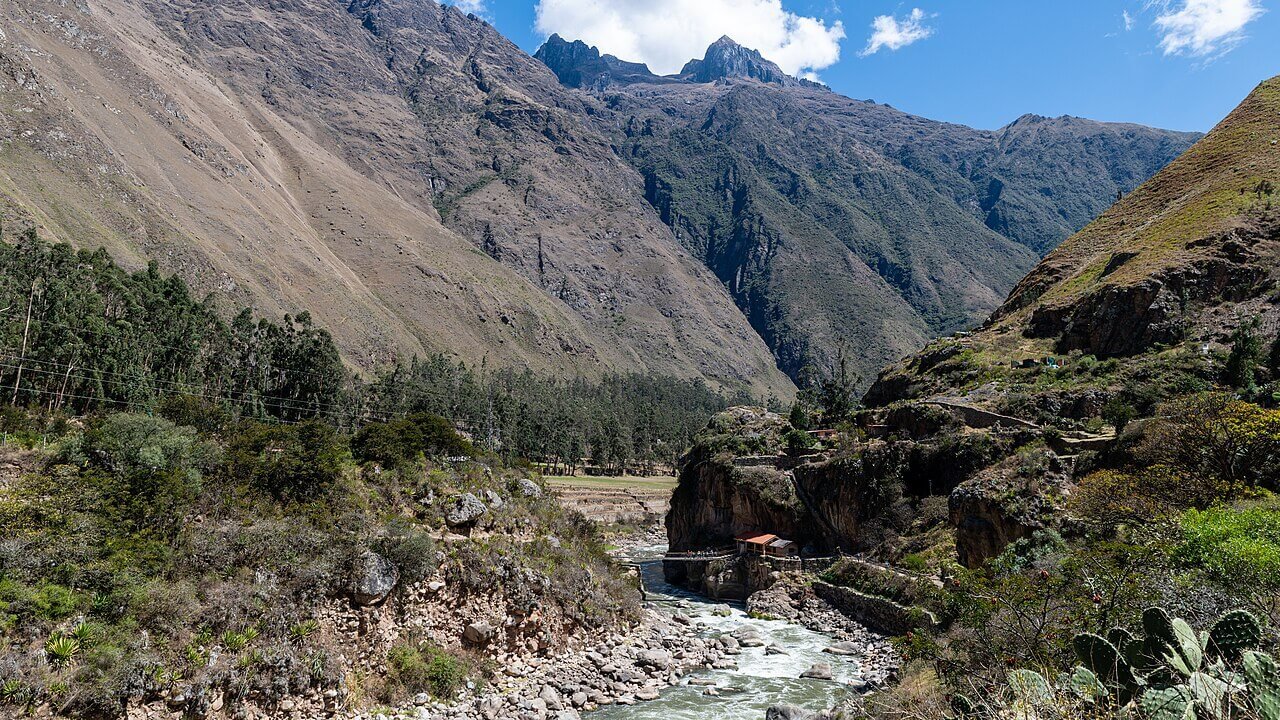
Short Inca Trail Permit covers the two-day trek from Kilometer 104 to Machu Picchu with access to key archaeological sites along the final section of the Inca Trail. Short Inca Trail Permit pricing falls within a lower range compared to the full trek because the route involves fewer camping nights, reduced porter support, and limited logistics. The short Inca Trail Permit tours cost align with travelers seeking a condensed experience that includes official trail access, licensed guides, and regulated entry into protected ruins.
Inca Trail 4 Days Permit
Inca Trail 4 Days Permit applies to the classic four-day route covering the full trail network from Kilometer 82 to Machu Picchu. Inca Trail 4 Days Permit pricing reflects government access fees, mandatory guide services, porter allocations, campsite usage, and archaeological conservation charges. The Inca Trail 4 Days Permit tours remain the most regulated option due to extended exposure to sensitive ecosystems and historical stonework across multiple zones.
Private Inca Trail Tours Permit
Private Inca Trail Tours Permit refers to permits allocated to groups booking exclusive guide and porter teams without shared participants. Private Inca Trail Tours Permit pricing increases due to dedicated staffing, customized pacing, and private camping arrangements under the same government quota system. The Private Inca Trail Tours Permit tour follows identical preservation rules while offering controlled group movement and personalized logistics.
Luxury Inca Trail Tours Permit
Luxury Inca Trail Tours Permit represents the highest permit-related cost tier due to premium camping equipment, improved porter ratios, private chefs, upgraded meals, and added comfort services throughout the trail. The Luxury Inca Trail Tours Permit tour pricing includes the same government-issued permit but reflects elevated service standards that operate within strict conservation and cultural protection guidelines enforced by Peruvian authorities.
Routes that require an Inca Trail Permit are listed below.
- The Classic Route: The 4-day path from Piscacucho to the Sun Gate requires a
full permit. - The 2-Day Route: Hikers starting at Kilometer 104 need a specific short trail
authorization. - The Salkantay Connection: Trekkers joining the main trail at Wayllabamba must
have a valid permit.
An Inca Trail permit for Machu Picchu includes access to the protected path and designated mountain
campsites. Trekkers receive entrance to various archaeological sites along the way (Runkurakay and
Sayacmarca). The document provides a standard entry ticket to the main citadel upon arrival.
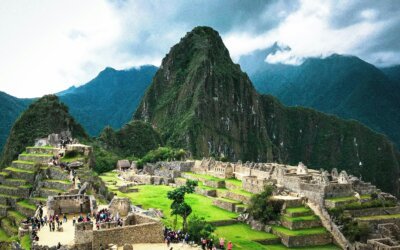
Successful hikers enjoy the legendary finish of the Inca Trail to Machu Picchu.
An Inca Trail permit connects to Machu Picchu entry tickets by serving as a comprehensive admission
document. The government system automatically links the hiking permit with a specific circuit in the
ruins. Travelers do not need to purchase a separate entrance fee for the final day. Integrated
tickets ensure a seamless transition from the mountain path to the archaeological site.
0 Comments