
Luxury Inca Trail Tours are premium trekking experiences that include guided hiking on the historic Inca Trail with high-end services, comfort-focused amenities, and personalized support. Professional guides, fine meals, porter support, modern camping gear, and smooth transportation from Cusco to Machu Picchu are all included in luxury Inca Trail Tours.
Luxury Inca Trail Tours concentrated on comfort without compromising authenticity. Travelers follow the same ancient stone paths used by the Incas while accepting services (private transfers, spacious tents, quality sleeping systems, and curated itineraries). Tours regularly limit group size to promote privacy, safety, and pacing.
Luxury Inca Trail Tours vary from standard treks through service level and attention to detail. Premium operators offer experienced English-speaking guides, trained porters, and chefs who set up multi-course meals using fresh local ingredients. Campsites provide dining tents, proper seating, and hygiene facilities to improve trekking conditions.
Luxury Inca Trail Tours provide exclusive access benefits in many itineraries. Many packages guarantee early permits, scenic campsite selection, and priority scheduling for Machu Picchu entry. Some itineraries add boutique hotel stays in Cusco or Aguas Calientes to extend comfort before and after Inca Trail Tours and Machu Picchu Hikes.
Luxury Inca Trail Tours are attractive to travelers seeking cultural immersion with higher standards. The combination of history, natural scenery, and refined service builds a balanced experience suited for travelers who value adventure and comfort during Inca Trail Tours and Machu Picchu Hikes.
For travelers seeking an elevated experience, the Luxury Inca Trail Tour combines adventure with comfort and exclusivity. Enjoy spacious luxury campsites, gourmet meals, and premium amenities while trekking along the historic Inca Trail. This tour provides a carefully curated itinerary that balances challenging hikes with restful accommodations, allowing you to fully appreciate the stunning landscapes, ancient ruins, and rich cultural heritage of the Andes. With expert guides, personalized service, and smaller group sizes, the Luxury Inca Trail Tour ensures a memorable and seamless journey.
Luxury Guided Trek
4 Days / 3 Nights
Cusco, Peru
Trekking, Sightseeing, Cultural Exploration
Small (up to 8 people)
Luxury, Adventure, Culture
Challenging
Luxury Campsites / Private Tents
43 km (26 miles)
3 Breakfasts, 3 Lunches, 3 Dinners (gourmet)
The Luxury Inca Trail to Machu Picchu is a private, high-end trekking experience along the historic Inca Trail, combining archaeological immersion with premium comfort and dedicated service. The luxury Inca Trail delivers the same UNESCO-protected route used by ancient Andean civilizations while elevating logistics, accommodation, and guidance to an elite standard. The luxury Inca Trail stands apart through controlled group size, refined camp design, and meticulous operational planning. Personalized pacing defines the luxury Inca Trail, allowing rest intervals aligned with altitude adaptation and terrain demands. A licensed private guide manages interpretation, safety, and daily progress. High-end support staff handle camp setup, dining service, and equipment transport. Glamping-style tents feature raised beds, thermal insulation, private toilets, and refined dining shelters, reinforcing the premium positioning of the luxury Inca Trail.
The key facts for the Luxury Inca Trail hike are listed below.
- Hiking Distance: 42 kilometers of stone paths, mountain passes, and cloud forest segments define the full length of the luxury Inca Trail. The distance covers original Inca road systems for ceremonial and administrative travel, offering continuous archaeological exposure throughout the route.
- Elevation Gain: 1,200 meters of cumulative ascent occur across multiple mountain passes. The highest point reached is Dead Woman Pass at around 4,215 meters above sea level, requiring altitude acclimatization and controlled pacing that characterizes the luxury Inca Trail experience.
- Duration: Four days and three nights allow gradual elevation adjustment, extended site interpretation, and reduced physical strain. The itinerary structure supports comfort-focused trekking without compressing daily distances.
- Difficulty Level: Moderate to challenging terrain includes steep stone staircases, uneven surfaces, and sustained uphill sections. Physical demand increases at high altitude, though professional support and pacing strategies mitigate fatigue.
- Trail Type: Point-to-point mountain trail beginning in the Sacred Valley and concluding at Machu Picchu. The route does not loop back, reinforcing the sense of progression toward the final archaeological destination.
- Starting Point: Kilometer 82 near Ollantaytambo serves as the official trailhead. Controlled entry ensures permit verification and ranger oversight before access to protected trail sections.
- Ending Point: Machu Picchu Sun Gate Inti Punku marks the ceremonial entrance to the citadel. Arrival occurs during early morning hours, providing panoramic views of Machu Picchu from an elevated vantage point.
- Nearest City: Cusco functions as the primary logistical hub for transportation, acclimatization, and permit processing. Historical significance and altitude make Cusco a critical preparation center.
Drive Time from Cusco 1.5 to 2 hours of road travel connect Cusco to the trailhead area. The drive passes through the Sacred Valley, facilitating access to lower elevation terrain before ascent begins.
The Classic Inca Trail Hike to Machu Picchu is a four-day guided trek that follows the original stone pathways built by the Inca civilization, culminating at Machu Picchu through the iconic Sun Gate (Inti Punku). Renowned as the most famous and historically significant route to the citadel, this trek combines cultural heritage, natural beauty, and challenging adventure.
Along the trail, trekkers traverse ancient Inca paths, steep stone staircases, and high mountain passes, passing through cloud forests and visiting well-preserved archaeological sites. Hikers walk on original cobblestone trails and explore ruins such as Llactapata, Runkurakay, Sayacmarca, and Phuyupatamarca, showcasing the Inca’s advanced engineering and ceremonial design. The dense cloud forest sections are rich in biodiversity, featuring orchids, moss-covered trees, and diverse wildlife, adding ecological value to the journey.
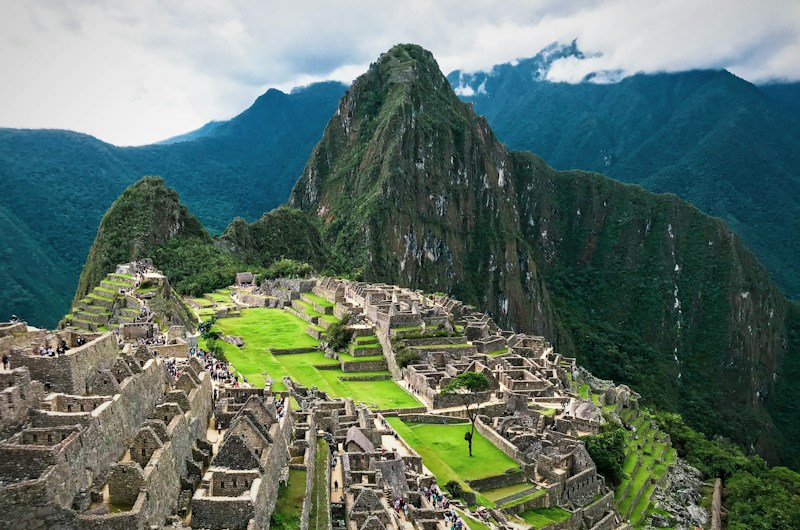
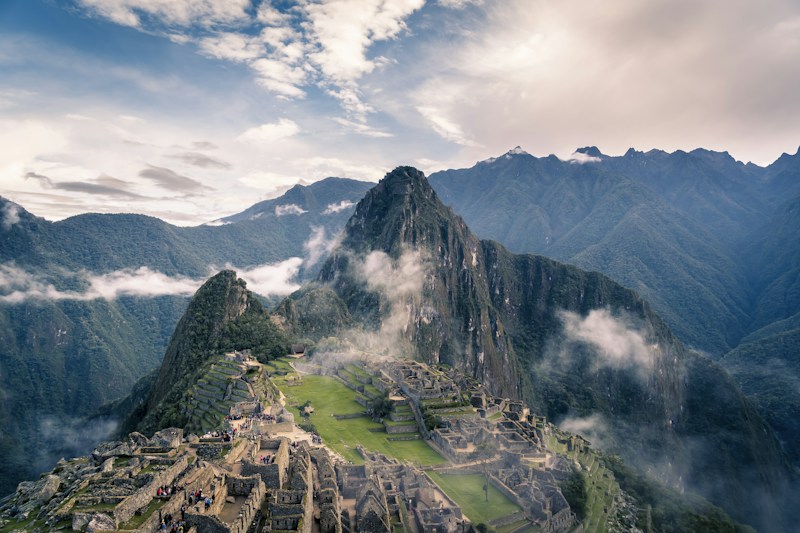
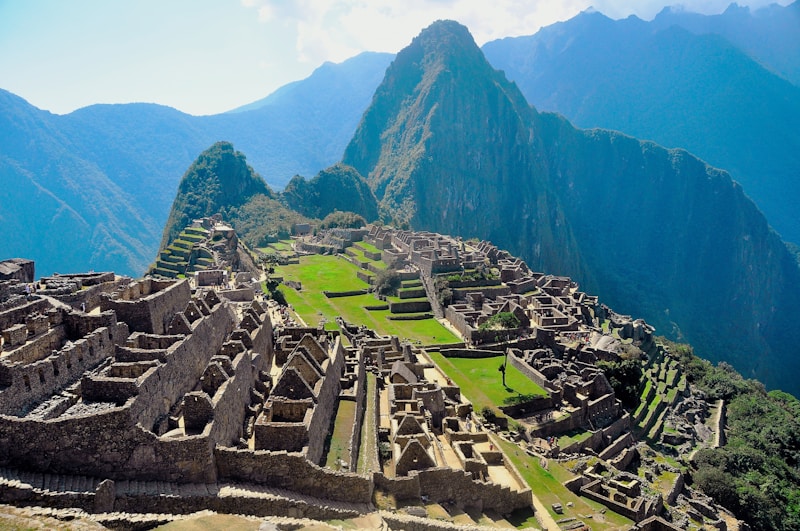
The Classic Inca Trail is unique in that it reaches Machu Picchu through the Sun Gate (Inti Punku), which served as the ceremonial entrance during the Inca era. From this vantage point, trekkers are rewarded with a breathtaking panoramic view of Machu Picchu from above—a perspective that sets this trek apart from alternative routes that arrive at the site from below or by road.
Key Facts about the Classic Inca Trail Hike to Machu Picchu are listed below.
- Hiking Distance: 26 miles or 42 kilometers covers the full length of the Classic Inca Trail Hike to Machu Picchu. The route traces original Inca stone pathways that link ceremonial centers, agricultural terraces, and mountain passes. Daily distances fluctuate, balancing long ascents with gradual downhill segments.
- Duration: Four days and three nights structure the Classic Inca Trail to Machu Picchu itinerary. The timeline reflects altitude adjustment, archaeological interpretation, and controlled physical output. Overnight campsites stay fixed and regulated by national authorities.
- Difficulty: Moderate to challenging effort marks the Classic Inca Trail Hike to Machu Picchu due to steep staircases, uneven stone surfaces, and high elevation conditions. Physical demand rises near mountain passes, particularly during sustained ascents.
- Trail Type: Point-to-point trail beginning in the Sacred Valley and concluding at Machu Picchu. The linear route implies a continuous progression toward the final citadel without route repetition.
For the preservation of cultural heritage and trail conditions, the Classic Inca Trail Hike to Machu Picchu will continue to be permit-controlled. Limited daily access guarantees the route’s integrity and reinforces its status as the most iconic way to experience the Inca Trail to Machu Picchu.
The Luxury Inca Trail Trek matters because it preserves and interprets a sacred imperial pathway while delivering an elevated approach to one of the most significant cultural landscapes in South America. The Luxury Inca Trail Trek holds historical, cultural, and spiritual value through direct continuity with the original Camino Inca routes that once linked the Andean highlands to Machu Picchu, reinforcing the living legacy of the Inca civilization.
Historical importance emerges from the trail’s role as an engineered stone network built for pilgrimage, governance, and ritual movement toward Machu Picchu. Cultural meaning appears through preserved terraces, ceremonial stairways, and administrative ruins that reflect Inca social order and cosmology. Spiritual significance arises from alignment with sacred sites, including Intipata, Wiñay Wayna, and the Sun Gate, locations associated with solar worship, mountain deities, and ritual purification. UNESCO protection safeguards the corridor, limiting access and enforcing conservation standards that maintain archaeological integrity while supporting responsible tourism.
The Luxury Inca Trail Trek represents the ultimate Machu Picchu luxury trek experience through controlled access, expert interpretation, refined accommodations, and curated logistics that respect heritage protection. Elevated service improves comprehension of sacred geography rather than distracting from it, creating a high-value journey that combines conservation, education, and comfort within a protected world heritage landscape.
Choose a Luxury Inca Trail Tour for privileged access, personalized service, and deeper interpretation beyond standard Machu Picchu treks. Controlled entry points, professional guides, and refined logistics enhance the trekking experience without compromising the Inca Trail’s archaeological integrity.
The exclusive Sun Gate entry offers a ceremonial approach used by the Inca elite, preserving historical continuity and aligning with sacred viewpoints protected under UNESCO guidelines.
Luxury tours provide a private licensed guide, trained porters, and a dedicated cook, ensuring comfort, high-altitude support, and academically grounded explanations of Inca engineering, cosmology, and politics.
Flexible pacing, premium campsites, upgraded gear, and curated meals improve acclimatization, recovery, and endurance over multiple days.
With enhanced cultural interpretation, safety oversight, and luxury amenities, a Luxury Inca Trail Tour delivers the most comprehensive, secure, and refined route to Machu Picchu along the original Inca Trail.
Luxury Inca Trail Tour pricing reflects permit limitations, heritage protection, and elevated service standards. Luxury Inca Trail Tour pricing exceeds Classic Inca Trail rates due to restricted daily permits issued by Peruvian authorities, mandatory licensed staffing, and regulated campsite access managed under United Nations Educational, Scientific and Cultural Organization(UNESCO) conservation frameworks.
Classic Inca Trail pricing covers basic permits, shared guides, standard porter support, and fixed campsites with essential equipment. Luxury Inca Trail Tour pricing expands inclusions through glamping-style accommodations, private licensed guides, exclusive porter teams, and a dedicated cook delivering curated meals at altitude. Permit costs remain identical across categories, while luxury structures increase logistical investment and staffing ratios.
Deluxe 5 Day Inca Trail Glamping Experience delivers a premium trekking journey designed for travelers seeking comfort, privacy, and cultural depth. The Luxury Inca Trail represents an elevated version of the Classic Inca Trail that integrates refined camping infrastructure and dedicated expedition support. The Luxury Inca Trail emphasizes controlled pacing, professional guidance, and high-quality field operations across protected archaeological terrain. Luxury Inca Trail combines the historic Inca Trail route with glamping camps positioned at regulated campsites. Spacious tents, elevated sleeping systems, and private dining arrangements define nightly accommodations. Route interpretation focuses on Inca engineering, ceremonial sites, and high-altitude ecosystems.
Price: $4,950 per person
Good for: Ideal for 2 to 6 persons
Features:
- Glamping tents equipped with raised beds, thermal liners, and private toilet facilities
- Licensed private guide assigned exclusively to the group
- Professional porter team managing camp setup, equipment transport, and site logistics
- Chef prepared meals using fresh regional ingredients adapted for high altitude conditions
Learn More about Deluxe 5-Day Inca Trail Glamping Experience
Gold 5 Day Inca Trail Glamping Experience delivers a premium trekking product designed for comfort focused exploration of the historic route to Machu Picchu. The Luxury Inca Trail represents an upgraded Classic Inca Trail format built around privacy, refined camp infrastructure, and dedicated operational staff. The Luxury Inca Trail maintains the original archaeological corridor while elevating accommodation, dining, and guiding standards. Luxury Inca Trail integrates the Classic Inca Trail route with structured glamping camps positioned at authorized sites. Luxury Inca Trail emphasizes controlled daily distances, professional interpretation of Inca sites, and improved rest conditions at high altitude. Premium field operations support consistent comfort across varied terrain.
Price: $5,450 per person
Good for: Small groups (2-5 persons recommended for maximum comfort)
Features:
- Glamping tents featuring raised beds, insulated interiors, and private toilet access
- Licensed private guide dedicated to a single group
- Professional porter team responsible for equipment transport, camp assembly, and breakdown
- Chef prepared meals designed for sustained energy and altitude conditions
Learn More About Gold 5-Day Inca Trail Glamping Experience
Semi Luxury 5 Day Inca Trail Glamping Experience offers an upgraded trekking format that balances comfort, privacy, and operational efficiency along the historic route to Machu Picchu. The Luxury Inca Trail defines a refined approach to the Classic Inca Trail through improved camping systems and dedicated staff. The Luxury Inca Trail maintains archaeological integrity while elevating rest conditions and service delivery. Luxury Inca Trail integrates the Classic Inca Trail route with streamlined glamping camps located at authorized sites. Luxury Inca Trail prioritizes stable pacing, professional site interpretation, and improved overnight recovery through improved shelter design. Field operations emphasize efficiency and environmental compliance across high-altitude terrain.
Price: $ 3,950 per person
Good for: Families (2-8 people )
Features:
- Glamping tents with raised sleeping systems and insulated interiors
- Licensed private guide assigned exclusively to the group
- Professional porter team managing camp setup, equipment transport, and site logistics
- Structured meal service prepared on route for sustained energy output
Learn More about Semi-Luxury 5-Day Inca Trail Glamping Experience
The things that are included in a Luxury Inca Trail Tour are listed below.
- Inca Trail permits: Official government-issued access permits required for entry to the regulated Camino Inca corridor, issued under daily quota systems managed by Peruvian authorities and UNESCO-protected site regulations.
- Private professional licensed guide: Certified guide with formal authorization and advanced training in Andean history, archaeology, and high altitude risk management, assigned exclusively to a single group.
- Private porters and cook: Dedicated support staff responsible for equipment transport, campsite setup, and meal preparation, operating under regulated porter welfare standards.
- High-quality camping or glamping equipment: Premium tents, raised sleeping systems, insulated bedding, private dining shelters, and upgraded sanitary facilities designed for comfort and environmental protection.
- All meals during the trek: Structured meal service covering breakfast, lunch, dinner, and snacks, prepared with fresh ingredients and adapted for altitude performance and recovery.
- Machu Picchu guided tour: Professionally led interpretation of Machu Picchu focusing on urban planning, ritual architecture, and imperial function within the Inca state.
- Train ticket from Aguas Calientes: Reserved return rail transport connecting Aguas Calientes with regional rail hubs following the Machu Picchu visit.
- Bus ticket to Machu Picchu: Official shuttle transport between Aguas Calientes and the Machu Picchu citadel entrance, included for logistical continuity and site access control.
The things that are not included in a Luxury Inca Trail Tour are listed below.
- Sleeping bag: Personal sleeping bag required unless an upgraded thermal sleeping bag package forms part of the selected service level.
- Trekking poles: Hiking poles are treated as personal equipment and not included within standard porter allocations.
- Tips for porters and guides: Gratuities are designated as discretionary expenses reflecting service quality and group preference.
- Huayna Picchu or Machu Picchu Mountain tickets: Separate entrance permits subject to limited availability and independent booking regulations enforced by site authorities.
- Personal expenses: Individual costs covering souvenirs, beverages outside meal plans, travel insurance, and incidental purchases.
The Luxury Inca Trail Itinerary follows a structured day-by-day progression that balances archaeological immersion with physiological adaptation to altitude. The Luxury Inca Trail Itinerary organizes early stages at lower elevations, mid route segments with moderate distance, and final approach days aligned with acclimatization principles documented in high altitude trekking research, reflecting operational standards maintained by the best Inca Trail tour companies. Progressive elevation gain and flexible pacing define luxury and private formats, supporting reduced fatigue accumulation and improved recovery across consecutive trekking days. Curated schedules, extended rest intervals, and adaptive departure timing strengthen altitude tolerance while preserving cultural interpretation across ceremonial sites, imperial road networks, and protected heritage zones.
Luxury Inca Trail Day 1 establishes acclimatization and route orientation through a controlled introduction to the Camino Inca corridor. Luxury Inca Trail Day 1 prioritizes measured travel, moderate hiking demands, and extended rest intervals that support altitude adaptation while maintaining archaeological engagement under operational standards maintained by inca trail tour.
- Flexible start time: Departure window adjusted to group readiness and road conditions, supporting reduced early fatigue and smoother transition from Cusco elevation.
- Travel time from Cusco: Ground transfer averaging three hours through the Sacred Valley corridor to the official trailhead.
- Average hiking time: Walking duration ranging between four and five hours, structured with guided pauses and interpretation stops.
- Distance: Trek length of approximately twelve kilometers along stone-paved sections and gradual inclines.
- Difficulty level: Moderate classification reflecting balanced terrain, maintained trails, and managed elevation exposure.
- Elevation gain: Ascent of roughly four hundred meters, designed to support physiological adaptation during initial exposure to altitude.
- Meals included: Lunch and dinner prepared by a private cook using fresh regional ingredients suitable for high altitude activity.
- Private glamping accommodation: Premium tented camp featuring raised beds, insulated sleeping systems, and private dining shelter within regulated campsite zones.
- Sites visited: Llactapata, an early Inca settlement featuring agricultural terraces and ceremonial foundations overlooking the Urubamba Valley.
- Flexible start time: Between 6:00 AM and 8:00 AM, allowing trekkers to begin the day at their own pace for a comfortable start.
- Hiking time: 6 to 7 hours, covering more challenging terrain as trekkers ascend to higher elevations.
- Distance: Around 12 kilometers (7.5 miles), with a focus on steady progress through more strenuous sections.
- Difficulty level: Challenging, due to the steep ascent to Dead Woman’s Pass, requiring determination and good physical preparation.
- Elevation at Dead Woman’s Pass: 4,200 meters (13,780 feet), the highest point on the trail, offering a rewarding yet demanding climb.
- Meals included: Lunch and dinner provided, featuring fresh, locally sourced ingredients to sustain energy for the long hike.
- Private campsite: Enjoy a private, comfortable campsite with premium tents, sleeping bags, and mats for a restful night before continuing the trek.
- Why private pacing improves summit success: The ability to adjust the pace ensures proper acclimatization, reduces fatigue, and improves the chances of successfully reaching Dead Woman’s Pass while keeping the experience enjoyable and safe.
- Start time: Flexible, between 6:00 AM and 8:00 AM, allowing trekkers to begin at their own pace for a comfortable start.
- Hiking time: Approximately 6 to 7 hours, covering a distance of 10 to 12 kilometers (6.2 to 7.5 miles), with a moderate difficulty level.
- Difficulty level: Moderate, featuring a mix of gradual climbs and descents, offering a less strenuous day compared to Day 2.
- Meals included: Lunch and dinner, made from fresh, locally sourced ingredients to keep energy levels up during the hike.
- Private campsite: Enjoy a private, comfortable campsite equipped with premium tents, sleeping bags, and mats to ensure rest and comfort after a full day of hiking.
- Sites visited: Phuyupatamarca and Wiñay Wayna.
- Early start time: The day begins around 4:30 AM, to ensure trekkers reach Sun Gate (Inti Punku) for a sunrise view of Machu Picchu.
- Sun Gate (Inti Punku) arrival: Trekkers arrive at the Sun Gate for their first glimpse of Machu Picchu.
- Distance: 6 kilometers (3.7 miles) from the campsite to Machu Picchu.
- Difficulty level: Easy, with a relatively gentle descent toward Machu Picchu.
- Meals included: Breakfast is provided at the campsite.
- Private Machu Picchu guided tour: A private guided tour of the ruins is included.
- Return travel to Cusco: Bus to Aguas Calientes followed by a train ride back to Cusco.
- Early start time: The day begins around 4:30 AM, to ensure trekkers reach Sun Gate (Inti Punku) for a sunrise view of Machu Picchu.
- Sun Gate (Inti Punku) arrival: Trekkers arrive at the Sun Gate for their first glimpse of Machu Picchu.
- Distance: 6 kilometers (3.7 miles) from the campsite to Machu Picchu.
- Difficulty level: Easy, with a relatively gentle descent toward Machu Picchu.
- Meals included: Breakfast is provided at the campsite.
- Private Machu Picchu guided tour: A private guided tour of the ruins is included.
- Return travel to Cusco: Bus to Aguas Calientes followed by a train ride back to Cusco.
- Llactapata: Early administrative and agricultural complex positioned above the Urubamba Valley, featuring terraces and stone foundations linked to food production and route control.
- Runkurakay: Circular way station interpreted as a tambo structure, positioned near a mountain pass and associated with rest, surveillance, and ritual transition.
- Sayacmarca: Elevated ceremonial settlement characterized by defensive walls, narrow corridors, and panoramic viewpoints reflecting strategic and symbolic placement.
- Phuyupatamarca: High altitude ceremonial center known for finely carved fountains, ritual platforms, and alignment with cloud forest ecosystems.
- Wiñay Wayna: Extensive terraced complex combining residential zones, agricultural infrastructure, and ceremonial spaces that demonstrate advanced hydraulic engineering.
- Machu Picchu: Imperial sanctuary representing the culmination of the stone stairways, reinforcing effective.
- Carry a daypack: Bring a comfortable backpack to hold your essentials, including layers, snacks, and personal items.
- Bring a water system: Use a hydration bladder or water bottles to stay hydrated throughout the trek.
- Apply sun protection: Pack sunscreen, sunglasses, and a wide-brimmed hat to protect against high-altitude sun exposure.
- Carry personal medication: Include any prescription medications, altitude sickness remedies, and basic first-aid supplies.
- Pack snacks: Bring energy bars, nuts, or dried fruit to maintain energy between meals. For a complete guide, see our full Inca Trail Packing List.
- Carry your original passport: Bring your valid passport, as it is required for trail permits, train tickets, and official identification during the trek.
- Secure Inca Trail permits: Ensure that your licensed tour operator has obtained the official Inca Trail permits in your name, as access is strictly limited.
- Bring Machu Picchu tickets: Have your entry tickets for Machu Picchu ready, usually provided by your tour operator, to access the site on the final day of the trek.
- Pack layered clothing: Bring moisture-wicking base layers, breathable mid-layers, and a lightweight outer layer to adjust to varying temperatures throughout the day.
- Carry rain gear: Include a waterproof jacket and pants to stay dry during sudden showers common in the Andes.
- Wear hiking boots: Use sturdy, broken-in hiking boots with good ankle support for uneven trail terrain.
- Physical training: Build endurance and strength through regular cardio, hiking with a loaded backpack, and leg-focused exercises to handle long days of trekking.
- Altitude acclimatization: Gradually adjust to higher elevations by arriving in Cusco or the Sacred Valley a few days early, staying hydrated, and taking short practice hikes.
- Equipment and glamping readiness: Pack layered clothing, rain gear, sturdy hiking boots, and any personal items needed for comfort in luxury camps. Ensure your gear aligns with the services provided on a luxury trek. For more detailed tips on preparing for your adventure, see our guide on Inca Trail Preparation.
Gradual training builds cardiovascular capacity and lower-body strength through progressive increases in walking duration, incline exposure, and stair-based movement patterns. Training emphasis remains consistent across several weeks to develop tolerance for prolonged ascents and controlled descents under load, reflecting the terrain profile of the Luxury Inca Trail.
Hiking practice reinforces technical readiness through repeated walks on uneven ground, stone steps, and long-distance trails while carrying a packed day load. Repetition improves balance, stride efficiency, and muscular resilience required for continuous trekking days on the Luxury Inca Trail.
Altitude adaptation strategies rely on staged exposure to moderate elevations before reaching high mountain passes. Planned acclimatization periods support oxygen utilization efficiency, heart rate regulation, and recovery capacity during extended trekking at elevation. Evidence references include Andean trekking physiology studies published by high altitude research institutes and field data reported by licensed Inca Trail operators.
- Build cardiovascular endurance: Perform steady-state aerobic activities to improve heart and lung efficiency, supporting extended hiking days at high elevation.
- Climb stairs: Repeat stair-based workouts to replicate stone step ascents and descents encountered along the trail.
- Hike long distances: Gradually increase endurance hikes on uneven terrain to strengthen lower body stability, pacing control, and muscular resilience across consecutive days, reinforcing effective training for the Inca Trail.
Evidence from guided trekking programs and mountain physiology studies indicates that beginner participants perform effectively when training includes steady cardiovascular conditioning, stair-based elevation work, and multi-week progression rather than intensity-focused regimens. Luxury Inca Trail Tour services reinforce beginner readiness through porter support, controlled ascent profiles, private camps, and professional monitoring, allowing consistent energy management throughout the route. Luxury Inca Trail Tour design prioritizes safety margins that align beginner capabilities with the physical demands of the Machu Picchu trail hike.
Safety at high altitudes depends on prior conditioning that supports oxygen efficiency and fatigue management during prolonged ascents and descents. Injury prevention relies on strengthened joints, muscles, and connective tissues that tolerate stone stairways and uneven terrain without breakdown. Comfort and enjoyment reach higher levels when physical readiness aligns with the refined pacing, private support staff, that define luxury Machu Picchu hiking tours, allowing full focus on cultural immersion and landscape appreciation rather than physical strain.
- Government authorization status: Licensed operators maintain uninterrupted permit access and regulatory compliance.
- Private guide structure: One guide per small group ensures pacing control and altitude monitoring for Inca Trail private tours.
- Logistics ownership: Direct control over camps, dining systems, and porter teams ensures quality consistency.
- Safety and altitude protocols: Oxygen systems, evacuation planning, and acclimatization design define premium operators.
Permit allocation operates under a national conservation quota designed to protect archaeological integrity and environmental stability. Evidence from cultural heritage management studies and protected trail capacity models confirms that centralized distribution through licensed operators ensures compliance, safety oversight, and porter welfare enforcement.
- Authorized tour operators: Licensed companies submit permit requests directly to the government-controlled reservation platform linked to passport data and fixed departure dates.
- Ministry of Culture oversight: National authorities regulate daily entry limits, route sequencing, and campsite usage across the Machu Picchu trail.
- Non-transferable permits: Permit issuance binds to traveler identity, operator license, and itinerary, with no resale or reassignment permitted.
- Luxury private tour integration: High-end operators bundle permits with private guides, premium equipment, and regulated support staff under the same legal framework governing the Machu Picchu trail.
- Choose an operator: Select a licensed tour company authorized to provide Inca Trail experiences.
- Secure permits: Ensure the operator obtains government permits, which are limited and sell out quickly.
- Reserve accommodations: Confirm private or luxury campsites, lodges, or glamping options included in the trek.
- Arrange guides: Book expert guides to provide historical insights, safety, and support along the trail.
- Confirm meals and equipment: Verify that meals, porters, and necessary equipment (tents, sleeping bags, mats) are included.
- Pay deposits and final fees: Complete all payments according to the operator’s schedule to guarantee your spot.
- Prepare documentation: Provide required personal information and identification for permits and train or bus transfers.
- Plan travel logistics: Coordinate arrival in Cusco, transfers to trailheads, and return travel from Machu Picchu.
- Government permit allocation: Mandatory trail permits issued by the Peruvian Ministry of Culture limit daily entries, which increases pricing for private and luxury access.
- Private guide and porter ratios: Luxury tours assign higher staff to guest ratios, including certified guides, assistant guides, and increased porter support for comfort and safety.
- Premium camping infrastructure: High-end operators provide larger tents, private dining shelters, portable sanitation systems, and upgraded sleeping equipment along the Machu Picchu trail.
- Gourmet culinary services: Professional trekking chefs prepare multi-course meals using fresh regional ingredients, which elevates operational costs.
- Customized logistics and pacing: Private itineraries adjust walking distances, rest periods, and campsite selections, requiring advanced coordination and added staffing.
- Seasonal demand patterns: Peak trekking months drive higher costs due to limited permit supply and increased competition for licensed personnel.
- Sustainability and porter welfare standards: Ethical labor practices, regulated porter weight limits, and fair wage compliance contribute to higher tour pricing.
Evidence from Andean trekking research and Peruvian guiding regulations confirms that gradual exposure combined with early symptom identification reduces severe altitude-related incidents. Licensed operators integrate rest days near Cusco and the Sacred Valley before trail entry, reinforcing acclimatization outcomes observed in controlled altitude studies. Dietary planning emphasizes carbohydrate-dense meals that support oxygen efficiency during exertion at elevation. Guide intervention protocols prioritize descent and stabilization at predefined thresholds, maintaining safety consistency across Inca Trail hike tours. Operational transparency linked to the Inca Trail Cost supports investment in qualified staff, medical equipment, and contingency infrastructure.
Luxury private Inca Trail trips operating under Peruvian trekking regulations maintain trained staff, emergency equipment, and communication systems throughout the route. Certified guides initiate first response care, conduct condition assessment, and activate evacuation procedures through satellite communication. Evacuation routes involve stretcher transport, mule assistance, or helicopter coordination, depending on terrain access and medical severity. Government-regulated checkpoints and ranger stations support rapid intervention across protected trail segments.
Evidence from wilderness risk management research and Andean expedition standards confirms that structured emergency planning reduces response time and medical complications at high altitude. Luxury trips to Machu Picchu integrate mandatory guide certification, oxygen access, and evacuation insurance, reinforcing safety and reliability. Luxury trips to Machu Picchu prioritize preparedness through continuous monitoring and coordination with local authorities.
Evidence from Andean trekking logistics and regulated Inca Trail operating standards confirms that five to seven hours per day represents the optimal range for completing the classic four-day route without excessive strain while preserving the experiential quality expected on luxury itineraries.
- Llactapata: An early ceremonial and administrative settlement positioned above the Urubamba River, featuring agricultural terraces and stone foundations that demonstrate early Inca land management and social organization.
- Runkurakay: A circular stone structure located near a mountain pass, interpreted as a strategic rest and control point used for monitoring movement along the trail corridor.
- Sayacmarca: A fortified hilltop settlement characterized by narrow stairways, ritual platforms, and defensive positioning that reflects Inca architectural adaptation to steep terrain.
- Phuyupatamarca: A high altitude ceremonial center known for finely carved fountains and panoramic placement above cloud layers, indicating ritual importance connected to water management and astronomy.
- Wiñay Wayna: A large terraced complex combining residential, agricultural, and ceremonial sectors, recognized as one of the most significant sites prior to the arrival at Machu Picchu.
- Inti Punku Sun Gate: A ceremonial gateway marking the traditional entrance to Machu Picchu, designed for solar alignment and symbolic arrival after completion of the 4 day inca trail to Machu Picchu.
Research on regulated access along the Camino Inca confirms that train transport remains the only authorized method for post-trek departure from the Machu Picchu zone. Luxury private operators reserve train seats in advance to align with permit schedules and group pacing, reinforcing operational reliability and traveler safety. The Camino Inca route structure requires coordination between trail exit points and rail networks to maintain conservation standards and visitor flow limits.
Evidence from Andean tourism studies and regulated trail completion data demonstrates that guided luxury formats achieve high completion rates among novice hikers due to structured progression, controlled daily effort, and professional supervision throughout the route.
- Build cardiovascular endurance: Perform steady-state aerobic exercises such as running, cycling, or swimming to strengthen heart and lung efficiency for high-altitude hiking.
- Climb stairs: Practice stair workouts to simulate stone step ascents and descents along the trail.
- Hike long distances: Gradually increase endurance hikes on uneven terrain to improve lower body stability, pacing control, and muscular resilience over consecutive days.
- Strengthen muscles: Incorporate leg and core strength training to support balance, load-bearing, and uphill climbing.
- Acclimatize to altitude: Spend time at higher elevations before the trek, or plan gradual ascents to reduce the risk of altitude sickness.
- Pack efficiently: Prepare lightweight clothing, layered gear, hiking boots, and personal items suitable for variable weather conditions.
- Test equipment: Break in hiking boots, try backpacks with loaded weight, and ensure sleeping bags and trekking poles are comfortable.
- Stay hydrated and fuel properly: Maintain proper hydration and consume nutrient-rich foods to support stamina and recovery during the trek.
- Plan rest and recovery: Include rest days before the trek to ensure your body is prepared for consecutive days of hiking.
Evidence from high altitude trekking physiology research, Inca Trail elevation data, and expedition performance studies confirms that aerobic endurance training improves oxygen efficiency at elevation, while lower body strength conditioning supports repeated ascents and controlled descents on uneven stone surfaces. Stair climbing workouts replicate the sustained step sequences found throughout the trail, reducing fatigue accumulation during multi-day treks. Extended hiking sessions on variable terrain build pacing discipline, joint stability, and muscular resilience across 5 hiking days of the trail. Planned acclimatization periods at moderate altitude support physiological adjustment before exposure to passes exceeding four thousand meters. Luxury Private Inca Trail Tours improved comfort through porter support and pacing control, yet physical preparedness remains essential due to altitude stress, cumulative exertion, and preserved archaeological route length.
Acclimatization capacity influences performance due to reduced oxygen availability at elevation. Luxury service design within holidays to Peru Inca Trail itineraries incorporates porter assistance, controlled pacing, and high-quality nutrition, yet baseline conditioning remains necessary for comfort and safety. Completion data from regulated Inca Trail operators within holidays to Peru Inca Trail programs indicate high success rates among operators meeting moderate aerobic and strength benchmarks rather than elite athletic standards.


0 Comments