

Private Inca Trail tours offer a personalized hiking experience along one of the most iconic trekking routes in the world. Private tours provide a tailored itinerary, allowing trekkers to set their own pace and enjoy more flexibility in terms of rest stops, trekking speed, and the duration of each day’s hike. The Private Inca Trail tours are ideal for trekkers seeking a more intimate and customized experience, as they are guided by experienced professionals who offer detailed insights into the trail’s history, culture, and breathtaking surroundings.
The trek takes participants through stunning landscapes, from lush cloud forests to alpine deserts, culminating in the ancient Machu Picchu site. Trekkers hike for 6-8 hours a day, crossing high-altitude passes, exploring archaeological ruins, and immersing themselves in the rich Incan heritage. Trekkers benefit from improved comfort, such as exclusive transportation options and specialized services like gourmet meals and luxury camping, depending on the tour package chosen.
The advantages of private Inca Trail tours include personalized service, flexibility, and exclusive access to guides who cater to individual needs. The type of trek allows for a slower pace, which is beneficial for trekkers concerned about physical fitness or acclimatization to the high altitudes. Private tours include all necessary permits, meals, porters, and equipment. Private Inca Trail Tours combine the adventure of Inca Trail Tours and Machu Picchu hikes, offering a unique and unforgettable journey through the heart of the Andes.
Experience the legendary Inca Trail like never before with a private tour to provide an exclusive and personalized adventure. The tailored experience offers the flexibility of a customized itinerary, ensuring every aspect of the journey aligns with specific interests and preferences. A private Inca Trail tour ensures a unique and intimate adventure, whether exploring ancient ruins, witnessing breathtaking views, or reaching the magnificent Machu Picchu. Benefit from a dedicated guide, personalized service, and a more serene trekking experience away from the crowds. Embark on a journey through history and natural beauty with the ultimate freedom to explore at your own pace. Inca Trail Booking for private tours is available to guarantee an unforgettable and customized adventure.
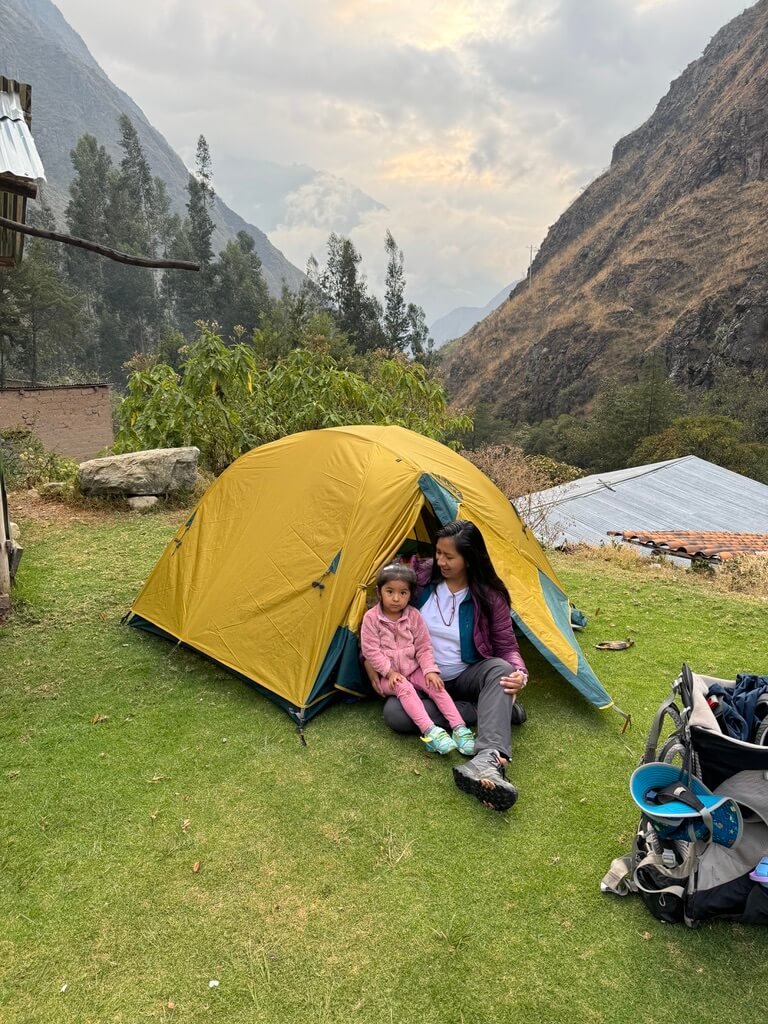
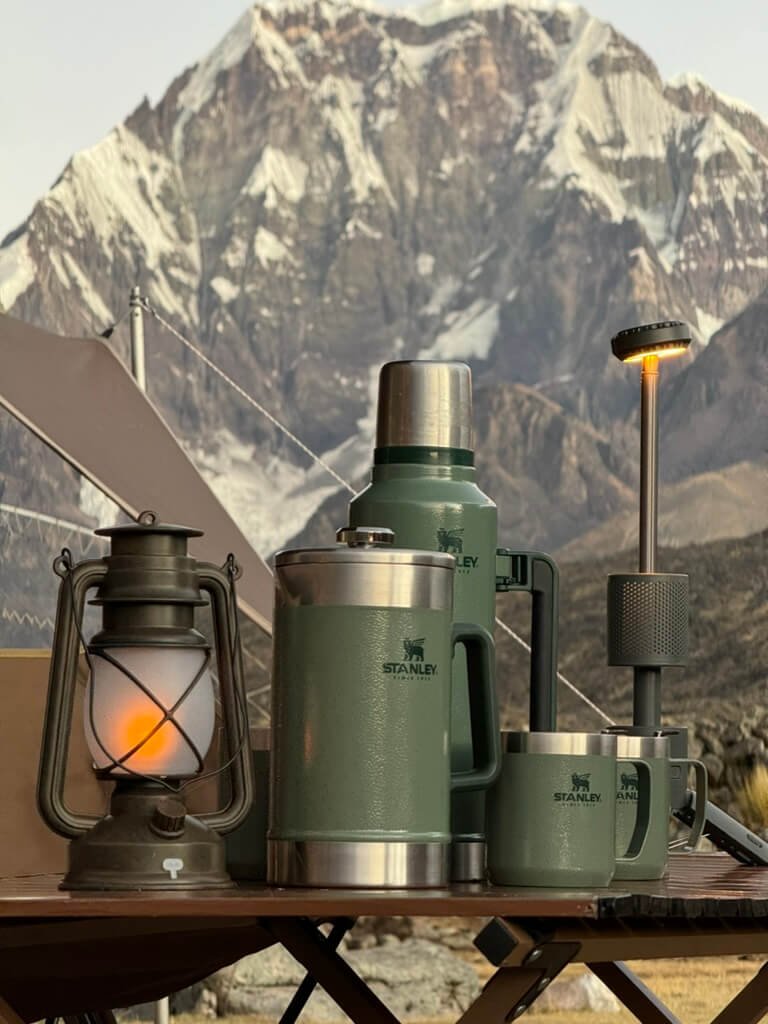
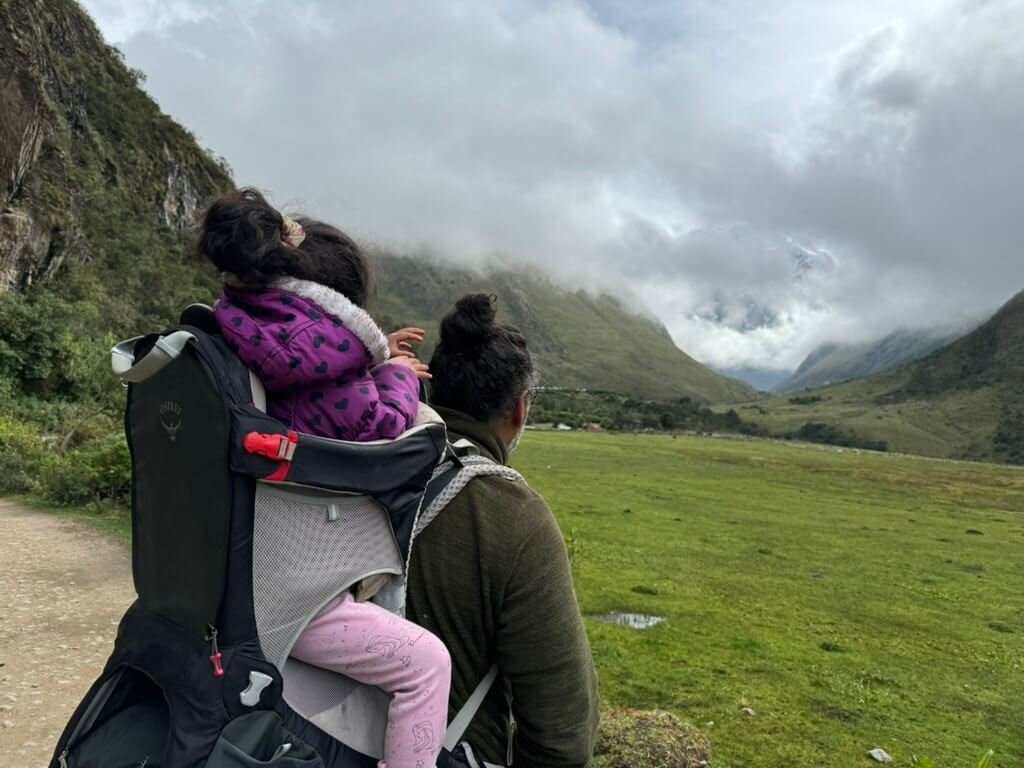
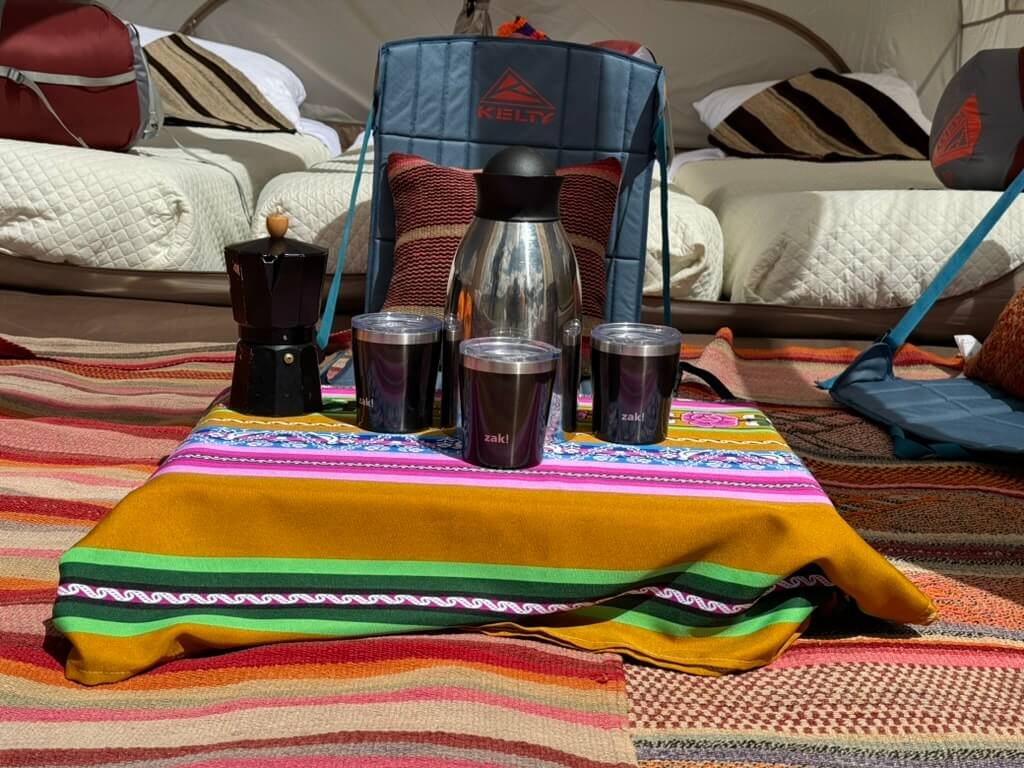
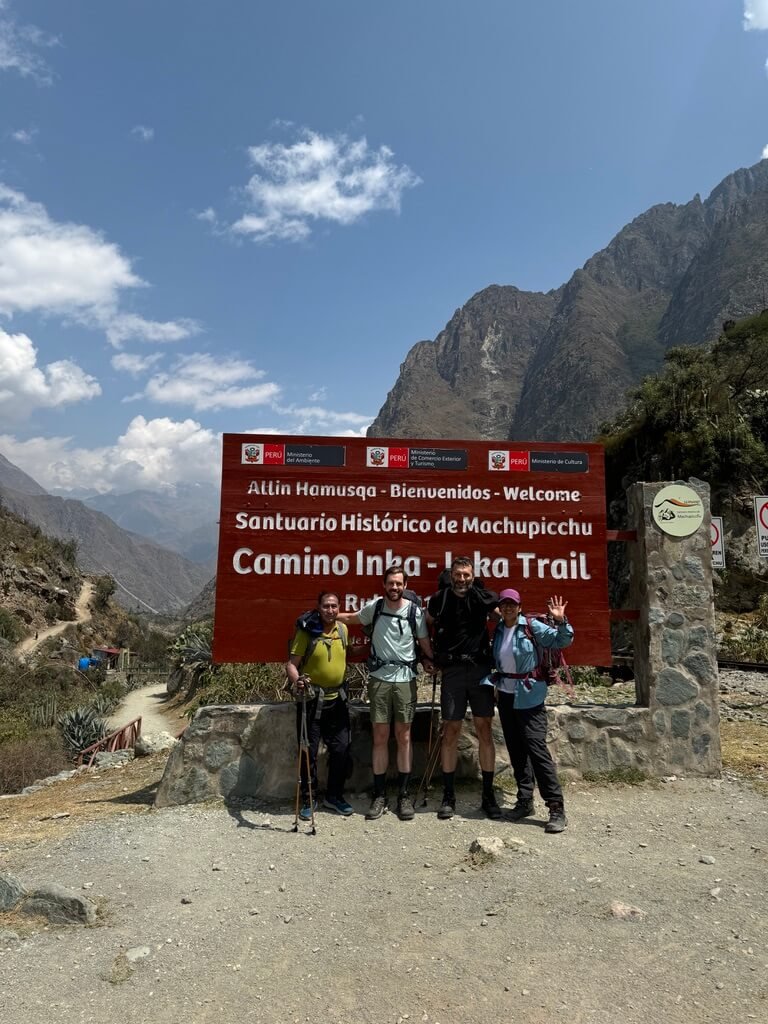
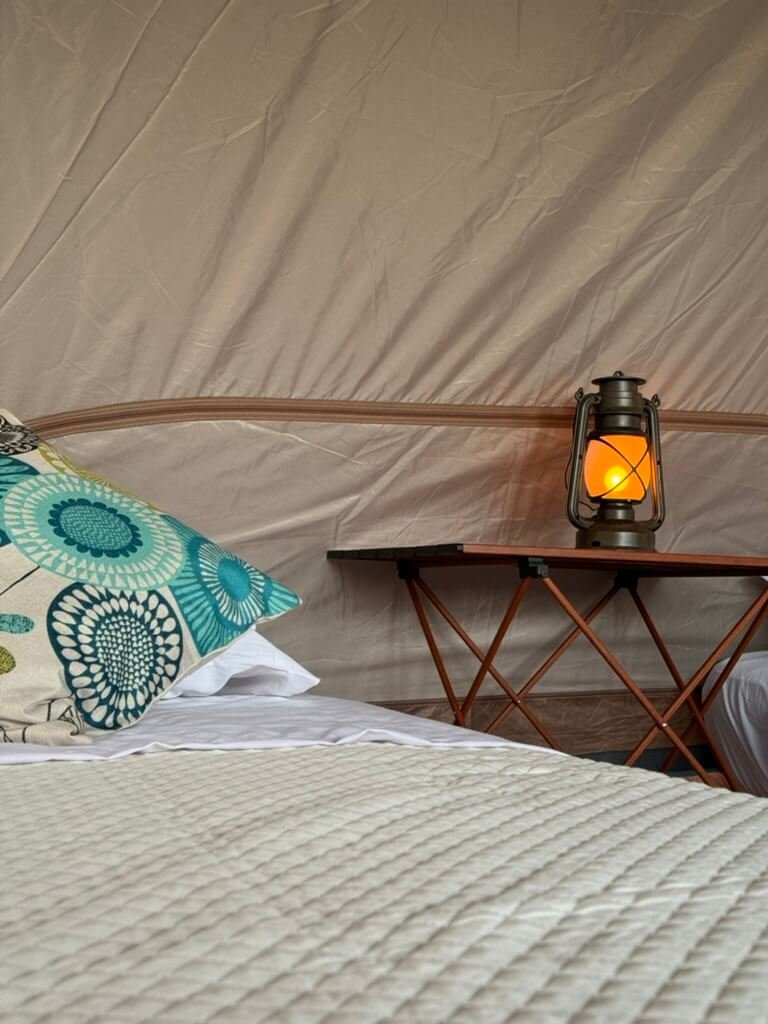
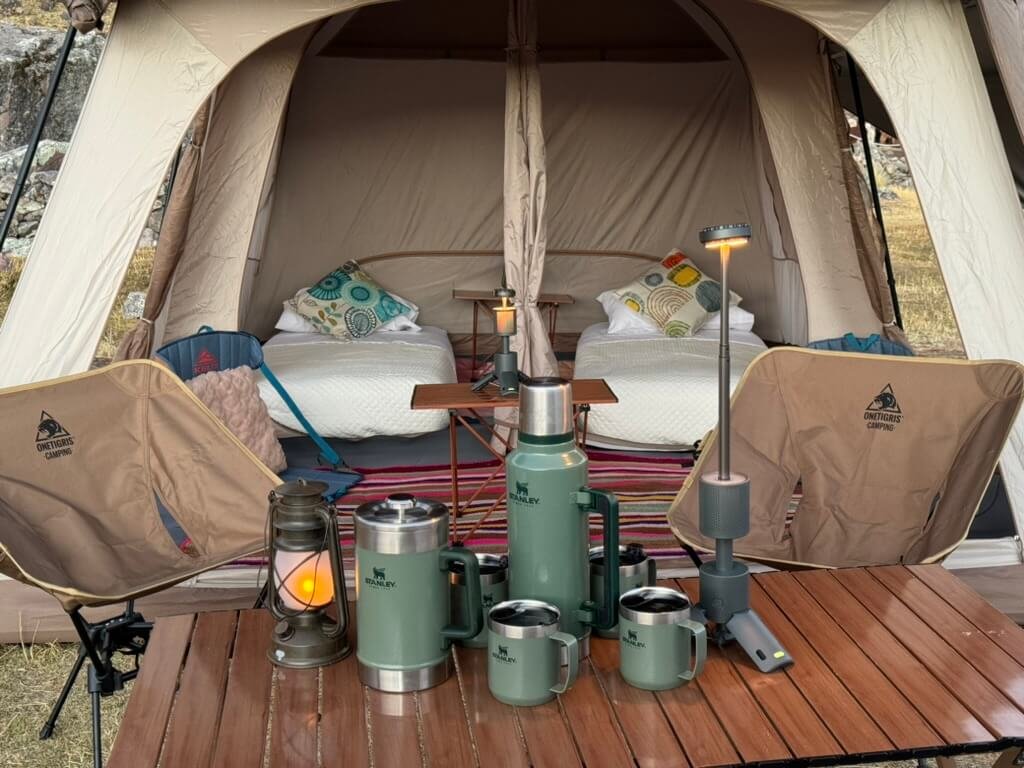
- Hiking Distance: 43 kilometers (26.7 miles). The distance is spread over several days, allowing for a gradual, enjoyable journey to Machu Picchu. The trek is divided into manageable sections, making it achievable for hikers of varying levels of fitness.
- Elevation Gain: 4,200 meters (13,780 feet) at the highest point, Dead Woman’s Pass – The significant elevation adds a challenge, but the reward is a breathtaking view and sense of accomplishment. Hikers are greeted by panoramic views of the surrounding mountains and valleys as they reach the summit.
- Duration: 4 days, with variations depending on the pace and specific itinerary. The duration allows for a balanced hiking experience with ample time to explore archaeological sites. The timeframe ensures enough rest and recovery, minimizing fatigue during the hike.
- Difficulty Level: Moderate to challenging, due to the altitude and the rugged terrain. The hike requires good physical preparation and a willingness to embrace the natural demands of the hike. The changing terrain, from steep climbs to descending paths, tests endurance and mental resilience.
- Trail Type: Classic Inca Trail, following ancient stone paths and passing historical Inca sites. The iconic trail connects trekkers with the culture and history of the Inca civilization. Trekkers explore a variety of Incan ruins, temples, and scenic viewpoints along the way.
- Starting Point: The trek begins at Km 82 on the Cusco-Machu Picchu railroad. The location is easily accessible by vehicle and marks the official starting point for the adventure. The area offers a stunning first glimpse of the Andean landscape as hikers prepare for the journey ahead.
- Ending Point: The trail culminates at Machu Picchu, one of the Seven Wonders of the World. Reaching the ancient ruins offers a once-in-a-lifetime experience and stunning panoramic views. Trekkers are rewarded with a sense of accomplishment and awe at the sight of the magnificent ruins upon arrival.
- Nearest City: Cusco, the ancient capital of the Inca Empire. Cusco is a cultural hub and gateway to the Sacred Valley and Machu Picchu. The city is rich in history, offering various attractions, accommodations, and a chance to acclimatize before the trek.
- Drive Time from Cusco: 1.5 to 2 hours by road to the starting point of the trail. The drive provides a scenic introduction to the Andean mountains and the Sacred Valley. The route takes hikers through picturesque villages, offering a glimpse of local culture and stunning landscapes.
- Hiking Distance: 43 kilometers (26.7 miles) – The distance is spread over 4 days, allowing hikers to cover manageable sections each day, ensuring a fulfilling and scenic journey.
- Duration: 4 days, allowing for a paced, immersive experience. The duration enables trekkers to fully absorb the diverse landscapes, ancient sites, and rich history along the trail.
- Difficulty: Moderate to challenging, due to elevation and rugged terrain. The altitude and varying trail conditions, including steep ascents and descents, require good physical fitness and preparation.
- Trail Type: Inca Trail, featuring ancient stone paths, stairways, and varying landscapes from high-altitude mountain passes to lush cloud forests. The trail offers a unique combination of natural beauty and archaeological wonders, making it one of the most iconic hikes in the world.
The Inca Trail is the only Machu Picchu trek that enters through the Sun Gate (Inti Punku) because the Classic Inca Trail follows the original path built by the Incas to reach the sacred site. The Sun Gate served as the ceremonial entrance to Machu Picchu, where travelers and pilgrims arrived after completing their journey through the mountains. Hikers ascend to the Sun Gate, offering a dramatic first view of Machu Picchu, illuminated by the rising sun as they approach the final stretch of the trail. The entrance holds significant historical and spiritual importance, making it a unique feature of the Classic Inca Trail that no other trekking route to Machu Picchu offers. The Inca Trail to Machu Picchu is the only trek that provides an unforgettable experience.
The Inca Trail is considered the ultimate Machu Picchu trail hike because it offers a unique combination of challenging terrain, breathtaking views, and access to some of the most well-preserved Incan ruins. Unlike other routes to Machu Picchu, the Inca Trail provides a deep, immersive experience of the Inca Empire, culminating in the awe-inspiring entrance through the Sun Gate, offering a first glimpse of the Machu Picchu ruins. The sense of accomplishment, connection to history, and spiritual significance make the Inca Trail the definitive trek for hikers seeking a meaningful and rewarding experience.
Private Inca Trail Tour Options and Pricing
Private Inca Trail Tour options and pricing vary based on customization, group size, and additional services selected. Permits for the Classic Inca Trail are regulated by the Peruvian government and sell out months in advance, so booking early is recommended. The tour price includes permits, transportation, a private licensed guide, porters, meals, and camping equipment. Pricing varies by season and service level. Private tours offer luxury camping, personalized meals, experienced guides, and flexible pacing for a more intimate trekking experience. Entrance to Machu Picchu and the return train journey to Cusco are included in the tour pricing.
Classic 4-Day Private Inca Trail Trek (Official Route)
4 Days / 3 Nights
The Classic 4-Day Private Inca Trail Trek is an exclusive, guided journey along the historic Inca Trail to Machu Picchu for small groups seeking a personalized experience. The trek follows the official route, offering stunning views, access to ancient Inca sites, and the ultimate entrance through the Sun Gate for a breathtaking first glimpse of Machu Picchu. The tour includes expert bilingual guides, all meals, high-quality accommodation, Machu Picchu tickets, and train tickets for the return trip. Customizable options allow for adjustments to the itinerary, pace, and services based on individual preferences, ensuring a comfortable and immersive adventure.
$1150 per tourist (groups of 5 or more)
$1250 per tourist (groups of 3–4)
$1350 per tourist (groups of 2–3)
Good For:
Small groups — 1 to 4 trekkers recommended for maximum comfort
- 3-Star Hotel Accommodation
- All meals included (fresh locally sourced ingredients throughout the trek)
- Machu Picchu entrance via Sun Gate and Circuit 3 guided tour
- Train tickets included (return journey from Aguas Calientes)
- Expert bilingual guide with deep knowledge of Incan culture and history
- Hiking poles provided for comfort and support on challenging terrain
Luxury / Premium 5-Day Private Inca Trail Experience
5 Days / 4 Nights
Luxury / Premium Private Inca Trail Experience is an exclusive high-end journey along the historic Inca Trail to Machu Picchu, offering the ultimate trekking adventure with added comfort and personalized service. The tour features luxurious accommodations, gourmet meals, and extra amenities while following the official route. Trekkers enjoy spectacular mountain views, access to ancient Inca archaeological sites, and the iconic entrance through the Sun Gate for the first breathtaking view of Machu Picchu. The experience includes a private licensed guide, dedicated porter team, and customized services for a stress-free and immersive adventure.
$3550 per tourist (groups of 4 or more)
$3850 per tourist (groups of 3)
$4450 per tourist (groups of 2–3)
Good For:
Small groups — 1 to 4 trekkers recommended for maximum comfort
- Luxury hotel accommodation (5-star hotels with modern amenities)
- Gourmet meals prepared by private chefs with fresh local ingredients
- Machu Picchu entrance via Sun Gate
- First-class train tickets for return journey from Aguas Calientes
- Expert bilingual guide with personalized cultural insights
- Private porters and dedicated support staff
- Premium trekking gear and hiking poles
- VIP private transportation from Cusco to trailhead and back
Family-Friendly Private Inca Trail (4 Days)
4 Days / 3 Nights
The Family-Friendly Private Inca Trail offers an exclusive guided experience designed for families seeking a comfortable and personalized adventure to Machu Picchu. The trek follows the official Inca Trail route with breathtaking views and ancient Inca sites, including the iconic entrance to Machu Picchu through the Sun Gate. The tour includes expert bilingual guides, family-friendly accommodations, all meals, hiking poles, and train tickets for the return journey. Customizable pacing ensures the trek suits all family members.
$1150 per tourist (groups of 5 or more)
$1250 per tourist (groups of 3–4)
$1350 per tourist (groups of 2–3)
Good For:
Families — 1 to 8 trekkers recommended for maximum comfort
- Family-friendly accommodation (comfortable 4-person tents)
- All meals included with nutritious locally sourced ingredients
- Machu Picchu entrance via Sun Gate
- Train tickets included for return journey from Aguas Calientes
- Expert bilingual guide specializing in family-friendly cultural interpretation
- Hiking poles adjusted for family trekking needs
Photography & Culture Private Inca Trail
Perfect for travelers passionate about photography and Andean culture.
Receive photography guidance while exploring ancient ruins, landscapes,
and cultural sites along the Inca Trail.
Photography enthusiasts & culture seekers
- Photography guidance
- Deep cultural exploration
- All meals included
- Machu Picchu entrance via Sun Gate
- Train tickets included
- Expert bilingual cultural guide
Private Short Inca Trail (2-Day Trek)
A condensed yet immersive experience for travelers with limited time.
Explore ancient sites and arrive at Machu Picchu through the Sun Gate
after a short but scenic trek.
Ideal for travelers with limited time
- Comfortable accommodation
- All meals included
- Machu Picchu entrance via Sun Gate
- Train tickets included
- Expert bilingual guide
- Hiking poles provided
Extended Inca Trail + Sacred Valley (5+ Days)
An immersive trekking journey combining the Classic Inca Trail with
Sacred Valley exploration. Visit historic towns, temples, and iconic
Inca sites before reaching Machu Picchu.
Ideal for history & culture enthusiasts
- Luxury accommodations
- All meals included
- Sacred Valley exploration
- Machu Picchu entrance via Sun Gate
- Train tickets included
- Expert cultural guide
Custom Private Inca Trail (Tailored Dates and Services)
The Custom Private Inca Trail (Tailored Dates and Services) offers a fully customizable trekking experience along the iconic Inca Trail to Machu Picchu, allowing trekkers to choose their preferred dates, pace, and services. The flexible option is ideal for hikers with specific preferences or travel requirements. Whether it’s adjusting the number of days, adding extra time at archaeological sites, or selecting a luxury camping experience, the tour is to meet individual needs. The trek includes expert bilingual guides, all meals, premium accommodations, hiking poles, and train tickets for the return journey. Customization ensures that the journey is as relaxed or adventurous as desired, with the added benefit of personalized service throughout the trek.
Small groups, hikers with specific preferences, flexible itineraries
- Tailored Dates (Choose departure dates that suit the schedule)
- Premium Accommodation (3-Star to 5-Star options, based on preference)
- All meals included (Fresh, nutritious meals catered to dietary requirements)
- Machu Picchu entrance (Exclusive access via Sun Gate)
- Train tickets included (For the return journey from Aguas Calientes)
- Expert bilingual guide (In-depth knowledge of Incan culture and history)
- Hiking poles provided (Comfort and support for challenging terrain)
- Customizable itinerary (Add extra days, change services, or explore specific areas)
- Inca Trail permits: Necessary permits for trekking the official Inca Trail route, which are required by the Peruvian government and sell out months in advance. Securing the permits in advance guarantees access to the trail and a smooth trekking experience.
- Private professional licensed guide: An expert guide with deep knowledge of Inca culture, history, and the trail, ensuring a safe and insightful journey. The guide provides personalized attention, enriching the experience with historical context and cultural insights.
- Private porters and cook: Dedicated support staff who carry the trekking gear, set up camps, and prepare delicious meals throughout the trek. It allows trekkers to focus solely on the hike, knowing their comfort and needs are taken care of.
- High-quality camping equipment: Premium tents, sleeping bags, and mats, ensuring comfort and safety during overnight stays on the trail. The equipment is specifically to withstand the elements and provide a restful environment at the campsites.
- All meals during the trek: Fresh, nutritious meals are provided for the duration of the trek, including breakfast, lunch, dinner, and snacks, tailored to the group’s dietary preferences. The meals are carefully planned to maintain energy levels and the trekking experience.
- Machu Picchu guided tour: A guided tour of Machu Picchu upon arrival, exploring the ancient Inca citadel with a knowledgeable guide. The tour includes detailed explanations of the site’s history, architecture, and significance.
- Train ticket from Aguas Calientes: Train tickets for the return journey from Aguas Calientes to the train station in Ollantaytambo or Cusco, included in the tour. The scenic train ride provides stunning views of the surrounding mountains and valley.
- Bus ticket to Machu Picchu: A bus ride from Aguas Calientes to the entrance of Machu Picchu, ensuring a smooth and easy transition to the ruins. The bus ride is quick and convenient, making it easier to reach the ancient site from the town below.
The things that are not included in a Private Inca Trail Tour are listed below.
- Sleeping bag: Sleeping bags are not provided as part of the standard tour. Trekkers are expected to bring their own or rent one from the tour operator, ensuring they have the right comfort and warmth for the trek.
- Trekking poles: Trekking poles are not included by default. They must either be brought by trekkers or rented from the operator for additional support during the trek for the steep sections of the trail.
- Tips for porters and guides: Tips for the porters and guides are not included in the price of the trek. It’s customary to tip the trekking staff for their services, and the amount depends on individual satisfaction and the level of service provided.
- Huayna Picchu or Machu Picchu Mountain tickets: Tickets for hiking Huayna Picchu or Machu Picchu Mountain are not included in the tour package. The hikes require separate permits, which must be booked in advance if desired, as they offer stunning views of the surrounding area.
- Personal expenses: Any personal items such as snacks, souvenirs, extra drinks, or items bought during the trek are not included in the price. Trekkers are responsible for covering the expenses, ensuring they manage their budget throughout the journey.
The Private Inca Trail Itinerary offers a personalized and flexible experience, allowing trekkers to enjoy the iconic trek to Machu Picchu at their own pace. The 4-day journey progresses day-by-day, with each day carefully planned to ensure ample time for hiking and exploration of Incan archaeological sites. The itinerary is flexible, allowing trekkers to adjust the daily pace based on their preferences, fitness level, and need for rest.
Private Inca Trail Day 1
Private Inca Trail Day 1 provides a comfortable introduction with a flexible start time scheduled between 6:00 AM and 8:00 AM. Travel from Cusco to the Km 82 trailhead takes 1.5 to 2 hours, passing through scenic sections of the Sacred Valley.
- Flexible Start Time: Between 6:00 AM and 8:00 AM.
- Travel Time from Cusco: 82km takes approximately 1.5 to 2 hours by private transport.
- Average Hiking Time: 4-5 hours.
- Distance: Around 11 kilometers (6.8 miles).
- Difficulty Level: Moderate.
- Elevation Gain: Around 500 meters.
- Meals Included: Lunch and dinner.
- Private Camping Accommodation: Premium tents and equipment.
- Sites Visited: Llactapata.
Day 1 Highlights
Private Inca Trail Day 2
Private Inca Trail Day 2 presents a demanding stage with a flexible start time scheduled between 6:00 AM and 8:00 AM.
- Flexible start time: Between 6:00 AM and 8:00 AM.
- Hiking time: 6 to 7 hours.
- Distance: Around 12 kilometers (7.5 miles).
- Difficulty level: Challenging.
- Elevation at Dead Woman’s Pass: 4,200 meters.
- Meals included: Lunch and dinner.
- Private campsite: Comfortable campsite.
- Why private pacing improves summit success: Better acclimatization and reduced fatigue.
Day 2 Highlights
Private Inca Trail Day 3
Private Inca Trail Day 3 offers a day of scenic hiking and exploration toward Machu Picchu.
- Start time: Flexible between 6:00 AM and 8:00 AM.
- Hiking time: 6 to 7 hours.
- Distance: 10 to 12 kilometers.
- Difficulty level: Moderate.
- Meals included: Lunch and dinner.
- Private campsite: Premium tents and mats.
- Sites visited: Phuyupatamarca and Wiñay Wayna.
Day 3 Highlights
Private Inca Trail Day 4
Private Inca Trail Day 4 is the final day featuring Sun Gate entry and a guided Machu Picchu tour.
- Early start time: Around 4:30 AM.
- Sun Gate arrival: Sunrise view of Machu Picchu.
- Distance: 6 kilometers (3.7 miles).
- Difficulty level: Easy.
- Meals included: Breakfast.
- Private Machu Picchu guided tour: Included.
- Return travel: Bus + Train to Cusco.
Day 4 Highlights
Which Sites are Visited on the Private 4-Day Inca Trail?
The sites that are visited on the Private 4-Day Inca Trail are listed below.
- Llactapata: Agricultural terraces and buildings.
- Runkurakay: Ancient checkpoint site.
- Sayacmarca: Cliffside structures.
- Phuyupatamarca: City in the Clouds.
- Wiñay Wayna: Terraced slopes.
- Machu Picchu: Final destination.
The things to pack for a Private Inca Trail Tour are listed below.
- Daypack: A lightweight backpack for carrying essential items during the day, such as water, snacks, a camera, and a jacket. It should be comfortable, with adjustable straps for ease of movement on the trail.
- Water system: A hydration system to ensure easy access to water throughout the trek, such as a water bottle or Camelbak. Staying hydrated is essential given the high-altitude conditions.
- Sun protection: High-quality sunscreen, lip balm with SPF, and a wide-brimmed hat to protect against intense sun exposure at high altitudes. Sunglasses with UV protection are recommended to shield the eyes from harmful rays.
- Personal medication: Any necessary personal medicines should be packed, such as altitude sickness medication, pain relievers, and prescriptions. Carry a small first aid kit with basics like bandages and antiseptic wipes.
- Snacks: High-energy snacks to keep energy levels up during the hike, such as granola bars, dried fruit, nuts, or trail mix. These should be lightweight and easy to carry in the daypack for quick access as part of the Inca Trail packing list.
The documents that are required for a Private Inca Trail Tour are listed below.
- Original passport: A valid passport is required for the trek. The passport number must match the details provided when booking the Inca Trail permits. It is checked upon entry to the trail and Machu Picchu.
- Inca Trail permits: Special permits are required for trekking the Inca Trail, which is regulated by the Peruvian government. The permits are issued with trekkers’ passport details and must be presented at the trailhead. Secure them well in advance, as they sell out months before the trek.
- Machu Picchu tickets: Tickets to enter Machu Picchu are required and must be purchased ahead of time. The tickets are specific to the date and time of entry, so they must be kept with you for the final part of the trek.
The clothes you should pack for the Inca Trail Hike are listed below.
- Layered clothing: Wearing multiple layers allows for easy adjustment to changes in temperature. A moisture-wicking base layer, an insulating mid-layer, and a breathable outer layer help regulate body temperature throughout the hike. This system makes it easy to add or remove layers depending on the conditions, ensuring comfort at all times.
- Rain gear: The weather is unpredictable during the rainy season. A waterproof jacket, rain pants, and a waterproof cover for the daypack are crucial to stay dry during sudden downpours. A poncho is a good option for rain protection. Keep these items accessible to avoid getting drenched and uncomfortable during the trek.
- Hiking boots: Sturdy, comfortable, and waterproof hiking boots are essential for trekking on rugged and uneven terrain. Make sure the boots are well broken in before the hike to prevent blisters and discomfort. High-quality boots provide ankle support and grip, reducing the risk of injury on the trail.
- Warm layers for camps: Nights at high altitude get very cold, so packing warm layers for camping is essential. A lightweight down jacket, thermal underwear, and fleece jacket help keep you warm during evening and morning temperatures. These layers ensure hikers stay comfortable while resting and sleeping in the cooler mountain environment.
- Hat and gloves: Pack a warm hat for nighttime and a sun hat for daytime, along with gloves for cold evenings. These accessories provide warmth and sun protection, ensuring comfort throughout the trek.
To prepare for a Private Inca Trail Trek, follow the three steps below.
- Physical training: Begin a fitness regimen several weeks or months before the trek. Focus on cardiovascular fitness, strength, and endurance, including hiking, walking, or stair climbing with a weighted backpack. Aim for long walks or hikes on uneven terrain to simulate trail conditions and prepare the body for the physical demands.
- Altitude acclimatization: Spend a few days in Cusco or other high-altitude locations before starting the trek to allow your body time to adjust to the thinner air. Stay hydrated and avoid alcohol or heavy meals in the first few days to help your body acclimate. Consider doing some hikes at higher elevations for better acclimatization before tackling the Inca Trail.
- Equipment readiness: Ensure your gear is well-prepared, including broken-in hiking boots, layered clothing, rain gear, and a comfortable daypack. Double-check that equipment such as a sleeping bag and trekking poles meets the requirements for comfort and Inca Trail preparation. Consider a gear check-up with the tour provider to ensure everything needed for the trek is in top condition.
The best way to prepare for the Private Inca Trail is through a combination of gradual training, hiking practice, and altitude adaptation strategies. The preparations ensure that trekkers are physically fit, mentally prepared, and acclimatized to the high-altitude conditions of the trail.
Gradual training involves building up endurance over several weeks or months before the trek. It includes cardiovascular exercises like jogging, cycling, or swimming, along with strength training to improve fitness. Gradually increasing the intensity of workouts helps prepare the body for the physical demands of the trail during long and strenuous days.
Hiking practice is essential for simulating the actual conditions of the Inca Trail. Training on varied terrain, including uphill, downhill, and uneven ground, helps improve balance and strength. Adding a weighted backpack replicates the load carried during the trek, strengthening muscles and improving stamina. The practice must ideally take place in natural settings to simulate trail conditions as closely as possible.
Altitude adaptation strategies are crucial for ensuring the body handles the high elevations of the Inca Trail, notably the Dead Woman’s Pass, which reaches 4,200 meters (13,780 feet). Spend a few days at high altitudes, such as Cusco, before starting the trek to aid in acclimatization. Rest, hydrate well, and avoid overexertion during the period. Slowly increasing elevation through shorter hikes or trekking at moderate altitudes before the trip helps the body adjust gradually, reducing the risk of altitude sickness.
To train for the Private Inca Trail Hike, follow the three steps below.
- Cardiovascular training: Focus on exercises that improve heart and lung capacity, such as running, cycling, or swimming. Aim for at least 3 to 4 cardio sessions per week, gradually increasing intensity and duration. This helps increase stamina and fitness for the long days of hiking.
- Stair climbing: Incorporate stair climbing or using a stair machine into your training. This exercise simulates the steep ascents and descents encountered on the Inca Trail, building strength in the legs and improving cardiovascular endurance. Start with moderate stair sessions and gradually increase the intensity.
- Endurance hiking: Practice hiking on uneven terrain with a loaded backpack to simulate trail conditions for the Training for the Inca Trail. Begin with shorter hikes and increase the distance and elevation gain each week. Aim for at least one long hike per week, reaching 4–6 hours, to build the physical endurance required for the 4–6 hour trekking days on the trail.
Yes, beginners can prepare successfully for a Private Inca Trail Tour with the right approach and adequate training. The preparation is manageable for beginners who follow a structured training plan, while the trail presents a physical challenge at high altitudes.
The Inca Trail involves varying terrain, including steep ascents and descents, so building cardiovascular endurance, leg strength, and stamina is essential. Beginners must focus on gradual training, including cardio exercises and hiking practice on uneven ground, to improve their fitness. Incorporating stair climbing and endurance hikes simulates the conditions on the trail, helping the body adjust to the demands of the trek.
Altitude adaptation strategies are crucial. Spending a few days at high altitude before starting the trek, like in Cusco, allows the body to acclimatize, reducing the risk of altitude sickness. Beginners who are proactive in preparing for the physical and environmental aspects of the trail comfortably enjoy the Private Inca Trail Tour with the proper mindset and preparation.
Preparation is important for a Private Inca Trail Tour because the trek involves physical challenges, high-altitude conditions, and unpredictable weather, all of which require proper planning to ensure a safe, enjoyable, and successful experience. Trekkers struggle with fatigue, altitude sickness, or discomfort, which detracts from the experience without adequate preparation.
The Inca Trail is physically demanding, with steep ascents, uneven terrain, and changes in elevation that require strong cardiovascular endurance and muscle strength. Training for the conditions helps build the stamina needed to complete the trek without exhaustion. Acclimatization is crucial for adapting to the high-altitude environment, as the trail reaches elevations of over 4,200 meters (13,780 feet) at Dead Woman’s Pass. Trekkers risk suffering from altitude sickness, which hinders their ability to complete the hike if they fail to acclimatize properly. Preparing for the weather conditions is essential for comfort and safety. Packing the right gear, including waterproof clothing and proper footwear, helps ensure that trekkers manage the changing conditions and enjoy the trek.
The Private Inca Trail to Machu Picchu is 43 kilometers (26.7 miles) long. The trek is completed over 4 days, with trekkers covering an average of 10 to 12 kilometers (6.2 to 7.5 miles) per day. The journey begins at Km 82, located on the Cusco-Machu Picchu railroad, and ends at Machu Picchu, where trekkers enter through the Sun Gate for a stunning first view of the ruins. The distance is spread across various terrains, including steep ascents, descents, and high-altitude passes, providing physical challenges and opportunities for scenic exploration. The trek allows for gradual acclimatization to the altitude, which helps ensure trekkers complete the hike safely and comfortably.
Booking Private Inca Trail Tours should occur at least 4 to 6 months in advance of the planned travel dates. The Inca Trail permits are limited by the Peruvian government to protect the trail, with a strict daily quota that includes guides and porters. The permits sell out months before the travel season, for peak periods such as June through August. Booking far in advance ensures availability of permits and tour services such as private guides, porters, camping gear, and train tickets. Early reservations allow customization of the itinerary and scheduling at preferred dates, reducing the risk of restricted options or higher prices later. Early booking provides the best chance of securing permits and the full range of private tour options for high‑season travel.
The best Inca Trail Tour Companies for Private Tours are listed below.
- Evolution Treks Peru: A top-rated ethical tour operator offering private Inca Trail treks, glamping experiences, and personalized service that emphasizes cultural immersion and responsible tourism. Their focus on sustainability and locally sourced experiences makes them an excellent choice for eco-conscious travelers.
- Alpaca Expeditions: A highly respected Peru tour operator known for sustainable treks, tailored itineraries, and strong reviews for quality guides and porter support. Their commitment to supporting local communities and ensuring an ethical approach to tourism is highly praised by past clients.
- TreXperience: Offers private Inca Trail tours with flexible pacing, customized itineraries, and expert local guides focused on comfort and exploration. They stand out for their emphasis on providing high-quality, personalized service throughout the trek, ensuring an unforgettable adventure.
- Wayki Trek: A local operator with smaller group sizes and personalized attention, capable of arranging private tours to Machu Picchu along the Inca Trail. Their intimate approach and strong customer support make them a favorite among trekkers seeking a more individualized experience.
- Action Peru Treks: A locally owned operator based in Cusco with good feedback for private and licensed Inca Trail tours and strong local expertise. They are known for their reliable and passionate guides, who provide excellent insights into the culture and history of the Inca civilization.
- Inka Trail Expeditions Peru: Specializes in trekking and adventure tours through the Andes, including customizable private treks to Machu Picchu. Their tailored packages ensure trekkers have the freedom to explore the Inca Trail at their own pace, with exceptional support from experienced staff.
The fitness level required for the Inca Trail Hike is moderate to challenging, depending on individual health and physical condition. The Inca Trail involves rugged terrain, including steep ascents, uneven paths, and high-altitude conditions. Have good cardiovascular endurance and leg strength to manage the physical demands of the trail, especially on the longer and steeper sections. Altitude plays a significant role, with the trail reaching elevations up to 4,200 meters (13,780 feet) at Dead Woman’s Pass, so hikers with less experience in high altitudes must prepare for potential altitude sickness. Hiking long distances over several days requires stamina and the ability to walk for 6 to 7 hours a day while carrying a light daypack. Proper training that includes cardio exercises, stair climbing, and endurance hikes on uneven terrain helps ensure trekkers tackle the challenge comfortably.
The things to be considered before attempting a Private Inca Tour are, first, securing a permit, as access to the trail requires a government-issued permit, which is only purchased through licensed tour operators. It is advisable to book months in advance, for peak trekking months between May and October, due to strict permit quotas. Next, physical fitness plays a vital role. The Inca Trail reaches elevations of up to 4,200 meters (Dead Woman’s Pass), and trekkers must be prepared for the physical challenges of high-altitude trekking, steep ascents, and rocky terrain. Acclimatizing in Cusco and engaging in aerobic conditioning before the hike reduces the risk of altitude sickness. Weather conditions are another key consideration, as the dry season offers clearer skies, but rain is still possible, while the rainy season brings wetter trails and potential mud. The trail closes for maintenance during February, making the dry season the most reliable time for trekking. Gear preparation is essential, including sturdy hiking boots, layered clothing, rain protection, and hydration systems. Tour operators provide necessary equipment and support, such as tents and meals. A licensed guide is required for every trekker to ensure safety, interpret the sites, and manage logistical tasks. Choose an experienced operator to guarantee adherence to local regulations. Health and safety must not be overlooked, with adequate preparation to combat altitude sickness and a plan for sudden weather changes. Operators have emergency protocols in place, but trekkers must carry a basic first-aid kit. Finally, the cost of the tour includes permits, guides, meals, and transport, which vary by operator and season, so understand the total cost structure to avoid unexpected expenses.
Yes, seniors and children can join a private Inca Trail tour, though certain conditions must be met. The minimum age for trekking the Classic Inca Trail is 7 years old, and there is no upper age limit. Operators recommend that children be at least 12 years old for comfort and safety due to the trail’s challenging nature. The primary concern is physical fitness and health, as the trail involves high altitudes and strenuous hikes for seniors. It is crucial for seniors to be in good physical condition and to acclimatize properly before the trek to avoid altitude sickness. Operators require a health declaration for older participants if they have pre-existing medical conditions. A licensed guide must accompany children and seniors, and private tours offer a more flexible, tailored experience, making it easier to cater to specific needs, such as pace and rest breaks.
Yes, there are medical facilities and emergency support on the Inca Trail, but they are limited. The trail itself does not have full-scale medical facilities, but there are basic first-aid stations at key points along the route, at the larger campsites. Evacuation procedures are in place, involving heli-evacuation or transport via mules to the nearest accessible road, where further medical assistance is obtained in case of serious medical emergencies. Licensed guides and porters are trained in first aid, and they carry basic medical supplies for treating minor injuries or health issues, such as cuts, blisters, or altitude sickness. Trekkers are advised to come prepared with their own basic first-aid kit. Tour operators include emergency insurance for their guests, ensuring that trekkers are covered in the event of an evacuation. Emergency support is available, but it’s important to note that remote locations along the trail make immediate access to full medical care challenging.
Get permits for a Private Inca Trail Tour through a licensed Peruvian tour operator. The permits are not purchased independently. The Peruvian government restricts access to the Classic Inca Trail and other official routes with a government‑issued permit system, and only approved operators have the authority to secure the permits on behalf of trekkers. Tour operators submit a booking with the full passport details (name, nationality, date of birth, and passport number) to the official reservation platform once permits are released. The permit system enforces strict daily quotas, and permits sell out months ahead of intended departure dates, so arranging the permit through an authorized operator well in advance is necessary for a private tour reservation.
Peruvian authorities release permit availability in October of the year before the trek year, and operators work directly with the government platform to reserve permits for specified dates and group sizes. Permits are non‑transferable and tied to the passport information provided during booking, and failure to match the details at checkpoints along the trail results in denied entry.
To book the Inca Trail with licensed tour operators, follow the steps. First, research and select a certified tour operator through official websites or trusted travel platforms, ensuring the Peruvian government authorizes the operators to manage Inca Trail permits. Second, contact the operator to confirm availability for the preferred dates and inquire about package options, including whether they offer private tours. Third, submit the passport details, as they are required for permit reservation. It involves sending a copy of the passport to the tour operator. Fourth, make a deposit or full payment, depending on the operator’s policies, to secure the booking. Fifth, receive a confirmation and a detailed itinerary outlining the trail route, departure time, and essential requirements. Lastly, prepare for the trek by ensuring to meet any health and fitness requirements and have the necessary gear for the hike. Booking in advance is crucial due to limited permits and high demand during peak seasons.
The factors that affect the cost of Private Inca Trail Tours are listed below.
- Tour Operator Reputation: Established and reputable operators charge more due to their experience, quality of service, and safety standards.
- Group Size: Smaller groups or private tours are more expensive because the cost is distributed among fewer people, ensuring a more personalized experience.
- Seasonality: Peak trekking seasons (May to October) have higher prices due to increased demand and limited permit availability.
- Trekking Package Inclusions: Costs vary based on the level of services included, such as meals, camping gear, porters, guides, transportation, and additional luxury amenities.
- Accommodation Standards: Higher-quality pre- and post-tour accommodations, such as luxury hotels or eco-lodges, raise the cost of the tour.
- Guide Experience: Highly experienced or specialized guides charge a premium for their knowledge, especially for specific interests like history, culture, or photography.
- Permits: The government-set fees for the Inca Trail permits are fixed, but operators may add handling fees for booking and processing the permits.
- Duration of the Trek: Extended treks or hikes involving alternative routes (such as the Salkantay or Lares treks) tend to cost more due to additional days of service and logistical support.
- Additional Services: Optional extras like porter services, extra oxygen for altitude sickness, or VIP transportation increase the cost of the tour.
The cost to hike the Inca Trail with private tours ranges from USD $600 to $1,500 per person, depending on various factors. Prices vary based on the tour operator, group size, season, and services included. A private tour is more expensive than a group tour due to personalized service, tailored itineraries, and flexibility in scheduling. Guides, porters, meals, camping equipment, and transportation come with the package. Costs increase during peak trekking months (May to October), when demand is higher. Operators offer luxury packages, which include high-end accommodations, gourmet meals, and exclusive services, pushing prices even higher. The Inca Trail cost covers the permits required for the trek, but it is important to note that Machu Picchu entry fees are not included and must be purchased separately.
The highest altitude reached on the Inca Trail hike is 4,215 meters (13,829 feet) at Dead Woman’s Pass. The point marks the trail’s highest summit and is a key challenge for trekkers. The pass is located at the midpoint of the classic Inca Trail route, and it requires trekkers to ascend steep, rocky paths. Reaching the altitude presents a significant test due to the thin air and potential for altitude sickness. Proper acclimatization before the hike is essential to reduce the risk of altitude-related issues. Trekkers spend time in Cusco, which sits at about 3,400 meters (11,150 feet), to adjust to the altitude before attempting the Inca Trail. Acclimatizing helps reduce the chances of feeling the effects of altitude sickness, such as headaches, dizziness, or shortness of breath. Trekkers descend to lower elevations before continuing the journey towards Machu Picchu after crossing Dead Woman’s Pass. Pace oneself during the climb to avoid exhaustion, while the summit offers a sense of achievement. The dramatic change in altitude means that trekkers need to stay hydrated and aware of their physical limits throughout the hike.
Private tour operators handle altitude sickness by implementing a range of strategies to ensure the safety and well-being of trekkers. Private Tour Operators recommend adequate acclimatization before starting the Inca Trail hike. It involves spending at least 1 to 2 days in Cusco (3,400 meters/11,150 feet) to help the body adjust to the higher altitudes. Tour operators adjust the pace of the hike to allow trekkers to ascend gradually, avoiding rapid elevation gains that exacerbate symptoms. They provide guides who are trained in first aid and altitude sickness management, ensuring that any early signs of illness, such as headaches or dizziness, are addressed promptly.
Operators have established protocols to help trekkers, including providing oxygen tanks, medication for mild symptoms, and arranging emergency evacuation if necessary if altitude sickness symptoms become severe. Tours offer portable oxygen for use at high-altitude areas like Dead Woman’s Pass. Guides are trained to monitor trekkers for early signs of altitude sickness and suggest rest, hydration, and, in extreme cases, descent to lower altitudes. Emergency evacuation is possible through heli-evacuation or mule transport to the nearest accessible road. Private operators take extra care to ensure the well-being of trekkers by offering flexible itineraries that is adjusted based on how trekkers are feeling, when symptoms of altitude sickness arise.
Yes, oxygen is available during a private Inca Trail trek, but it is provided on an as-needed basis. Private tour operators carry portable oxygen tanks for trekkers who experience symptoms of altitude sickness. The tanks are useful at the highest altitudes, such as Dead Woman’s Pass (4,215 meters or 13,829 feet), where the air is thinner. Operators offer oxygen to trekkers who show signs of severe altitude sickness, such as dizziness, shortness of breath, or extreme fatigue. It is important to note that while oxygen provide temporary relief, the best way to prevent altitude sickness is proper acclimatization before the trek and maintaining a slow, steady pace. Tour operators include oxygen as part of the service, while others offer it for an additional fee.
In case of an emergency during a private Inca Trail trip, operators have established emergency protocols to ensure the safety of trekkers. The first step is to alert the guide, who is trained in basic first aid and altitude sickness management if a medical issue or serious injury arises. The guide assess the situation and take the necessary steps, such as administering first aid or providing portable oxygen if altitude sickness is suspected.
Evacuation procedures are in place for more severe emergencies if a trekker requires immediate medical attention. The operator arrange for heli-evacuation (helicopter transport) to the nearest hospital or medical facility. Trekkers are transported by mule to the nearest accessible road where further medical assistance is obtained for less severe emergencies. Private tour operators include emergency insurance as part of their package, covering evacuation and medical treatment costs.
Operators ensure that communication equipment is available, allowing guides to contact local authorities or emergency services. It is common for guides to carry satellite phones for reliable communication in remote areas where cellular signals are unavailable. Operators prepare trekkers by advising them to bring a personal first-aid kit and to be aware of the symptoms of altitude sickness, allowing for prompt action if needed.
Hike 6 to 8 hours per day on a Private 4-Day Inca Trail Tour. The duration varies slightly depending on the pace set by the group and the specific tour operator’s itinerary. The hike is shorter, around 5 to 6 hours, as it focuses on acclimatization and gradual elevation gain. The second day, which involves the challenging ascent to Dead Woman’s Pass (4,215 meters/13,829 feet), is the longest, requiring 7 to 8 hours of hiking. The third day is slightly shorter, around 6 to 7 hours, with a focus on descending through scenic landscapes and Inca ruins. The final day involves an early morning hike of about 4 to 5 hours to reach Machu Picchu, followed by exploration of the site itself.
The private tour format allows for more flexibility, so the daily hiking hours are adjusted based on the trekker’s fitness level and preferences, with rest breaks and a slower pace if needed. Each day includes opportunities to enjoy scenic views, archaeological sites, and the chance to adjust to the altitude gradually.
The archaeological sites that are visited on a Private Inca Trail Tour are listed below.
- Km 82: The starting point of the Inca Trail, Km 82 marks the first stop where trekkers pass through an ancient Inca checkpoint and see the first views of the trail’s grandeur.
- Patallacta: A major archaeological site located early on the trail, Patallacta is a well-preserved Inca settlement with impressive terraces and agricultural structures, providing insight into the culture of the region.
- Runkuracay: A small Inca structure that once served as a tamping station for travelers, offering spectacular views of the surrounding landscapes. It is situated on the second day of the trek.
- Sayacmarca: A fortified Inca site perched on a ridge featuring well-designed buildings and terraces that showcase advanced Inca construction techniques. Its location offers excellent panoramic views.
- Phuyupatamarca: Located at an altitude of 3,600 meters (11,800 feet), this impressive Inca ceremonial center features intricate water channels and bathing pools and is known as the “City in the Clouds.”
- Wiñay Wayna: A stunning Inca complex with terraced agricultural areas, a series of buildings, and ceremonial structures. It is one of the most famous stops on the trail and essential for understanding Inca culture and agriculture.
- Intipunku (Sun Gate): Trekkers reach Intipunku, the iconic entrance to Machu Picchu, on the final day of the trek. This vantage point provides the first breathtaking view of the ancient city, marking the end of the journey.
No, a private Inca Trail tour does not include train travel to Machu Picchu. The Inca Trail itself is a trekking route that takes trekkers through the Andes to Machu Picchu on foot, and it does not involve any train travel. Trekkers reach Aguas Calientes, the town located at the base of Machu Picchu once they complete the Inca Trail hike. Trekkers take a bus to the Machu Picchu site itself. The train is an alternative option for trekkers not hiking the Inca Trail, offering access to Aguas Calientes from Ollantaytambo or Poroy.
The focus remains on the hiking experience, with transport to Machu Picchu being by bus from Aguas Calientes after completing the trail for trekkers participating in a private Inca Trail trek. Train travel is not included in the package since the entire journey is done on foot, with no reliance on trains.
Yes, beginners can complete a private Inca Trail Machu Picchu tour, but it requires proper preparation. The Inca Trail is physically demanding, with steep ascents, rocky paths, and high altitudes, which present challenges for trekkers new to hiking. The private tour format offers flexibility in pacing, allowing for more rest breaks and a slower hike compared to group tours. Beginners are encouraged to acclimatize in Cusco (3,400 meters) for at least 1-2 days before starting the trek to minimize the risk of altitude sickness. Tour operators adjust itineraries based on individual fitness levels, and private guides provide more personalized attention, helping trekkers manage the demands of the trail.
Physical fitness plays a crucial role in completing the trek, as it involves 4 days of hiking, with the longest day being around 7 to 8 hours. Beginners must engage in cardiovascular training prior to the trek and ensure they have appropriate gear, such as sturdy hiking boots and layered clothing. Beginners successfully complete the Inca Trail and reach Machu Picchu with proper preparation, gradual acclimatization, and the support of a private guide.
To prepare for a Private Inca Trail Hike, follow the nine steps below.
- Acclimatize Properly: Spend 1 to 2 days in Cusco (3,400 meters) or another high-altitude area before the hike. Proper acclimatization reduces the risk of altitude sickness and gives the body time to adjust.
- Train in Advance: Engage in cardiovascular training for at least 4 to 6 weeks before the trek. Focus on endurance and leg strength to handle long hiking hours and steep ascents on the trail.
- Consult a Doctor: Schedule a health check-up before the trek, especially if you have pre-existing medical conditions. A doctor can provide advice on managing altitude sickness and other health considerations.
- Pack Appropriate Gear: Ensure you have proper hiking boots, layered clothing, a rain jacket, and a sun hat. Other essential items include trekking poles, water bottles, and a small first-aid kit.
- Train for Altitude: Practice hiking at higher altitudes to get used to the effects of thin air. This training helps gauge the body’s reaction and prepares you for high-altitude sections of the trail.
- Stay Hydrated and Nourished: Drink plenty of water before and during the hike to prevent dehydration at higher altitudes. Bring high-energy snacks to maintain energy levels throughout the trek.
- Research the Trail: Familiarize yourself with the Inca Trail route, daily hiking schedules, and archaeological sites you will visit. This helps set expectations and prepares trekkers mentally for the journey.
- Adjust to a Slow Pace: Take advantage of the flexible pace in a private tour. Do not rush—listen to your body and take breaks when needed. Your guide will help maintain a comfortable hiking speed.
- Arrange Emergency Insurance: Ensure your travel insurance covers hiking at high altitudes and emergency evacuation. Confirm that the private tour operator provides emergency support such as oxygen tanks or evacuation procedures if needed.
The best way to train for private Inca Trail tours is by focusing on endurance, strength, and altitude acclimatization through structured preparation (hiking on uneven terrain, uphill walking, treadmill incline sessions). Training begins 4 to 6 weeks before the trek to allow gradual physical adaptation. Cardiovascular conditioning builds stamina through hiking or running performed 3 to 4 times per week, with terrain variation replicating trail demands. Incline treadmill sessions replicate sustained ascents encountered during mountain segments. Strength development targets lower body, core, and upper body to support prolonged climbing and load management. Squats, lunges, and step ups build leg strength, while planks and deadlifts support posture and balance during extended hikes. Weight bearing exercises increase joint stability and muscular control under stress.
Altitude preparation addresses reduced oxygen levels encountered along the route. Exposure to higher elevations before departure supports acclimatization, while altitude simulation methods support physiological adaptation when elevation access remains limited. Load preparation strengthens endurance under realistic conditions by practicing hikes with a weighted backpack. Pack weight increases gradually until reaching the expected carried load. Combined endurance conditioning, muscular strength development, altitude exposure, and load training support readiness for the sustained physical demands of private Inca Trail tours.
You need to be in moderately good physical condition to complete the private Inca Trail 4-day trek. Training involves long days of hiking with steep ascents, uneven terrain, and high altitudes, while the trek is not considered extremely difficult. Having a good level of cardiovascular fitness and leg strength is essential. It is recommended to be able to hike for 6 to 8 hours a day, carrying a small backpack, without feeling overly fatigued for cardiovascular fitness. Endurance training, such as hiking on inclines or using a treadmill with an incline, help prepare for the trail’s steep climbs, to Dead Woman’s Pass at 4,215 meters (13,829 feet).
Strength training is important for the legs, core, and lower back, to handle the sustained walking and uneven surfaces. Exercises like squats, lunges, and step-ups help with uphill and downhill movement, while core exercises maintain balance and stability. Acclimatization to high altitudes is crucial. Spending time in Cusco (3,400 meters) and gradually increasing the activity helps reduce the risk of altitude sickness. Training in higher altitudes or at least preparing the body for oxygen deprivation through exercises is beneficial. Moderate fitness combined with preparation allow most people to successfully complete the trek, though it’s vital to listen to the body and take breaks when needed.


0 Comments