

The best Inca Trail operator for you is the one that answers these 10 questions in writing, with numbers. Every licensed company walks the same trail, uses the same campsites and buys the same permit. What differs is group size, how the crew is paid and treated, and what happens when something goes wrong. I carried loads on this trail before I guided on it. These are the questions I would ask.
The 10 questions
| # | Ask this | A good answer | Our answer |
|---|---|---|---|
| 1 | What is the maximum group size? | A number, not “small groups” | 8 hikers |
| 2 | How much is each porter paid per trek? | A figure in soles | S/ 450 per trek in 2026, S/ 500 in 2027, committed to S/ 650 |
| 3 | How much does each porter carry? | A weight, and how it is checked | 15 kg for women, 20 kg for men |
| 4 | Where do porters sleep and what do they eat? | The same standard as clients | Same tents and sleeping pads as clients |
| 5 | Do you employ women as porters and guides, on equal pay? | Yes, with numbers | Yes. 80% of our lead guides are women |
| 6 | Are porters insured? | Yes, during all working hours | Yes, mandatory cover |
| 7 | Is my guide licensed, and how many guides per group? | Licensed for the Inca Trail and Machu Picchu | All guides licensed; they check in with rangers at every gate |
| 8 | What safety equipment do you carry? | A list | First aid kit, satellite device, oxygen, oximeter, two-way radios |
| 9 | What exactly is included in the price? | Permit, trains, bus, Machu Picchu ticket, meals, named train class | Listed on every trek page |
| 10 | Who owns the company? | Names | Six founders, all shareholders, including Miguel Ángel Góngora Meza and Amelia Huaraya Palomino |
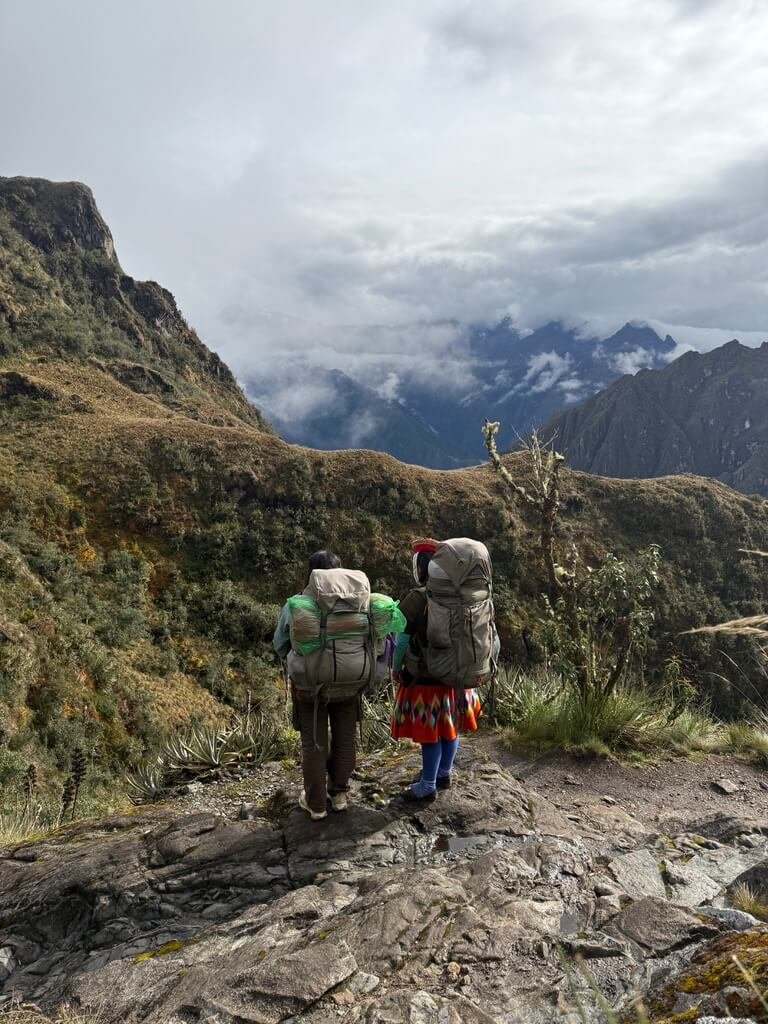
Why does porter pay tell you so much?
Porters are the largest cost an operator can cut without the client noticing. A company that publishes what it pays has nothing to hide. A company that changes the subject usually does.
Is a cheap Inca Trail trek a bad sign?
Not always, but ask where the saving comes from. Permits, trains and Machu Picchu tickets cost every company the same. The remaining differences are group size, food, equipment and wages.
Does a big brand mean better treatment?
No. Size and certificates do not tell you what a porter earns. Ask question 2.
How do I check the answers?
- Ask for them by email, so you have them in writing.
- On the trail, look at where the porters sleep and what they carry.
- Tip porters directly, in envelopes, at the last camp.
Questions people ask
Which Inca Trail companies treat porters fairly?
The ones that publish pay, loads and insurance. We publish ours on our company facts page.
Are there Inca Trail tours with women porters?
Yes. We were the first company to employ women as porters on the Inca Trail, and by 2024 we employed nearly 60% of all women porters working on it.
How much should I tip porters?
We suggest S/ 100 per porter and S/ 300 for the chef from the group, and 10 to 15% of the tour value for the guide, given separately.
Can I hike the Inca Trail without an operator?
No. Permits are sold only through licensed operators.
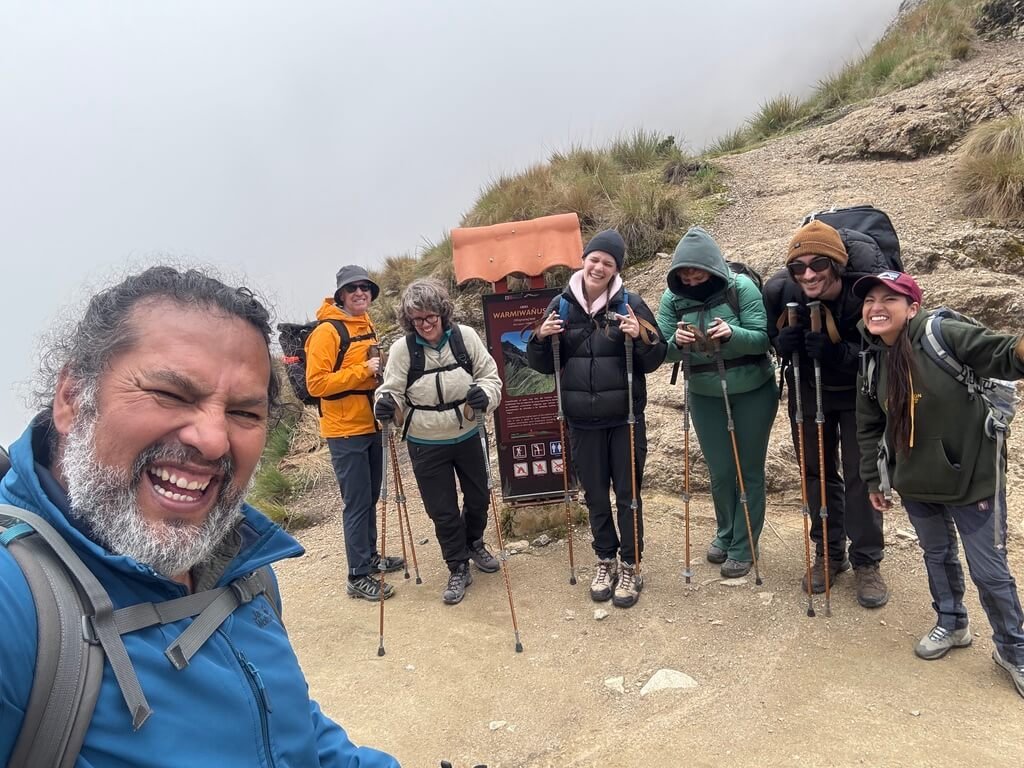
Plan your trek with Miguel
Planning the Inca Trail? Message me on WhatsApp with your dates and questions; my team or I reply instantly.


0 Comments