
Trek to Vilcabamba and Machu Picchu · 8 days / 7 nights
Choquequirao to Vilcabamba Trek: Over the Choquetacarpo Pass to Machu Picchu
By Miguel Angel Gongora Meza, co-founder and former Inca Trail porter · Updated November 2026
The Choquequirao to Vilcabamba trek is an 88 km, 8-day route from Choquequirao over the Choquetacarpo pass (4,600 m) to Vitcos and Ñusta Hispana, the last refuge of the Incas, ending at Machu Picchu. You camp beside Choquequirao, cross the old Victoria mines to Yanama, walk an original stretch of Inca road over the pass, and spend your last night in Aguas Calientes. It is the most remote trek we run.
Quick facts
Distance
88 km (55 miles)
Duration
8 days / 7 nights
Highest point
Choquetacarpo pass, 4,600 m
Difficulty
Very strenuous
Nights
6 camping, 1 hotel in Aguas Calientes
Best season
May to September (dry season)
Group size
Up to 8 hikers
2027 price
$1,800 per person
Per person
$1,800
2027 price. Porters and all camping equipment included, plus the Machu Picchu ticket and guided tour, the bus and the train back to Cusco.
Best May to September.
Ask about your datesCheck availability on WhatsApp$300 deposit per person. Balance must be paid 30 days before the hike (8% fee for all credit card payments) or in cash in Cusco 2 days before with no fees.

The stone llamas on the terraces of Choquequirao

Travel & Hospitality Award Winner 2024
As featured on






What our guests say


 5.02162 reviews


 Trustindex verifies that the original source of the review is Google.

 Trustindex verifies that the original source of the review is Google.

 Trustindex verifies that the original source of the review is Google.


 Verified
 Trustindex verifies that the original source of the review is Google.

 Trustindex verifies that the original source of the review is Google.
 Trustindex verifies that the original source of the review is Google.

 Trustindex verifies that the original source of the review is Google.
 Verified
 Verified
 Trustindex verifies that the original source of the review is Google.
 Trustindex verifies that the original source of the review is Google.

 Trustindex verifies that the original source of the review is Google.
 Verified
 Verified
 Verified
 Verified
 Verified Verified
 Verified

 Trustindex verifies that the original source of the review is Trustindex.

 Trustindex verifies that the original source of the review is Trustindex.

 Verified
 Verified
 Verified
 Verified
 Verified
 Verified Verified Verified Verified
 Verified
How much does it cost in 2027?
$1,800 per person, with porters and all camping equipment included. One price for every group size, up to 8 hikers.
Included
- Private transport from Cusco to Capuliyoc, and from Vilcabamba to Santa Teresa and Aguas Calientes
- Licensed bilingual guide (English and Spanish)
- Porters for the group equipment and your personal belongings, plus pack animals and horsemen
- Cook and all meals on the trek, with boiled and filtered water
- All camping equipment: sleeping tents, dining and kitchen tents, tables, chairs, sleeping pads and sleeping bags
- Entrance to Choquequirao, Vitcos and Ñusta Hispana
- 1 night in a hotel in Aguas Calientes
- Machu Picchu ticket, guided tour and the bus up and down
- Expedition train to Ollantaytambo and transfer to Cusco
- First-aid kit, oxygen, pulse oximeter, Garmin satellite device and radios
Not included
- Breakfast on day 1 and lunch on day 8
- Huayna Picchu or Machu Picchu Mountain ($90)
- Vistadome train upgrade ($70) or Vistadome Observatory ($120)
- Tips for the guide, cook, porters and horsemen
- Travel insurance (strongly recommended)
- Flights to and from Cusco
What happens on each day?
| Day | Route | Distance | Overnight |
|---|---|---|---|
| 1 | Cusco to Capuliyoc by road (about 4.5 hours), down to the Apurímac river and up to Santa Rosa | 12 km | Camp at Santa Rosa, 2,095 m |
| 2 | Climb to Marampata, then on to Choquequirao | 9 km | Camp at Choquequirao, about 2,900 m |
| 3 | Morning at Choquequirao, Pinchiunuyoc terraces, down to the Río Blanco and up to Maizal | 18 km | Camp at Maizal, 3,000 m |
| 4 | Victoria mines and the San Juan pass (about 4,150 m) to Yanama | About 12 km | Camp at Yanama, 3,700 m |
| 5 | Up the Qelcamachay valley | 14 km | Camp at Qelcamachay |
| 6 | Choquetacarpo pass (4,600 m) on the Inca road, down to Incamachay (8 km) and on to Mutuypata (10 km) | 18 km | Camp at Mutuypata |
| 7 | Loop around Vitcos and Ñusta Hispana, then drive to Santa Teresa and Aguas Calientes | 5 km | Hotel in Aguas Calientes |
| 8 | Guided tour of Machu Picchu, train to Ollantaytambo and drive to Cusco | No trekking | Cusco |
Days 1–2
Into the Apurímac canyon
The whole canyon below you from Capuliyoc, then two climbs to camp beside Choquequirao.
Day 3
Choquequirao and the Río Blanco
The white-stone llama terraces in the morning, the hardest climb of the trek in the afternoon.
Days 4–5
Silver mines and Yanama
Inca paving at the Victoria mines, the San Juan pass and the quiet Qelcamachay valley.
Day 6
Choquetacarpo pass, 4,600 m
The top of the trek, on one of the best-kept stretches of Inca road in the range.
Day 7
The last refuge of the Incas
Vitcos and Ñusta Hispana, then a hotel bed in Aguas Calientes.
Day 8
Machu Picchu
A guided visit, then the train back to Cusco.
See the complete day-by-day itinerary
Day 1 · Cusco to Santa Rosa
12 km · Camp 2,095 m
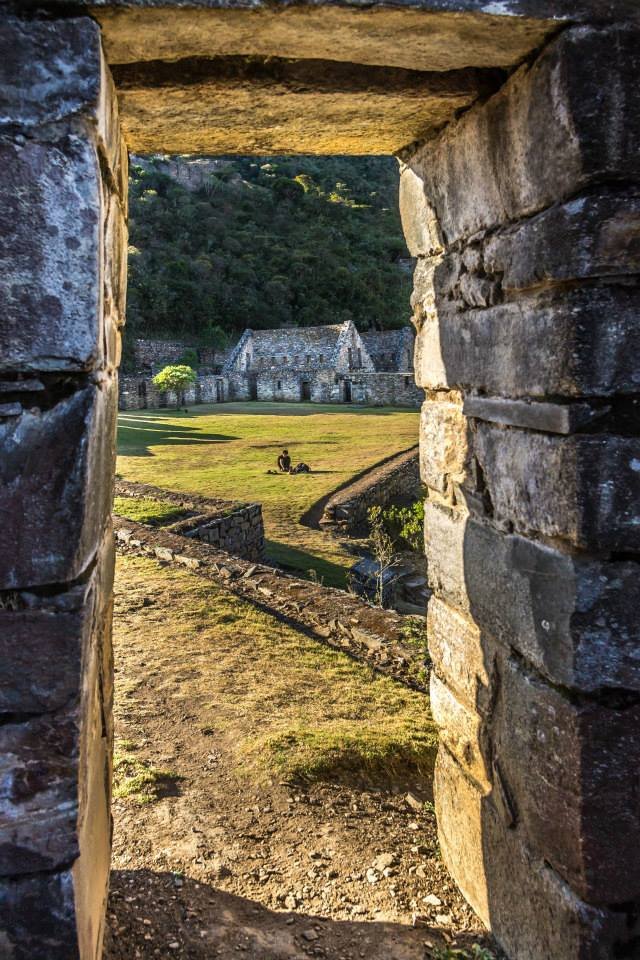
We leave Cusco early and drive west to Tarawasi, an Inca ceremonial site with an ushnu platform, then on to the trailhead at Capuliyoc (2,915 m). From here the whole Apurímac canyon opens below you.
The trail zig-zags down to the bridge over the Apurímac (about 1,550 m), the lowest point of the trek, then climbs for about 2 hours to our camp at Santa Rosa. You meet your porters and cook there, with the tents already up.
Day 2 · Santa Rosa to Choquequirao
9 km · Camp about 2,900 m
A steady climb of about 3 hours brings us to Marampata (2,940 m), where Choquequirao first appears across the valley. Two more hours on easier ground take us to the site.
We camp next to the ruins, so the afternoon is yours for a first walk around as the day visitors leave.
Day 3 · Choquequirao to Maizal
18 km · Camp 3,000 m
The morning belongs to Choquequirao with your guide: the main plaza, the ceremonial platforms and the terraces with white-stone llamas set into the walls.
After lunch we cross the ridge to the Inca terraces of Pinchiunuyoc, drop to the Río Blanco (around 1,990 m) and climb the steep zig-zags to Maizal. It is the hardest day of the trek, so we start early and walk at the group's pace.
Day 4 · Maizal to Yanama
About 12 km · San Juan pass about 4,150 m · Camp 3,700 m
We climb through cloud forest past the old Victoria mines, where stretches of Inca paving survive, and out into the puna. At the San Juan pass the snow peaks of the Vilcabamba range stand all around.
The descent follows an old miners' track down to Yanama, a quiet village on the edge of the canyon, where we camp.
Day 5 · Yanama to Qelcamachay
14 km · Camp in the Qelcamachay valley
A gentler day of 14 km up the Qelcamachay valley. Arriving early leaves time to rest and get used to the altitude before the big pass.
Day 6 · Qelcamachay to Mutuypata
18 km · Pass 4,600 m · Camp at Mutuypata
The climb to the Choquetacarpo pass (4,600 m), the top of the trek, follows a well-kept section of the original Inca road. From the pass you look back over the whole route.
We go down on Inca steps, past the remains of old dwellings, to Incamachay, 8 km from Qelcamachay, and walk another 10 km to our last camp at Mutuypata. This is the night we thank the crew.
Day 7 · Vitcos, Ñusta Hispana and Aguas Calientes
5 km · Drive in the afternoon · Hotel
A 5 km loop around the sites of Vilcabamba: Vitcos, the palace of Manco Inca, and Ñusta Hispana, the great carved white rock that was one of the most sacred shrines of the last Incas.
Our private transport then takes us on mountain roads to Santa Teresa and on to Aguas Calientes for a hot shower, a hotel bed and a farewell dinner.
Day 8 · Machu Picchu and back to Cusco
No trekking · Guided visit 2 to 3 hours
An early bus takes us up to Machu Picchu for a guided visit of 2 to 3 hours. In the afternoon the Expedition train runs to Ollantaytambo, where our driver waits to bring you back to your hotel in Cusco.


What can you do on this trek besides hiking?
This route is as much about Inca history as about walking. These are the moments our guides make time for.
Day 2
Watch Choquequirao empty out
Camping beside the site means you see it in the late light after the day visitors leave.
Day 3
Find the stone llamas
Your guide shows you the white-stone llama figures set into the terraces, one of the most unusual Inca works anywhere.
Day 4
Walk on Inca paving
Look for the stretches of original Inca road near the Victoria mines.
Day 6
Read the Inca road
Above and below the Choquetacarpo pass the old road, its steps and its drainage are still in place.
Day 7
Stand at Ñusta Hispana
The carved white rock was one of the holiest places of the last Incas. Your guide tells the story of Manco Inca at Vitcos.
Apps that work offline
There is no phone signal for most of the route. Download these before you leave Cusco:
- iNaturalist for the plants and birds of the cloud forest
- PeakFinder to name the snow peaks from the passes
- Rockd for the rock formations of the canyon
- SkyView Lite for the night sky at camp
More in our guide to offline apps for trekking.
Is it suitable for children or first-time trekkers?
No. This trek is not suitable for children or inexperienced hikers. It is our most remote and demanding route, with 18 km days and a pass at 4,600 m. Join only if you have done multi-day treks at altitude before.
For a shorter first trek, see the 5-day Choquequirao Trek.
How booking and logistics work
| Step | How it works |
|---|---|
| Deposit | $300 per person, non-refundable |
| Balance | 30 days before the hike (8% fee on card payments), or in cash in Cusco 2 days before with no fee. See our cancellation terms |
| Briefing | At your hotel in Cusco the evening before |
| Pickup on day 1 | Early morning from your hotel in Cusco |
| Luggage | Free storage while you hike and free delivery to your hotel |
| Who it suits | Experienced trekkers only. Not suitable for children or inexperienced hikers |
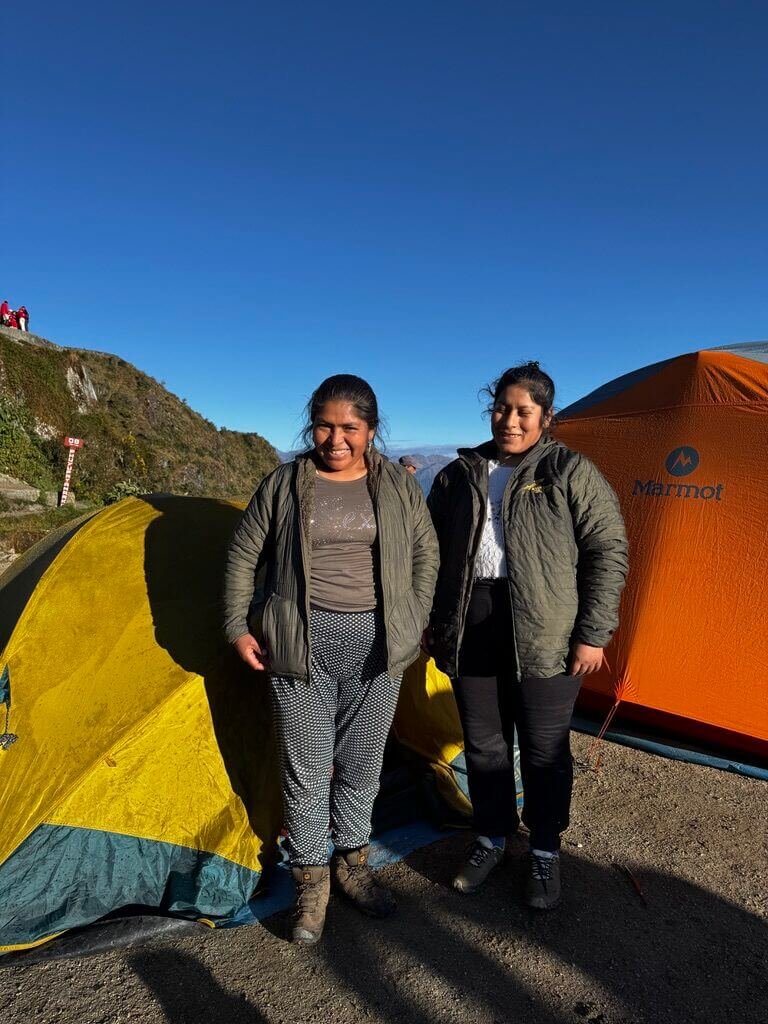
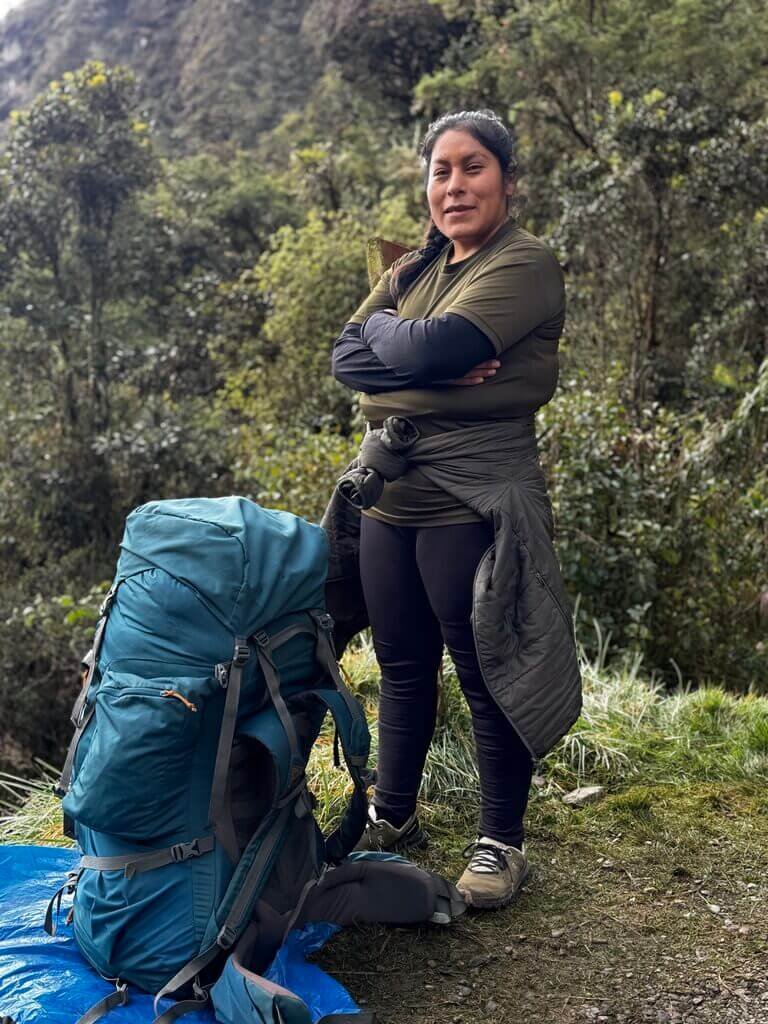
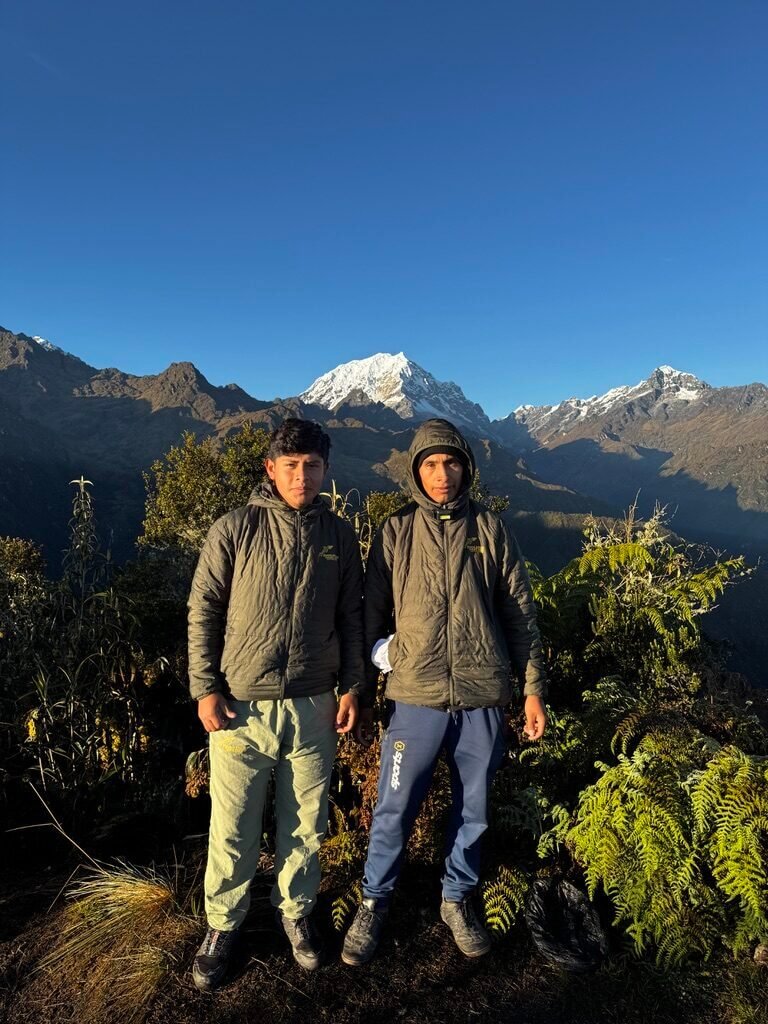
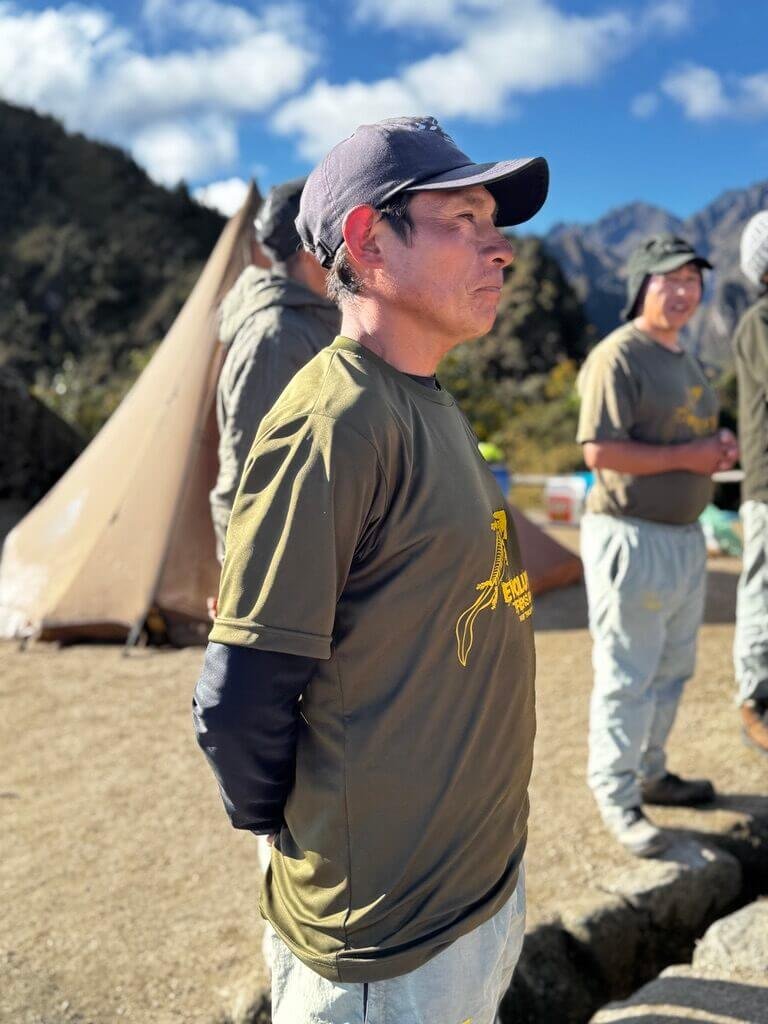
Meet your crew
Several of our guides started as porters, and women guide and carry on every season.
Our guides include Sara Qquehuarucho and Lucía Vela, two of the first women porters on the Inca Trail, and Silvia and Paola, who also started as porters. Daisy is training as a guide this year.
Our guarantees
Fair porters
Equal pay, ethical loads, their own tents and meals. Ask us anything about it.
Small groups
Never more than 8 hikers per guide.
How do we keep you safe?
Every trek carries oxygen, a pulse oximeter, a Garmin satellite communicator and two-way radios, and we watch for altitude sickness from day 1.
First aid kit
Emergency oxygen bottle
Pulse oximeter checks
Garmin satellite communicator
Two-way radios across the crew
How sustainable is this trek?
Fair pay and light loads come first, and we run single-use-plastic-free treks with sorted waste.
Equal pay for women and men: 450 soles per trip
Lightweight modern gear, ethical loads
Women porters on every trek since 2017
Single-use plastic free
Waste separated into organic and inorganic
Questions about your dates? Ask Miguel
Tell us your dates and we reply instantly on WhatsApp.
Questions about the Choquequirao to Vilcabamba trek
How many days is the Choquequirao to Vilcabamba trek?
Eight days with us: seven days of trekking and a final day at Machu Picchu.
How hard is it?
It is our most demanding trek. Day 3 covers 18 km with the steep climb from the Río Blanco to Maizal, and day 6 crosses the Choquetacarpo pass at 4,600 m.
How long is the trek?
About 88 km on foot over seven days.
Are porters and camping equipment included?
Yes. Porters, pack animals, tents, sleeping pads and sleeping bags are all included in the $1,800 price.
Do you walk the whole way?
You walk days 1 to 7. After the 5 km loop around Vitcos and Ñusta Hispana on day 7, a vehicle takes you to Santa Teresa and Aguas Calientes.
Is the Machu Picchu ticket included?
Yes, with the guided tour, the bus and the train back to Cusco.
How much does it cost in 2027?
$1,800 per person. See the Choquequirao Trek cost article for how Choquequirao prices compare.
Can I climb Huayna Picchu or Machu Picchu Mountain?
Yes. A ticket for Huayna Picchu or for Machu Picchu Mountain costs $90 per person and is booked with your trek. Places are limited, so ask when you book.
Don't take our word for it
5.02162 reviews Trustindex verifies that the original source of the review is Google. Trustindex verifies that the original source of the review is Google. Trustindex verifies that the original source of the review is Google. Verified Trustindex verifies that the original source of the review is Google. Trustindex verifies that the original source of the review is Google. Trustindex verifies that the original source of the review is Google. Trustindex verifies that the original source of the review is Google. Verified Verified Trustindex verifies that the original source of the review is Google. Trustindex verifies that the original source of the review is Google. Trustindex verifies that the original source of the review is Google. Verified Verified Verified Verified Verified Verified Verified Trustindex verifies that the original source of the review is Trustindex. Trustindex verifies that the original source of the review is Trustindex. Verified Verified Verified Verified Verified Verified Verified Verified Verified Verified Follow our porters and guides
Plan your trek with Miguel
Planning the Choquequirao to Vilcabamba Trek? Message me on WhatsApp with your dates and questions; my team or I reply instantly.
Keep planning
Choquequirao to Vilcabamba 2027 · $1,800 · 8 days