
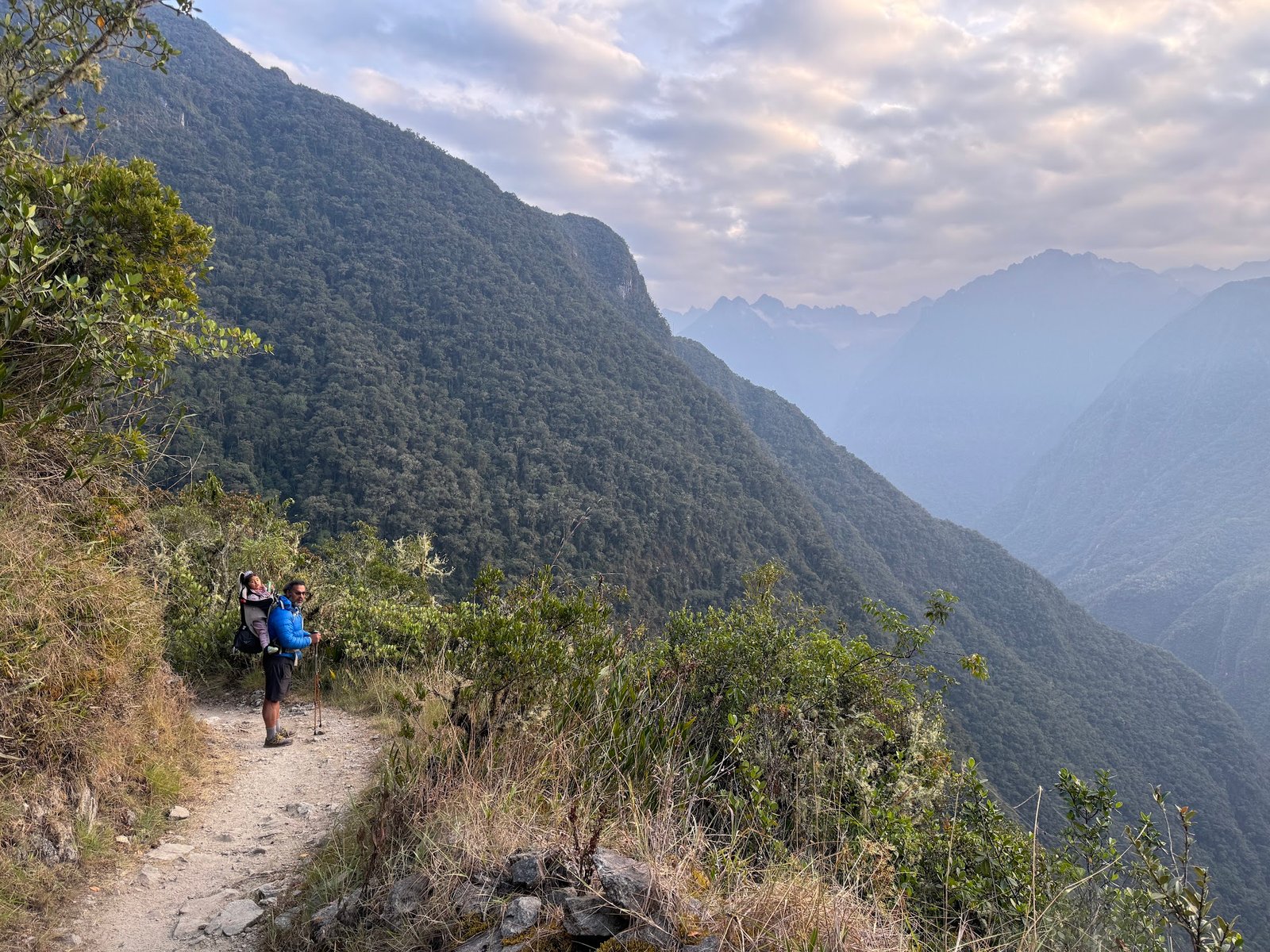

By Miguel Ángel Góngora Meza, co-founder of Evolution Treks Peru. Inca Trail porter from 1996, guide from 1998. Updated November 2026.
Insure your Peru trip when you book it. A full policy costs around US$200 per person, and without one a missed flight or a night in hospital can cost you the whole trip. I have guided in these mountains since 1998, and the two stories below happened to guests of ours.
What can go wrong before you even land in Peru?
On Friday 13 November 2026 the FAA stopped every departing flight in the United States (One Mile at a Time) after what it called a temporary telecommunications outage (Fox 5 DC). Guests booked on our glamping tour to Machu Picchu missed their plane that day. The airline rebooked them on a flight four days after the tour started. The tour could not run, and they lost their money.
Nobody could have planned around that. Trip cancellation and missed-connection cover exist for days like that one.
What can go wrong once you are here?
A married couple travelling with us took a cooking class at their hotel in the Sacred Valley and drank a pisco sour there. It sent them to hospital with stomach problems. They were refunded afterwards.
A hospital abroad is a bill most travellers have not planned for, and every day there is a day of a trip you already paid for. Medical cover pays for the hospital, and trip interruption cover pays for the days you lose.
Why should you avoid the cheapest flights?
The temptation is always big: a cheap fare with no changes allowed and no refund if something happens. Do not fall for it. When a flight like that goes wrong, you buy a second ticket at the last-minute price, and the rest of the trip moves or is lost with it.
If you have already bought one, insure the trip. It is the best thing you can do at that point.
What should a Peru travel insurance policy cover?
Everything that can break the trip. I am a guide and not an insurance adviser, so read the policy itself, but these are the parts to look for.
- Cancellation before you leave, including a missed or cancelled flight.
- Interruption and delay once the trip has started, such as a closed trail or a stopped train.
- Medical care and hospital stays in Peru.
- Emergency evacuation.
- Trekking at altitude. The Inca Trail reaches 4,215 m and Rainbow Mountain about 5,000 m, and some policies set an altitude limit.
Buy it when you pay your first deposit. Forbes explains why: a strike or closure announced before you buy is usually treated as a known event, and the most flexible cover has to be bought within two or three weeks of that first payment.
Cancellation cover often needs transport to stop completely for a day or two, and a closed attraction alone is generally not enough. That matters in Peru. When the Inca Trail closes but the trains still run, an insurer may see no reason to pay, which is one more reason to move a booking instead of cancelling it.
How much does travel insurance for Peru cost?
In the end it is about another US$200 per person, going by what our guests tell us they paid. Sometimes going without it costs people a fortune.
Why is the refund not the money you lost?
This is the example I gave Forbes in November 2026 for a story on travel insurance and strikes. Picture a cancelled train to Machu Picchu, a hotel you already paid for in Aguas Calientes and a guided visit the next morning. The train company gives you back the fare. The hotel night and the tour are still yours to pay for, and a refund from the carrier does not oblige an insurer to cover them.
I have moved groups through cancelled trains, blocked roads and closed trails since 1998. The bookings at the other end of the journey usually cost more than the fare.
What has disrupted trips to Machu Picchu lately?
Three different causes in twelve months: a protest, a fire and a storm in the dry season.
| When | What happened | What it meant for travellers |
|---|---|---|
| September 2025 | A protest over the Machu Picchu bus concession blocked the railway (The New Daily) | About 900 tourists were stranded in Aguas Calientes after 1,400 had been evacuated |
| 4 August 2026 | A wildfire near the track stopped trains between Ollantaytambo and Machu Picchu (The Rio Times) | At least ten train departures were cancelled. Authorities offered to reschedule or refund Machu Picchu tickets |
| 18 August to 5 September 2026 | Heavy rain and mudslides closed Routes 1, 2 and 3 of the Inca Trail (Andina) | The reopening date moved from 22 August to 26 August and then to 5 September (Andina, The Rio Times) |
During the August closure, Route 5 stayed open. That is the Short Inca Trail from KM 104, and it gave trekkers a way to reach Machu Picchu on foot while the classic route was shut.
Who do you call first, and in what order?
- Your tour operator, if you booked a package. One message can move the train, the hotel, the Machu Picchu entry and the guide together.
- The hotel at the other end. Ask to move the night by a day before you ask to cancel it.
- The tour or guide booked for the next morning. Ask for the same thing.
- The train or bus company, for the refund or a new departure.
- Your insurer, before you make any big change to the trip. Keep the official notice of the closure and every receipt.
“Sometimes it is much easier and cheaper to move the hotel booking or tour by a day,” is how I put it to Forbes. In Peru that is usually true, because hotels and guides in Cusco, the Sacred Valley and Aguas Calientes deal with these closures every year.
How do you plan a Peru trip that can bend?
- Do not put Machu Picchu on your last day. Leave at least one spare day before your international flight.
- Arrive early. The two nights in Cusco and one in the Sacred Valley that we ask for before a trek also work as a buffer. My altitude guide explains that plan.
- Know the calendar. The Inca Trail closes every February for maintenance, and the rainy season runs roughly from November to March. August 2026 showed that storms can also arrive in the dry season.
- Have a second route in mind. The Short Inca Trail stayed open in August 2026 when the classic trail did not.
- Save the number of iPerú, the government tourist assistance service. It answers 24 hours a day on (+51 1) 574-8000 and by WhatsApp message on +51 944 492 314 (PROMPERÚ).
Questions people ask
Do I need travel insurance for Peru?
I tell every guest to buy it when they book. A full policy is around US$200 per person, and it covers the things no guide can fix: a missed flight, a hospital stay or a closed trail.
Does a refund from the train company cover my hotel?
No. The carrier refunds its own fare. The hotel and the tour are separate bookings, so call them yourself and ask to move the dates.
Will my Machu Picchu ticket be refunded if the trains stop?
It depends on the announcement at the time. After the wildfire of 4 August 2026, authorities offered to reschedule or refund tickets for the citadel.
Is it safe to book Peru for 2027?
Closures here are usually short and local. Book with room in your dates, and with one operator who can move everything for you with a single message.
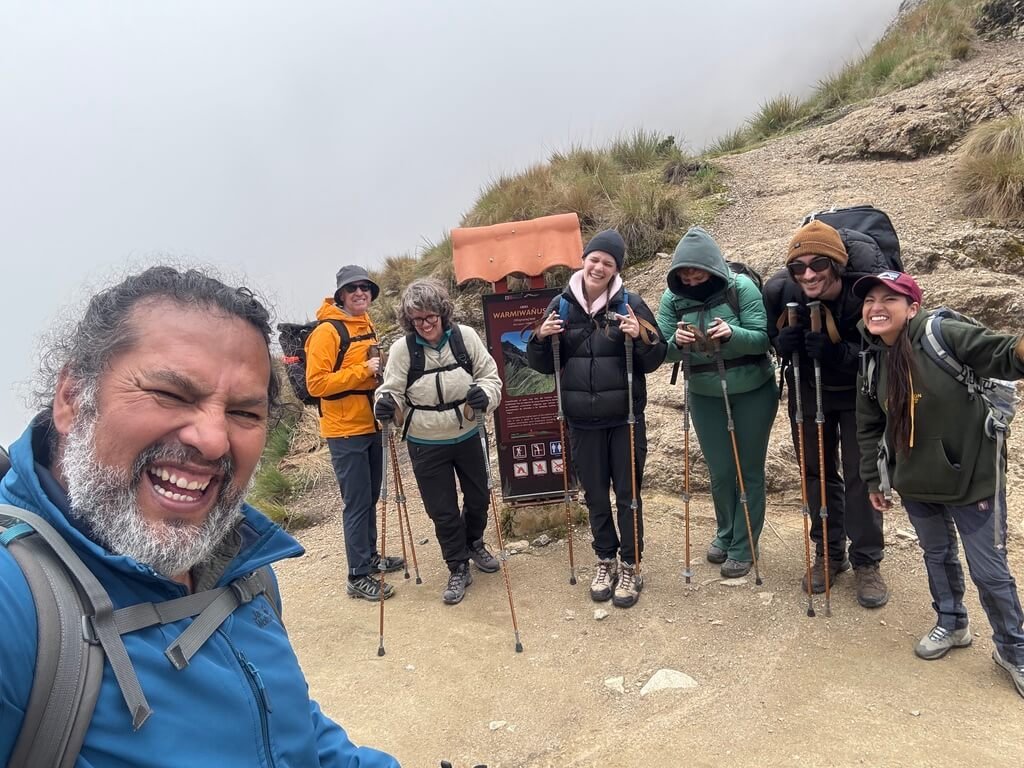
Plan your trek with Miguel
Planning the Inca Trail? Message me on WhatsApp with your dates and questions; my team or I reply instantly.
0 Comments
Trackbacks/Pingbacks